
Anastomotic leak is a serious and potentially life-threatening complication that can arise after surgical procedures where two parts of the digestive tract are joined together. While the title might sound purely medical, understanding the underlying principles of connection, integrity, and failure, as well as the technological advancements in prevention and detection, can resonate with themes found across various tech-focused industries, from robust network infrastructure to secure data transfer protocols. In essence, an anastomotic leak is a failure of a surgical connection, and just like in the digital world, ensuring the integrity of a junction is paramount for successful outcomes.
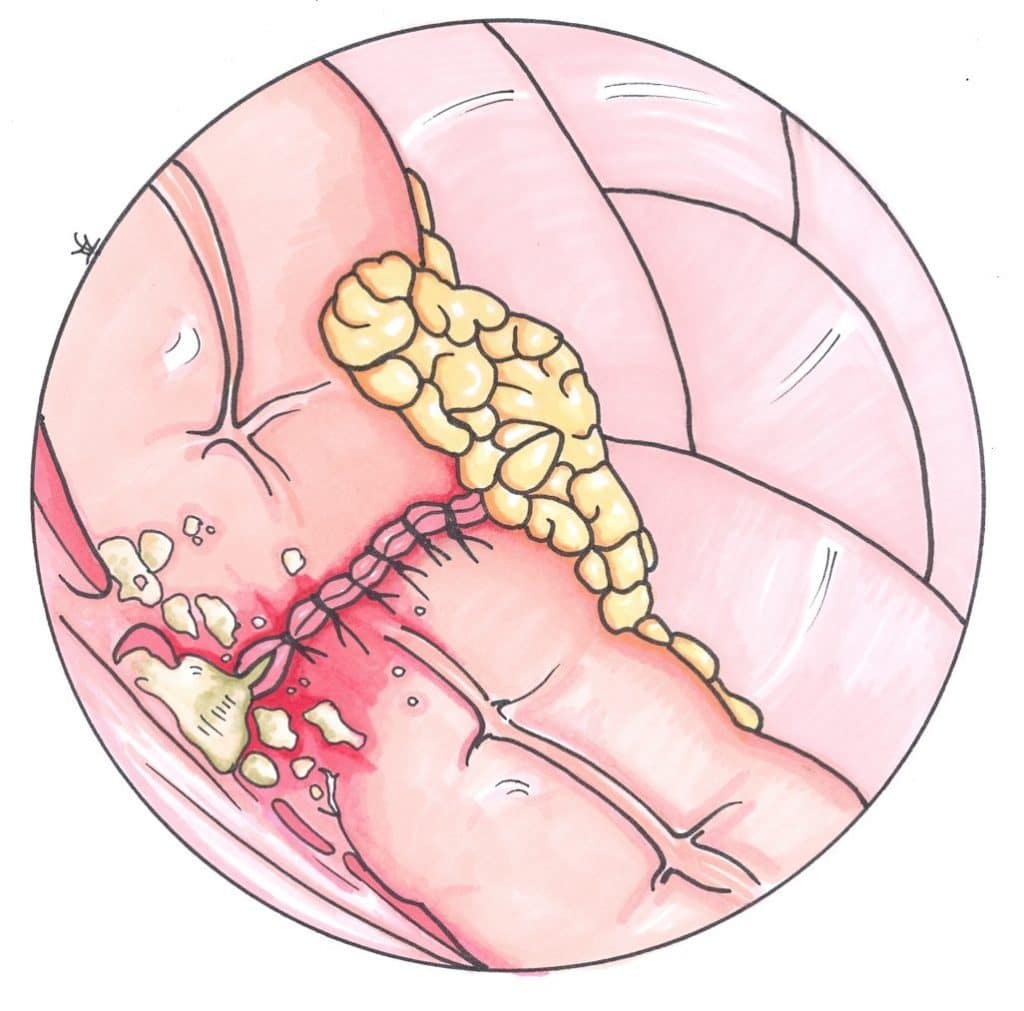
The human body is an incredibly complex system, and surgery often involves intricate repairs and reconfigurations. When surgeons perform procedures that involve joining sections of the gastrointestinal tract – such as the esophagus, stomach, small intestine, or large intestine – they create what is called an anastomosis. This joining is typically achieved through sutures, staples, or surgical glue, aiming to create a watertight and robust connection that allows for the normal passage of food and waste. However, this crucial connection, like any complex engineering feat, is susceptible to failure.
The Anatomy of a Surgical Connection: Why Anastomoses Matter
To understand what an anastomotic leak is, we first need to appreciate the significance of the anastomosis itself. The digestive tract is essentially a long, hollow tube responsible for breaking down food, absorbing nutrients, and eliminating waste. When disease or injury necessitates surgical intervention, such as removing a diseased section of the bowel or reconstructing a damaged organ, surgeons must reconnect the remaining healthy ends.
Think of it like joining two pipes. The goal is a seamless, leak-proof integration that can withstand internal pressure and the passage of contents. In the body, the “contents” are highly corrosive digestive enzymes and acidic stomach contents, as well as the often-bulky material from digestion. The pressure, while not as dramatic as in some industrial applications, is constant and significant.
The success of an anastomosis hinges on several factors:
- Surgical Technique: The skill and precision of the surgeon are critical. This includes proper tissue handling, adequate blood supply to the connected ends, and the appropriate method of closure.
- Tissue Health: The health and viability of the tissues being joined are paramount. Factors like inflammation, infection, or poor blood flow can compromise healing.
- Patient Factors: The patient’s overall health, nutritional status, and any underlying conditions (like diabetes or smoking) can significantly impact their ability to heal and, consequently, the integrity of the anastomosis.
- Mechanical Stress: The location of the anastomosis and the forces it will experience during normal bodily functions play a role. For instance, an anastomosis in a high-pressure area or one subjected to significant movement might be at greater risk.
Just as a faulty network cable can disrupt data flow, or a poorly designed software interface can lead to user errors, a compromised anastomosis can have severe consequences for the patient. The failure of this vital connection is what defines an anastomotic leak.
Defining Anastomotic Leak: The Breach of Integrity
An anastomotic leak, in its simplest definition, is the involuntary separation or opening of the edges of a surgical anastomosis. This breach in the integrity of the joined tissues allows the contents of the digestive tract – such as digestive juices, bacteria, and partially digested food – to escape into the surrounding abdominal cavity or other unintended areas.
The implications of such a leakage are profound and can rapidly escalate from concerning to life-threatening. When these corrosive and bacteria-laden substances spill, they can trigger a cascade of negative events:
- Peritonitis: The lining of the abdominal cavity (peritoneum) becomes inflamed and infected, leading to severe pain, fever, and a dangerously low blood pressure. This is a medical emergency requiring immediate intervention.
- Sepsis: The infection can spread from the abdominal cavity into the bloodstream, leading to a systemic inflammatory response that can overwhelm the body’s defenses. Sepsis is a life-threatening condition that requires aggressive treatment.
- Abscess Formation: The escaped fluid and bacteria can collect in pockets within the abdominal cavity, forming abscesses. These collections of pus can further complicate healing and require drainage.
- Fistula Formation: In some cases, the leak can lead to the abnormal formation of a tunnel or connection (fistula) between the digestive tract and another organ or the skin surface.
The severity of an anastomotic leak can vary. Some may be minor and contained, while others can be catastrophic. The location of the leak, the volume of leaked material, and the speed of diagnosis and intervention all play a crucial role in the patient’s outcome.
Factors Contributing to Anastomotic Leak
While the surgical connection itself is the site of the leak, numerous factors can contribute to its development. These can be broadly categorized into patient-related and procedure-related issues, mirroring how cybersecurity vulnerabilities can arise from both user behavior and system design flaws.
Patient-Related Factors:

- Nutritional Deficiencies: Inadequate protein and vitamin intake can impair the body’s ability to heal tissues effectively.
- Obesity: Excess weight can increase tension on surgical sites and compromise blood supply.
- Smoking: Nicotine constricts blood vessels, reducing oxygen delivery to healing tissues.
- Diabetes Mellitus: High blood sugar levels can impair wound healing and increase the risk of infection.
- Immunocompromised State: Conditions or medications that suppress the immune system make patients more vulnerable to infection and slower healing.
- Advanced Age: Older patients may have slower healing capacities and other co-morbidities that increase risk.
- Pre-existing Inflammatory Bowel Disease: Conditions like Crohn’s disease or ulcerative colitis can affect the health and resilience of the intestinal wall, making it more prone to leakage.
Procedure-Related Factors:
- Inadequate Blood Supply (Ischemia): If the blood vessels supplying the ends of the bowel are damaged or compromised during surgery, the tissues may not receive enough oxygen and nutrients to heal properly.
- Tension on the Anastomosis: If the two ends of the bowel are pulled too tightly together, it can restrict blood flow and put excessive stress on the suture line.
- Contamination: If bacteria from the bowel or the surgical field enter the wound during surgery, it can lead to infection and compromised healing.
- Technical Errors: Inadequate suturing, misplacement of staples, or improper sealing can directly lead to a weak connection.
- Staple Line Compromise: In staple anastomoses, issues with staple line integrity, such as incorrect staple size or configuration, can lead to leaks.
- Surgical Duration and Complexity: Longer and more complex surgeries can increase the overall stress on the patient and the surgical site.
Understanding these contributing factors is vital for surgical teams, much like understanding potential attack vectors is crucial for cybersecurity professionals. Proactive measures can be taken to mitigate these risks where possible.
Technological Innovations and the Battle Against Anastomotic Leaks
The pursuit of reducing anastomotic leaks has spurred significant innovation in surgical technology and techniques. This mirrors the continuous evolution of technology to enhance security, efficiency, and reliability in digital systems. From advanced imaging to novel biomaterials, the medical field is leveraging technology to improve surgical outcomes.
Advanced Imaging and Diagnostic Tools
Early detection is critical for managing anastomotic leaks. Technology plays a vital role in this.
- CT Scans: Computed Tomography (CT) scans are invaluable for diagnosing anastomotic leaks. They can identify the presence of free fluid, air outside the bowel lumen, or inflammatory changes in the abdominal cavity that suggest a leak.
- Endoscopy: While not always definitive for leaks in the deeper parts of the digestive tract, endoscopy can sometimes visualize the anastomosis and assess its integrity directly, especially in procedures involving the esophagus or upper GI tract.
- Contrast Studies: In select cases, a water-soluble contrast agent can be introduced into the digestive tract and visualized with X-rays to pinpoint the location of a leak.
The development of more sensitive and specific imaging techniques, including advanced MRI protocols, continues to improve the ability to detect even subtle leaks.
Innovations in Surgical Materials and Devices
The materials and devices used to create anastomoses are constantly being refined.
- Advanced Stapling Devices: Modern surgical staplers are designed for precision and offer various staple line configurations to enhance security. Some devices incorporate technology to monitor staple line integrity in real-time.
- Bio-absorbable Materials and Sealants: Suture materials that dissolve over time, along with various surgical glues and sealants derived from natural or synthetic sources, are used to reinforce anastomoses and improve their watertightness. These can be seen as analogous to advanced encryption algorithms or secure connection protocols that bolster data integrity.
- Robotic Surgery: While robotic surgery itself doesn’t eliminate leaks, it offers enhanced dexterity, precision, and visualization for the surgeon, potentially leading to more meticulous anastomoses. The fine motor control afforded by robotic platforms can allow for more precise suturing and tissue handling.
- Intraoperative Monitoring: Researchers are exploring technologies for real-time monitoring of tissue perfusion and oxygenation during surgery. Devices that can assess blood flow to the anastomosis site can alert surgeons to potential problems before they lead to a leak. This is akin to real-time anomaly detection in cybersecurity, identifying suspicious activity as it occurs.
Artificial Intelligence and Predictive Analytics
The application of AI and machine learning in healthcare is rapidly expanding, and the prevention of anastomotic leaks is a promising area.
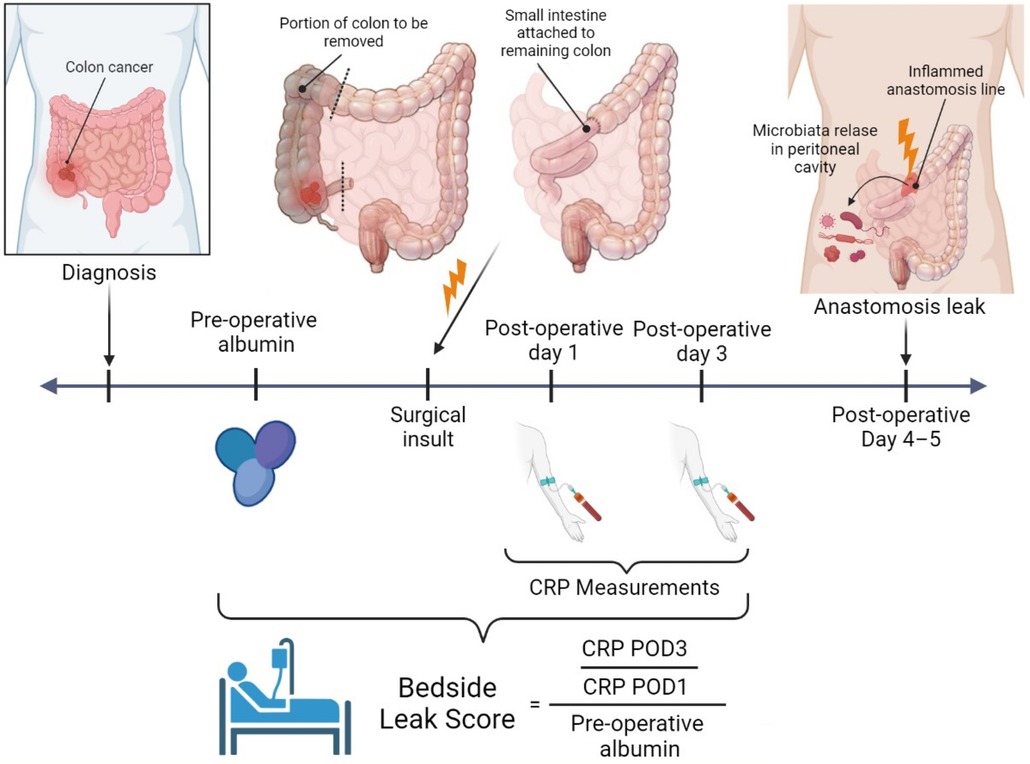
- Risk Stratification: AI algorithms can analyze vast datasets of patient information, surgical techniques, and outcomes to identify patients at higher risk for anastomotic leaks. This allows for tailored preventative strategies.
- Intraoperative Decision Support: AI could potentially analyze surgical video feeds or sensor data in real-time to provide surgeons with alerts or recommendations during the procedure, helping to avoid potential pitfalls that might lead to a leak.
- Postoperative Monitoring: AI can analyze trends in vital signs and laboratory results to predict the onset of a leak in the postoperative period, allowing for earlier intervention.
The continuous development of these technologies reflects a broader trend across industries: the use of sophisticated tools and data analysis to predict, prevent, and mitigate failures in critical systems. Just as we rely on robust software and secure networks to ensure smooth operation and data integrity, the medical field is embracing technological advancements to safeguard the integrity of surgical connections and ultimately, patient well-being. While the concept of an anastomotic leak is deeply rooted in biology, the strategies to combat it are increasingly intertwined with the principles of technological innovation and robust system design.
aViewFromTheCave is a participant in the Amazon Services LLC Associates Program, an affiliate advertising program designed to provide a means for sites to earn advertising fees by advertising and linking to Amazon.com. Amazon, the Amazon logo, AmazonSupply, and the AmazonSupply logo are trademarks of Amazon.com, Inc. or its affiliates. As an Amazon Associate we earn affiliate commissions from qualifying purchases.