
In today’s dynamic professional world, the letters “SJD” might not immediately conjure up a common acronym like “CEO” or “MBA.” However, for those operating within specific academic and professional spheres, understanding what an SJD signifies is crucial. This article delves into the meaning of SJD, its place within the broader landscape of advanced legal education, and how it intersects with the core tenets of technology, branding, and finance – key pillars of our modern professional environment.
Unpacking the SJD: Beyond the J.D.
The acronym SJD stands for Scientiae Juridicae Doctor, which translates from Latin to “Doctor of the Science of Law.” It is the highest academic degree in law, often referred to in the United States as a Doctor of Juridical Science. While the Juris Doctor (J.D.) is the foundational law degree required to practice law in many countries, particularly the U.S., the SJD is a research-focused doctoral degree, akin to a Ph.D. in other academic disciplines.

The SJD vs. The J.D.: A Fundamental Distinction
To truly grasp what an SJD is, it’s essential to differentiate it from the more widely recognized J.D.
-
Juris Doctor (J.D.): This is the professional doctorate in law. It equips individuals with the knowledge and skills necessary to become practicing attorneys. A J.D. program typically involves coursework, case studies, and moot court experiences, culminating in the ability to sit for the bar exam and enter legal practice. It is often the first professional law degree pursued after an undergraduate education.
-
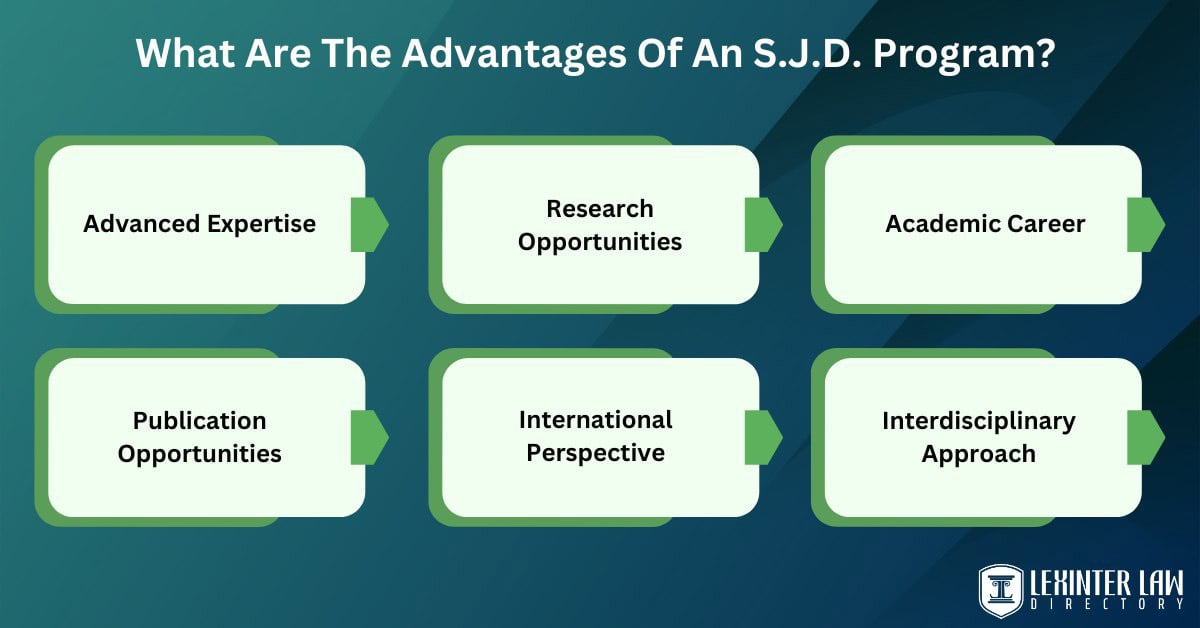
Scientiae Juridicae Doctor (SJD) / Doctor of Juridical Science: This degree is primarily for individuals who intend to pursue careers in legal academia, advanced legal research, or highly specialized policy roles. It is a research doctorate that requires candidates to produce a significant original scholarly work, typically a dissertation. The focus is on developing new legal theories, analyzing complex legal issues in depth, and contributing to the scholarly discourse in law. Admission to SJD programs is highly selective and usually requires a strong academic record and often a J.D. or its international equivalent.
Think of it this way: a J.D. prepares you to practice law, while an SJD prepares you to teach, research, and shape the future of law. While both are legal degrees, their aims and career trajectories diverge significantly.
The SJD in the Modern Professional Ecosystem: Tech, Brand, and Money
The skills and knowledge cultivated through an SJD program, while rooted in law, are increasingly relevant and applicable to the interconnected domains of technology, branding, and finance. The sophisticated analytical abilities, critical thinking, and in-depth research methodologies honed during SJD studies empower individuals to address complex challenges in these rapidly evolving sectors.
The Interplay with Technology: Law in the Digital Age
The relentless march of technological innovation presents both opportunities and profound challenges for the legal profession and society at large. An SJD graduate, with their specialized legal research capabilities, is exceptionally well-positioned to analyze and contribute to the evolving legal frameworks surrounding technology.
-
AI and Legal Innovation: As Artificial Intelligence (AI) tools become more sophisticated, they are poised to revolutionize legal practice, from contract analysis and document review to predictive justice. An SJD scholar might delve into the ethical implications of AI in law, the potential for bias in algorithmic decision-making, or the intellectual property rights associated with AI-generated content. Their research could inform the development of new regulations or ethical guidelines for AI deployment in the legal field and beyond.
-
Digital Security and Privacy: With the increasing digitalization of personal and corporate data, issues of digital security and privacy are paramount. SJD graduates can conduct deep research into data protection laws, cross-border data flows, cybersecurity regulations, and the legal ramifications of data breaches. Their work can contribute to shaping more robust legal protections for individuals and businesses in the digital realm.
-
Emerging Tech Law: From blockchain and cryptocurrencies to the metaverse and biotechnology, new technologies consistently outpace existing legal structures. SJD candidates can dedicate their doctoral research to understanding the legal nuances of these nascent fields, proposing innovative legal solutions, and contributing to the creation of frameworks that foster responsible innovation while mitigating risks. This might involve exploring the legal status of digital assets, the regulatory challenges of decentralized autonomous organizations (DAOs), or the legal implications of genetic engineering.

The ability of an SJD to engage in rigorous, theoretical, and applied research makes them invaluable in navigating the complex legal landscape shaped by technological advancements. They can offer unique insights into policy development, risk assessment, and the ethical considerations inherent in technological progress.
Branding and Reputation in a Legal Context
The concept of “brand” extends far beyond consumer products; it is increasingly critical for legal professionals, law firms, and even legal institutions themselves. An SJD’s research prowess can significantly impact how legal entities build and manage their brands and reputations.
-
Personal Branding for Legal Scholars and Practitioners: For those aspiring to academic leadership or specialized consulting roles, a strong personal brand is essential. An SJD can conduct research into effective personal branding strategies for legal professionals, exploring how to leverage expertise, build a thought leadership platform, and cultivate a distinct professional identity. This might involve analyzing the impact of academic publications, conference presentations, and online presence on professional reputation.
-
Corporate Identity and Legal Services: Law firms, like any other business, need to cultivate a strong corporate identity and a positive reputation to attract clients and talent. An SJD, equipped with an understanding of legal strategy and market dynamics, can research how to effectively communicate a firm’s values, expertise, and commitment to client service. This could involve analyzing branding case studies in the legal sector, understanding the role of design in legal marketing, or exploring the impact of client testimonials and ethical practices on reputation management.
-
Navigating Reputational Crises: In an age of instant information dissemination, legal entities are susceptible to reputational damage. SJD graduates can research best practices in crisis communication, the legal implications of negative publicity, and strategies for rebuilding trust. Their understanding of legal frameworks and public perception can inform proactive and reactive measures to protect and enhance reputation.
The analytical rigor of an SJD can bring a sophisticated understanding to the often-intangible aspects of branding and reputation, providing evidence-based insights that can drive strategic decision-making in the legal and business worlds.
Financial Acumen and Legal Strategy
The intersection of law and finance is a fertile ground for advanced legal scholarship. The complexities of financial markets, investments, and business finance necessitate a deep understanding of both legal principles and economic realities. An SJD is ideally suited to explore these intersections.
-
Financial Regulation and Compliance: The financial industry is heavily regulated. SJD graduates can conduct in-depth research into financial laws, compliance requirements, and the legal implications of financial innovation. This could include analyzing securities law, anti-money laundering (AML) regulations, or the legal frameworks governing emerging financial technologies like decentralized finance (DeFi).
-
Investing and Legal Structures: For individuals and businesses involved in investing, understanding the legal structures, risks, and opportunities is paramount. An SJD can research the legal aspects of various investment vehicles, the fiduciary duties of investment managers, and the legal protections available to investors. Their work can inform individuals and institutions on how to navigate the legal complexities of the investment landscape.
-
Online Income and Business Finance: The rise of the digital economy has created new avenues for online income and entrepreneurial ventures. An SJD can research the legal implications of these emerging business models, such as intellectual property rights for digital content creators, contract law for online service providers, or the legal requirements for setting up and operating online businesses. They can also analyze the financial structuring of these ventures from a legal perspective, ensuring compliance and mitigating risks.
-
Financial Tools and Legal Implications: As financial tools become more sophisticated and accessible, understanding their legal underpinnings is crucial. SJD scholars can examine the legal frameworks surrounding FinTech solutions, algorithmic trading platforms, or digital payment systems, ensuring that innovation is balanced with robust legal oversight.
The capacity of an SJD to dissect intricate legal and financial mechanisms makes them invaluable in advising on complex financial transactions, developing regulatory strategies, and ensuring compliance in a constantly evolving global financial system.
The Future of Legal Expertise: The SJD’s Evolving Role
While traditionally an academic pursuit, the SJD is finding increasing relevance in practical, high-level roles across various sectors. As the lines between disciplines blur and the demand for highly specialized, research-oriented legal expertise grows, the SJD graduate is poised to play a pivotal role.
Whether contributing to the ethical development of AI, shaping brand strategies for leading legal institutions, or navigating the intricate legalities of global finance, the Scientiae Juridicae Doctor offers a unique blend of deep legal knowledge, rigorous analytical skills, and a forward-thinking perspective. Understanding what an SJD is, and appreciating its multifaceted contributions, is key to recognizing the evolving landscape of advanced legal scholarship and its impact on our interconnected professional world.
aViewFromTheCave is a participant in the Amazon Services LLC Associates Program, an affiliate advertising program designed to provide a means for sites to earn advertising fees by advertising and linking to Amazon.com. Amazon, the Amazon logo, AmazonSupply, and the AmazonSupply logo are trademarks of Amazon.com, Inc. or its affiliates. As an Amazon Associate we earn affiliate commissions from qualifying purchases.