
The landscape of domestic technology has undergone a radical transformation over the last decade. While we often focus on the evolution of smartphones or the integration of artificial intelligence into our workspaces, the revolution occurring on our kitchen countertops is equally profound. At the forefront of this shift is the Instant Pot—not merely a cooking vessel, but a sophisticated, microprocessor-controlled gadget that has redefined the thermal dynamics of home meal preparation. Central to its operation is a concept that bridges the gap between mechanical engineering and software-driven automation: the Natural Release (NR).

Understanding “Natural Release” is not just about following a recipe; it is about understanding how modern sensors, pressure regulation, and thermal inertia work in tandem to create a safe, efficient, and technologically superior culinary experience.
The Engineering Behind the Instant Pot’s Pressure Regulation
The Instant Pot is a masterpiece of embedded systems. Unlike the analog pressure cookers of the mid-20th century, which relied on simple weighted valves and constant heat monitoring by a human operator, the Instant Pot utilizes a complex array of sensors to maintain a precise environment. To understand Natural Release, one must first understand how the device manages its internal atmosphere.
Understanding the Role of the Microprocessor and Pressure Sensors
Inside every Instant Pot is a dedicated microprocessor that acts as the “brain” of the unit. This chip receives constant data from a pressure sensor located at the base and a temperature sensor that monitors the heat of the inner pot. When a user selects a program, the software determines the exact amount of energy required to reach a specific PSI (pounds per square inch).
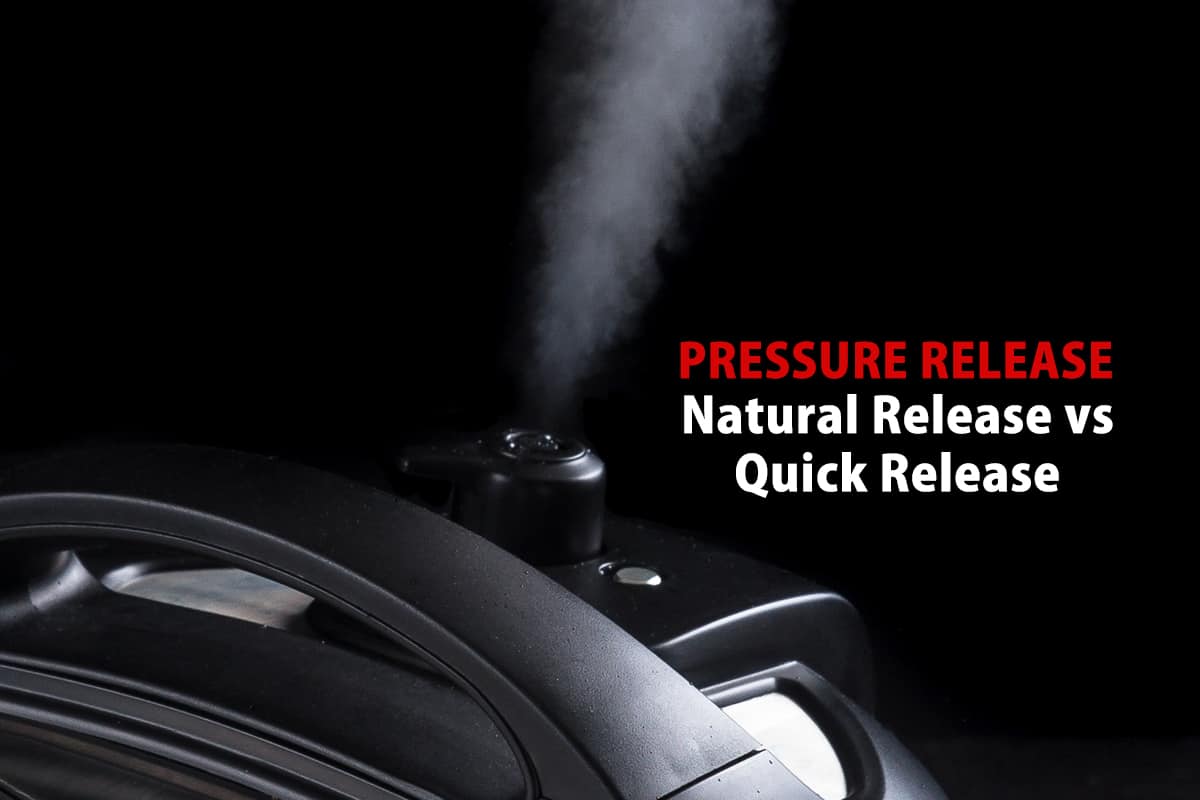
Natural Release is the phase where the microprocessor ceases to engage the heating element, allowing the internal pressure to subside through the natural dissipation of heat. From a tech perspective, this is a controlled cooling cycle. The device continues to monitor the pressure levels even after the active “cooking” timer has ended, ensuring that the lid remains locked until the internal environment returns to a safe ambient state.
The Role of Thermal Dynamics and Insulation
The Instant Pot is designed with a high degree of thermal efficiency. The outer casing is insulated to prevent heat loss, which is why the exterior remains relatively cool compared to the 240°F (115°C) environment inside. This insulation plays a critical role in the Natural Release process. Because the heat is trapped so effectively, the pressure drops slowly.
Technically, NR is an exercise in thermal inertia. The liquid inside the pot retains energy, and as it slowly cools, the steam condenses back into liquid, reducing the volume of gas and thus lowering the pressure. This gradual transition is essential for delicate mechanical components within the lid—such as the silicone gasket and the float valve—to maintain their structural integrity over hundreds of uses.
Natural Release vs. Quick Release: A Functional Comparison
In the world of high-tech gadgets, “speed” is often the most marketed feature. However, in pressure technology, speed must be balanced with precision. This is where the distinction between Natural Release and Quick Release (QR) becomes a matter of software-driven logic versus mechanical venting.
Software-Driven Heat Modulation
During a Natural Release, the Instant Pot’s software is in a “passive monitoring” mode. It counts upward, showing the user how many minutes have passed since the heat source was deactivated (often displayed as L0:05, L0:10, etc.). This allows the user to gauge the cooling curve of the device.
In contrast, Quick Release is a manual override. By shifting the steam release handle to the “Venting” position, the user creates a sudden drop in pressure. From a physics standpoint, this causes a “flash boil.” The sudden change in pressure causes the liquid inside to boil violently. For high-tech sensors, this can be a high-stress event, as it often leads to “starchy spray” which can clog the pressure sensors or the anti-block shield. Natural Release is the “gentle shutdown” of the kitchen gadget world, preventing the mechanical fatigue associated with rapid decompression.
Calculating the Cooling Curve for Optimal Results
The time it takes for a Natural Release to complete is not random; it is a variable calculated by the volume of contents and the starting temperature. A pot filled to the max line with liquid has more thermal mass and will take longer to depressurize (often 20–30 minutes) than a pot that is only a quarter full.
Advanced users of this technology treat the NR time as a secondary cooking phase. Because the temperature stays above boiling for a significant portion of the NR cycle, the microprocessor is essentially utilizing residual energy to finish the task. This is a form of energy efficiency that aligns with modern “Green Tech” standards, as it utilizes latent heat rather than drawing further electricity from the grid.

Why Natural Release is a Breakthrough for Modern Cooking Gadgets
The transition from manual pressure cookers to smart multicookers represents a major leap in consumer safety and user interface design. Natural Release is a key component of this “set it and forget it” technological philosophy.
The Evolution from Analog Pressure Cookers to Smart Appliances
Old-fashioned pressure cookers were often feared due to the risk of explosions or steam burns. The Instant Pot solved this through a “Safety-First” software architecture. Natural Release is the default safety state. If a user were to leave the house or fall asleep, the device would naturally transition into NR and then into a “Keep Warm” mode.
This automation is a hallmark of the smart home movement. The device isn’t just a tool; it’s an autonomous agent capable of managing its own hazardous states (high pressure) without human intervention. This reliability is why the Instant Pot has become a “staple gadget” in the tech-focused household, sitting alongside smart speakers and automated vacuums.
Safety Protocols and Automation in Consumer Electronics
The Natural Release process is governed by a mechanical “float valve.” This is a small metal pin that acts as a physical indicator of the internal state. Only when the pressure has dropped sufficiently will the pin drop, allowing the lid’s locking mechanism to disengage.
This is a brilliant example of fail-safe engineering. Even if the electronic sensors were to fail, the mechanical lock provides a secondary layer of protection. For tech enthusiasts, this redundancy—where digital monitoring meets physical locks—is the gold standard for consumer electronic safety.
Troubleshooting and Maintenance for High-Tech Pressure Seals
To ensure that the Natural Release function works correctly over the lifespan of the gadget, users must treat the Instant Pot like any other piece of high-precision hardware. Maintenance of the “sealing system” is paramount.
Calibrating Sensors for Precise Natural Release
If an Instant Pot is taking an unusually long time to release pressure naturally, or if it seems to lose pressure too quickly, it often points to a failure in the sealing ring (the silicone gasket). In the tech world, we might call this a “hardware leak.”
The gasket must be inspected for micro-tears or loss of elasticity. If the seal isn’t airtight, the microprocessor cannot accurately maintain the pressurized state, leading to inconsistent cooking results. Furthermore, the “anti-block shield” (the small metal mesh under the lid) must be kept clear of debris. If this is clogged, it can interfere with the sensor’s ability to “read” the internal pressure accurately, potentially leading to a software error code (such as the dreaded “Burn” signal).
Future Innovations: IoT Integration and Remote Pressure Management
The next frontier for Natural Release technology is the Internet of Things (IoT). We are already seeing the release of Wi-Fi-enabled Instant Pots that allow users to monitor the Natural Release progress from a smartphone app.
Imagine a scenario where the device sends a push notification to your smartwatch the moment the float valve drops, or where you can remotely trigger a “Pulse Release”—a middle ground between NR and QR where the machine vent’s steam in short bursts via an electronic solenoid. This integration of mobile software and heavy-duty kitchen hardware is the future of the industry. As AI continues to integrate into home appliances, we may soon see “Adaptive Release” cycles where the machine uses machine learning to determine the exact second the pressure is low enough to open, based on the specific density of the food inside.
Conclusion: The Quiet Sophistication of Passive Cooling
The “Natural Release” might seem like a simple waiting period, but it is actually the most sophisticated phase of the Instant Pot’s operation. It represents a perfect harmony between thermal physics, mechanical safety features, and microprocessor logic. By allowing the device to cool on its own terms, users are leveraging the inherent efficiency of the gadget’s design, ensuring better longevity for the hardware and a more consistent result for the “end-user.”
In an era where we demand speed and instant gratification from our technology, the Natural Release serves as a reminder that sometimes, the most effective “feature” a gadget can offer is the intelligence to slow down, monitor its own environment, and finish the job with quiet, automated precision. Whether you are a casual cook or a tech enthusiast, mastering the NR is your first step into the wider world of smart-home engineering.
aViewFromTheCave is a participant in the Amazon Services LLC Associates Program, an affiliate advertising program designed to provide a means for sites to earn advertising fees by advertising and linking to Amazon.com. Amazon, the Amazon logo, AmazonSupply, and the AmazonSupply logo are trademarks of Amazon.com, Inc. or its affiliates. As an Amazon Associate we earn affiliate commissions from qualifying purchases.