
The term “intergovernmental agreement” might sound like dry political jargon, confined to the hushed halls of diplomacy and international law. However, its implications ripple far beyond those traditional spheres, deeply influencing the very fabric of the technology we use, the brands we trust, and the financial systems we navigate. In an increasingly interconnected world, understanding intergovernmental agreements is crucial for anyone looking to thrive in the digital age, whether as a consumer, a business owner, or a professional navigating the evolving landscape of tech, brand, and money.
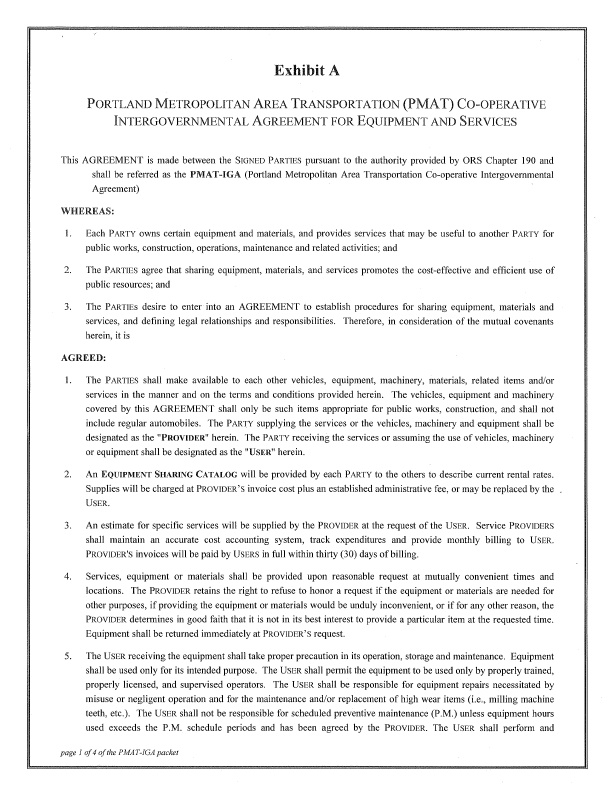
At its core, an intergovernmental agreement (IGA) is a formal pact or treaty between two or more governments. These agreements can span a vast array of subjects, from trade and security to environmental protection and the regulation of emerging technologies. While often associated with nation-states, IGAs can also involve sub-national entities like states, provinces, or even cities, depending on the governing structures involved. What makes an IGA distinct is its legally binding nature, establishing obligations and frameworks that all signatory governments must adhere to. This legal foundation provides a crucial layer of predictability and stability in complex cross-border interactions.
The relevance of IGAs to our chosen domains – Tech, Brand, and Money – becomes apparent when we consider how these sectors operate on a global scale. Technology, for instance, doesn’t respect national borders. Software developed in one country is used in another; data flows across continents instantaneously; and artificial intelligence, a rapidly advancing field, requires global collaboration and ethical guidelines. Similarly, brands often aspire to global recognition and operation, necessitating a consistent understanding of regulations and consumer protection across diverse markets. And in the realm of money, financial systems are inherently international, with digital currencies, cross-border investments, and global payment networks all requiring robust regulatory frameworks.
Therefore, understanding what an intergovernmental agreement is becomes less about deciphering obscure treaties and more about grasping the foundational rules that govern how these critical global sectors interact and evolve.
The Intergovernmental Blueprint for Technological Advancement and Governance
The rapid evolution of technology presents both immense opportunities and significant challenges. IGAs play a pivotal role in shaping how these technologies are developed, deployed, and regulated, directly impacting the tech landscape we experience daily.
Setting the Standards for a Connected World
From the internet’s infrastructure to the protocols that govern data exchange, intergovernmental cooperation has been instrumental in establishing the foundational standards that enable our digital lives. Agreements on spectrum allocation for wireless communication, for instance, ensure that devices can communicate effectively across borders, preventing interference and promoting seamless connectivity. This seemingly technical detail is the result of complex negotiations and agreements between governments to manage a finite global resource.
Furthermore, as new technologies emerge, IGAs are crucial for developing shared frameworks for their responsible use. Consider the burgeoning field of Artificial Intelligence (AI). Governments are increasingly engaging in discussions and forging agreements to establish ethical guidelines, data privacy standards, and principles for AI development. These agreements aim to foster innovation while mitigating risks such as bias, job displacement, and autonomous weapons. Without such collaborative efforts, the development of AI could become a fragmented and potentially dangerous free-for-all, with vastly different ethical considerations and regulatory approaches adopted by individual nations.
Data Sovereignty and Digital Security: A Global Balancing Act
The digital economy is fueled by data, and the flow of this data across international borders is a constant point of contention and negotiation. Intergovernmental agreements are essential for defining rules around data sovereignty, data localization, and data privacy. Countries often seek to protect their citizens’ data and ensure it is subject to their own legal frameworks, leading to agreements that dictate how data can be transferred and processed internationally.
This is particularly relevant to digital security. Cyber threats are inherently global, and effective defense requires international cooperation. IGAs facilitate the exchange of threat intelligence, joint cybercrime investigations, and the establishment of mutual legal assistance treaties to prosecute offenders. Without these agreements, it would be exceedingly difficult to track and apprehend cybercriminals operating across different jurisdictions. Moreover, agreements on cybersecurity standards for critical infrastructure, such as power grids and financial systems, are vital for ensuring global stability and resilience against sophisticated attacks.
Navigating Emerging Technologies: From Space to Quantum Computing
The impact of IGAs extends to even the most cutting-edge technological frontiers. The exploration and use of space, for example, are governed by a complex web of international treaties, such as the Outer Space Treaty. These agreements address issues like the non-appropriation of celestial bodies, the responsibility for damage caused by space objects, and the peaceful use of outer space. As private companies increasingly engage in space exploration and satellite deployment, IGAs are crucial for ensuring that this activity remains safe, sustainable, and beneficial to all nations.
Looking ahead, emerging fields like quantum computing and advanced biotechnologies will also necessitate international collaboration and agreement. The potential societal impact of these technologies is profound, and IGAs will be vital for establishing ethical boundaries, ensuring equitable access to their benefits, and managing potential risks. The development of these technologies is a global endeavor, and intergovernmental agreements provide the framework for coordinated progress.
Crafting Global Brands: The Influence of Intergovernmental Agreements on Identity and Marketing
The world of branding is inherently about perception, trust, and connection. For brands aspiring to operate on a global scale, navigating diverse cultural landscapes and regulatory environments is paramount. Intergovernmental agreements, while not directly about brand building, create the overarching conditions and constraints within which brands must operate, significantly influencing their strategies, marketing efforts, and overall reputation.
Harmonizing Regulations for Fair Competition and Consumer Protection
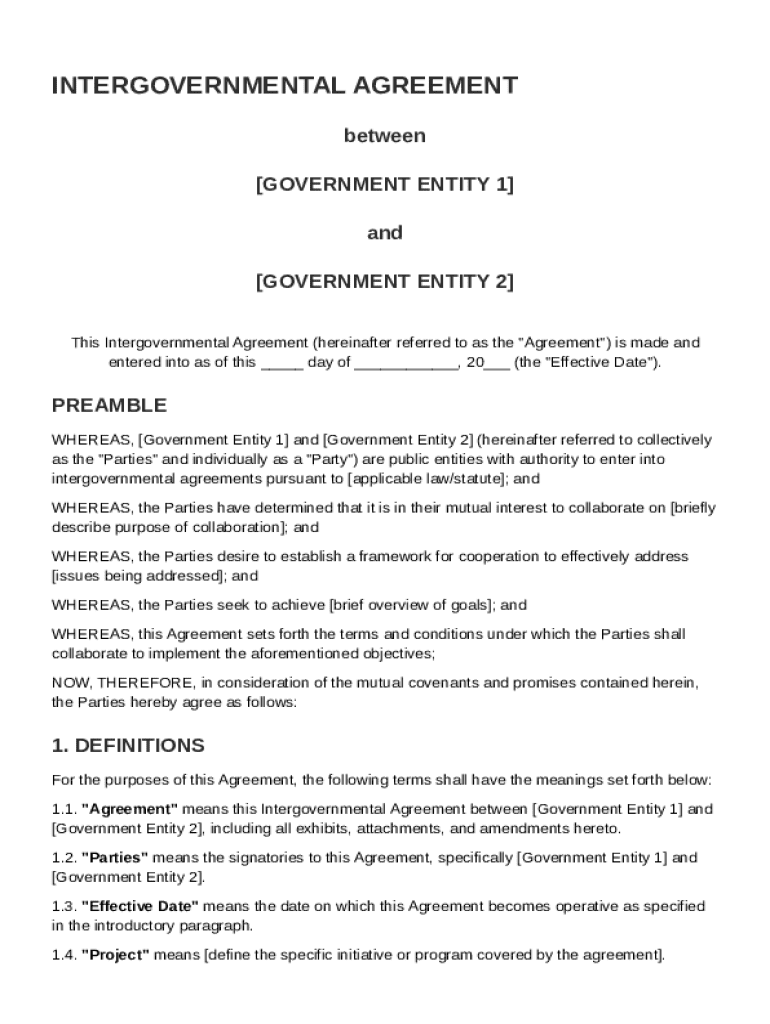
In the global marketplace, inconsistent regulations can create significant hurdles for brands. Intergovernmental agreements often aim to harmonize standards related to product safety, labeling, advertising, and intellectual property rights. For instance, agreements on intellectual property, such as the TRIPS Agreement (Trade-Related Aspects of Intellectual Property Rights), provide a framework for protecting trademarks, copyrights, and patents across member countries. This is fundamental for brands seeking to safeguard their identity and prevent counterfeiting or infringement.
Moreover, agreements on consumer protection and fair trade practices ensure a level playing field for businesses and safeguard consumers from deceptive or harmful products. When governments agree on common standards for food safety, pharmaceuticals, or environmental claims, it simplifies compliance for multinational corporations and builds trust among consumers who can expect a certain level of quality and safety regardless of where they purchase a product. This harmonization reduces complexity and allows brands to focus on their core mission of connecting with their target audience.
Navigating Trade Agreements and Market Access
Trade agreements, a common form of intergovernmental agreement, directly impact how brands can enter and operate in foreign markets. These agreements can liberalize trade by reducing tariffs and non-tariff barriers, making it easier and more cost-effective for brands to export their products and services. Conversely, trade disputes or protectionist policies, often stemming from a lack of agreement or the breakdown of existing ones, can create significant challenges for brands seeking market access.
For brands that rely on global supply chains, intergovernmental agreements concerning customs procedures, logistics, and the movement of goods are also critical. Streamlined customs processes and predictable trade flows allow brands to manage their operations efficiently and deliver products to consumers reliably. The stability and predictability fostered by these agreements are essential for long-term brand planning and investment.
Building Reputation in a Globalized World: Trust and Transparency
The reputation of a brand is built on trust. In an era of instant information, consumer sentiment can be influenced by a brand’s perceived adherence to ethical practices and legal compliance. Intergovernmental agreements that promote transparency, fair labor practices, and environmental sustainability can indirectly contribute to a brand’s positive reputation. Brands that align their practices with internationally recognized standards, often shaped by these agreements, can resonate more strongly with consumers who value corporate social responsibility.
Conversely, a brand’s association with a country or region that is subject to international sanctions or has a poor record on human rights or environmental issues can pose significant reputational risks. Therefore, understanding the geopolitical landscape shaped by IGAs is crucial for a brand’s long-term strategic positioning and its ability to cultivate a positive and trusted global identity.
The Financial Fabric of the Digital Age: Intergovernmental Agreements and the World of Money
The financial sector is perhaps the most inherently globalized of all. From international investments and currency exchange to the rise of digital currencies and cross-border payment systems, money flows without borders, creating a complex ecosystem that relies heavily on intergovernmental cooperation for stability and integrity.
Regulating the Global Financial System: Preventing Crises and Ensuring Stability
Intergovernmental agreements have been instrumental in establishing the architecture of the global financial system. Bodies like the International Monetary Fund (IMF) and the World Bank, while international organizations, are founded on agreements between governments. These institutions play a crucial role in promoting monetary cooperation, facilitating international trade, and providing financial assistance to countries facing economic difficulties. Their actions, guided by agreements among member states, have a profound impact on global financial stability.
Furthermore, agreements on financial regulation, such as those facilitated by the Financial Stability Board (FSB), aim to prevent systemic risk and address issues like money laundering and terrorist financing. These agreements set standards for capital adequacy for banks, oversight of financial markets, and the regulation of shadow banking entities. For individuals and businesses involved in personal finance, investing, or business finance, these regulatory frameworks provide a degree of security and predictability, reducing the likelihood of widespread financial crises that could erode savings and disrupt economic activity.
The Rise of Digital Currencies and the Need for Global Frameworks
The advent of cryptocurrencies and the potential for central bank digital currencies (CBDCs) presents a new frontier for intergovernmental agreements. As digital assets transcend national borders with unprecedented speed, governments are grappling with how to regulate them. This involves discussions on taxation, consumer protection, anti-money laundering (AML), and countering the financing of terrorism (CFT) for cryptocurrencies.
Intergovernmental agreements will be crucial in establishing a common understanding and approach to digital currency regulation. Without coordination, a patchwork of conflicting regulations could stifle innovation, create arbitrage opportunities for illicit actors, and undermine the stability of national currencies. Agreements on the interoperability of CBDCs and the regulatory treatment of private digital assets will shape the future of finance, impacting everything from online income streams and side hustles to large-scale business finance.

Facilitating Cross-Border Transactions and the Future of Payments
For individuals and businesses alike, the ease and cost of cross-border transactions are directly influenced by intergovernmental agreements. Agreements on payment system interoperability, correspondent banking relationships, and the reduction of remittance fees can significantly impact personal finance and international business operations. As digital payment platforms become more prevalent, IGAs will likely play a role in setting standards for data security, consumer protection, and fraud prevention in these systems.
The future of payments is increasingly digital and global. Intergovernmental agreements will be essential for fostering innovation while ensuring the integrity and security of these new payment rails. This will impact how individuals manage their online income, how businesses conduct international trade, and the overall efficiency of the global financial ecosystem.
In conclusion, while the term “intergovernmental agreement” may initially seem distant from the immediate concerns of tech trends, brand strategy, or personal finance, its influence is pervasive and foundational. These agreements form the underlying legal and regulatory architecture that shapes the digital world, influences brand perceptions, and underpins the global financial system. As these domains continue to evolve at an unprecedented pace, the role of intergovernmental agreements in fostering cooperation, setting standards, and ensuring a stable and equitable future will only become more critical. Understanding their significance is no longer a matter of academic interest but a practical necessity for navigating the complexities of the 21st century.
aViewFromTheCave is a participant in the Amazon Services LLC Associates Program, an affiliate advertising program designed to provide a means for sites to earn advertising fees by advertising and linking to Amazon.com. Amazon, the Amazon logo, AmazonSupply, and the AmazonSupply logo are trademarks of Amazon.com, Inc. or its affiliates. As an Amazon Associate we earn affiliate commissions from qualifying purchases.