
In the modern marketplace, a brand is no longer defined solely by its logo, its color palette, or its catchy slogans. Instead, a brand is a living breathing entity, personified by the individuals who represent it. When we ask, “What is employee development?” through the lens of brand strategy, we are not merely discussing HR checkboxes or basic job training. We are discussing the deliberate cultivation of human capital to align with a corporate identity. Employee development is the strategic process of enhancing an individual’s skills, knowledge, and perspectives to ensure that the internal culture of a company remains as sophisticated and robust as the external image it projects to the world.

The Internal Brand: Why Employee Development is the Heart of Corporate Identity
The most successful brands in the world understand that their external reputation is a reflection of their internal reality. If a brand promises innovation, but its employees are stagnant, the brand is in a state of cognitive dissonance. Employee development serves as the bridge between what a brand says it is and what it actually produces.
Aligning Individual Growth with Brand Values
Every organization operates on a set of core values. For a brand to remain authentic, those values must be practiced daily. Employee development programs should be designed to reinforce these values. For instance, if a brand prides itself on “Customer Obsession,” its development programs shouldn’t just focus on technical software skills; they should focus on empathy, proactive problem-solving, and communication. By aligning personal growth tracks with organizational values, companies ensure that as the employee evolves, they become a more potent embodiment of the brand itself.
The Psychology of the Brand Ambassador
Every employee is a brand ambassador, whether they are in a client-facing role or a back-end technical position. When an organization invests in an individual’s growth, it fosters a sense of psychological ownership. Development is a signal of value; it tells the employee that they are worth the investment. This investment transforms an “employee” into a “brand steward.” A steward doesn’t just work for a paycheck; they work to uphold the integrity of the brand because their personal identity has become intertwined with the professional excellence the brand represents.
Building an Employer Brand through Continuous Learning
In the current “war for talent,” a company’s brand is evaluated by potential hires just as much as by potential customers. This is known as the Employer Brand. When a company prioritizes employee development, it creates a “Value Proposition” that extends beyond salary. It offers a path to self-actualization, which is the ultimate currency for high-tier talent.
Attracting Top Talent via Educational Value Propositions
Top-tier professionals are rarely looking for a stagnant role. They are looking for environments that serve as accelerators for their careers. By positioning employee development as a cornerstone of the brand, companies attract “A-players” who are motivated by learning. This creates a virtuous cycle: the brand attracts better talent because it offers growth, and the talent, in turn, makes the brand more innovative and competitive. In this context, “What is employee development?” becomes a marketing question: “What does our company offer to the life of the person who joins us?”
Retention as a Metric of Brand Health
High turnover is a brand killer. It signals instability, poor culture, and a lack of vision. Conversely, high retention rates—powered by robust development programs—signal a healthy, thriving brand. When employees stay because they are being mentored, upskilled, and promoted, the brand retains its institutional knowledge. This stability allows for a more consistent brand experience for the customer. A brand that invests in its people is a brand that is built to last, signaling to the market that it has the maturity and resources to nurture its most important assets.
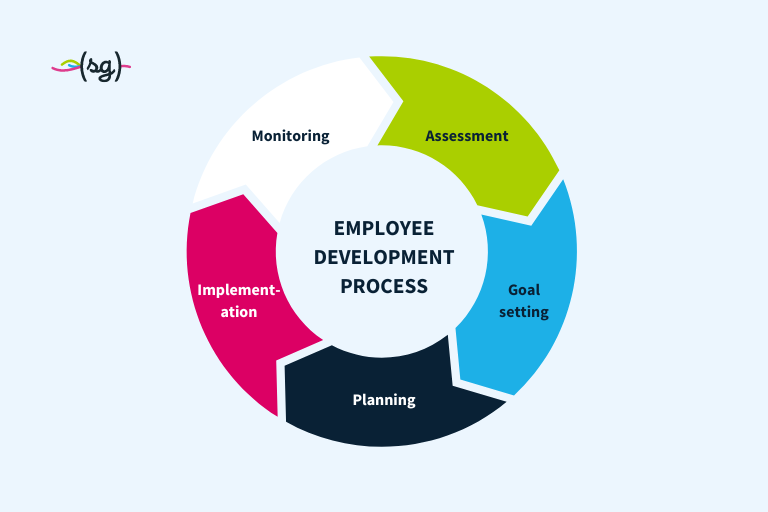
The Strategic Framework for Brand-Centric Development
To be effective, employee development cannot be haphazard. It must be a strategic pillar of the business model, designed with the same rigor as a marketing campaign or a product launch.
Identifying Skill Gaps that Hinder Brand Performance
A brand is only as strong as its weakest link. If a luxury brand’s support staff lacks sophisticated communication skills, the brand’s “premium” status is compromised. Strategic development begins with a “Brand-Skill Audit.” This involves identifying the specific competencies required to deliver on the brand’s promise. If the brand’s identity is “cutting-edge,” then the development framework must prioritize emerging trends and disruptive thinking. By closing the gap between current employee capabilities and the brand’s future aspirations, the company ensures its identity remains relevant.

Designing Mentorship Programs that Reflect Company Culture
Mentorship is the most direct way to transmit “Brand DNA” from one generation of workers to the next. Unlike formal classroom training, mentorship allows for the nuance of brand culture—the “how we do things here”—to be shared. A well-structured mentorship program ensures that the brand’s history, its unique approach to problem-solving, and its specific aesthetic or ethical standards are preserved. This is cultural safeguarding. It ensures that as the brand grows and scales, its core identity remains diluted by the influx of new personnel.
External Impact: How Internal Development Enhances Customer Perception
Ultimately, the goal of any brand strategy is to influence how the market perceives the company. While advertising can tell a story, it is the employees who deliver the reality. Employee development is the engine that ensures the reality matches the story.
Consistency in Service and Brand Promise
A brand promise is a debt that the company owes to the customer. To pay that debt consistently, employees must be equipped with the tools to perform at a high level. When a customer interacts with a brand—whether through a salesperson, a developer, or a technician—they expect a consistent level of quality. Development programs standardize this quality. They ensure that the “brand voice” is consistent across all touchpoints. When employees are highly developed, they make fewer errors, offer more creative solutions, and provide a seamless experience that reinforces the brand’s reliability.
Storytelling: Leveraging Employee Growth in Marketing
In the age of social media and transparency, the “behind the scenes” of a company is a powerful branding tool. Modern consumers want to buy from companies that treat their people well. Sharing stories of employee growth, internal promotions, and skill mastery is a highly effective form of content marketing. It humanizes the brand. When a company can showcase that its lead designer started as an intern and was developed into a leader, it tells a story of loyalty, excellence, and human investment. This builds “Brand Equity” by showing that the company isn’t just a profit-making machine, but a community that fosters human potential.
Conclusion: The Long-Term ROI of a Developed Workforce
In conclusion, when we define “what is employee development,” we must view it as the ultimate investment in the brand’s future. It is not an expense to be minimized, but a strategy to be maximized. A brand that fails to develop its employees is a brand that has accepted its own obsolescence.
By focusing on the internal brand, building a strong employer value proposition, and strategically aligning skills with brand values, organizations create a powerful synergy. This synergy results in a workforce that is not only capable but also deeply committed to the brand’s success. In a world where products can be easily replicated and technology can be outsourced, the unique combination of skilled, brand-aligned individuals is the only true competitive advantage. Employee development is the process of building that advantage, one person at a time, ensuring that the brand remains as vibrant and impactful on the inside as it appears on the outside.
aViewFromTheCave is a participant in the Amazon Services LLC Associates Program, an affiliate advertising program designed to provide a means for sites to earn advertising fees by advertising and linking to Amazon.com. Amazon, the Amazon logo, AmazonSupply, and the AmazonSupply logo are trademarks of Amazon.com, Inc. or its affiliates. As an Amazon Associate we earn affiliate commissions from qualifying purchases.