
In the landscape of modern infrastructure and smart home development, the term “electric heat” has evolved from a simple description of a baseboard heater to a sophisticated category of high-tech climate control. As the world pivots away from fossil fuels, the technology behind electric heating has become a focal point for engineers, software developers, and sustainability tech experts. To understand electric heat in a modern context is to understand the intersection of thermodynamics, semiconductor advancement, and the Internet of Things (IoT).
At its core, electric heat refers to any system that converts electrical energy into thermal energy for the purpose of space or water heating. However, the “how” and “why” of this conversion have undergone a digital revolution. This article explores the technological architecture of electric heating, the software-driven efficiencies that make it viable, and its role in the global electrification trend.
The Mechanics of Electric Heating: From Resistance to Thermodynamic Transfer
To appreciate the current state of electric heating technology, one must distinguish between the two primary methods of conversion: resistance and heat transfer. While both use electricity as their primary fuel source, the engineering behind them represents different eras of technological development.
Electric Resistance Heating: The Joule Effect
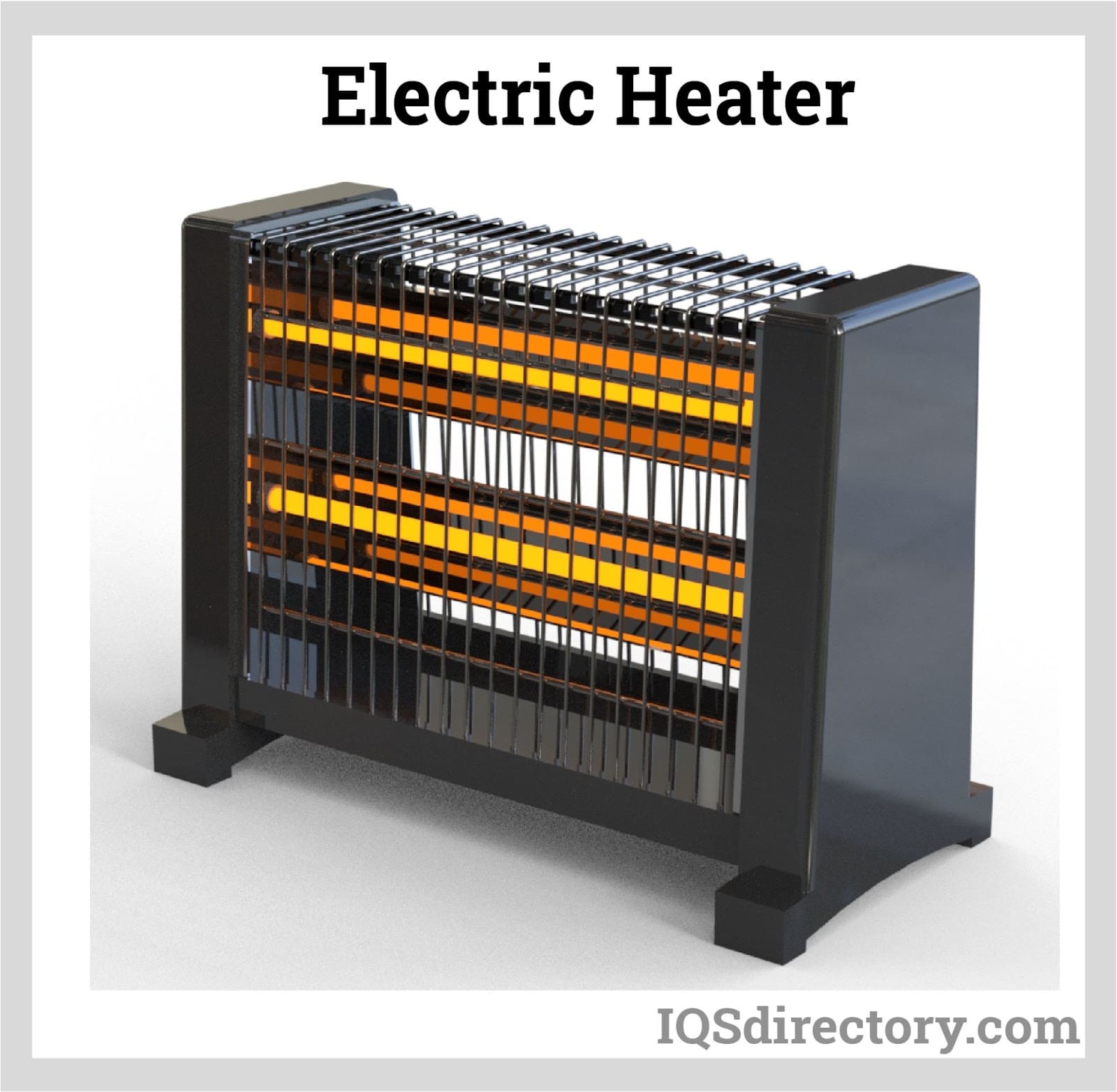
Traditional electric heating relies on Joule heating (also known as ohmic heating). When an electric current passes through a conductor with high resistance, such as a nichrome wire, the kinetic energy of the electrons is converted into thermal energy. This technology is 100% efficient at the point of use, meaning every watt of electricity consumed is converted into a watt of heat. While technologically simple, the hardware has been refined through the use of ceramic cores and high-density thermal fluids that allow for better heat retention and “thermal mass” management, preventing the rapid cooling cycles common in older gadgets.
Heat Pump Technology: The Efficiency Force Multiplier
The most significant “tech trend” in the heating sector is the Air Source Heat Pump (ASHP) and Ground Source Heat Pump (GSHP). Unlike resistance heating, these systems do not create heat; they move it. Using a refrigerant cycle, a compressor, and sophisticated valving, heat pumps extract ambient heat from the outside air or the ground—even in sub-zero temperatures—and concentrate it for indoor use.
From a tech perspective, modern heat pumps utilize “Inverter Technology.” Older systems were either “on” or “off,” leading to massive energy spikes. Modern inverters use variable-frequency drives (VFDs) to control the speed of the motor and compressor, allowing the system to run at 10% or 100% capacity depending on the real-time data provided by internal sensors. This results in efficiencies of 300% to 400%, a feat previously thought impossible in legacy HVAC engineering.
The Evolution of Electric Boilers and Hydronics
In the realm of large-scale tech installations and modern smart homes, electric hydronic heating is making a comeback. Modern electric boilers are now compact, wall-mounted units equipped with solid-state relays. Unlike mechanical contactors that click and wear out, solid-state electronics allow for silent operation and precise modulation of the heating elements, ensuring that the water temperature is maintained with a granularity of a fraction of a degree.
The Intersection of Heating and the Internet of Things (IoT)
Electric heat is uniquely suited for digital integration. Unlike gas or oil systems, which require complex mechanical valves and combustion monitoring, electric systems are essentially “digital native.” This has allowed for a deep integration with smart home ecosystems and software-driven management.
Smart Thermostats and Learning Algorithms
The “brain” of a modern electric heating system is no longer a bimetallic strip on a wall. It is a powerful microcomputer. Companies like Google (Nest) and Ecobee have pioneered the use of machine learning to optimize heating schedules. These devices analyze “time-to-temperature” data—calculating exactly how long it takes for a specific room to heat up based on outdoor weather data pulled from the cloud. By processing these variables, the software can pre-heat a home using the most efficient power ramp-up, reducing the strain on the electrical grid and the hardware itself.
Zonal Control and Sensor Networks
One of the greatest technological advantages of electric heat is its modularity. In a traditional forced-air gas system, it is difficult to heat one room without heating the whole house. Electric systems, particularly infrared panels or electric underfloor mats, allow for granular “zonal control.”
Using a network of Zigbee or Z-Wave sensors, a central hub can detect occupancy. If a room is empty, the software lowers the set point for that specific zone. This “Software-Defined Heating” approach ensures that energy is only deployed where it is needed, mimicking the way a modern computer manages CPU cycles or how a cloud server scales instances based on traffic.
Mobile Integration and Remote Management
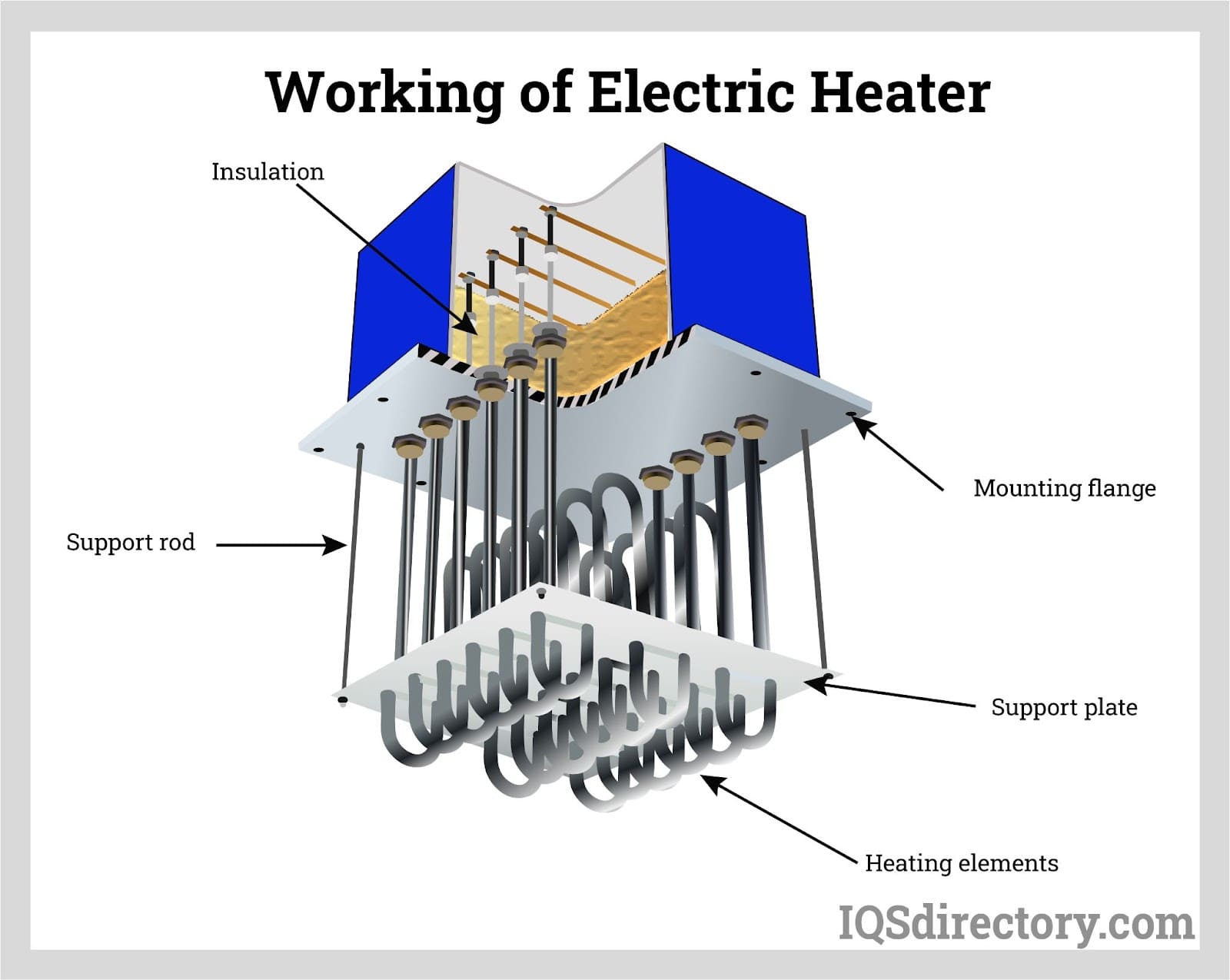
The “App-ification” of heating has transformed user interaction. Through APIs and dedicated mobile applications, users can monitor their heating system’s health in real-time. Diagnostics that once required a technician to open a panel can now be performed via a smartphone. If a heating element in a multi-stage electric furnace fails, the system can send a push notification to the user and the manufacturer simultaneously, facilitating a “Just-In-Time” repair protocol that minimizes downtime.
Why Electrification is the Ultimate Tech Trend in Modern Infrastructure
The shift toward electric heat is not merely a consumer preference; it is a macro-trend in “PropTech” (Property Technology) and urban planning. As cities move toward net-zero goals, the technology used to warm our buildings is being redesigned to fit into a decentralized energy grid.
The Decarbonization of Domestic Energy
The tech industry is increasingly focused on decarbonization. Electric heating is the only heating technology that becomes “cleaner” over time without any hardware upgrades. As the electrical grid incorporates more solar, wind, and nuclear power, the “carbon footprint” of an electric heater automatically drops. This makes electric heat a “future-proof” technology for developers looking to build sustainable smart cities.
Integration with Renewable Microgrids
Modern electric heating systems are being designed to act as “Thermal Batteries.” In homes equipped with solar arrays and battery storage (like the Tesla Powerwall), the heating software can be programmed to “load-shift.” When the sun is shining and the battery is full, the system can intentionally overheat a high-thermal-mass floor or a large water tank. This stores the energy as heat, which can then be released slowly throughout the night, effectively using the house itself as a secondary battery.
Longevity and Reduced Mechanical Failure
From a hardware review perspective, electric heating systems generally outperform combustion-based systems in terms of MTBF (Mean Time Between Failures). Because there is no combustion, there are no soot deposits, no heat exchangers to crack, and no complex venting systems. The transition to electric heat represents a shift from “Mechanical Engineering” dominance to “Electrical and Software Engineering” dominance in the HVAC space.
Overcoming the Efficiency Hurdle: Advances in Material Science
While the software and logic of electric heat have advanced rapidly, the hardware is also seeing a resurgence thanks to breakthroughs in material science and semiconductors.
Graphene and Nanotechnology in Heating Elements
One of the most exciting trends in electric heat is the use of graphene and carbon nanotubes. These materials are incredibly conductive and can be printed onto thin films. These “nanotech” heating elements can be hidden behind wallpaper or under flooring. They heat up almost instantly and provide far-infrared radiation, which warms objects and people directly rather than warming the air. This represents a paradigm shift in how we think about “gadgets” in the home—where the walls themselves become the technology.
Variable Speed Compressors and Inverter Tech
As mentioned previously, the “Inverter” is the unsung hero of the electric heat world. The latest generation of Gallium Nitride (GaN) semiconductors is beginning to find its way into power electronics for HVAC. GaN allows for smaller, more efficient power conversion with less heat loss in the circuitry itself. This means that the electronics controlling the heat pump are becoming just as optimized as the processors in our laptops.
The Rise of Solid-State Heat Pumps
Looking toward the future, researchers are working on solid-state heating and cooling using the “caloric effect.” By using magnetic or electric fields to change the temperature of specialized materials, we may one day have electric heat pumps with no moving parts, no refrigerants, and near-silent operation. This would be the ultimate “Tech” milestone for the industry, turning a bulky mechanical process into a silent, solid-state electronic process.

Conclusion: The Digital Future of Thermal Comfort
“Electric heat” is no longer a monolithic, “dumb” technology. It has become a sophisticated suite of hardware and software solutions that sit at the heart of the modern technological home. From the complex algorithmic logic of smart thermostats to the material science of graphene elements and the mechanical brilliance of variable-speed heat pumps, electric heat is the backbone of the sustainable tech movement.
As we continue to integrate our living spaces with AI and renewable energy microgrids, the ability to precisely control, schedule, and optimize our thermal environment through electricity will be the standard. For the tech enthusiast and the forward-thinking developer, electric heat isn’t just about staying warm—it’s about the intelligent, efficient, and clean management of energy in the digital age.
aViewFromTheCave is a participant in the Amazon Services LLC Associates Program, an affiliate advertising program designed to provide a means for sites to earn advertising fees by advertising and linking to Amazon.com. Amazon, the Amazon logo, AmazonSupply, and the AmazonSupply logo are trademarks of Amazon.com, Inc. or its affiliates. As an Amazon Associate we earn affiliate commissions from qualifying purchases.