
In the modern economic landscape, the phrase “educational requirements” has evolved far beyond a simple checklist of degrees or diplomas found at the bottom of a job description. From a financial perspective, educational requirements represent the primary gatekeeper to income brackets, wealth accumulation, and long-term fiscal stability. For the savvy professional or investor in human capital, understanding these requirements is akin to performing due diligence on a high-stakes investment. Every year spent in a classroom and every dollar spent on tuition is a capital outlay that must be weighed against its potential for future returns.
To navigate the complexities of the modern market, one must view education not merely as a pursuit of knowledge, but as a strategic financial asset. This article explores the intersection of educational requirements and personal finance, analyzing how to optimize your educational choices for maximum return on investment (ROI).
The Economics of Educational Requirements: Understanding the “Degree Premium”
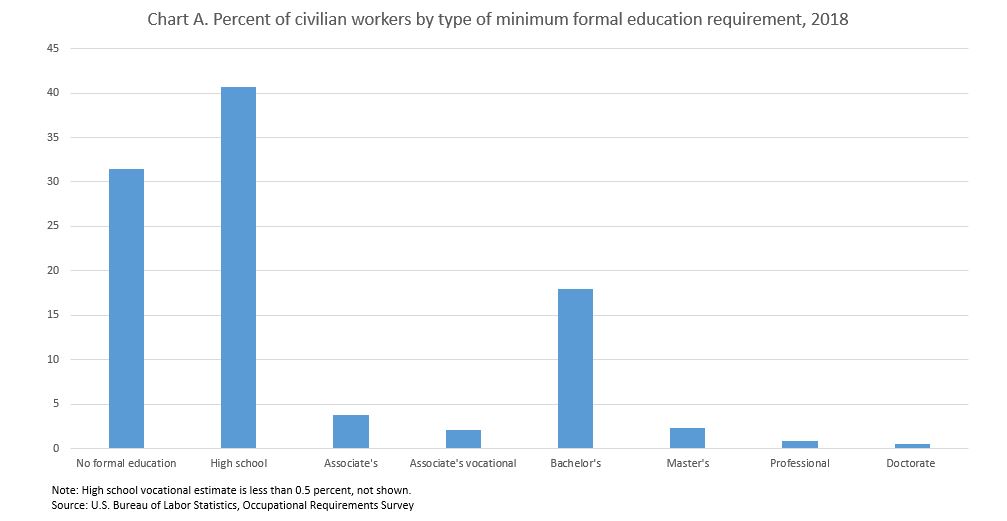
The most fundamental concept in the financial analysis of education is the “degree premium”—the additional lifetime income earned by those with higher education compared to those with a high school diploma. However, as the global economy shifts, the traditional math of the degree premium is becoming more nuanced.
Understanding the Financial Signaling of Credentials
In economic theory, educational requirements often serve as a “signal” to the market. Employers use degrees and certifications as proxies for a candidate’s discipline, cognitive ability, and specialized knowledge. From a money management perspective, obtaining a specific credential is an act of buying a signal that grants entry into higher-paying labor markets. For instance, the educational requirements for a Certified Financial Planner (CFP) or a Chartered Financial Analyst (CFA) are rigorous, but the market rewards this “signal” with a significant increase in billable rates and salary ceilings.
The Hidden Costs of Credential Inflation
One of the most pressing financial challenges today is “credential inflation.” This occurs when the educational requirements for a specific role increase without a corresponding increase in the job’s functional complexity or salary. We see entry-level administrative roles that previously required a high school diploma now demanding a Bachelor’s degree. For the individual, this represents a decreasing ROI on their education. When analyzing educational requirements, one must determine if the cost of the “required” degree is proportional to the starting salary of the target industry. If the debt-to-income ratio is skewed, the “requirement” may actually be a financial liability rather than an asset.
Strategic Investment: Higher Education vs. Specialized Certifications
When considering how to meet the educational requirements of a desired career path, the financial fork in the road is often a choice between traditional higher education and the burgeoning world of specialized certifications. Both have distinct impacts on your personal balance sheet.
Calculating the Break-Even Point of a Degree
To treat education as a financial instrument, one must calculate the break-even point. This is the moment when the cumulative extra income earned from having a degree surpasses the total cost of the degree (tuition plus the “opportunity cost” of lost wages while studying).
For high-earning fields like medicine or specialized engineering, the educational requirements are high and expensive, but the break-even point is often reached within the first decade of work. Conversely, in fields with lower salary caps, the financial requirement of a Master’s degree may never reach a positive ROI. Strategic financial planning requires choosing educational paths where the net present value (NPV) of future earnings justifies the upfront expenditure.
The Rise of Micro-Credentials and Skill-Based Education
In the digital and gig economies, the definition of “educational requirements” is shifting toward micro-credentials and specific skill-sets. For those looking to generate online income or enter the tech-heavy finance sector, a six-month intensive bootcamp or a series of professional certifications can often satisfy the market’s requirements at a fraction of the cost of a traditional four-year degree. From a money-saving perspective, these “just-in-time” educational models allow for faster entry into the workforce, lower debt levels, and the ability to start compounding wealth earlier in life.
Navigating Educational Requirements for High-Income Side Hustles
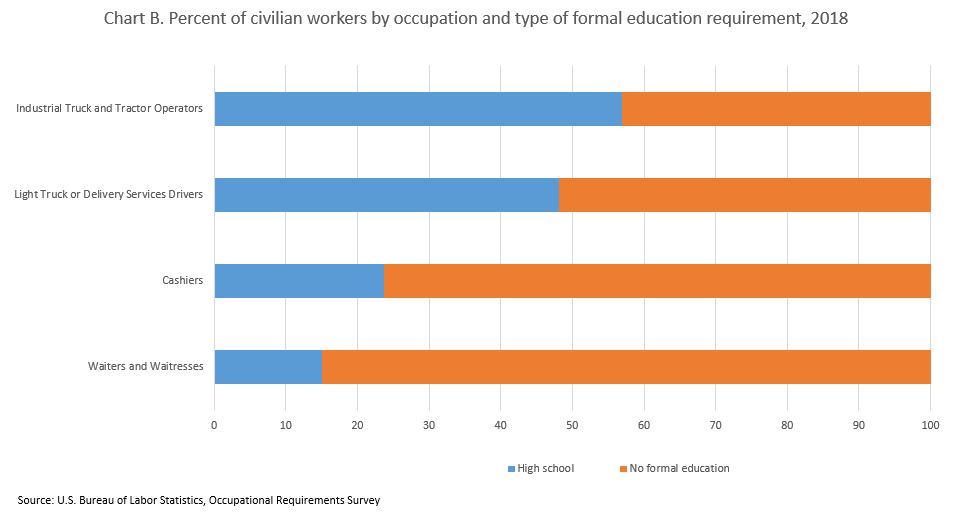
The pursuit of “online income” and “side hustles” has created a new tier of educational requirements that are often informal but highly lucrative. Understanding how to navigate these requirements can be the difference between a stagnant income and a diversified financial portfolio.
Skill-Based Education as a Personal Asset Class
When you learn a high-income skill—such as technical copywriting, digital marketing, or financial consulting—you are building an intangible asset. The educational requirements for these fields are often self-directed. However, the financial “entry fee” is your time and the cost of high-level mentorship or specialized courses.
Investors in their own skills should categorize this as “Capital Expenditure” (CapEx). By meeting the educational requirements of niche markets (for example, becoming an expert in a specific SaaS financial tool), you can command premium rates that far exceed the hourly earnings of a generalist. The goal is to identify “low-barrier, high-return” educational requirements where a small investment in learning unlocks a large market of potential clients.
Leveraging Certifications for Consulting Revenue
For professionals already in the corporate world, meeting the educational requirements for specific industry certifications can unlock “consulting” as a side hustle. A CPA (Certified Public Accountant) designation, for example, is more than just a job requirement; it is a license to sell high-value advice. By strategically meeting these requirements, you create a safety net for your primary income and open doors to diverse revenue streams that are not tied to a single employer.
Financial Planning for Continuous Educational Growth
Educational requirements are no longer a “one-and-done” milestone reached in one’s early twenties. In an era of rapid economic disruption, “upskilling” is a recurring financial necessity to prevent income stagnation.
Leveraging Corporate Tuition Assistance as “Free Money”
One of the most overlooked financial strategies is the use of corporate tuition reimbursement programs. Many companies will pay for an employee to meet the educational requirements for an MBA or specialized certification. From a personal finance standpoint, this is essentially a tax-free bonus. Utilizing these programs allows you to increase your human capital value using your employer’s capital rather than your own savings. This effectively maximizes your ROI by reducing your “out-of-pocket” investment to zero while increasing your future earning potential.
Tax-Advantaged Education Savings (529 Plans and Beyond)
For those planning for future educational requirements—whether for themselves or their children—the use of tax-advantaged vehicles like 529 plans is essential. By investing in these plans, you allow your capital to grow tax-free, provided it is used for qualified educational expenses. This financial foresight ensures that when the time comes to meet new educational requirements, the funds are available without resorting to high-interest student loans. Managing the “cost” of education through smart investing is just as important as the education itself.
Conclusion: The ROI of Knowledge
In conclusion, “educational requirements” should be viewed through the lens of a financial strategist. Whether you are pursuing a traditional degree, a specialized certification, or a self-taught skill for a side hustle, every educational choice is a financial decision.
By analyzing the degree premium, calculating the break-even point of your tuition, and strategically leveraging corporate benefits and tax-advantaged accounts, you can ensure that your pursuit of education serves your broader financial goals. In the modern economy, the most successful individuals are not necessarily those with the most degrees, but those who understand which educational requirements offer the highest return on their most precious resources: their time and their money. Education is the ultimate investment; make sure you are buying into a market that pays dividends.
aViewFromTheCave is a participant in the Amazon Services LLC Associates Program, an affiliate advertising program designed to provide a means for sites to earn advertising fees by advertising and linking to Amazon.com. Amazon, the Amazon logo, AmazonSupply, and the AmazonSupply logo are trademarks of Amazon.com, Inc. or its affiliates. As an Amazon Associate we earn affiliate commissions from qualifying purchases.