
When global investors and hospitality moguls look toward the Caribbean, Jamaica stands out not just for its cultural exports and scenic vistas, but as a complex marketplace governed by specific regulatory frameworks. Among these, the legal drinking age—set at 18—serves as a critical pivot point for the nation’s tourism, retail, and manufacturing economies. While a casual traveler might view the drinking age as a mere logistical detail of their vacation, for the business strategist, it represents a significant variable in revenue forecasting, risk management, and market positioning.
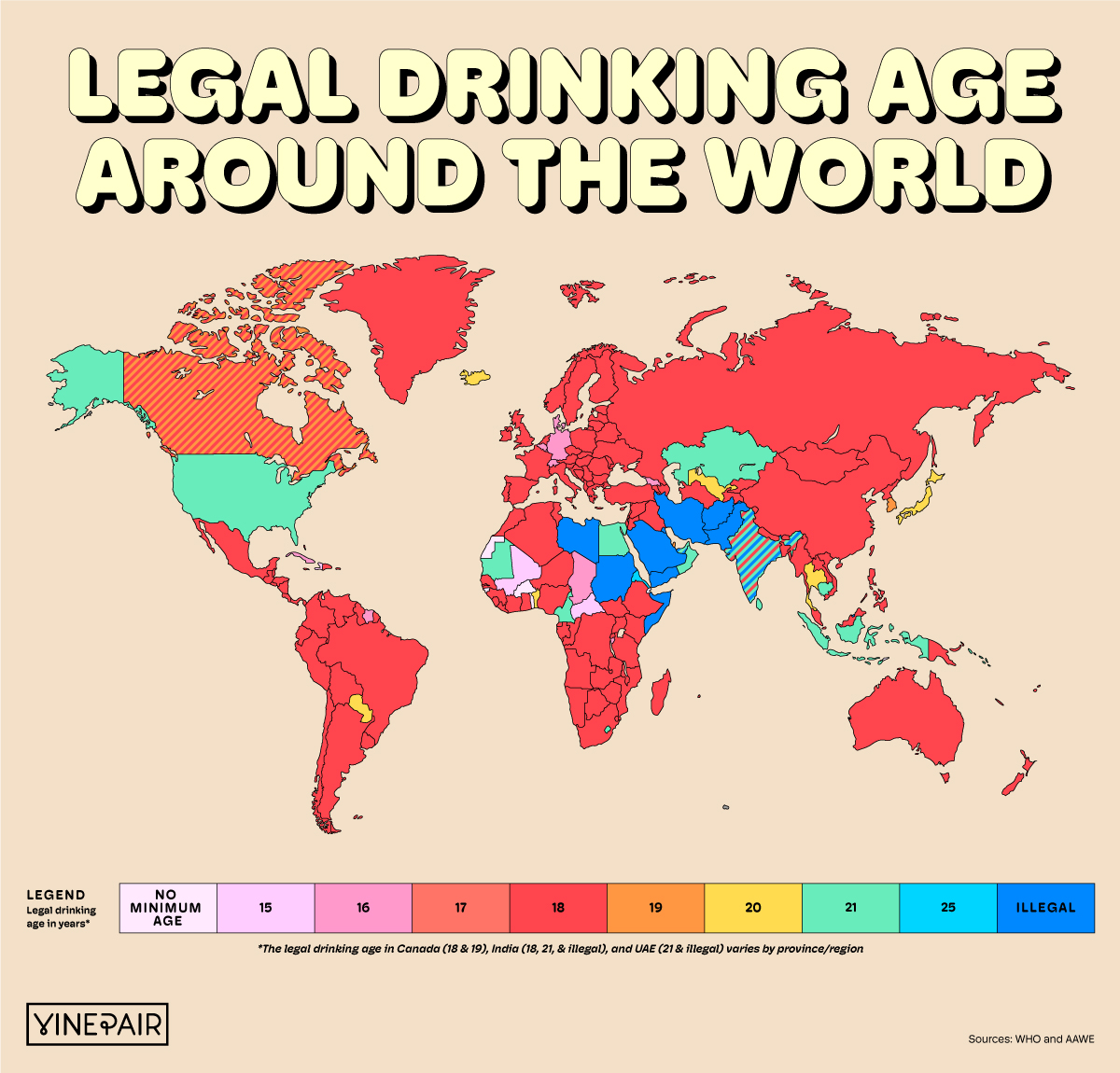
Understanding the drinking age in Jamaica through a financial lens reveals how a single regulation influences millions of dollars in annual turnover. From the macro-economic contributions of the spirits industry to the micro-economic challenges of compliance for small business owners, the legal age for alcohol consumption is a cornerstone of the Jamaican financial landscape.
The Macro-Economic Contribution of the Beverage Sector to Jamaica’s GDP
The beverage industry, specifically the production and sale of rum and spirits, is one of the pillars of the Jamaican economy. The regulation of this industry, starting with the age of the consumer, dictates the size and velocity of the domestic market.
The Financial Power of Jamaican Rum and Global Exports
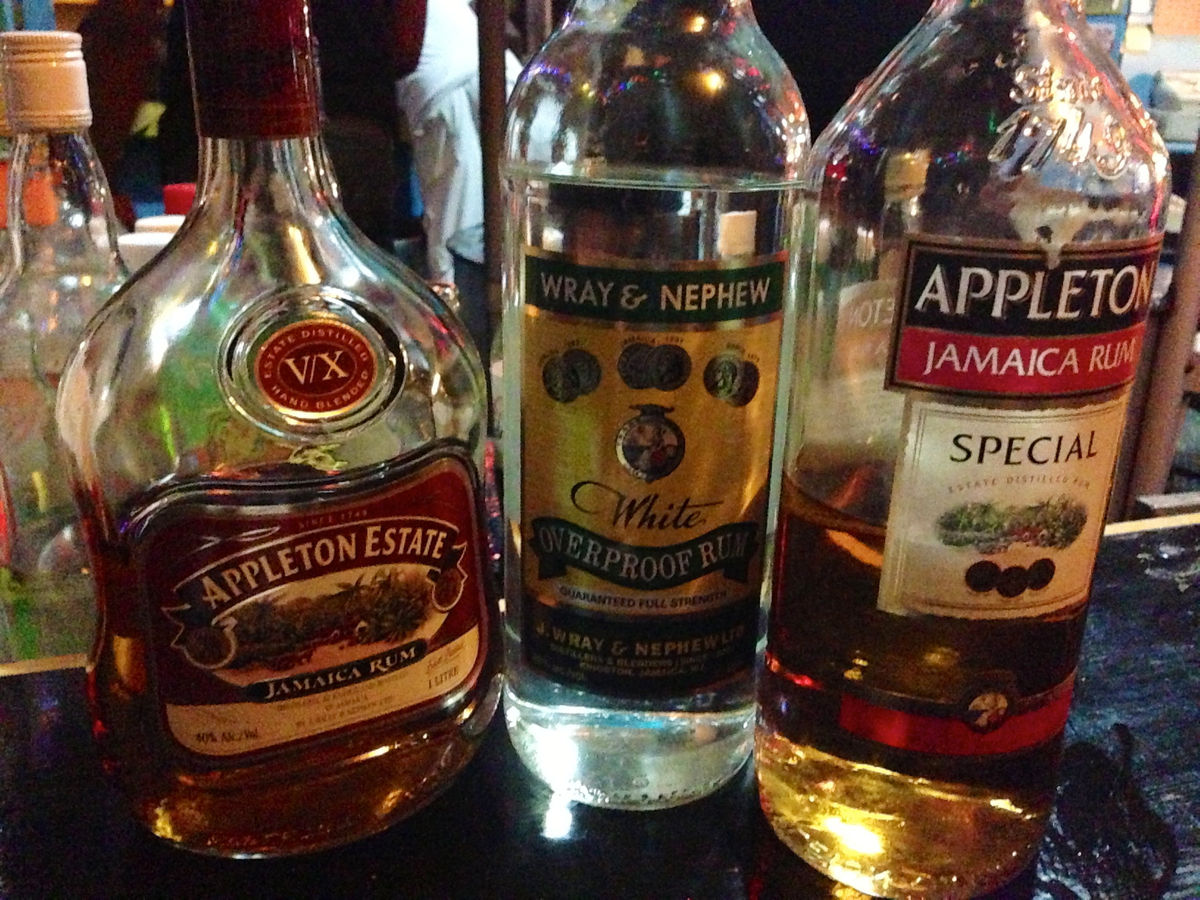
Jamaica is home to some of the world’s most prestigious spirits brands, such as J. Wray & Nephew and Appleton Estate. These brands are not merely cultural icons; they are high-performing financial assets. The export of Jamaican rum contributes significantly to the national foreign exchange reserves. However, the domestic market remains a vital testing ground for new products. With a legal drinking age of 18, the “addressable market” in Jamaica is broader than in North American jurisdictions like the United States. This allows for a more robust local consumption base, which provides the liquid capital necessary for these brands to scale their global operations.
Tax Revenue and Excise Duties: Funding the Public Purse
From a fiscal perspective, the sale of alcohol is a primary source of tax revenue for the Jamaican government. Through General Consumption Tax (GCT) and specific excise duties, every bottle of Red Stripe or Jamaican rum sold contributes to the national budget. The 18+ demographic represents a significant segment of the purchasing population. Financial analysts note that the lower drinking age compared to the U.S. creates a larger legal consumer base, thereby maximizing the “sin tax” collection that funds infrastructure, healthcare, and education across the island.
Demographic Regulations and the Tourism Revenue Multiplier
Tourism is Jamaica’s primary economic engine, and the legal drinking age plays a sophisticated role in how the country competes for international travel dollars. This regulation acts as a competitive advantage in the global tourism marketplace.
The 18+ Rule: A Competitive Advantage in the Hospitality Market
Jamaica often competes with other Caribbean destinations and Mexico for the lucrative “young adult” and “Spring Break” demographics. By maintaining a legal drinking age of 18, Jamaica positions itself as a more accessible destination for European, Canadian, and Latin American travelers who are accustomed to lower age restrictions. This translates directly into higher occupancy rates for resorts and increased “on-property” spending. When a resort can legally serve a 19-year-old traveler, the potential for ancillary revenue—ranging from poolside cocktails to high-end dining experiences—increases exponentially.
All-Inclusive Models and Profit Margin Optimization
In the all-inclusive resort sector, which dominates the Jamaican North Coast, the drinking age is a vital factor in actuarial modeling. Resorts must calculate the “cost of goods sold” (COGS) against the “per-guest revenue.” The inclusion of 18-to-20-year-olds in the legal drinking category allows these businesses to market comprehensive luxury packages that appeal to multi-generational families. From a business finance perspective, this broadens the customer acquisition funnel, allowing resorts to maintain higher price points and better margins by catering to a wider legal demographic.
Financial Risk Management and the Cost of Compliance
For business owners in Jamaica—from the “cool spots” in Kingston to the high-end bars in Montego Bay—the drinking age is a matter of strict financial liability. The “Cost of Quality” in the hospitality industry includes the cost of ensuring every transaction is legal.
The High Stakes of Non-Compliance: Fines and Forfeiture
The Jamaican Spirit Licence Act governs how businesses must operate. Non-compliance—specifically serving alcohol to someone under 18—carries heavy financial penalties. Beyond immediate fines, the ultimate financial risk is the revocation of the liquor license. For a restaurant or bar, the loss of a license is often a terminal event for the business, leading to a total loss of investment and asset liquidation. Professional financial planning for Jamaican hospitality businesses always includes a robust allocation for staff training and identity verification technology to mitigate these existential risks.
Insurance Premiums and Liability Coverage
In the realm of corporate finance, liability insurance is a non-negotiable expense. Insurers in the Caribbean market scrutinize the compliance history of establishments regarding age-restricted sales. Businesses that can demonstrate rigorous adherence to the 18+ drinking age often negotiate lower premiums. Conversely, any legal infraction regarding the drinking age can lead to a “high-risk” classification, causing insurance costs to skyrocket and eating into the net profit margins of the enterprise.
The Digital Transformation of Financial Verification
As Jamaica moves toward a more digitized economy, the methods of enforcing the drinking age are evolving, creating new opportunities for fintech and software investment.
Fintech Solutions for Retail Compliance
The intersection of “Money” and “Tech” is visible in the emergence of integrated Point of Sale (POS) systems that require age verification before a transaction can be processed. For large retail chains and high-volume wholesalers in Jamaica, investing in these digital systems is a capital expenditure that pays dividends in risk reduction. These systems provide a digital audit trail, which is invaluable during financial audits or legal disputes, ensuring that the business can prove its commitment to regulatory compliance.
The Rise of Digital ID and Mobile Payments
The Jamaican government’s push toward a National Identification System (NIDS) has significant implications for the beverage economy. As digital IDs become more prevalent, the friction in verifying a consumer’s age will decrease. This efficiency speeds up the “velocity of money” in high-traffic environments like music festivals and sporting events (such as the ubiquitous cricket matches or track meets), where rapid age verification allows for faster transaction times and increased total sales volume.
Future Outlook: The Economic Evolution of Jamaica’s Nightlife and Hospitality
As we look toward the next decade, the financial landscape surrounding the drinking age in Jamaica is expected to become even more integrated with global ESG (Environmental, Social, and Governance) standards.
Investing in the Premiumization Trend
Investors are increasingly looking at “premiumization”—the shift toward consumers drinking less but better-quality alcohol. Even within the 18+ demographic, there is a growing trend toward high-end craft spirits and aged rums. This shift represents a move from high-volume/low-margin sales to low-volume/high-margin sales. For the Jamaican economy, this is a positive financial development, as it increases the “value add” of local products without necessarily increasing the social costs associated with high-volume consumption.

Balancing Social Responsibility with Economic Growth
The long-term financial health of Jamaica’s beverage industry depends on a sustainable balance. Leading corporations like Desnoes & Geddes (producers of Red Stripe) invest heavily in “Drink Right” campaigns. From a corporate finance perspective, these are not just philanthropic efforts; they are “brand equity protection” strategies. By promoting responsible consumption within the legal age limit, these companies ensure the long-term viability of their market and protect themselves against potential future regulatory tightening that could shrink their consumer base.
In conclusion, the drinking age in Jamaica is far more than a social convention; it is a fundamental economic lever. It shapes the competitive landscape of the tourism industry, dictates the tax flows into the national treasury, and defines the risk management strategies of thousands of businesses. For anyone looking to understand the flow of money in the Caribbean, the 18+ threshold is a vital data point in the broader equation of Jamaican economic prosperity. By maintaining a clear and consistently enforced age limit, Jamaica continues to foster an environment where the beverage and hospitality sectors can thrive as secure, profitable, and compliant pillars of the national economy.
aViewFromTheCave is a participant in the Amazon Services LLC Associates Program, an affiliate advertising program designed to provide a means for sites to earn advertising fees by advertising and linking to Amazon.com. Amazon, the Amazon logo, AmazonSupply, and the AmazonSupply logo are trademarks of Amazon.com, Inc. or its affiliates. As an Amazon Associate we earn affiliate commissions from qualifying purchases.