
In the landscape of modern personal finance, the choices we make regarding luxury purchases often have a ripple effect on our long-term wealth accumulation. Among the most debated topics in the realm of high-ticket consumer goods is the “CZ diamond”—or Cubic Zirconia. While often discussed in the context of aesthetics, the true nature of the CZ diamond is best understood through a financial lens. It represents a significant shift in how consumers approach the “diamond economy,” moving away from traditional high-capital assets toward functional, low-cost alternatives that allow for greater capital mobility.
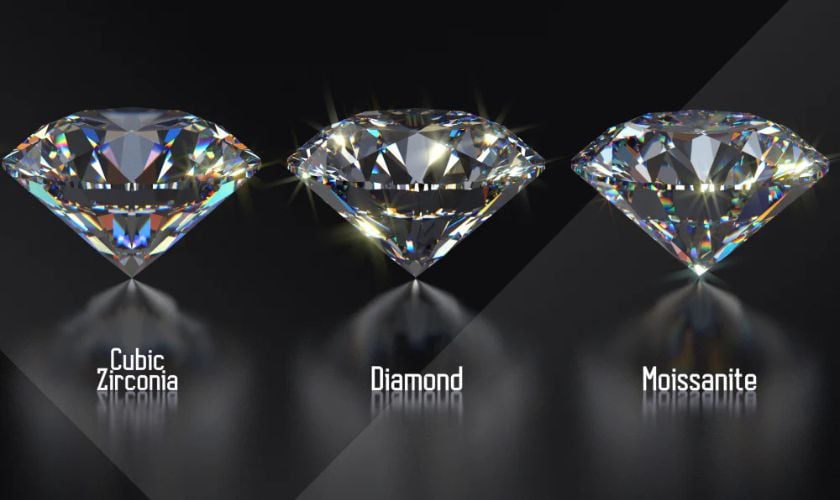
Cubic Zirconia is a laboratory-grown, crystalline material that serves as a diamond stimulant. From a financial perspective, it is a synthetic substitute that offers the visual utility of a gemstone without the heavy capital expenditure associated with mined or lab-grown carbon diamonds. Understanding what a CZ diamond is—and how it functions within a personal finance strategy—is essential for any modern investor or consumer looking to optimize their discretionary spending.
The Economics of Cubic Zirconia: Value Proposition vs. Resale Potential
To understand the financial standing of a CZ diamond, one must first analyze its cost structure in comparison to its mined counterparts. The primary allure of Cubic Zirconia is its price point, which typically sits at less than 1% of the cost of a high-quality natural diamond. However, a professional financial analysis must look beyond the initial price tag to evaluate the “total cost of ownership” and the asset’s lifecycle.
Initial Outlay and Opportunity Cost
The most compelling financial argument for choosing a CZ diamond is the concept of opportunity cost. If a consumer spends $10,000 on a natural diamond, that capital is effectively locked in a non-productive asset. Conversely, if a consumer chooses a high-quality CZ alternative for $100, they retain $9,900 in liquid capital. When redirected into a diversified investment portfolio—such as an S&P 500 index fund with an average annual return of 7% to 10%—that $9,900 can grow exponentially over a decade. In this light, the “value” of a CZ diamond is not found in the stone itself, but in the financial freedom it preserves for the purchaser.
The Depreciation Curve of Synthetic Stimulants
It is a common misconception that natural diamonds are high-yield investments for the average consumer. In reality, most retail diamonds lose 30% to 50% of their value the moment they leave the jewelry store. However, Cubic Zirconia takes this depreciation to its logical extreme: it has virtually zero resale value. From a business finance perspective, a CZ diamond should be treated as a “pure consumption” expense rather than an “investment.” Because the entry price is so low, the total loss of principal is negligible compared to the thousands of dollars in “paper wealth” lost during the resale of a mined diamond.
CZ Diamonds in the Context of Personal Finance and Wealth Management
For those practicing disciplined wealth management, the decision to purchase a CZ diamond is often a tactical move to avoid high-interest debt and preserve credit health. The jewelry industry has long relied on consumer financing, often trapping buyers in high-interest payment plans that can last years.
Hedging Against High-Interest Luxury Debt
One of the most detrimental moves a person can make for their financial health is taking out a high-interest loan for a depreciating luxury asset. By opting for a CZ diamond, a buyer eliminates the need for financing entirely. This prevents the erosion of net worth through interest payments and keeps the buyer’s debt-to-income ratio favorable for more significant investments, such as real estate or business ventures. In the world of “Money,” the smartest purchase is the one that does not compromise your future borrowing power.
The Psychology of “Affordable Luxury” and Budget Allocation
Personal finance is as much about psychology as it is about math. The CZ diamond allows consumers to satisfy the social and psychological desire for luxury aesthetics without the financial stress that usually accompanies them. By categorizing CZ purchases under “discretionary entertainment” rather than “long-term savings,” individuals can maintain a lifestyle that reflects their success while their actual capital remains hard at work in interest-bearing accounts. This strategic separation of “lifestyle optics” from “actual wealth” is a hallmark of the fiscally prudent.
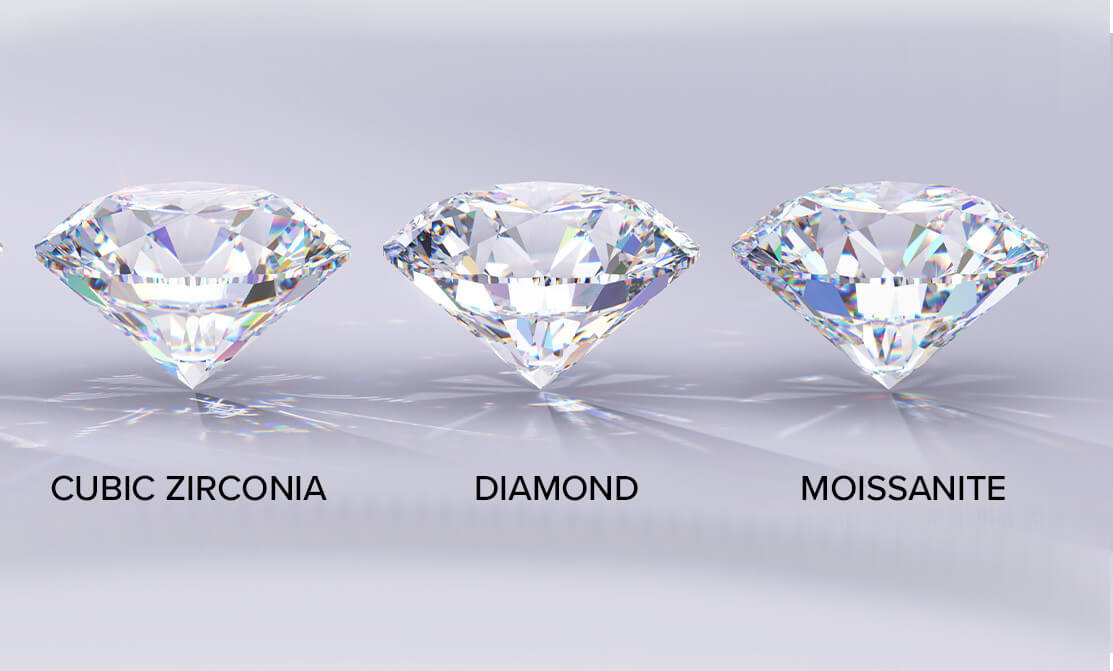
Comparing CZ and Mined Diamonds as Financial Assets
To provide a clear financial comparison, we must examine the liquidity, maintenance, and insurance implications of CZ diamonds versus traditional gemstones. While diamonds are often marketed as “heirlooms,” their status as financial assets is complex and often misunderstood by the public.
Asset Liquidity and the Secondary Market
Liquidity refers to how quickly an asset can be converted into cash without a significant loss in value. Mined diamonds are notoriously illiquid for retail owners; finding a buyer willing to pay near-retail prices is nearly impossible. CZ diamonds, while having no resale market, offer a different kind of “utility liquidity.” Because the cost is so low, they do not need to be liquidated. They are “sunk costs” that allow the owner to keep their primary wealth in highly liquid assets like stocks, bonds, or cash equivalents.
Insurance Premiums and Maintenance Costs
A hidden drain on wealth associated with high-value diamonds is the ongoing cost of insurance and security. Insuring a $15,000 diamond ring typically costs 1% to 2% of its value annually. Over 20 years, an owner could spend $3,000 to $6,000 just to protect the asset. Additionally, high-value stones require professional appraisals and periodic “prong checks” to ensure the stone isn’t lost. A CZ diamond requires no insurance and negligible maintenance. If a CZ stone is lost or damaged, the replacement cost is less than a single year’s insurance premium on a natural diamond, making it a “low-maintenance” choice for the financially conscious.
Strategic Purchasing: Integrating CZ into a Diverse Portfolio of Personal Assets
The modern approach to “Money” involves diversifying not just where you invest, but how you spend. The rise of the “high-low” lifestyle—where one invests heavily in appreciating assets while being extremely frugal with depreciating consumer goods—has made Cubic Zirconia a popular tool for the financially savvy.
Identifying Quality in the CZ Market
Not all CZ is created equal, and from a “Business Finance” perspective, quality control matters even in low-cost alternatives. High-grade CZ (often rated AAAAA) is manufactured using sophisticated technological processes that ensure clarity and durability. While the financial outlay remains low, choosing a higher grade of CZ ensures that the “visual utility” of the item lasts longer, preventing the need for frequent replacements. This is a micro-level example of “buying for value”—a core principle in both personal and corporate finance.
Long-term Financial Planning and the “Ring Fund”
Many financial advisors now suggest that young couples re-evaluate the traditional “two months’ salary” rule for engagement rings. By redirecting a “Ring Fund” toward a down payment on a home or an IRA contribution, and using a CZ diamond for the ceremony, a couple can gain a massive head start on their net worth. For instance, investing $5,000 at age 25 instead of spending it on a ring could result in over $70,000 by retirement (assuming a 7% return). The CZ diamond is not just a piece of jewelry; it is a financial instrument that allows for the tactical reallocation of capital toward high-yield goals.

Conclusion: The Bottom Line on CZ Diamonds
In conclusion, a CZ diamond is a synthetic gemstone that offers an alternative to the traditional, high-capital diamond market. When viewed through the lens of money and finance, it is clear that CZ diamonds serve as a powerful tool for capital preservation. They allow consumers to avoid unnecessary debt, bypass the massive depreciation found in the retail jewelry market, and eliminate the ongoing costs of insurance and maintenance.
While a CZ diamond will never be an “investment” in the sense that it will grow in value, its value lies in what it saves the owner. In a world where financial literacy is the key to long-term success, the choice of a CZ diamond is often a reflection of a sophisticated understanding of asset vs. liability. By choosing to spend less on a depreciating aesthetic and more on appreciating financial assets, the CZ buyer is making a calculated move toward greater net worth and financial independence. For those focused on the “Money” niche, the CZ diamond is the ultimate “buy” for a strategy centered on wealth accumulation and smart capital management.
aViewFromTheCave is a participant in the Amazon Services LLC Associates Program, an affiliate advertising program designed to provide a means for sites to earn advertising fees by advertising and linking to Amazon.com. Amazon, the Amazon logo, AmazonSupply, and the AmazonSupply logo are trademarks of Amazon.com, Inc. or its affiliates. As an Amazon Associate we earn affiliate commissions from qualifying purchases.