
In the world of fashion and corporate identity, the choice of material is rarely an afterthought. It is a strategic decision that communicates a brand’s values, heritage, and positioning. Among the myriad of textiles available to designers and marketers, one specific weave has stood the test of time as a symbol of sophisticated sportiness and high-tier branding: Cotton Pique.
To the uninitiated, cotton pique is simply the “bumpy” fabric used for polo shirts. However, for brand strategists and marketing professionals, it represents a masterclass in how a tactile experience can be leveraged to create a multi-billion-dollar brand identity. This article explores the intersection of material science and brand strategy, dissecting why cotton pique remains the cornerstone of premium corporate identity.
1. The Anatomy of the Fabric: Understanding the Material Foundation
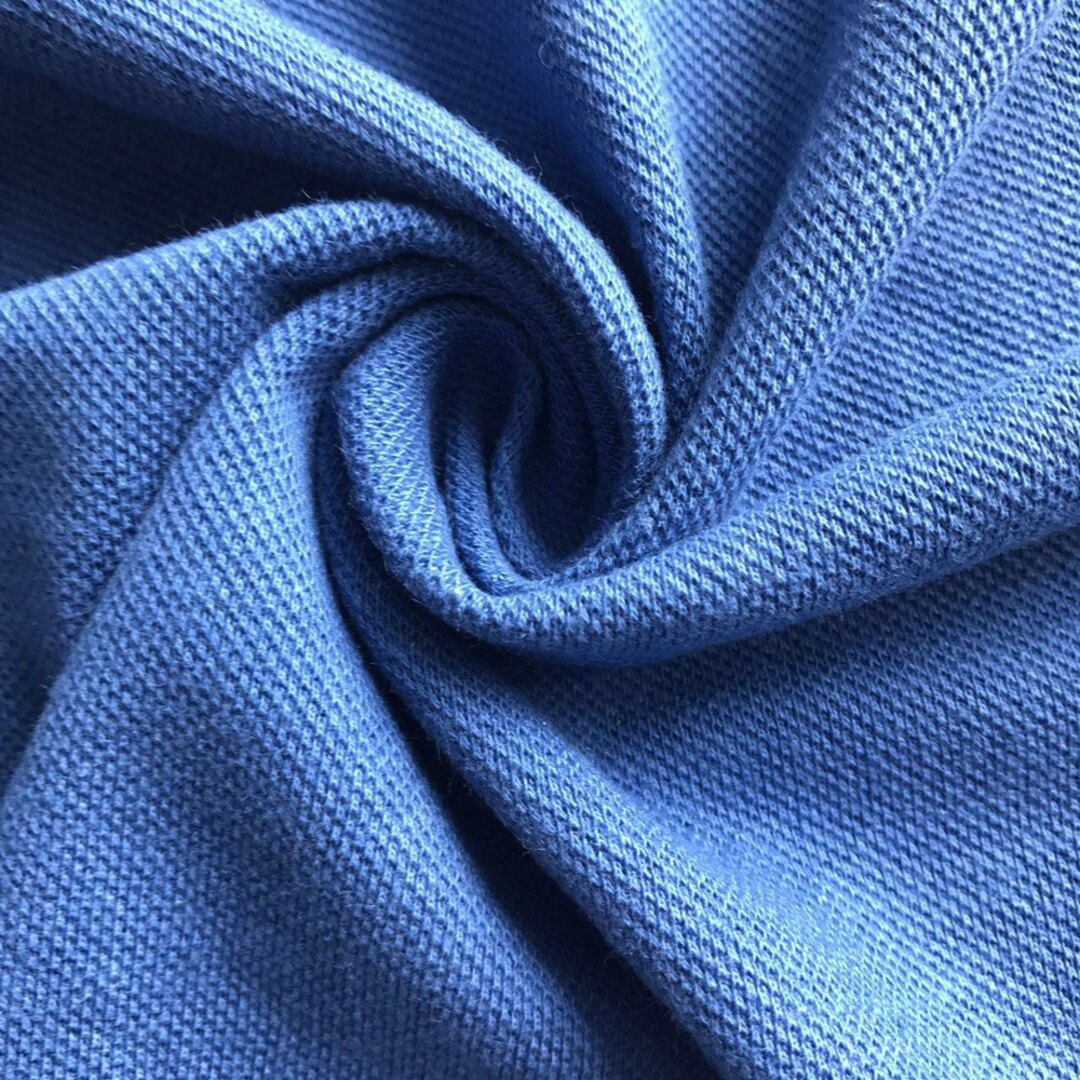
Before exploring its impact on brand strategy, one must understand what makes cotton pique distinct from standard knit fabrics. The term “pique” refers not to the fiber itself, but to the specific weaving or knitting process that creates a geometric, textured surface.
The Technical Weave and Tactile Consistency
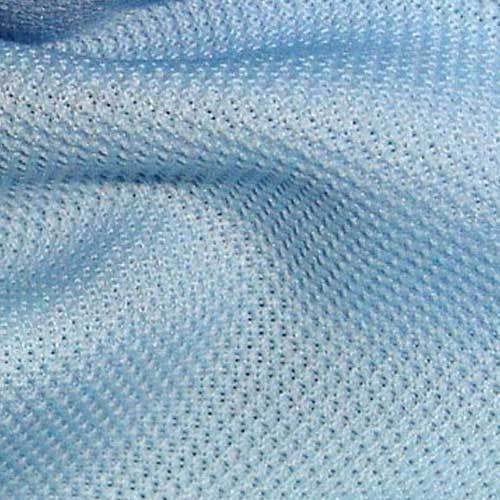
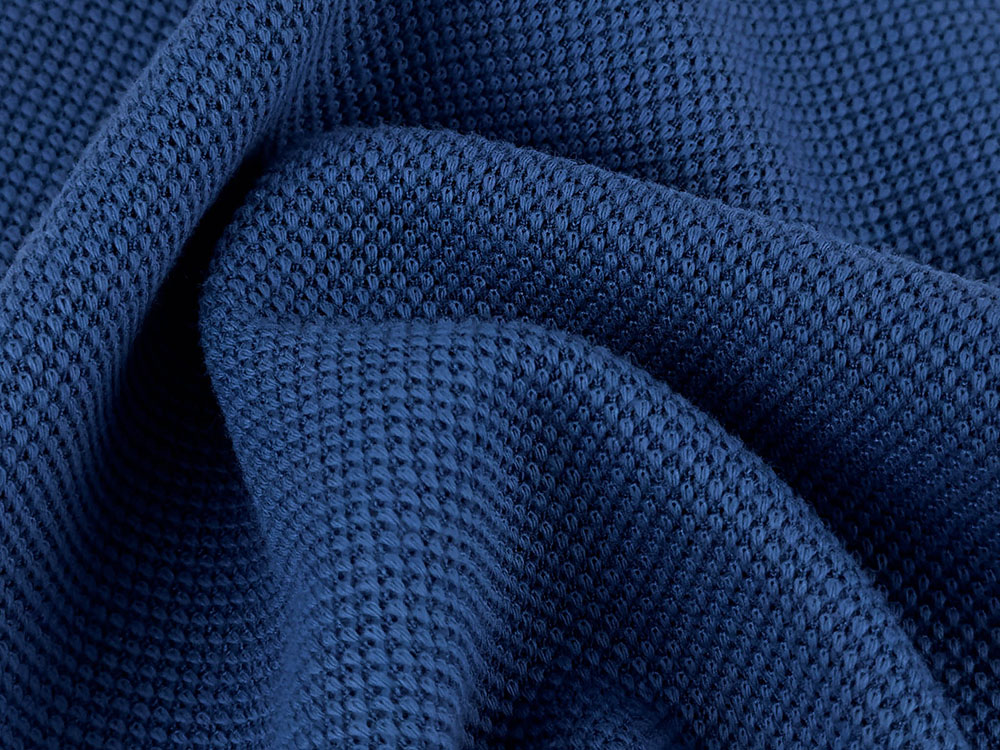
Unlike standard jersey—the flat, smooth fabric used for most t-shirts—pique is characterized by its raised parallel cords or geometric patterns, such as waffle, honeycomb, or diamond shapes. This is achieved through a specialized knitting process that adds depth and structural integrity to the garment.
From a brand perspective, this texture is a powerful tool. In branding, consistency is king. The “hand-feel” of a pique polo provides a consistent tactile cue to the consumer. When a customer touches a pique shirt from a premium brand, they immediately register a sense of density and quality that a thin jersey cannot replicate. This physical feedback loop is essential in reinforcing a brand’s promise of durability and excellence.
Breathability and Structural Integrity
One of the functional reasons pique became a branding staple is its physical performance. The textured weave creates a larger surface area and allows for better airflow, making it ideal for the active lifestyles associated with “country club” branding. Furthermore, the pique knit is remarkably resilient; it holds its shape far better than flat knits, resisting the “sagging” effect often seen in lower-quality apparel. For a brand, a garment that maintains its silhouette after fifty washes is a silent ambassador for the brand’s commitment to quality.
2. Brand Association: How Lacoste and Ralph Lauren Built Empires on a Texture
The history of cotton pique is inextricably linked with the rise of the modern luxury-lifestyle brand. It is perhaps the most successful example in history of a specific fabric being used to carve out a niche in the global market.
The René Lacoste Legacy and the Birth of “Sporting Luxury”
In 1933, tennis legend René Lacoste revolutionized sportswear by replacing the rigid, long-sleeved “tennis whites” of the era with a short-sleeved shirt made of breathable cotton pique. This was not just a functional innovation; it was the birth of a brand icon.
The crocodile logo embroidered onto the textured pique background became the first instance of a brand visible on the outside of a garment. The specific choice of pique allowed the collar to stay “flipped” or structured, a visual hallmark that Lacoste used to signify a relaxed yet elite status. By choosing pique, Lacoste associated his brand with the values of the tennis court: precision, athleticism, and exclusive social standing.
Ralph Lauren and the Democratization of the Preppy Identity
While Lacoste invented the pique polo, Ralph Lauren scaled the concept into a global lifestyle empire. Through his “Polo” line, Lauren used the heavy, durable texture of cotton pique to evoke the heritage of the British aristocracy and the American Ivy League.
In Lauren’s brand strategy, the cotton pique shirt served as an entry-level luxury item. It was affordable enough for the middle class but carried the textural and visual cues of the elite. By offering the pique polo in a vast spectrum of colors, Ralph Lauren transformed a utilitarian sports garment into a canvas for personal branding. The fabric’s ability to take dye deeply and maintain vibrant hues allowed the brand to occupy a unique space: the intersection of tradition and modern expression.
3. Corporate Identity: Cotton Pique as a Tool for Professionalism
Beyond the world of high fashion, cotton pique plays a pivotal role in corporate branding and the “Uniformity Strategy” used by blue-chip companies worldwide. When a corporation selects a fabric for its employees, it is making a statement about its corporate culture.
Balancing Professionalism and Comfort
The “Corporate Casual” movement of the late 20th century created a dilemma for brands: how to move away from the stiffness of suits without losing the aura of professionalism. The cotton pique polo was the answer.
Because pique is heavier and more structured than a t-shirt, it carries a “collared” authority that commands respect in a business environment. However, because it is cotton-based and breathable, it provides the comfort necessary for modern workflows. When a tech giant or a luxury hotel chain outfits its staff in pique polos, they are leveraging the fabric’s history of “sporting elite” to suggest that their staff is both active and professional.
Customization and Brand Longevity
From a marketing logistics standpoint, cotton pique is the ideal medium for embroidery. The dense, honeycomb structure of the knit provides a stable base for high-stitch-count logos. Unlike thinner fabrics that “pucker” or pull when embroidered, pique remains flat and professional.
For a brand manager, this longevity is a key financial consideration. A brand’s identity is diluted if its representatives are wearing faded, misshapen clothing. Cotton pique’s resistance to pilling and its ability to retain its shape ensures that the brand’s visual identity remains crisp and high-quality over a longer lifecycle, maximizing the return on investment for branded collateral.
4. The Future of Material Branding: Innovation and Sustainability
As we move further into the 21st century, the narrative of cotton pique is evolving to include sustainability and high-tech integration, which are now core pillars of modern brand strategy.
The Rise of Organic and Recycled Pique
Modern consumers—particularly Gen Z and Millennials—align themselves with brands that demonstrate environmental stewardship. This has led to a shift in how pique is sourced. Brands like Patagonia and specialized luxury labels are now marketing “Organic Cotton Pique” or blends featuring recycled ocean plastics.
In this context, the pique weave serves a new purpose: it provides a familiar, traditional texture that “masks” the transition to sustainable materials. It allows a brand to innovate its supply chain without losing the classic aesthetic that its customers trust. This is a crucial strategy for heritage brands that need to modernize without alienating their core demographic.
Maintaining Brand Heritage in a Digital World
In an era dominated by digital marketing and e-commerce, the “story” of the fabric has become a vital piece of content. Brands no longer just sell a shirt; they sell the “Pique Story.” They use macro-photography to show the intricate weave, emphasizing the craftsmanship behind the texture.
This focus on material is a response to the “fast fashion” trend. By highlighting the specific benefits of cotton pique—its history, its durability, and its unique feel—brands can justify a premium price point and build a deeper emotional connection with the consumer. The fabric becomes a shorthand for “slow fashion” and intentional consumption, positioning the brand as an ethical choice in a crowded marketplace.
Conclusion: The Strategic Value of Texture
What is cotton pique? It is more than just a textile; it is a strategic asset. From its origins on the tennis courts of France to its current status as the global standard for corporate and casual luxury, pique has proven that texture is a vital component of brand identity.
For companies looking to build a brand that lasts, the lesson of cotton pique is clear: every detail matters. The weight of the fabric, the way it breathes, and how it holds a logo are all signals that contribute to the customer’s perception of value. By choosing a material with the history and structural integrity of cotton pique, brands can communicate a message of quality and reliability that words alone could never convey. In the competitive landscape of modern marketing, pique remains the gold standard for those who understand that a brand is not just what you see, but what you feel.
aViewFromTheCave is a participant in the Amazon Services LLC Associates Program, an affiliate advertising program designed to provide a means for sites to earn advertising fees by advertising and linking to Amazon.com. Amazon, the Amazon logo, AmazonSupply, and the AmazonSupply logo are trademarks of Amazon.com, Inc. or its affiliates. As an Amazon Associate we earn affiliate commissions from qualifying purchases.