
In the modern digital landscape, the relationship between a business and its customers is no longer defined by a single transaction or a sporadic support call. Instead, it is a continuous, multi-faceted journey across various digital touchpoints. This shift has given rise to a critical discipline within the technology sector: Customer Experience Management (CEM or CXM). While many confuse it with Customer Relationship Management (CRM), CEM represents a more sophisticated, tech-driven approach to understanding, managing, and optimizing every interaction a customer has with a brand throughout their lifecycle.
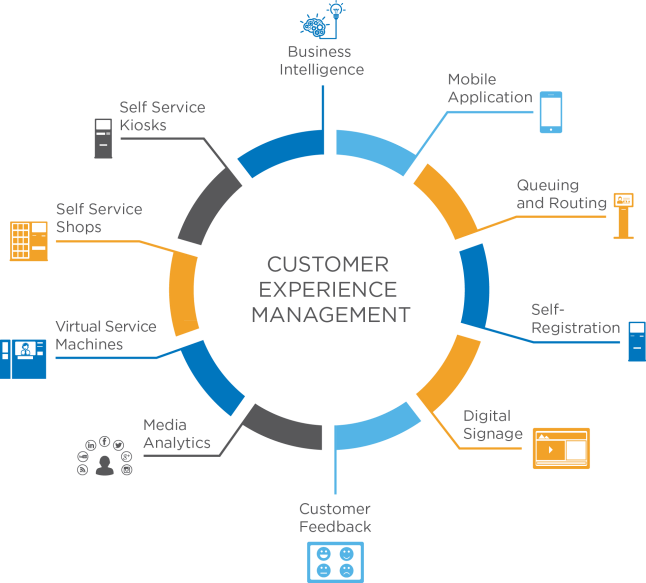
At its core, CEM is the collection of processes and technologies a company uses to track, oversee, and organize every interaction between a customer and the organization. In this guide, we will explore the technological architecture of CEM, the role of artificial intelligence in sentiment analysis, and how modern software stacks are revolutionizing the way companies maintain digital loyalty.
The Technological Evolution: From CRM to CEM
To understand what CEM is today, one must first understand its technological lineage. For decades, Customer Relationship Management (CRM) was the gold standard. CRM systems were designed as internal databases—tools for sales teams to log calls, manage pipelines, and store contact information. They were “inside-out” systems.
The Shift to “Outside-In” Systems
As technology evolved, the “inside-out” model became insufficient. Customers began interacting with brands via mobile apps, social media, IoT devices, and live chats. This generated a massive influx of unstructured data that traditional CRMs could not process effectively. CEM emerged as the technological answer to this complexity. Unlike CRM, which focuses on what the company sees about the customer, CEM focuses on what the customer experiences from the company. It requires a sophisticated “outside-in” tech stack that captures real-time data from external touchpoints and integrates it into a unified digital ecosystem.
Digital Transformation and the Experience Economy
The rise of the “Experience Economy” has forced a digital transformation in how software is built. Modern CEM platforms are cloud-native, designed to handle high-velocity data streaming. They serve as the connective tissue between a company’s back-end logistics and its front-end user interfaces. By leveraging APIs (Application Programming Interfaces) and microservices, CEM technology ensures that a preference expressed by a user on a mobile app is immediately reflected in the dashboard of a customer support agent halfway across the world.
The Technological Core of CEM: Platforms and Architecture
A robust CEM strategy is only as effective as the software stack supporting it. A modern CEM platform is not a single piece of software but a sophisticated orchestration of several technological components working in tandem.
Unified Data Layers and the “Single Source of Truth”
The primary technical challenge in CEM is data siloing. Information often gets trapped in separate departments: marketing has email data, support has ticket data, and product teams have usage logs. A high-tier CEM platform utilizes a Unified Data Layer to break these silos. By using Data Lakes or Customer Data Platforms (CDPs), CEM technology aggregates data from every source into a single, comprehensive profile. This “Single Source of Truth” allows the system to recognize a customer regardless of the channel they use.
Omnichannel Integration Engines
Omnichannel is a buzzword, but in the context of CEM technology, it refers to the technical ability to maintain “state” across different platforms. If a user starts a query on a web-based chatbot and later calls a service line, the CEM software must ensure the transition is seamless. This requires heavy integration capabilities, often involving Webhooks and RESTful APIs that synchronize data in real-time. The goal is a persistent technological thread that follows the user across the digital landscape.
Feedback Loop Automation
Technologically, CEM relies on automated feedback loops. This involves the deployment of “Voice of the Customer” (VoC) tools. These are software modules embedded into apps or websites that trigger based on specific user behaviors—such as completing a purchase or spending a certain amount of time on a page. The technology doesn’t just collect the feedback; it automatically routes it to the relevant technical or operational team for immediate action.
Leveraging AI and Predictive Analytics in CEM
Perhaps the most significant advancement in CEM technology is the integration of Artificial Intelligence (AI) and Machine Learning (ML). These tools have moved CEM from a reactive discipline to a proactive, predictive one.
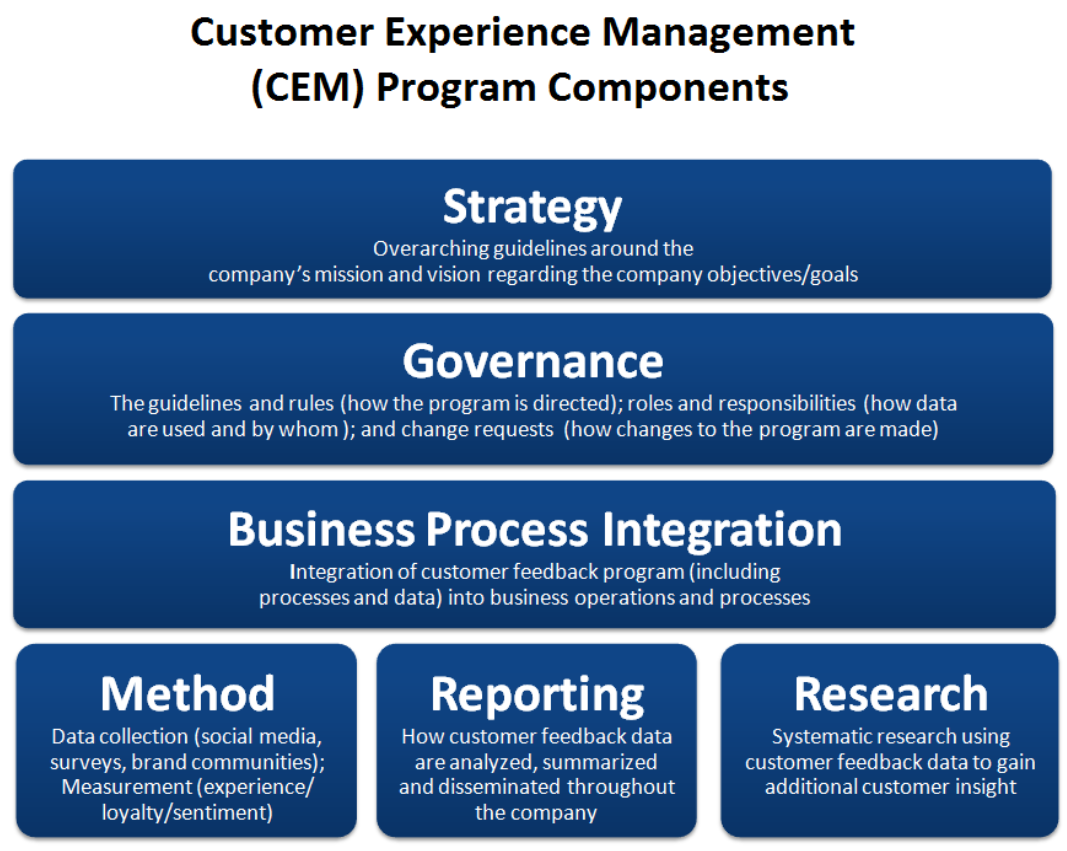
Natural Language Processing (NLP) and Sentiment Analysis
In the past, understanding customer sentiment required manual surveys and human analysis. Today, CEM platforms utilize Natural Language Processing (NLP) to scan thousands of customer reviews, social media mentions, and support transcripts in seconds. These AI models can detect nuances like sarcasm, frustration, or urgency. By assigning a “sentiment score” to every interaction, the technology allows companies to identify systemic technical issues or service gaps before they escalate into major problems.
Predictive Modeling and Churn Prevention
Machine Learning algorithms within CEM software are now capable of predictive modeling. By analyzing historical data patterns, the software can identify “at-risk” behaviors. For example, if a user’s frequency of app logins drops below a certain threshold while their latency in support tickets increases, the AI can flag this user as a high churn risk. This allows the system to trigger automated “re-engagement” protocols, such as personalized technical support or targeted discounts, without human intervention.
Hyper-Personalization Through ML
Personalization is no longer just about putting a customer’s name in an email. In the CEM context, it involves using ML to dynamically alter the user interface (UI) or the user experience (UX) based on real-time data. If a CEM system recognizes a user as a “power user” of a specific software feature, the app’s interface can be programmatically adjusted to highlight advanced tools, while a novice user might see more tutorials and simplified menus. This level of technical adaptability is the hallmark of advanced CEM.
Choosing and Implementing a Modern CEM Tech Stack
For organizations looking to implement or upgrade their CEM capabilities, the technical roadmap is complex. It involves more than just buying a subscription to a SaaS platform; it requires a deep dive into integration and infrastructure.
Evaluating SaaS vs. Custom-Built Solutions
Most enterprises opt for a hybrid approach. Leading SaaS providers like Adobe Experience Manager, Medallia, or Qualtrics offer robust, out-of-the-box CEM features. However, for companies with unique digital products, custom-built integrations are often necessary. The technical evaluation must prioritize scalability—ensuring the software can handle spikes in data volume—and interoperability—ensuring it can talk to existing CRM, ERP (Enterprise Resource Planning), and CMS (Content Management System) tools.
The Role of API Management and Data Privacy
As CEM platforms collect vast amounts of sensitive user data, digital security becomes paramount. Implementing a CEM stack requires rigorous API management to ensure data is encrypted during transit. Furthermore, the technology must be compliant with global data privacy regulations such as GDPR (General Data Protection Regulation) and CCPA (California Consumer Privacy Act). Modern CEM tools include “Privacy by Design” features, such as automated data anonymization and “Right to be Forgotten” workflows, which are essential for maintaining digital trust.
Technical Hurdles: Data Latency and Silos
The biggest technical hurdle in CEM implementation is latency. For an experience to feel truly managed, data must move at the speed of the user. If a customer makes a complaint and receives a “buy now” marketing email five minutes later because the systems didn’t sync fast enough, the CEM has failed. Overcoming this requires high-performance cloud infrastructure and efficient data streaming protocols like Apache Kafka.
The Future of CEM: Emerging Tech and Hyper-Connectivity
As we look toward the future, CEM technology is set to become even more integrated into our physical and digital lives through emerging tech trends.
The Internet of Things (IoT) and Physical CEM
The boundary between digital and physical experience is blurring. IoT sensors in retail environments or “smart” products provide a new stream of CEM data. For instance, a smart appliance that detects its own technical failure can send a signal to the CEM platform, which then automatically schedules a repair and notifies the customer. This “proactive service” represents the next frontier of CEM technology.
AR/VR and Immersive Experiences
Augmented Reality (AR) and Virtual Reality (VR) are beginning to play a role in how customers experience brands. CEM platforms of the future will need to track interactions within virtual spaces. This will require new types of data visualization tools and spatial analytics to understand how users navigate 3D environments, providing a whole new layer of depth to customer experience data.

5G and Real-Time Edge Computing
The rollout of 5G and the growth of edge computing will further reduce data latency, allowing CEM platforms to process complex AI models directly on the user’s device. This means faster response times and more sophisticated “on-the-fly” personalization, making the digital experience feel more intuitive and human-centric than ever before.
In conclusion, CEM is far more than a marketing strategy; it is a complex, tech-driven ecosystem designed to harmonize the relationship between humans and machines. By leveraging data integration, AI-driven insights, and robust cloud architecture, companies can move beyond simple transactions to create meaningful, enduring digital experiences. As technology continues to evolve, the businesses that master the technical intricacies of CEM will be the ones that lead the next generation of digital innovation.
aViewFromTheCave is a participant in the Amazon Services LLC Associates Program, an affiliate advertising program designed to provide a means for sites to earn advertising fees by advertising and linking to Amazon.com. Amazon, the Amazon logo, AmazonSupply, and the AmazonSupply logo are trademarks of Amazon.com, Inc. or its affiliates. As an Amazon Associate we earn affiliate commissions from qualifying purchases.