
In an era defined by rapid technological advancements, evolving career landscapes, and a renewed focus on personal and professional growth, the field of nursing stands as a beacon of stability and opportunity. For many individuals with a bachelor’s degree in a non-nursing discipline, the path to a fulfilling career in healthcare might seem distant. However, the Accelerated Bachelor of Science in Nursing (ABSN) program offers a transformative and efficient route into this vital profession. More than just a degree, an ABSN represents a strategic career pivot, integrating prior academic achievements with specialized nursing education, often with profound implications for one’s professional brand, financial future, and engagement with cutting-edge technology.
This comprehensive guide will demystify the ABSN, exploring its structure, benefits, and how it aligns with the contemporary themes of technology, personal branding, and financial acumen.
Understanding the ABSN Pathway: A Rapid Ascent into Nursing
The ABSN program is not merely a fast-track option; it’s a meticulously designed academic journey for highly motivated individuals who possess a prior bachelor’s degree in any field. It leverages existing foundational knowledge and critical thinking skills, condensing traditional nursing education into an intensive, often demanding, timeframe.
What Exactly is an ABSN?
An Accelerated Bachelor of Science in Nursing (ABSN) program is an intensive, expedited educational pathway leading to a Bachelor of Science in Nursing (BSN) degree. Unlike traditional BSN programs that typically span four years, ABSN programs are designed for individuals who have already earned a bachelor’s degree in a discipline other than nursing. By building upon their existing collegiate credits and intellectual maturity, these programs allow students to complete their nursing education in a significantly shorter period, often ranging from 12 to 24 months.
The primary goal of an ABSN is to prepare graduates to sit for the National Council Licensure Examination for Registered Nurses (NCLEX-RN) and enter the nursing workforce as competent, compassionate, and BSN-prepared professionals. This pathway is particularly attractive to career changers, military veterans, and anyone seeking a meaningful transition into a high-demand profession without repeating general education coursework already completed.
The Intensive Curriculum: A Blend of Speed and Depth
Despite its accelerated nature, an ABSN curriculum is comprehensive and rigorous, covering the same core competencies as a traditional BSN program. The intensity comes from the condensed schedule, where students immerse themselves fully in coursework, clinical rotations, and simulations.
Core subjects typically include:
- Anatomy and Physiology: Understanding the human body’s structure and function.
- Microbiology and Chemistry: Foundations for understanding disease processes and pharmacology.
- Pathophysiology: The study of disease mechanisms.
- Pharmacology: The science of drugs and their effects.
- Nursing Fundamentals: Basic patient care, safety, and communication.
- Adult Health Nursing: Care for medical-surgical patients across the lifespan.
- Maternal-Child Nursing: Care for pregnant women, newborns, and pediatric patients.
- Mental Health Nursing: Addressing psychological and psychiatric needs.
- Community Health Nursing: Promoting health within populations and diverse communities.
- Leadership and Management in Nursing: Developing skills for professional practice and healthcare systems.
- Evidence-Based Practice and Research: Integrating current research into patient care decisions.
Alongside theoretical coursework, ABSN programs emphasize extensive hands-on clinical experience. Students spend significant time in various healthcare settings – hospitals, clinics, long-term care facilities, and community centers – applying their knowledge under the supervision of experienced nursing faculty. This practical component is crucial for developing clinical judgment, critical thinking, and patient care skills essential for entry-level nursing practice. The rapid pace demands exceptional organizational skills, dedication, and a strong support system.
The Technological Edge: How Tech Shapes ABSN Education and Practice
In today’s healthcare landscape, technology is not just a tool; it’s an intrinsic part of patient care, education, and professional development. For ABSN students, an understanding of and proficiency with various technologies are paramount, impacting everything from how they learn to how they practice.
Digital Classrooms and Simulation: Immersive Learning Experiences
The “Tech” aspect of modern education is profoundly evident in ABSN programs. Many institutions offer hybrid or fully online components for their theoretical coursework, providing flexibility while maintaining academic rigor. Online learning platforms (e.g., Canvas, Blackboard) are standard, hosting lectures, assignments, discussion forums, and virtual study groups. These digital tools enhance productivity and collaboration among students who often juggle demanding academic schedules.
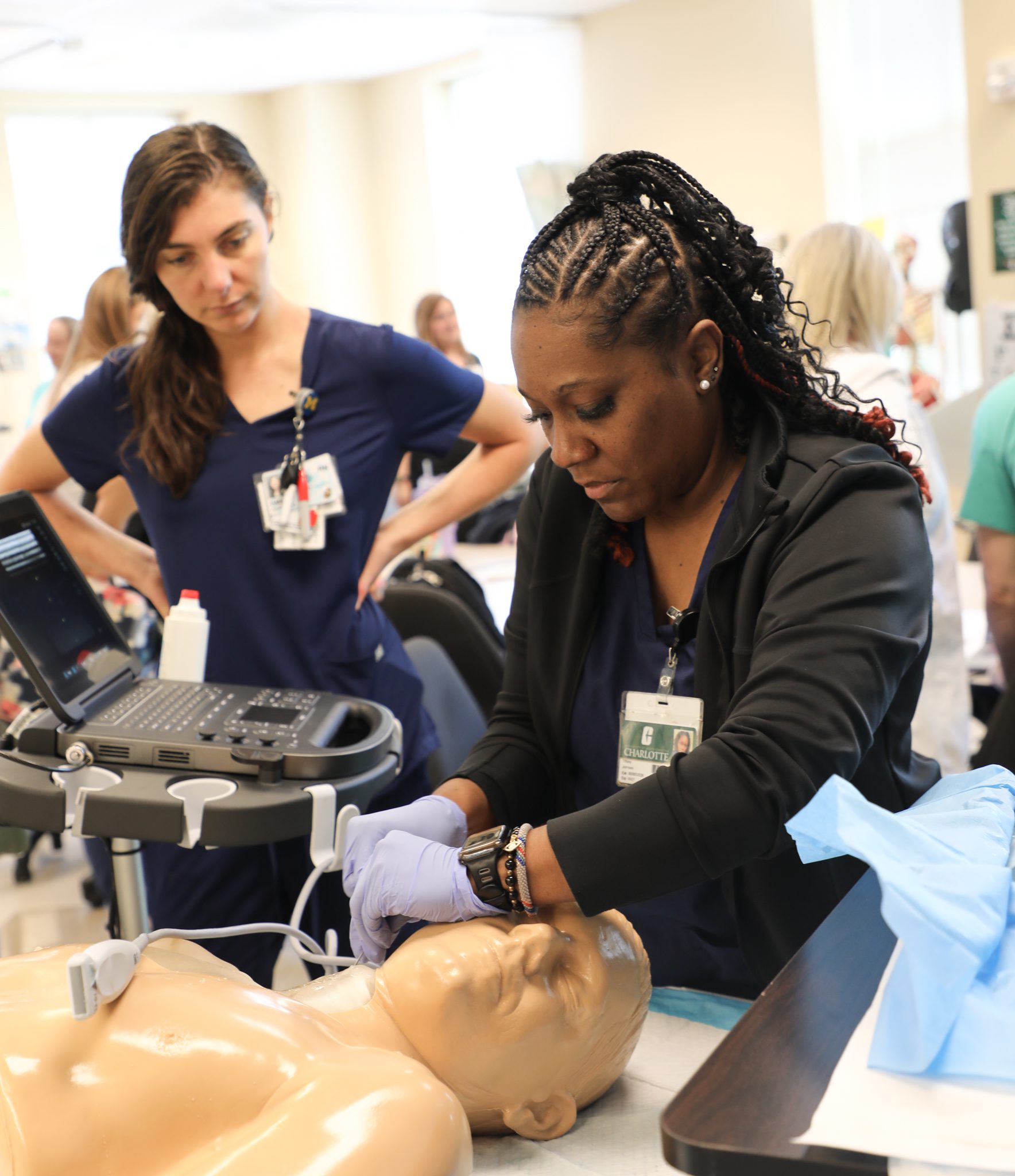
Beyond traditional online learning, cutting-edge simulation technology has revolutionized nursing education. High-fidelity patient simulators, often sophisticated mannequins capable of mimicking human physiological responses, provide a safe environment for students to practice critical skills, respond to emergencies, and refine their clinical judgment without risk to actual patients. Virtual Reality (VR) and Augmented Reality (AR) tools are also emerging, offering immersive scenarios for practicing procedures, conducting patient assessments, and even navigating complex clinical environments. This integration of advanced tech ensures that ABSN graduates are not only theoretically sound but also practically adept and comfortable utilizing technology in a clinical setting.
Mastering Modern Healthcare: EHRs, Telehealth, and Beyond
Upon graduation, ABSN nurses immediately step into a tech-driven healthcare environment. Proficiency in Electronic Health Records (EHR) systems is non-negotiable. EHRs are central to documentation, medication administration, order entry, and interdisciplinary communication. ABSN programs integrate training on these systems, often through simulated platforms, to ensure graduates can navigate the digital backbone of modern hospitals and clinics from day one. Digital security, a critical component of patient privacy (HIPAA compliance), is also heavily emphasized, preparing nurses to safeguard sensitive patient data.
Furthermore, the rise of telehealth has expanded the reach of healthcare services, and nurses play a crucial role in this paradigm shift. ABSN graduates need to understand how to utilize video conferencing platforms, remote monitoring devices, and secure messaging systems to provide care, education, and follow-up to patients remotely. This skill set not only broadens career opportunities but also positions nurses at the forefront of innovative care delivery models. Understanding these technology trends and tools is vital for any nurse aiming for a successful and impactful career.
AI and Future Trends: Preparing for the Evolving Digital Nurse
The future of nursing will undoubtedly be shaped by Artificial Intelligence (AI) and other emerging technologies. While AI won’t replace the human touch of nursing, it will augment many aspects of the profession. ABSN programs, implicitly or explicitly, prepare students for this future by fostering adaptability, critical thinking, and an understanding of how data and technology can enhance patient outcomes.
Nurses will interact with AI-powered diagnostic tools, predictive analytics for patient deterioration, and smart systems for medication management. Understanding the ethical implications of AI in healthcare, the potential for bias, and how to effectively utilize these tools to improve efficiency and care quality will be crucial. ABSN curricula, by their very nature, emphasize evidence-based practice and continuous learning, equipping graduates with the mindset to embrace and integrate future technological advancements rather than being overwhelmed by them. This forward-looking approach ensures that ABSN nurses are not just prepared for today’s healthcare but are also ready to lead in tomorrow’s.
Building Your Professional Identity: Branding Your Nursing Career
In a competitive job market, an ABSN degree provides a robust foundation, but it’s your personal brand – how you present yourself, your skills, and your unique value – that truly sets you apart. The “Brand” aspect of your career begins the moment you enroll in an ABSN program and continues to evolve throughout your professional life.
Crafting Your Personal Brand as a BSN-Prepared Nurse
Your personal brand as a nurse is more than just your resume; it encompasses your reputation, your professional demeanor, and your unique approach to patient care. For ABSN graduates, their previous degree often adds a distinctive layer to their brand, demonstrating versatility, adaptability, and a broad knowledge base. Highlighting these attributes – such as advanced problem-solving skills from an engineering degree or strong communication from a liberal arts background – can differentiate you during job applications and interviews.
Developing a strong personal brand involves:
- Professional Networking: Utilizing platforms like LinkedIn to connect with faculty, clinical preceptors, and other nursing professionals. Attending virtual or in-person career fairs.
- Developing a Professional Portfolio: Showcasing clinical achievements, simulation results, leadership roles, and any specialized projects or research.
- Cultivating a Digital Footprint: Ensuring your online presence reflects your professional aspirations and upholds the values of the nursing profession.
- Mentorship: Seeking guidance from experienced nurses to shape your career trajectory and refine your professional identity.
An ABSN degree signals to employers that you are highly motivated, capable of rapid learning, and possess a strong academic foundation, all of which contribute positively to your personal brand as a valuable and dynamic hire.
The Reputation of Your ABSN Program: Choosing Wisely
The “corporate identity” or brand of your chosen ABSN program significantly impacts your initial professional standing. Reputable programs often have strong affiliations with leading healthcare institutions, provide exceptional clinical placements, and boast high NCLEX pass rates and employment rates. When choosing an ABSN program, consider:
- Accreditation: Ensure the program is accredited by recognized bodies (e.g., CCNE or ACEN), which is crucial for licensure and future education.
- Faculty Expertise: Look for faculty with diverse clinical backgrounds and research interests.
- Clinical Partnerships: Strong partnerships lead to diverse and high-quality clinical experiences.
- Alumni Network: A robust alumni network can provide mentorship and career opportunities.
- Employer Perceptions: Research which programs are highly regarded by healthcare employers in your desired geographic area.
Investing in a program with a strong brand and reputation not only enhances your education but also lends credibility to your own professional brand as you enter the workforce. It signifies that you’ve received top-tier training and are well-prepared for the demands of the profession.
Networking and Professional Growth in a Digital Age
The “Brand” theme also extends to continuous professional growth and networking. In the digital age, networking transcends traditional in-person events. Online communities, professional nursing organizations (e.g., ANA, specialty-specific associations), and social media platforms offer vast opportunities to connect with peers, mentors, and potential employers.
- Online Professional Communities: Engaging in forums and groups where nurses discuss best practices, share experiences, and offer advice.
- Virtual Conferences and Webinars: Participating in online educational events to stay current with healthcare trends and expand your knowledge base.
- Content Creation: For some, writing articles, blogging, or creating videos about nursing topics can establish them as thought leaders and enhance their professional brand.
Nurses with a strong professional brand are often sought after for leadership roles, specialized positions, and even entrepreneurial ventures within healthcare. The ABSN pathway, by fostering adaptability and a quick learning curve, inherently prepares individuals for this dynamic and brand-conscious professional journey.
The Financial Equation: Investing in Your Nursing Future
Making a career change, especially into a demanding field like nursing via an accelerated program, involves significant financial considerations. The “Money” aspect of an ABSN journey encompasses the upfront costs, potential financial aid, and the considerable return on investment (ROI) that a BSN-prepared nursing career offers.
Weighing the Costs: Tuition, Living, and Opportunity
ABSN programs are intensive, often prohibiting full-time employment during the program. This means prospective students must meticulously plan for tuition, fees, textbooks, living expenses, and the opportunity cost of not earning a full-time salary for 12-24 months.
- Tuition and Fees: These vary widely by institution (public vs. private, in-state vs. out-of-state). Researching multiple programs is crucial.
- Living Expenses: Budget for housing, food, transportation, and personal necessities. Many students relocate for ABSN programs, adding to these costs.
- Opportunity Cost: The income lost by not working or working part-time during the program. This is a significant financial factor for many career changers.
- Financial Aid: Explore federal student loans, private loans, scholarships specifically for accelerated nursing students, and institutional grants. Some hospitals offer tuition reimbursement in exchange for a commitment to work for them after graduation.
Careful financial planning, including creating a detailed budget and exploring all available funding options, is essential for successfully navigating the ABSN journey without undue financial stress.
Maximizing Your Return: Salary Potential and Career Advancement
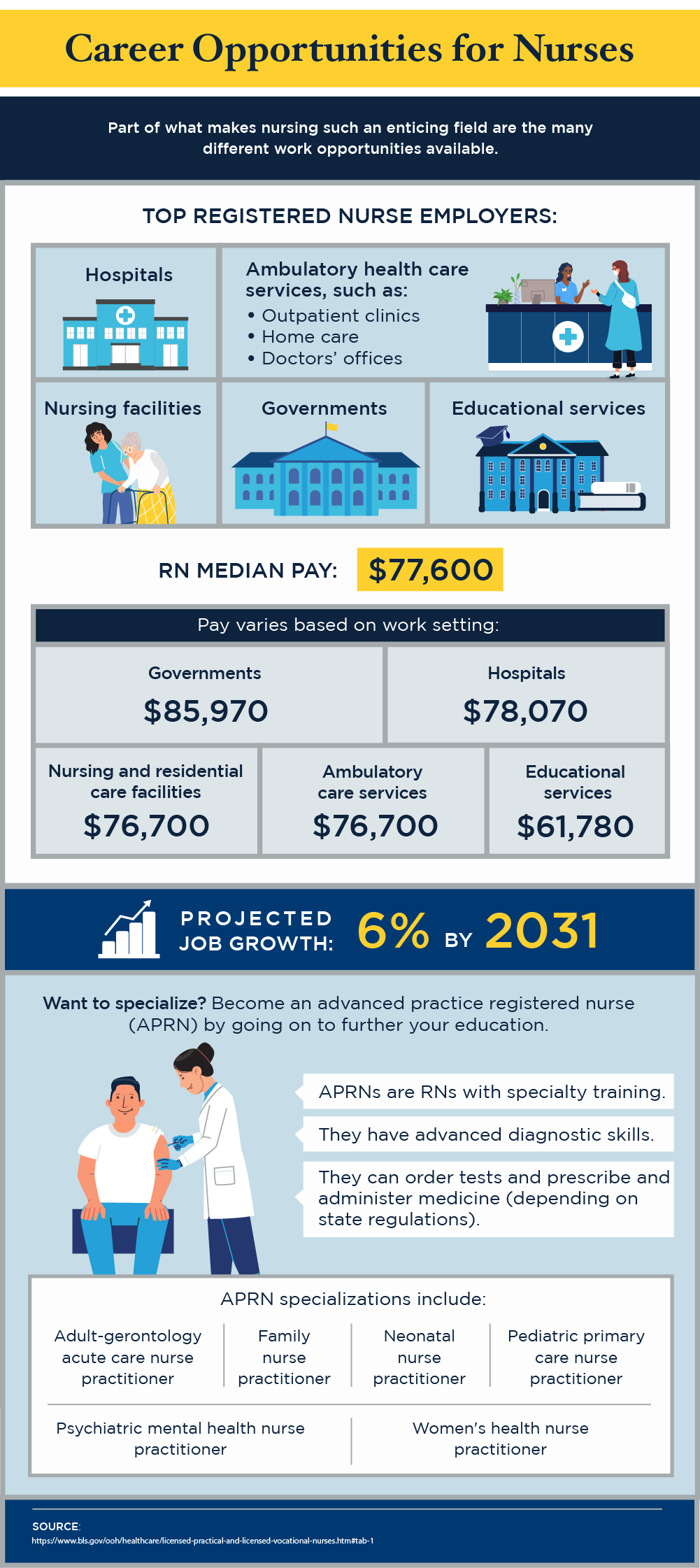
Despite the initial investment, an ABSN degree offers a compelling return on investment (ROI). Registered Nurses (RNs) with a BSN typically earn higher salaries than those with an Associate’s Degree in Nursing (ADN). The U.S. Bureau of Labor Statistics projects strong job growth for RNs, indicating robust career stability and demand.
The financial benefits extend beyond just starting salary:
- Increased Earning Potential: BSN-prepared nurses are often preferred for critical care units, management positions, and advanced roles, which command higher pay.
- Career Advancement Opportunities: A BSN is often a prerequisite for pursuing graduate degrees like Master of Science in Nursing (MSN) or Doctor of Nursing Practice (DNP), leading to roles as nurse practitioners, nurse educators, or nurse administrators, all with significantly higher earning potential.
- Diverse Work Settings: BSN nurses have broader employment options, including hospitals, clinics, public health, schools, and even roles in technology and finance within healthcare.
- Online Income and Side Hustles: Nurses can leverage their skills for online income through telehealth roles, nursing informatics consulting, medical writing, or teaching online. Some even develop entrepreneurial ventures, demonstrating the versatility of their skills.
The accelerated nature of the ABSN program means you enter the workforce sooner, starting your earning and career progression earlier, thus accelerating the realization of your financial returns.
Smart Financial Strategies for ABSN Students and Graduates
Beyond funding the program, ABSN students and new graduates can adopt smart “Money” strategies to manage their finances effectively:
- Budgeting and Debt Management: Creating a post-graduation budget, prioritizing loan repayment, and exploring refinancing options.
- Investing: Understanding personal finance principles to start saving and investing early for retirement and other financial goals.
- Financial Tools: Utilizing budgeting apps, investment platforms, and financial planning software to manage money efficiently.
- Negotiating Salary: New graduates should research salary ranges for their region and specialty and be prepared to negotiate their initial compensation.
- Side Hustles and Entrepreneurship: Exploring opportunities like travel nursing (often high-paying), per diem shifts, or even starting small healthcare-related businesses (e.g., CPR instruction, health coaching) to supplement income and build financial resilience.
An ABSN degree is not just an educational investment; it’s an investment in a financially stable, professionally rewarding, and future-proof career. By strategically managing the financial aspects, ABSN graduates can build a robust foundation for long-term economic security and career satisfaction.
Is an ABSN Right for You? Navigating Your Career Transition
Deciding to pursue an ABSN is a significant life choice that requires careful consideration of personal readiness, academic commitment, and long-term career aspirations.
Assessing Your Readiness: Commitment and Pace
The accelerated nature of an ABSN program demands a high level of commitment, discipline, and resilience. Prospective students should honestly assess their ability to handle:
- Intense Workload: Juggling multiple courses, extensive readings, clinical hours, and simulation labs simultaneously.
- Fast Pace: Learning large amounts of complex information in a compressed timeframe.
- Stress Management: Developing coping mechanisms for academic pressure, demanding clinical experiences, and the emotional aspects of patient care.
- Time Management: Organizing schedules meticulously to balance studies, personal life, and potential part-time work (if feasible).
Candidates who thrive in ABSN programs typically possess strong critical thinking skills from their previous degree, are highly motivated, have excellent organizational abilities, and possess a genuine passion for helping others. Seeking advice from current ABSN students or recent graduates can provide invaluable insights into the daily realities of the program.
Long-Term Vision: Impact on Your Career Path
An ABSN degree is more than an entry point; it’s a launchpad for a dynamic and evolving career. Consider how this pathway aligns with your long-term professional goals:
- Specialization: What areas of nursing interest you (e.g., critical care, pediatrics, public health, informatics)? The BSN provides the foundational knowledge to pursue these specialties.
- Advanced Practice: Do you envision becoming a Nurse Practitioner, Clinical Nurse Specialist, or Nurse Anesthetist? The BSN is the essential stepping stone.
- Leadership and Management: Are you interested in leading nursing teams or managing healthcare units? A BSN is often required for these roles.
- Research and Education: Do you aspire to contribute to nursing science or educate future generations of nurses? An ABSN can open doors to academic pathways.
The versatility of a BSN, combined with the professional maturity and diverse backgrounds of ABSN graduates, often leads to rapid career progression and opportunities to innovate within the healthcare system.

Conclusion
The Accelerated Bachelor of Science in Nursing (ABSN) program stands as a powerful testament to the evolving nature of education and career development. For individuals with a non-nursing bachelor’s degree, it offers an intensive, yet immensely rewarding, pathway into one of the most trusted and essential professions. Far from being just an academic qualification, an ABSN is a strategic investment that seamlessly integrates with the demands of a modern, interconnected world.
From leveraging cutting-edge technology in immersive simulations and digital health systems to meticulously crafting a professional brand that highlights unique skills and experiences, ABSN graduates are uniquely positioned for success. Furthermore, the robust financial return on investment, coupled with diverse career advancement opportunities and avenues for online income, makes the ABSN a financially astute choice. By embracing the rigor and challenges of this accelerated path, aspiring nurses can not only fulfill a personal calling but also embark on a future-proof career that is both impactful and deeply rewarding. The journey through an ABSN is a commitment to personal growth, professional excellence, and a future where technology, brand, and financial acumen converge to create truly exceptional healthcare leaders.
aViewFromTheCave is a participant in the Amazon Services LLC Associates Program, an affiliate advertising program designed to provide a means for sites to earn advertising fees by advertising and linking to Amazon.com. Amazon, the Amazon logo, AmazonSupply, and the AmazonSupply logo are trademarks of Amazon.com, Inc. or its affiliates. As an Amazon Associate we earn affiliate commissions from qualifying purchases.