
For generations, milk has been a dietary staple, lauded for its calcium and protein content. Yet, in recent years, a quiet revolution has been brewing in the dairy aisle, challenging our long-held assumptions about this everyday beverage. The conversation has shifted from fat content and organic labels to a more nuanced distinction: A1 versus A2 milk. What initially seemed like a niche scientific curiosity has blossomed into a global phenomenon, impacting consumer health choices, driving technological innovation in agriculture, reshaping brand strategies, and creating significant financial opportunities within the vast dairy industry. This article delves into the fundamental differences between A1 and A2 milk, exploring the scientific bedrock, the cutting-edge technology defining its future, the branding prowess that has elevated it to a premium product, and the substantial financial ripples it has sent across the modern dairy economy.
The Core Distinction: Understanding A1 and A2 Beta-Casein
At the heart of the A1 versus A2 debate lies a minute, yet profoundly significant, difference in the genetic makeup of dairy cows, specifically concerning one of the primary proteins found in milk: beta-casein. While milk contains several types of proteins, beta-casein accounts for about 30% of the total protein and exists in various forms, the most common being A1 and A2. Understanding this distinction is crucial for grasping the potential implications for human digestion and health.
A Genetic Anomaly and Its Evolution
The key difference between A1 and A2 beta-casein lies at position 67 of the protein chain. In A1 beta-casein, this position is occupied by the amino acid histidine, whereas in A2 beta-casein, it is proline. This seemingly small variation has profound consequences during digestion. It’s believed that the A1 variant emerged relatively recently, through a natural genetic mutation that occurred in European dairy herds several thousand years ago. Before this mutation, all cows produced milk containing only the A2 type of beta-casein.
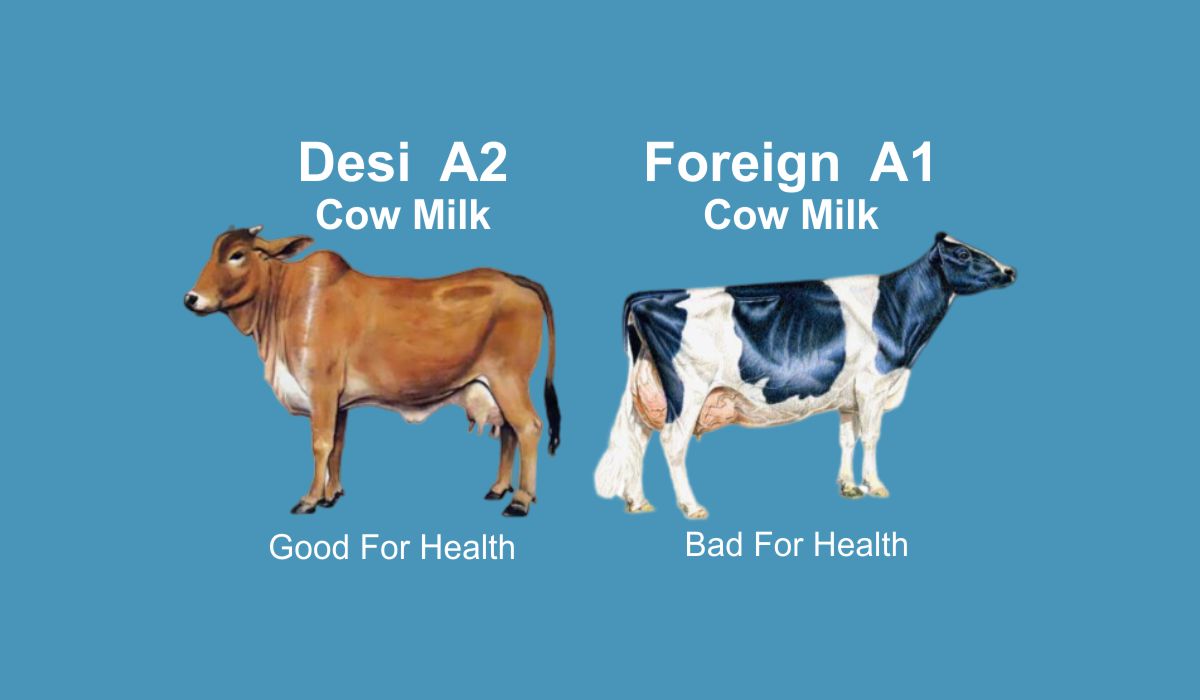
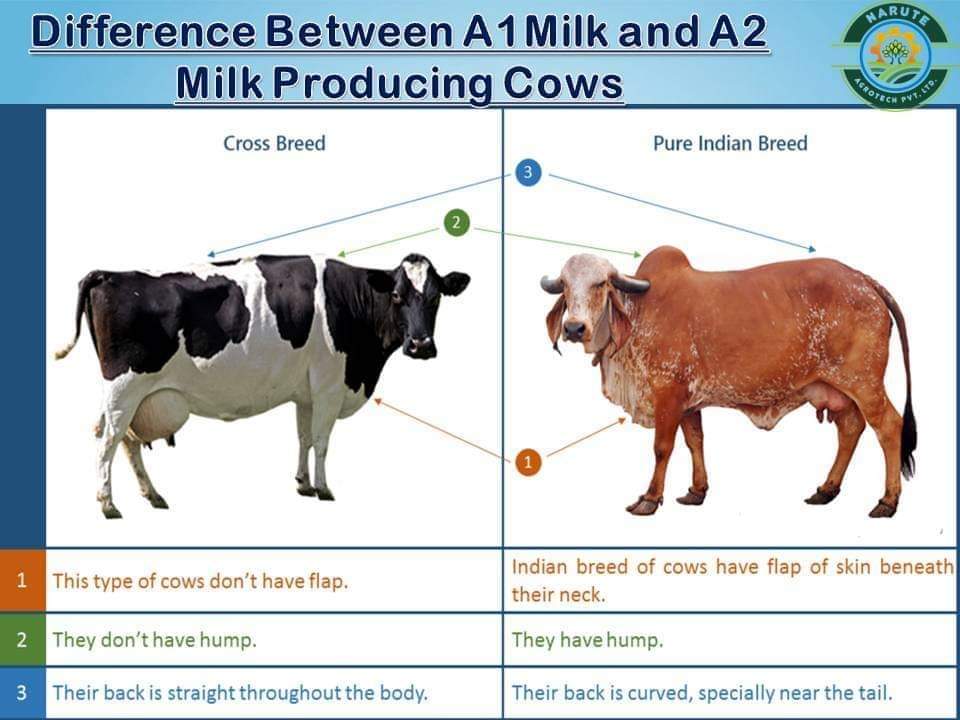
Today, many common Western dairy breeds, such as Holstein Friesians (the ubiquitous black-and-white cows), predominantly produce A1 milk, or a mixture of A1 and A2. In contrast, older, traditional breeds like Guernsey, Jersey, and various indigenous Indian and African cattle breeds (often referred to as ‘Desi’ cows) primarily produce A2 milk. This historical context suggests that human digestive systems evolved consuming only A2 milk for millennia, raising questions about how our bodies might react to the “newer” A1 variant.
The BCM-7 Hypothesis: What Makes A1 Different?
The primary concern surrounding A1 milk stems from the specific structure of its beta-casein protein. During the digestion of A1 beta-casein in the human gut, the presence of histidine at position 67 facilitates the enzymatic cleavage of a small opioid peptide called Beta-Casomorphin-7, or BCM-7. In contrast, the proline at position 67 in A2 beta-casein creates a stronger bond that prevents, or significantly limits, the release of BCM-7.
The “BCM-7 hypothesis” posits that this released peptide might be responsible for various adverse health effects observed in some individuals after consuming conventional A1 milk. Research, though still evolving and subject to ongoing debate within the scientific community, suggests BCM-7 could potentially interact with opioid receptors in the gut and other parts of the body. Proposed effects include digestive discomfort (bloating, gas, diarrhea, symptoms often mistaken for lactose intolerance), increased inflammation, and a possible link to a range of more serious conditions, including heart disease and type 1 diabetes, though these latter connections remain largely speculative and lack definitive human epidemiological evidence. Many people who experience discomfort with regular milk report feeling better when switching to A2 milk, attributing it to the absence of BCM-7. This perceived improvement is a major driver of the A2 milk market, regardless of the full scientific consensus on BCM-7’s systemic effects.
The Technology Behind A1/A2 Milk: From Genetics to Personalized Nutrition
The ability to distinguish between A1 and A2 milk, and to consistently produce and deliver A2 milk to consumers, is a testament to significant advancements in biotechnology and supply chain management. What once might have been an insurmountable challenge has been made possible through precision agriculture, genetic engineering techniques, and sophisticated tracking systems, pushing the boundaries of what’s achievable in the dairy industry.
Precision Agriculture and Genetic Testing
The foundation of producing A2 milk lies in identifying and breeding A2/A2 cows. This is where advanced biotechnology plays a pivotal role. Farmers no longer rely on guesswork or breed assumptions alone. Instead, genetic testing, a cornerstone of modern animal husbandry, allows for precise identification. DNA samples, often taken from hair follicles or blood, are sent to specialized laboratories where genotyping is performed. This process uses molecular biology techniques, such as Polymerase Chain Reaction (PCR) and DNA sequencing, to analyze the specific alleles present at the beta-casein gene locus. A cow can be A1/A1 (producing only A1 milk), A1/A2 (producing a mix), or A2/A2 (producing only A2 milk).
This precision allows dairy farmers to strategically manage their herds. They can select breeding stock that are exclusively A2/A2, ensuring that their offspring will also be A2/A2, thereby gradually converting entire herds to A2 milk production. This genetic testing is not merely about identifying existing cows but is a forward-looking technology that underpins the selective breeding programs crucial for the long-term sustainability and purity of A2 milk production. It exemplifies how technology is transforming agriculture from a traditional practice into a data-driven, scientifically optimized industry.
Innovating the Dairy Supply Chain
Producing A2 milk is only half the battle; ensuring its purity from farm to table is equally critical, and this demands a technologically sophisticated supply chain. Once A2/A2 cows are identified and established, they must be segregated from A1-producing cows to prevent cross-contamination. This involves dedicated milking facilities, separate storage tanks, and even distinct transportation routes for A2 milk.
Technology further bolsters this segregation and purity. Advanced sensors and automated systems monitor milk quality and origin at various stages. Blockchain technology, a recent innovation, is increasingly being explored and implemented to provide an immutable, transparent ledger of the milk’s journey. Each batch of A2 milk can be digitally tagged, with every step—from milking, chilling, processing, packaging, to distribution—recorded on the blockchain. This not only assures consumers of the product’s authenticity and purity but also enhances trust and reduces the potential for fraud. Furthermore, dairy processing plants employ sophisticated filtration and testing protocols to verify the absence of A1 beta-casein before the milk is bottled, adding another layer of technological assurance to the supply chain integrity.
The Future of Dairy: Nutrigenomics and AI’s Role
Looking ahead, the intersection of A1/A2 milk with technology promises even more exciting developments, particularly in the fields of nutrigenomics and artificial intelligence. Nutrigenomics, the study of how food affects gene expression, is poised to provide deeper insights into individual responses to dietary components like A1 and A2 beta-casein. Technologies that analyze an individual’s genetic profile could eventually recommend specific dietary choices, including milk type, optimizing personal health outcomes based on unique genetic predispositions. Imagine an app that, based on your DNA, tells you whether A1 or A2 milk is better suited for your digestive system.
Artificial intelligence (AI) and machine learning will play a crucial role in accelerating this research. AI algorithms can analyze vast datasets of genetic information, dietary habits, and health outcomes to identify subtle patterns and correlations that human researchers might miss. This could lead to a more comprehensive understanding of BCM-7’s long-term effects, refine our understanding of individual sensitivities, and even guide the development of new dairy products tailored to specific health needs. Beyond research, AI-powered smart farming systems are already optimizing cow health, feed, and milk production, ensuring higher quality and more efficient A2 milk supply, thereby pushing the dairy industry towards a highly personalized and technologically advanced future.
Branding and Marketing A Niche: The Rise of A2 Milk as a Premium Product
The journey of A2 milk from a scientific concept to a globally recognized brand is a masterclass in modern marketing and brand strategy. In a highly commoditized market like dairy, differentiation is key, and A2 milk has successfully carved out a lucrative niche by leveraging a unique scientific claim to build a premium brand identity.
Crafting a Brand Around a Scientific Difference
Marketing A2 milk presents a unique challenge: educating consumers about a complex biochemical difference that isn’t immediately visible or tangible. The strategy has largely revolved around simplifying the science and focusing on the tangible benefits: improved digestion and perceived comfort for those who struggle with regular milk. Brands have invested heavily in consumer education, using clear, accessible language to explain the A1/A2 distinction and the BCM-7 hypothesis. This often involves highlighting testimonials from consumers who have experienced digestive relief, effectively transforming a scientific abstract into a relatable solution for a common problem.
The branding itself positions A2 milk not just as an alternative, but as a superior, healthier choice. This premium positioning is reinforced through packaging, often featuring clean, natural aesthetics, and messaging that emphasizes purity, heritage (linking to traditional A2 breeds), and digestive wellness. The goal is to move beyond simply selling “milk” and instead offer a “wellness solution” that justifies a higher price point and fosters brand loyalty in a health-conscious market.
The A2 Milk Company: A Case Study in Market Disruption
Perhaps the most compelling example of successful A2 milk branding is The a2 Milk Company. Originating in New Zealand and Australia, this company pioneered the commercialization of A2 milk, meticulously building its brand around the singular focus of offering pure A2 beta-casein milk. Their strategy was audacious: to convince consumers that a fundamental difference in milk protein mattered, and that their product offered a tangible benefit.
The a2 Milk Company invested heavily in scientific research, even sponsoring studies to validate the digestive benefits of A2 milk. Simultaneously, they developed a robust testing and certification process to guarantee that their milk was entirely A2, providing crucial assurance to consumers. Their marketing campaigns focused on education and testimonial, creating a narrative of digestive comfort and improved well-being. This focused, research-backed, and consumer-centric approach allowed them to disrupt the traditional dairy market, expand globally (notably into China and the US), and establish A2 milk as a distinct and highly sought-after premium product. Their success demonstrates how a strong brand strategy, built on a genuine point of difference, can transform a commodity into a high-value consumer good.
Navigating Reputation and Consumer Education
While the success of A2 milk is undeniable, its journey hasn’t been without challenges. The scientific debate surrounding BCM-7’s precise health implications means that brands must navigate a landscape of evolving research and occasional skepticism. Effective reputation management involves transparent communication, acknowledging ongoing scientific inquiry while consistently emphasizing the observed consumer benefits.
Brands often highlight that A2 milk is not a cure-all but offers a solution for individuals sensitive to A1 milk. Consumer education is an ongoing process, requiring sustained marketing efforts to keep the message clear and consistent. This involves leveraging digital platforms, engaging with health professionals, and maintaining a strong online presence to address questions and build a community around the A2 milk lifestyle. The ability to manage this complex interplay between scientific rigor, consumer perception, and market demand is paramount for A2 milk brands to maintain their credibility and continued growth in the competitive health and wellness sector.
The Financial Implications: Value, Investment, and the Modern Dairy Economy
The rise of A2 milk isn’t just a story about science and marketing; it’s a significant financial narrative that has reshaped parts of the dairy industry, created new investment opportunities, and challenged traditional business models. From premium pricing to global market growth, the A2 phenomenon has tangible monetary impacts for producers, investors, and consumers alike.
The Premium Price Tag: Justifying the Cost
One of the most immediate financial aspects of A2 milk is its typically higher price point compared to conventional milk. This premium is not arbitrary; it’s a direct reflection of the additional costs associated with its production and marketing. Firstly, the initial investment in genetic testing to identify and establish A2/A2 herds is substantial. Secondly, maintaining separate A2 herds requires dedicated infrastructure—milking parlors, storage tanks, and transportation—to prevent any cross-contamination with A1 milk. This segregation adds operational complexity and cost.
Furthermore, the extensive marketing and consumer education efforts required to build brand awareness and justify the A2 differentiation are significant financial outlays. Brands must invest in research, advertising, and public relations to explain the science and articulate the perceived value proposition. For consumers, the decision to pay a premium for A2 milk often comes down to a cost-benefit analysis related to their health and comfort. If A2 milk alleviates digestive discomfort, many find the extra cost a worthwhile investment in their well-being, thus justifying the higher market price and creating a sustainable economic model for producers.
Investment Opportunities in the Specialty Dairy Sector
The success of A2 milk has opened up considerable investment opportunities within the specialty dairy sector. The a2 Milk Company, for instance, has seen remarkable growth and stock performance, attracting significant investor interest as a publicly traded entity. This success demonstrates the financial viability of focusing on niche, health-oriented food products with a strong scientific narrative.
Investors are now looking at other areas within the A2 ecosystem, including biotechnology firms that develop genetic testing kits for cows, specialized dairy processors, and even logistics companies that handle segregated A2 milk supply chains. The global market for A2 milk is projected to continue expanding, driven by increasing consumer awareness of digestive health, the growth of personalized nutrition trends, and rising disposable incomes in emerging markets. This market expansion creates fertile ground for venture capital and private equity investments in innovative startups within the dairy alternative and specialized food sectors, all seeking to capitalize on this growing demand.

Economic Shifts for Farmers and Businesses
For individual dairy farmers, the decision to convert to A2 milk production is a significant business finance decision. It requires careful financial planning, including the upfront costs of genetic testing, the potentially slower process of herd conversion through selective breeding, and the ongoing operational costs of segregation. However, for those who make the transition, the potential for higher margins on a premium product can offer a more stable and profitable business model compared to the volatile commodity milk market. It allows farmers to differentiate themselves and capture a segment of the market willing to pay more for a specialized product.
Beyond farmers, the A2 milk trend has impacted related businesses. Retailers must adapt their inventory and marketing strategies to accommodate this new product category. Food manufacturers are exploring the use of A2 milk in other dairy products like yogurt, cheese, and infant formula, expanding the market’s reach and creating new revenue streams. The ripple effect extends to areas like online income and side hustles, with niche farmers sometimes selling directly to consumers or consultants offering expertise on A2 herd management. The A1/A2 distinction has thus become a powerful economic force, driving innovation, shifting market dynamics, and creating new pathways to profitability within the ever-evolving global dairy industry.
In conclusion, the discourse around A1 and A2 milk transcends a simple nutritional debate. It encapsulates a compelling narrative of scientific discovery evolving into a powerful market force, driven by technological precision, shrewd branding, and significant financial implications. As consumer awareness around health and personalized nutrition continues to grow, the distinction between A1 and A2 milk will remain a pivotal topic, shaping how we produce, market, invest in, and ultimately consume one of humanity’s oldest dietary staples.
aViewFromTheCave is a participant in the Amazon Services LLC Associates Program, an affiliate advertising program designed to provide a means for sites to earn advertising fees by advertising and linking to Amazon.com. Amazon, the Amazon logo, AmazonSupply, and the AmazonSupply logo are trademarks of Amazon.com, Inc. or its affiliates. As an Amazon Associate we earn affiliate commissions from qualifying purchases.