
In the world of personal finance and real estate investing, the value of an asset is often determined by a combination of market timing, location, and physical condition. For homeowners and professional real estate investors alike, “Board and Batten” has transitioned from a historical construction necessity into a powerful tool for driving property valuation. While it may appear to be a simple aesthetic choice, understanding what board and batten is—and how it impacts your balance sheet—is essential for anyone looking to maximize their return on investment (ROI) through strategic home improvements.
Understanding Board and Batten as a Strategic Financial Investment
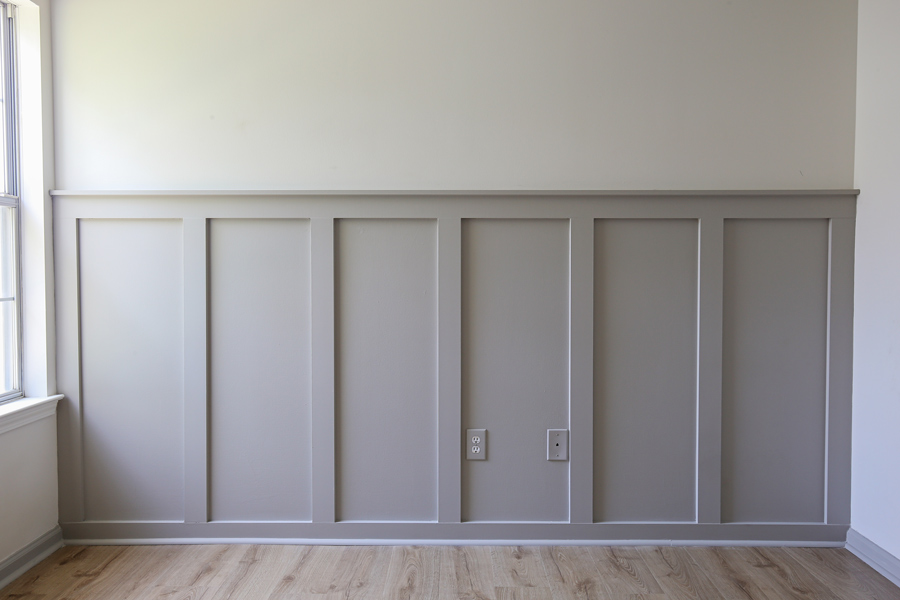
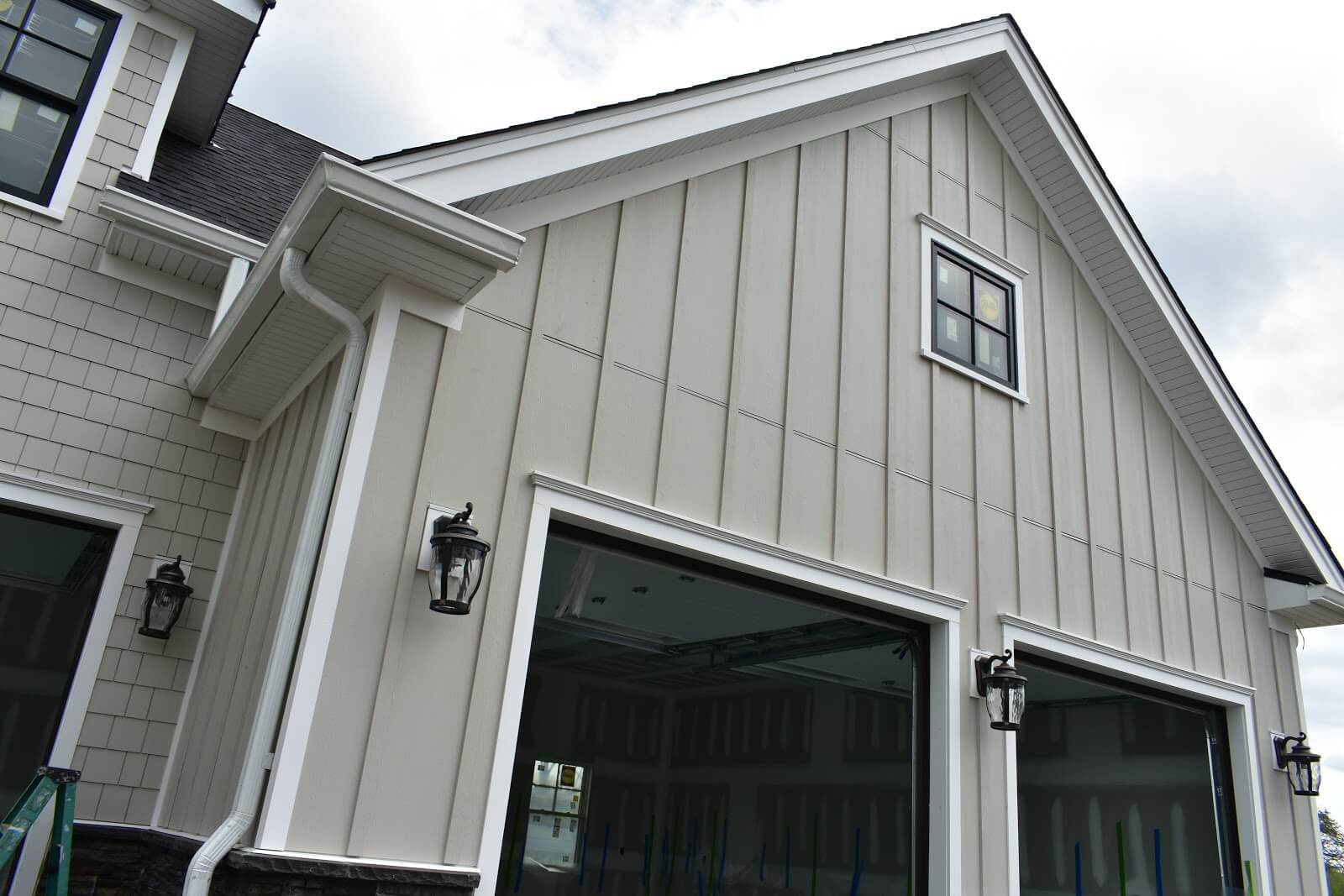
To understand the financial implications of board and batten, one must first understand its structural composition. Board and batten is a siding and paneling style that uses wide vertical planks (the boards) joined together by thin vertical strips (the battens) to cover the seams. Historically, this was used for barns and functional structures because it allowed for the natural expansion and contraction of wood. Today, it has become the hallmark of the “Modern Farmhouse” aesthetic, a design trend that has significantly moved the needle on property appraisals over the last decade.
Defining the Aesthetic in the Modern Market
From a financial perspective, aesthetic trends dictate liquidity. A home that adheres to current market preferences sells faster and often for a higher premium. Board and batten provides a texture and verticality that traditional horizontal lap siding lacks. In the current real estate climate, vertical lines are associated with modern, upscale renovations. By choosing this siding style, investors are essentially “future-proofing” the exterior of a property, ensuring it appeals to the largest possible pool of qualified buyers who are willing to pay a premium for move-in-ready, stylish homes.
Why Siding Choices Matter for Appraisal Value
Real estate appraisers look at “comparables” (comps) when determining the value of a property. If a neighborhood is seeing a shift toward high-end materials, sticking with dated vinyl siding can lead to a “functional obsolescence” discount. Board and batten, particularly when executed with modern materials like fiber cement, signals to an appraiser that the property has undergone a “capital improvement” rather than mere “maintenance.” This distinction is vital for those looking to refinance a home or open a Home Equity Line of Credit (HELOC), as it directly inflates the equity available for withdrawal.
The Cost-to-Value Ratio of Board and Batten Siding
In the Money niche, every dollar spent must be justified by the value it adds. The cost-to-value ratio of a siding project is one of the most reliable in the home improvement industry, often recouping 70% to 80% of its cost upon resale. However, the specific material used for your board and batten project will dictate your ultimate ROI and long-term maintenance liabilities.
Material Costs: Wood vs. Vinyl vs. Fiber Cement
When calculating the financial outlay for board and batten, investors generally choose between three main categories:
- Natural Wood (Cedar or Pine): While offering the most authentic look, wood requires the highest upfront investment and significant ongoing maintenance. From a wealth-preservation standpoint, wood can be a liability in humid climates due to rot and pest concerns, which can lead to “deferred maintenance” costs that eat into your profit margins.
- Vinyl: The most budget-friendly option, vertical vinyl siding mimics the board and batten look. While it offers a decent ROI for lower-end rental properties, it rarely commands the high-end appraisal values required for luxury flips.
- Fiber Cement (James Hardie): This is often considered the “gold standard” for real estate investors. It provides the durability of masonry with the look of wood. While the initial capital expenditure (CapEx) is higher than vinyl, the lack of maintenance and the high insurance ratings (due to fire resistance) make it the most sound financial choice for long-term equity growth.
Labor and Long-Term Maintenance Expenses
A professional financial analysis of board and batten must include the cost of labor and future upkeep. Because board and batten requires precise spacing and flashing to prevent water intrusion, labor costs are typically 10% to 20% higher than standard horizontal siding. However, when using engineered materials, the lifecycle of the product can exceed 30 to 50 years. For a “buy and hold” real estate investor, this reduces the “Capital Expenditure Reserve” needed for the property, thereby increasing the net monthly cash flow over the lifetime of the investment.

Board and Batten in Real Estate Flipping and Rental Strategy
For those involved in the business of real estate—flippers and landlords—board and batten serves a specific psychological and financial purpose. It is a “high-impact” upgrade. In the world of high-stakes flipping, the goal is to spend money on things that buyers can see and feel, rather than just on invisible repairs like plumbing or electrical.
Curb Appeal and the “First Impression” Premium
Studies in real estate psychology suggest that a buyer decides whether they are interested in a property within the first 30 seconds of arrival. This “curb appeal” translates directly into dollars. A property featuring board and batten accents (often used on gables or the front facade) creates a perceived value that often exceeds the actual cost of the material. If a $5,000 investment in board and batten accents allows a flipper to increase the asking price by $15,000, the 300% ROI on that specific line item is a no-brainer for a professional portfolio manager.
Sustainable Design for Lower Long-term Ownership Costs
Beyond the resale value, board and batten contributes to the “Money” aspect of homeownership through energy efficiency and durability. When installed with modern house wrap and insulation, it contributes to a tighter building envelope. For landlords who include utilities in the rent, or for homeowners looking to reduce monthly overhead, the energy savings over a decade can amount to thousands of dollars. Furthermore, the vertical orientation of the boards allows for better water shedding, reducing the risk of mold and structural damage—the types of “black swan” financial events that can ruin a real estate investment.
Financing Your Home Improvement: Tax Implications and Loans
Deciding to install board and batten is a major financial decision that requires a capital allocation strategy. Whether you are using cash reserves or financing the project, you must consider how this fits into your broader financial plan.
Home Equity Lines of Credit (HELOC) for Renovations
Many savvy investors use a HELOC to fund exterior renovations like board and batten siding. Because this is considered a “substantial improvement” that increases the value of the home, the interest on a loan used specifically for this purpose may be tax-deductible (consult a tax professional, as laws vary by jurisdiction). By using the home’s own equity to fund an upgrade that further increases that equity, investors create a “virtuous cycle” of wealth building.
Tax Deductibility of Capital Improvements
It is crucial to distinguish between a “repair” and an “improvement” for tax purposes. Painting your old siding is a repair; it is a current expense. Installing new board and batten siding is a capital improvement. This means the cost of the project is added to your “basis” in the property. When you eventually sell the asset, a higher basis reduces your capital gains tax liability. For high-net-worth individuals or active real estate investors, this tax shielding is a primary motivation for high-end exterior renovations.
Conclusion: The Bottom Line on Board and Batten
In conclusion, “what is board and batten” is a question that goes far beyond architectural style. In the context of money and finance, it is a strategic asset allocation. It is a choice to invest in a high-durability, high-demand exterior finish that drives appraisal value, reduces long-term maintenance liabilities, and offers significant tax advantages through basis adjustment.
Whether you are a homeowner looking to maximize your primary residence’s equity or an investor seeking to optimize a rental portfolio, board and batten represents a fusion of form and financial function. By understanding the costs, the materials, and the market psychology behind this trend, you can turn a simple siding choice into a cornerstone of your real estate investment strategy. In the modern economy, your home is not just a shelter; it is a financial instrument, and board and batten is one of the most effective ways to tune that instrument for maximum performance.
aViewFromTheCave is a participant in the Amazon Services LLC Associates Program, an affiliate advertising program designed to provide a means for sites to earn advertising fees by advertising and linking to Amazon.com. Amazon, the Amazon logo, AmazonSupply, and the AmazonSupply logo are trademarks of Amazon.com, Inc. or its affiliates. As an Amazon Associate we earn affiliate commissions from qualifying purchases.