
In the hyper-competitive landscape of global commerce, the term “Black Label” has transcended its literal meaning to become a universal shorthand for exclusivity, luxury, and superior quality. Whether it appears on a bottle of scotch, a line of designer apparel, or a suite of concierge services, the Black Label represents the pinnacle of a brand’s offerings. But what exactly is a Black Label strategy, and why does it hold such a profound psychological grip on the modern consumer?
To understand the Black Label is to understand the intersection of brand strategy, consumer psychology, and market segmentation. It is a deliberate move by companies to create a “brand within a brand,” carving out a space for high-net-worth individuals or those seeking aspirational experiences. In this exploration, we will deconstruct the mechanics of Black Label branding, its differentiation from other private labeling strategies, and how businesses can leverage this concept to elevate their market presence.
The Anatomy of a Black Label Strategy: More Than Just a Color
At its core, a Black Label strategy is about tiering. Brands often operate on a spectrum, catering to different demographics with varying levels of purchasing power. The Black Label serves as the “prestige tier,” sitting at the top of the brand hierarchy.
The Psychology of Black in Branding
The choice of the color black is rarely accidental. In the world of design and marketing, black is the ultimate paradox: it is the absence of color, yet it carries the most weight. It signifies authority, power, elegance, and mystery. When a brand adopts a “Black Label,” it is leveraging these subconscious associations to communicate that the product is timeless and elite. Unlike bright, “loud” colors that scream for attention, black suggests a quiet confidence—a product that doesn’t need to shout because its quality speaks for itself.
The Concept of Scarcity and Exclusivity
A fundamental component of the Black Label niche is the principle of scarcity. For a Black Label product to maintain its status, it cannot be ubiquitous. Brand managers often limit the production runs of these items or restrict their availability to flagship stores and exclusive digital portals. This creates a “Veblen good” effect, where the demand for the product increases as its price increases, primarily because it serves as a status symbol.
Premium Pricing as a Quality Signal
In brand strategy, price is a communicative tool. A Black Label product is intentionally priced significantly higher than the standard line. This isn’t merely to cover higher production costs; it’s a signal to the market. For the target consumer, a high price point acts as a filter, ensuring that the brand remains associated with a specific social or professional echelon.
Black Label vs. White Label: Understanding the Distinction
In the world of corporate identity and marketing, terms like “White Label,” “Private Label,” and “Black Label” are frequently used, but they represent vastly different business models.
White Labeling: The Foundation of Scalability
A White Label product is a generic item produced by one manufacturer that other companies rebrand and sell as their own. The focus here is on efficiency and mass-market reach. For example, a software company might create a “white label” platform that fifty different agencies use under their own logos. The goal of white labeling is volume and utility, not necessarily prestige.
Private Labeling: Store-Specific Identity
Private labels are products manufactured specifically for a retailer, such as a grocery store’s “organic” line. While these have improved in quality over the years, they are generally positioned as high-value alternatives to national brands. They focus on loyalty to the retailer rather than the inherent luxury of the product.
The Black Label: The Prestige Pinnacle
Unlike White Labeling, which hides the manufacturer, or Private Labeling, which highlights the retailer, a Black Label is an internal elevation of an existing brand. It is an “upsell” within the brand’s own ecosystem. When a consumer buys a Black Label product, they are not looking for a bargain or a generic solution; they are looking for the absolute best version of a brand they already trust. It is the difference between buying a standard sedan and a bespoke, limited-edition version of that same car.
Case Studies in Excellence: How Iconic Brands Use the Black Label
To truly understand how to execute a Black Label strategy, one must look at the pioneers who have successfully used this branding tool to dominate their respective industries.
Ralph Lauren: A Masterclass in Tiered Branding
Ralph Lauren is perhaps the most famous example of using labels to segment a market. The company manages various tiers, from the accessible “Polo Ralph Lauren” to the high-end “Purple Label” and the rugged “RRL.” The “Black Label” (which was eventually folded into other lines but remains a legendary case study) was designed to bridge the gap between the classic Polo line and the ultra-luxury Purple Label. It featured slim silhouettes, modern fabrics, and a sophisticated aesthetic that appealed to the urban professional. It allowed the brand to capture a segment of the market that found the standard line too traditional and the top-tier line too expensive or formal.
Johnnie Walker: The Visual Language of Quality
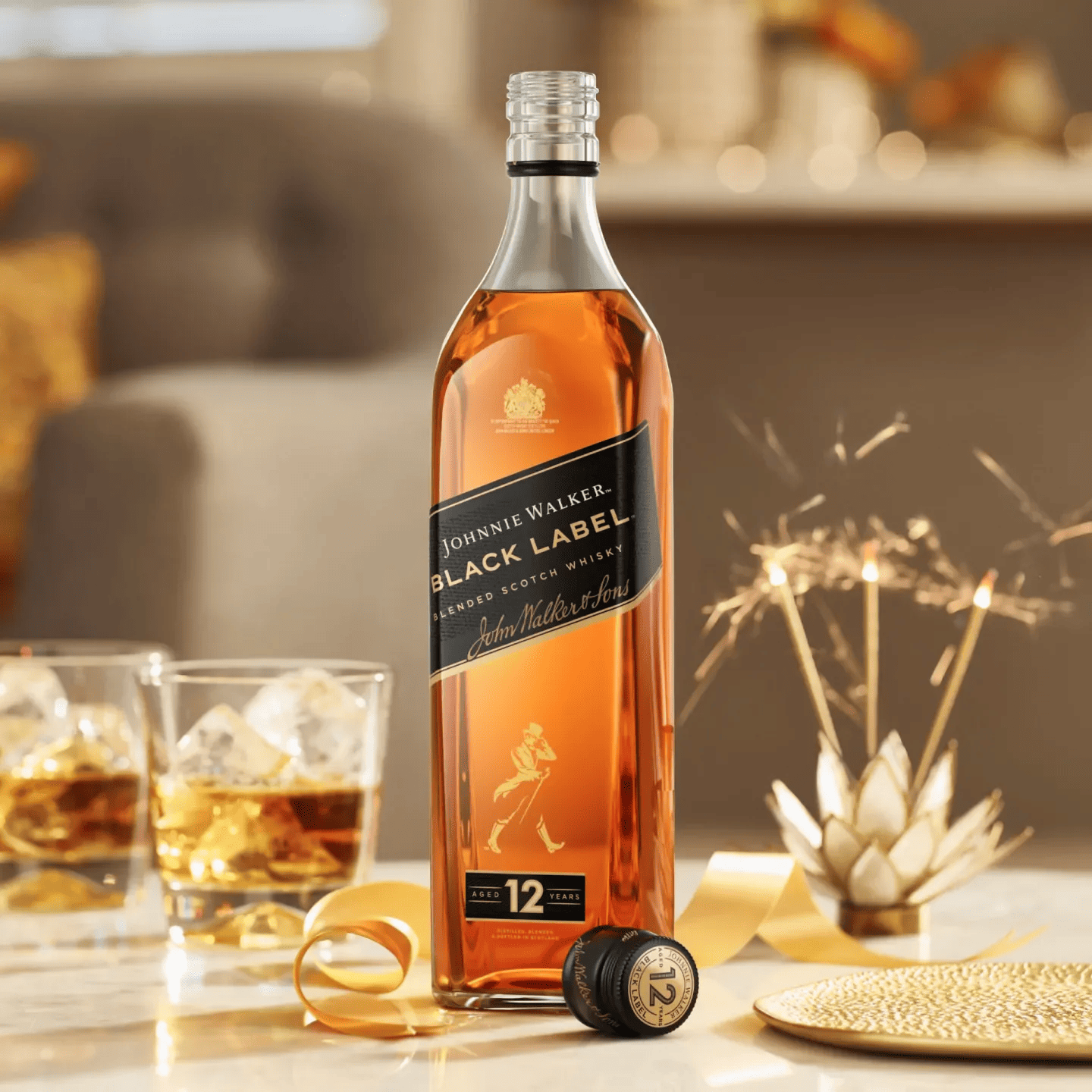
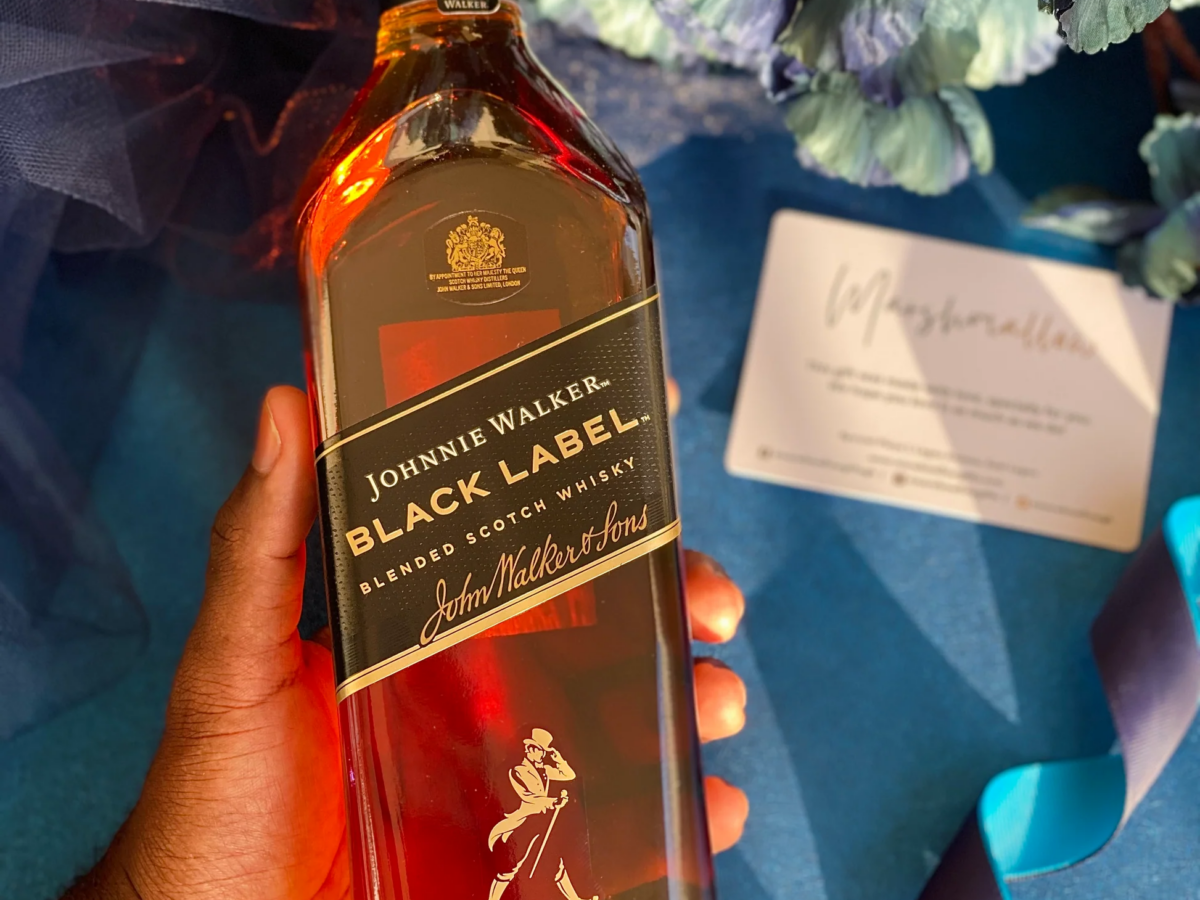
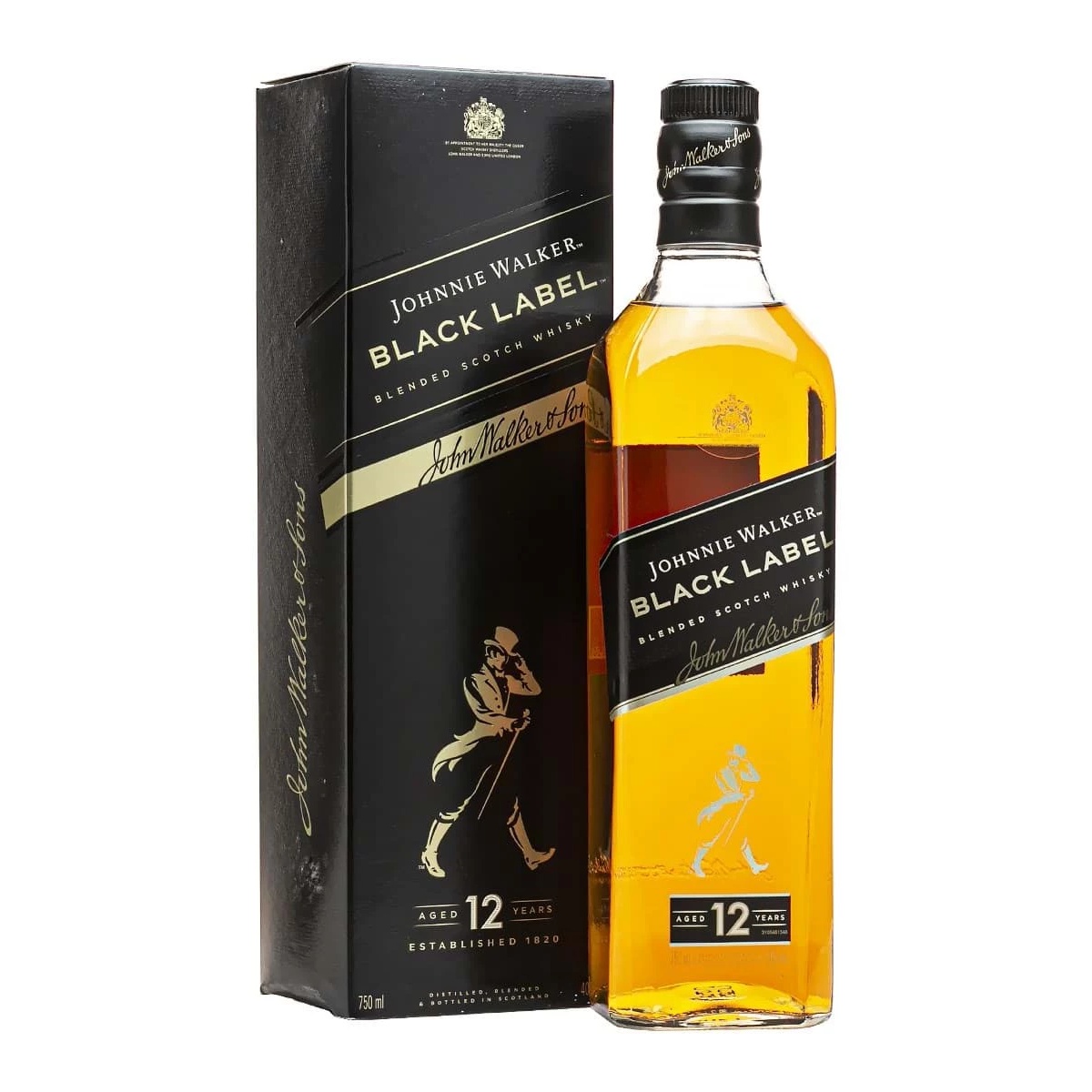
In the spirits industry, Johnnie Walker has perfected the “color label” hierarchy. Their “Red Label” is for mixing, “Black Label” is the standard for premium blended scotch, and “Blue Label” is the ultra-premium offering. The Johnnie Walker Black Label is iconic because it represents the “entry-level luxury” segment. It is accessible enough for a successful professional to enjoy regularly, yet prestigious enough to be given as a high-quality gift. By using the Black Label as a benchmark, the brand has created a ladder that consumers can climb as their tastes and income evolve.
The Automotive Industry: Lincoln’s Black Label
The American car manufacturer Lincoln revitalized its brand identity by introducing the “Black Label” program. This wasn’t just about a higher trim level for the vehicle; it was an entire lifestyle experience. Black Label owners receive personalized concierge services, complimentary car washes, and access to a curated network of luxury restaurants. In this context, the Black Label is a service-based brand strategy that emphasizes the “experience economy,” proving that the label can apply to more than just physical goods.
Implementing a Black Label Tier in Your Brand Strategy
For business owners and brand strategists, launching a Black Label line can be a transformative move, but it requires surgical precision.
Identifying the Gap in Your Portfolio
The first step is to determine if your brand has the “permission” to move upscale. Do you have a core customer base that is asking for more? A Black Label should solve a problem for your most loyal customers—the problem of wanting something better, more exclusive, or more specialized than your current top offering.
Defining the “Black Label” Difference
You must be able to articulate exactly what makes the Black Label superior. Is it the materials? The craftsmanship? The level of service? If the difference is only cosmetic, the market will eventually see through the “marketing veneer,” and the brand’s reputation could be damaged. The Black Label must offer a tangible leap in quality.
Creating a Bespoke Marketing Funnel
The marketing for a Black Label product should look and feel different from your standard marketing. It should be more minimalist, more editorial, and more exclusive. Instead of mass-market digital ads, think about targeted placements, private events, or high-touch personal outreach. The goal is to make the customer feel like they are being “invited” into the Black Label world rather than being sold to.
The Future of Premium Branding in a Digital-First Economy
As we move further into the 21st century, the concept of the Black Label is evolving. It is no longer just about physical goods; it is about digital identity and access.
Digital Black Labels and Subscription Models
We are seeing the rise of “Digital Black Labels”—premium tiers of software-as-a-service (SaaS) or digital communities that offer “Black Label” access. This might include 24/7 human support, early access to new features, or a badge of status within a digital ecosystem. In the age of AI and automation, the ultimate luxury (the “Black Label” experience) is often human connection and personalized attention.
Sustainability as the New Luxury
The modern Black Label consumer is increasingly concerned with ethics and sustainability. The “Black Label” of the future will not just be about the finest materials, but about the most ethical supply chains and the smallest carbon footprints. Brands that can marry the aesthetic of the Black Label with the values of the conscious consumer will be the leaders of the next generation of luxury.
Conclusion: The Lasting Power of the Black Label
The “Black Label” is more than a marketing gimmick; it is a sophisticated branding tool that taps into the human desire for excellence and distinction. By creating a premium tier, brands can protect their core identity while simultaneously reaching for the heights of luxury. Whether you are a global corporation or a growing startup, understanding the principles of the Black Label—scarcity, quality, and psychological resonance—is essential for building a brand that stands the test of time. In a world of infinite choices, the Black Label remains the definitive mark of the exceptional.
aViewFromTheCave is a participant in the Amazon Services LLC Associates Program, an affiliate advertising program designed to provide a means for sites to earn advertising fees by advertising and linking to Amazon.com. Amazon, the Amazon logo, AmazonSupply, and the AmazonSupply logo are trademarks of Amazon.com, Inc. or its affiliates. As an Amazon Associate we earn affiliate commissions from qualifying purchases.