
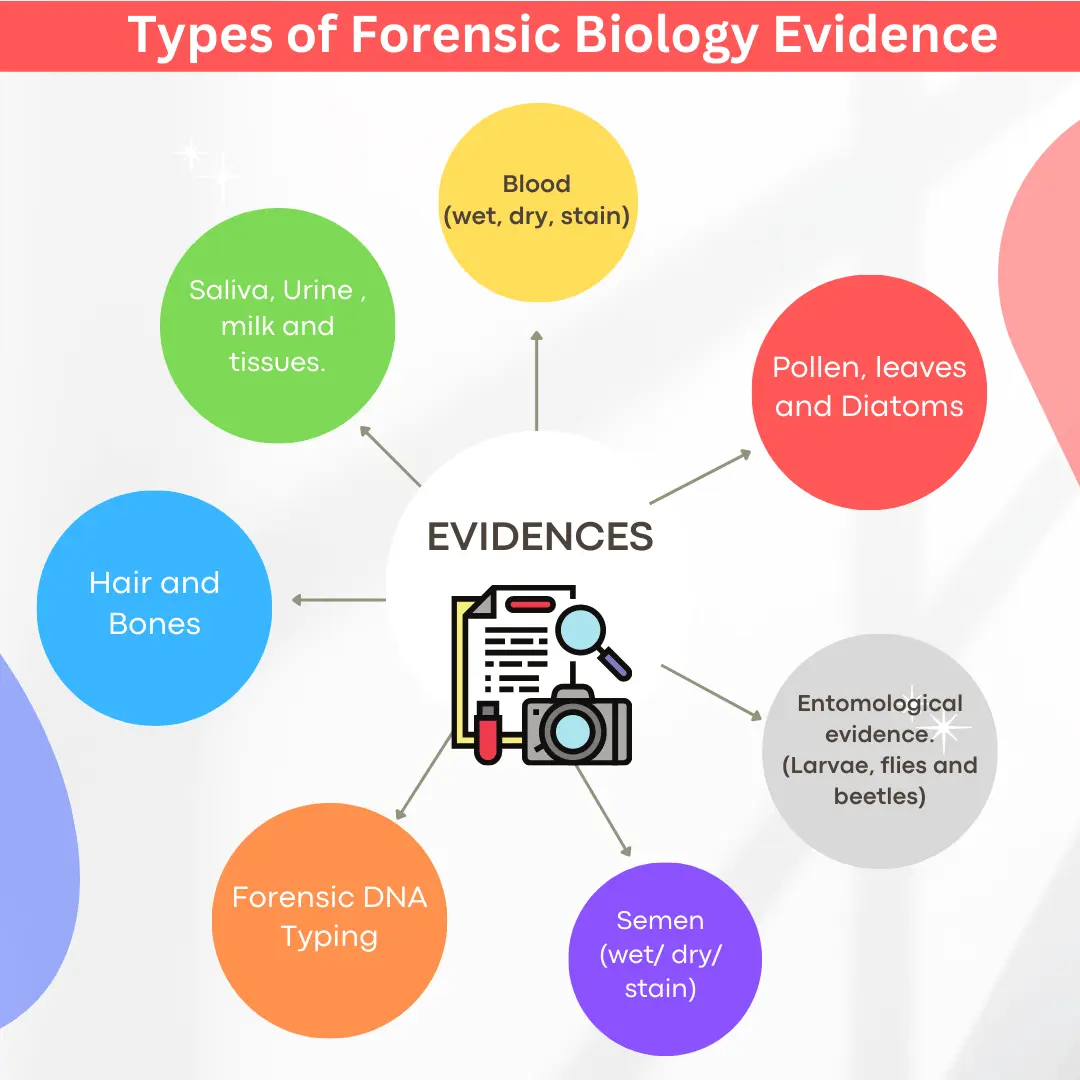
In the contemporary landscape of digital security and forensic science, the definition of biological evidence has undergone a profound transformation. Traditionally, “biological evidence” referred to physical samples—blood, hair, or skin cells—collected at a crime scene. However, within the sphere of modern technology, this concept has evolved into a sophisticated domain of data science, biometric authentication, and high-tech identification systems. Today, biological evidence is as much about digital algorithms and sensor hardware as it is about organic matter.
For tech professionals, software developers, and security experts, biological evidence represents the ultimate “human-centric” data point. It is the bridge between the physical self and the digital identity. As we integrate AI and machine learning into our daily lives, understanding how biological evidence is captured, digitized, and secured is essential for navigating the future of technology.
1. Defining Biological Evidence through the Lens of Modern Tech
In a technological context, biological evidence is defined as the physiological or behavioral characteristics that can be captured via sensors and translated into digital code to identify a specific individual. This process, known as biometric capture, is the foundation of modern security protocols and forensic technology.
From Physical Samples to Digital Templates
The transition from a physical sample to a digital “template” is a masterpiece of engineering. When a smartphone captures a fingerprint or a high-resolution camera scans a retina, it is not storing an image of that body part. Instead, software algorithms analyze specific “minutiae points”—the unique ridges of a finger or the intricate patterns of an iris—and convert them into a mathematical representation. This digital evidence is what the system compares during future authentication events.
The Role of High-Resolution Sensors and Edge Computing
The quality of biological evidence is entirely dependent on the hardware used to collect it. We have seen a shift from simple optical scanners to ultrasonic and capacitive sensors. Capacitive sensors, often found in mobile devices, use tiny electrical currents to map the valleys and ridges of skin. More recently, ultrasonic sensors use sound waves to penetrate the surface of the skin, creating a 3D map that is much harder to spoof. This hardware, combined with edge computing (processing the data on the device rather than the cloud), ensures that biological evidence is both accurate and rapidly accessible.
2. Biometric Authentication: The “Biological Evidence” of Personal Identity
The most prevalent application of biological tech today is biometric authentication. Whether it is unlocking a workstation or authorizing a high-value financial transaction, biological evidence has become the gold standard for multi-factor authentication (MFA).
Facial Recognition Algorithms and Neural Networks
Facial recognition represents one of the most complex implementations of biological evidence processing. Modern systems utilize Deep Neural Networks (DNNs) to map the geometry of the face, including the distance between the eyes and the contour of the jawline. Advanced versions, such as Apple’s FaceID, project thousands of invisible infrared dots to create a depth map. This technology ensures that the “evidence” provided is from a live human being rather than a photograph or a high-definition screen, a process known as “liveness detection.”
Iris Scanning and Multi-Modal Biometrics
While fingerprints are common, iris scanning is gaining traction in high-security environments. The iris is a muscle that contains highly complex patterns that remain stable throughout a person’s life. Because the iris is protected by the cornea, it is less susceptible to damage than fingerprints. Emerging tech trends are now moving toward “multi-modal biometrics,” which combine different types of biological evidence—such as gait analysis (how a person walks) and voice recognition—to create a near-impenetrable layer of digital security.
The Security Architecture of “Biological Keys”
One of the critical tech challenges is how to store this biological evidence. Unlike a password, you cannot change your DNA or your fingerprints if they are “leaked.” Therefore, modern security architecture uses “Secure Enclaves”—isolated hardware components within a processor that store biometric data separately from the main operating system. This ensures that even if the software is compromised, the biological evidence remains encrypted and inaccessible.
3. Bio-Forensics and AI: Processing Complex Data Samples
Beyond consumer gadgets, the technology used to analyze biological evidence in forensic labs has been revolutionized by Artificial Intelligence and Machine Learning (ML).
Machine Learning in DNA Sequencing
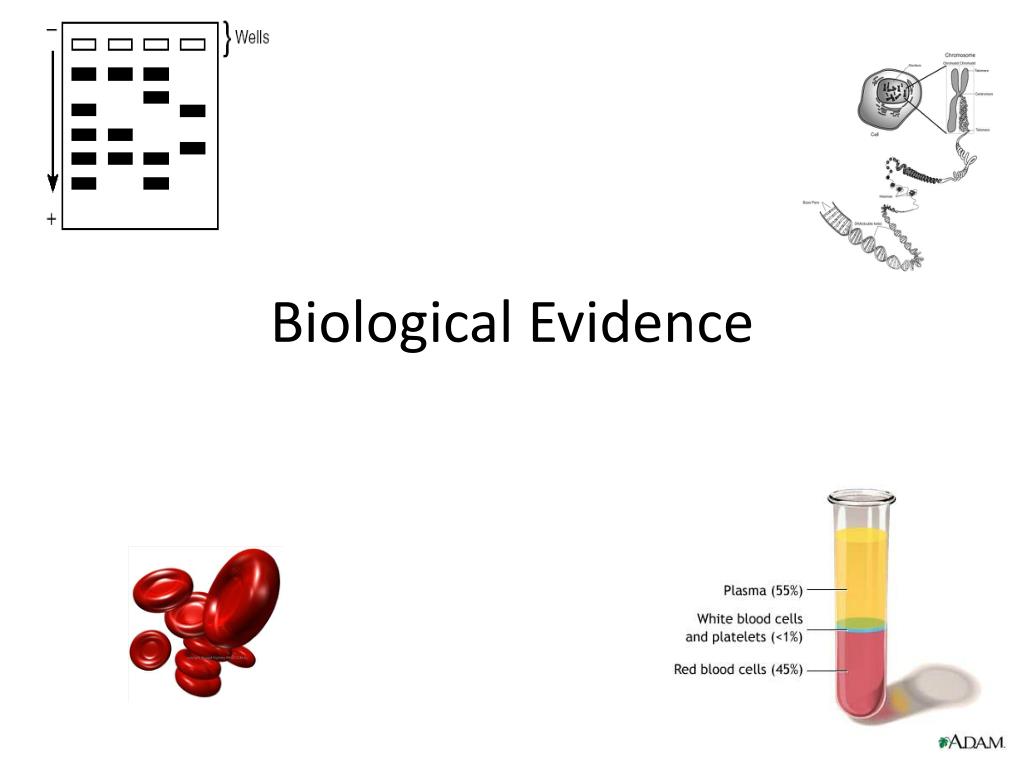
DNA remains the most definitive form of biological evidence. The tech industry has contributed to this field through Next-Generation Sequencing (NGS) software. These platforms use ML algorithms to assemble fragmented DNA sequences at speeds that were impossible a decade ago. AI can now identify patterns in “junk DNA” to predict physical traits (phenotyping) or familial connections, allowing investigators to build a digital profile of an individual based solely on a microscopic biological sample.
Automated Fingerprint Identification Systems (AFIS)
The evolution of AFIS illustrates the power of database technology and search algorithms. Modern AFIS can search through millions of records in seconds, using spatial geometry and ridge-counting algorithms to find matches. The integration of cloud computing allows for cross-jurisdictional evidence sharing, enabling different agencies to synchronize their biological databases in real-time.
Bio-Digital Reconstruction Tools
New software tools are now capable of taking degraded biological evidence and “filling in the gaps” using predictive modeling. For instance, if a fingerprint is partial or smudged, AI-driven image enhancement can reconstruct the missing segments with a high degree of probability. Similarly, software can now reconstruct a 3D digital model of a face based on genomic data, providing a visual representation of biological evidence that was previously invisible to the naked eye.
4. The Future of Biological Data: Privacy, Security, and Storage
As we look toward the next decade, the intersection of biological evidence and technology is heading toward two major frontiers: revolutionary storage methods and decentralized identity.
DNA Data Storage: The Ultimate Hard Drive
Perhaps the most fascinating tech trend is the use of biological matter as a storage medium for digital data. Scientists have successfully encoded digital files—binary code—into synthetic DNA strands. DNA is incredibly dense and can last for thousands of years, making it a potential replacement for silicon-based storage. In this scenario, the biological evidence is the data center. This technology could allow for the storage of the entire world’s data within a few kilograms of biological material.
Blockchain and Bio-Identity
The integration of blockchain technology offers a solution to the privacy concerns surrounding biological evidence. By using decentralized identifiers (DIDs), individuals could theoretically own their biometric data. Instead of a central database holding your facial map, it would be stored on a blockchain-secured personal vault. When an app needs to verify your identity, it uses a “Zero-Knowledge Proof”—a cryptographic method where the system confirms you are who you say you are without ever actually seeing or “possessing” your biological data.
5. Ethical Tech Challenges and Regulatory Frameworks
The rapid advancement of biological evidence technology is not without its hurdles. Developers and tech leaders must grapple with the ethical implications of the tools they create.
Algorithmic Bias in Biometrics
A significant tech challenge in biological evidence processing is algorithmic bias. Research has shown that many facial recognition models have higher error rates for certain demographics due to lack of diversity in the training datasets. For tech companies, solving this requires more robust AI training protocols and the implementation of “Explainable AI” (XAI), which allows developers to understand exactly how a system reached a specific identification conclusion.
Regulatory Standards and the “Right to Biological Privacy”
As biological evidence becomes more digitizable, governments are introducing strict tech regulations, such as the GDPR in Europe and various BIPA (Biometric Information Privacy Act) laws in the US. These regulations mandate that companies be transparent about how they collect, process, and delete biometric data. For software architects, this means building “Privacy by Design” into every application that touches biological evidence, ensuring that data minimization is the default setting.
Conclusion: The Bio-Digital Convergence
Biological evidence is no longer a static physical entity; it is a dynamic, digital asset. Through the lens of technology, it represents the most intimate form of data we possess. As sensors become more sensitive, AI becomes more perceptive, and storage becomes more biological, the line between our physical bodies and our digital footprints will continue to blur. For the tech industry, the challenge lies in harnessing this powerful evidence to create a more secure and efficient world, while simultaneously protecting the fundamental privacy of the humans behind the data.
aViewFromTheCave is a participant in the Amazon Services LLC Associates Program, an affiliate advertising program designed to provide a means for sites to earn advertising fees by advertising and linking to Amazon.com. Amazon, the Amazon logo, AmazonSupply, and the AmazonSupply logo are trademarks of Amazon.com, Inc. or its affiliates. As an Amazon Associate we earn affiliate commissions from qualifying purchases.