
In the rapidly evolving landscape of digital health, the intersection of human physiology and advanced technology has never been more critical. While terms like “atrial kick” were once confined to the hallowed halls of medical schools and cardiology wards, they are increasingly becoming part of the vernacular for software engineers, wearable tech developers, and AI researchers.
The “atrial kick” represents the final 20% to 30% of blood volume contributed to the ventricles by the contraction of the atria. In a healthy heart, this “kick” is the difference between optimal efficiency and hemodynamic compromise. In the world of technology, however, the atrial kick represents a data point—a signature in the noise of biological signals that determines how we design the next generation of life-saving gadgets. This article explores the technological frameworks used to monitor, analyze, and preserve this vital cardiac function.
Decoding the Biomechanics: Why Atrial Kick Matters in the Digital Health Era
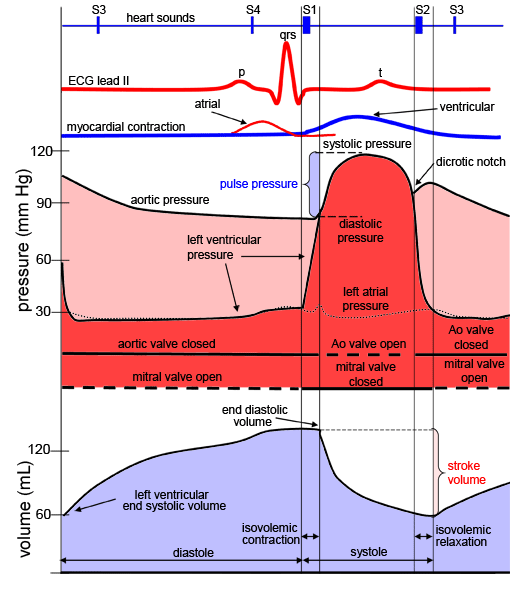
Before diving into the hardware and software, one must understand the biological “user interface” of the heart. The cardiac cycle is a masterpiece of timing. The atrial kick occurs during the end of diastole, where the left and right atria contract to top off the ventricles before they pump blood to the lungs and the rest of the body.
The Physiological Baseline: Mapping the P-Wave
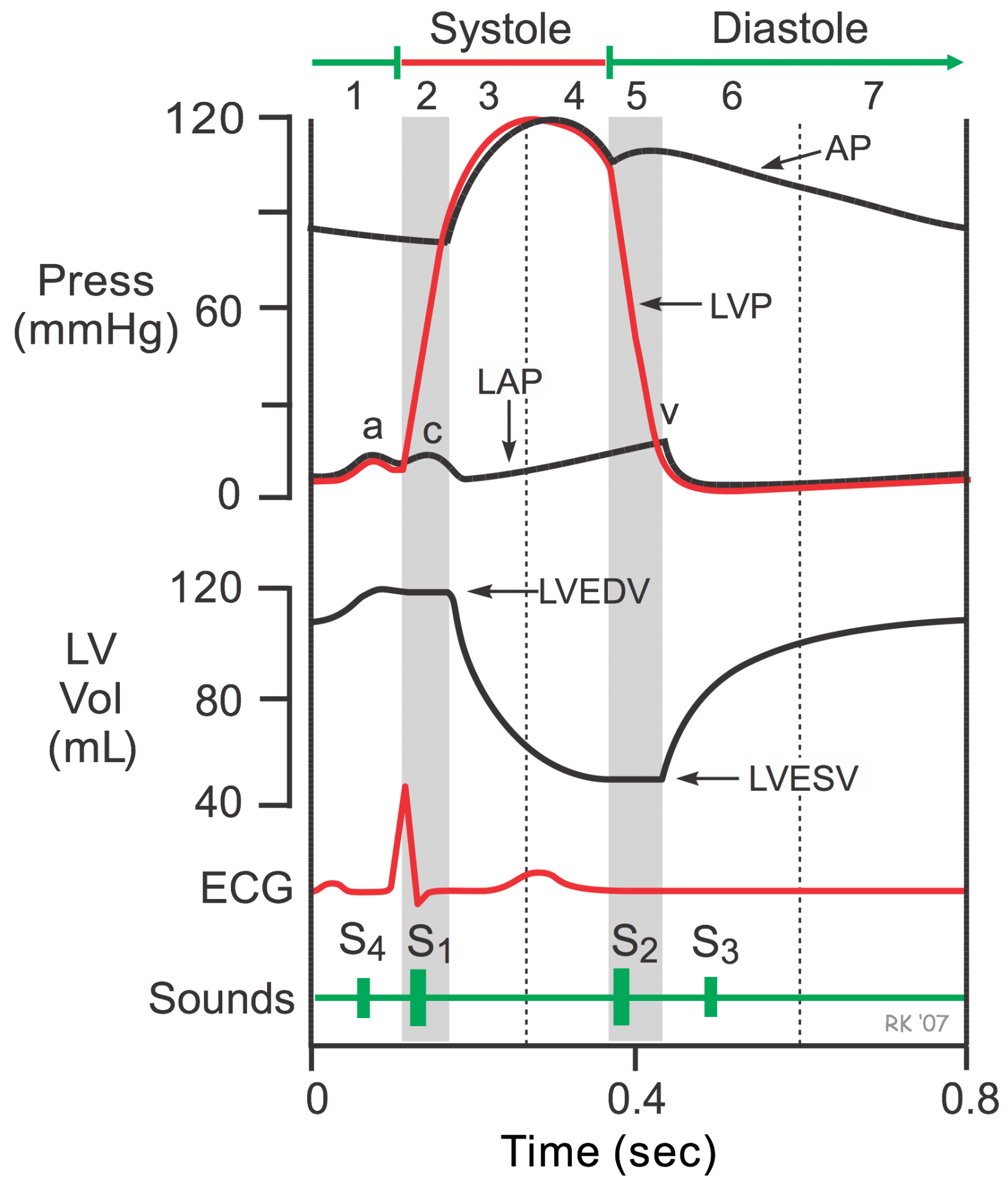
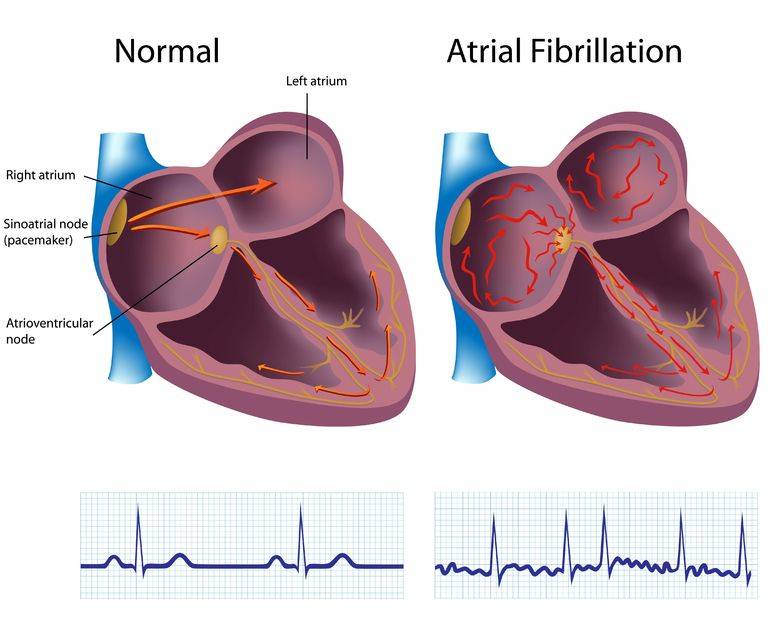
In the context of HealthTech, the atrial kick is synonymous with the “P-wave” on an electrocardiogram (ECG). For developers building diagnostic algorithms, the P-wave is the primary indicator of atrial activity. When a patient loses their atrial kick—most commonly due to Atrial Fibrillation (AFib)—their cardiac output can drop significantly. For a tech-savvy consumer using a wearable, this physiological dip manifests as decreased exercise tolerance or unexplained fatigue, data points that modern fitness trackers are now programmed to flag.
The Impact of AFib on Data Interpretation
Atrial Fibrillation is essentially the “system crash” of the atrial kick. When the atria quiver instead of contracting, the kick is lost. From a software perspective, this creates an irregular heart rate pattern that requires sophisticated filtering to distinguish from mere “noise” or physical movement. Understanding the loss of atrial kick is the foundational logic behind the “Irregular Rhythm Notification” systems found in modern smartwatches.
Wearable Technology and the Detection of Atrial Dynamics
The transition of cardiac monitoring from bulky hospital bedside monitors to sleek wrist-worn devices represents one of the greatest leaps in consumer technology. To detect the presence or absence of an atrial kick, tech companies utilize two primary sensing methods: Photoplethysmography (PPG) and Electrocardiography (ECG).
From PPG to ECG: How Smartwatches Measure Heart Rhythms
Most wearables use PPG, which involves shining green LED lights into the skin to measure changes in blood volume. However, PPG is often insufficient for capturing the nuance of the atrial kick. This is why high-end gadgets, such as the Apple Watch Series 4 and later, or the Samsung Galaxy Watch, have integrated electrodes into the digital crown and back crystal.
By completing a circuit across the user’s chest, these devices can record a single-lead ECG. The tech challenge here is massive: miniaturizing a process that traditionally required a 12-lead machine and conductive gel into a dry-contact sensor that works in seconds. Engineers must account for “skin-to-electrode impedance,” using sophisticated digital signal processing (DSP) to isolate the tiny electrical impulse of the atrial contraction.
Signal Processing and the “P-Wave” Challenge
The P-wave, which represents the atrial kick, is notoriously difficult to detect with consumer-grade sensors because its electrical amplitude is much lower than the R-wave (ventricular contraction). Tech firms are currently investing billions in advanced DSP algorithms that can “clean” the signal. These algorithms use high-pass and low-pass filters to remove interference from muscle tremors or electromagnetic “hum” from surrounding electronics, allowing the software to confirm if that crucial 20% boost in cardiac output is actually happening.
AI and Machine Learning: Predicting Hemodynamic Shifts
Detection is only the first step. The real “tech” in the atrial kick narrative lies in predictive analytics. Artificial Intelligence (AI) and Machine Learning (ML) are being trained to predict when a user is at risk of losing their atrial kick before it even happens.
Deep Learning Models for Early AFib Detection
By training on millions of hours of ECG data, deep learning models can now identify “micro-patterns” that precede the loss of the atrial kick. These models look for “ectopic beats” or subtle variations in the P-R interval that the human eye—and even traditional software—might miss. Companies like AliveCor are leading this charge, using AI to turn a smartphone into a clinical-grade diagnostic tool. The goal is to move from reactive technology (detecting a problem) to proactive technology (predicting a failure).
Real-Time Data Analytics in Clinical Decision Support
The integration of this data into the broader tech ecosystem is vital. Through Cloud-based health platforms, data regarding a user’s atrial kick can be sent directly to a physician’s dashboard. This represents a shift in “Big Data” utility. Instead of just counting steps, we are now streaming high-fidelity hemodynamic data. The challenge for software architects is interoperability—ensuring that the data from a proprietary wearable can be seamlessly ingested by a hospital’s Electronic Health Record (EHR) system using protocols like FHIR (Fast Healthcare Interoperability Resources).
The Future of Remote Patient Monitoring (RPM)
As we look toward the future, the technology surrounding the atrial kick will move beyond the wrist. We are entering the era of “invisible” monitoring, where our environment takes over the task of health surveillance.
Beyond the Hospital: Continuous Monitoring Ecosystems
New tech startups are developing “smart textiles” and bed sensors that use ballistic cardiography (measuring the mechanical recoil of the body with each heartbeat) to monitor the atrial kick. Imagine a smart shirt that tracks your heart’s efficiency while you sleep, using fiber-optic sensors to detect the mechanical “kick” of the atria. This eliminates “user friction”—the need for the patient to remember to take a reading—making the technology truly ambient.
Software as a Medical Device (SaMD)
The regulatory landscape is also shifting. The FDA now classifies many of the algorithms used to monitor atrial activity as “Software as a Medical Device” (SaMD). This is a high bar for tech companies to clear, requiring rigorous clinical validation. However, it also opens up new revenue streams and partnerships between tech giants and pharmaceutical companies. If an app can prove that a patient’s atrial kick has returned to normal due to a specific medication, the value of that data to the biotech industry is immeasurable.
Conclusion: The Convergence of Biology and Bits
The concept of the “atrial kick” serves as a perfect metaphor for the current state of HealthTech. It is a small, subtle, yet vital component of a larger system. Just as the heart relies on that final 20% boost to maintain peak performance, the tech industry is increasingly relying on deep physiological insights to provide the “kick” for the next generation of wearable devices.
We are no longer just tracking movement; we are tracking the very mechanics of life. Through the marriage of advanced sensors, AI-driven analytics, and seamless cloud integration, the loss of an atrial kick is no longer a silent threat. It is a detectable, trackable, and ultimately manageable data point in the digital transformation of human health. As technology continues to shrink the gap between the hospital and the home, our ability to monitor these delicate biological rhythms will only become more precise, turning every heartbeat into an opportunity for innovation.
aViewFromTheCave is a participant in the Amazon Services LLC Associates Program, an affiliate advertising program designed to provide a means for sites to earn advertising fees by advertising and linking to Amazon.com. Amazon, the Amazon logo, AmazonSupply, and the AmazonSupply logo are trademarks of Amazon.com, Inc. or its affiliates. As an Amazon Associate we earn affiliate commissions from qualifying purchases.