
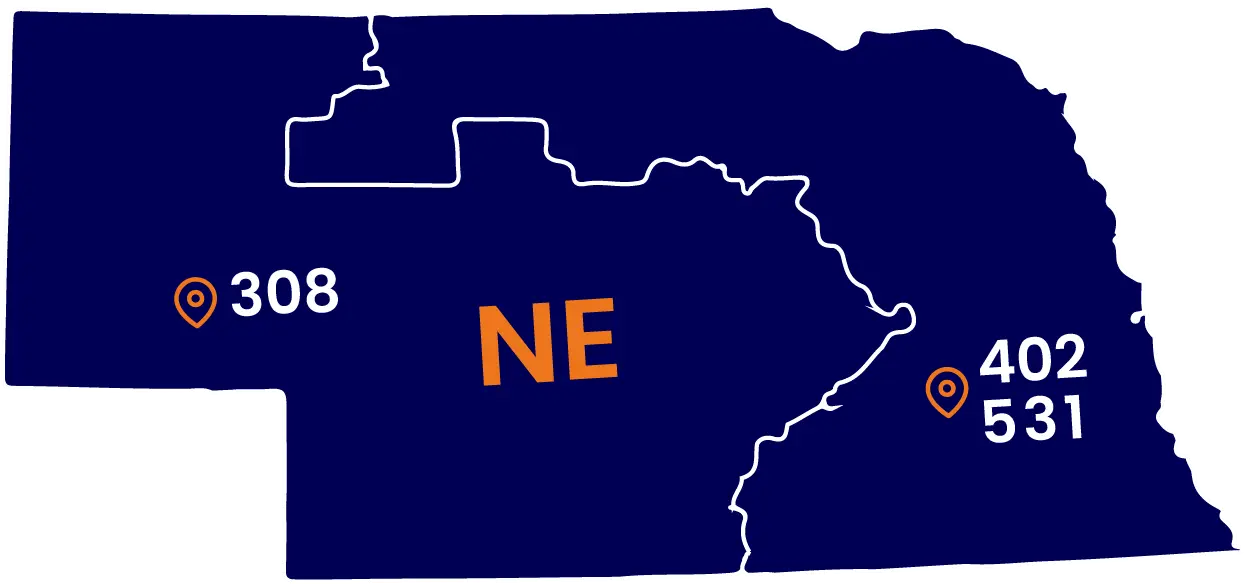
In the complex ecosystem of global telecommunications, area codes serve as the foundational routing coordinates for the North American Numbering Plan (NANP). While many view a phone number simply as a string of digits, from a technological perspective, area code 308 represents a sophisticated infrastructure of switching stations, digital protocols, and geographic data mapping. Covering the western half of Nebraska, area code 308 is more than just a regional identifier; it is a critical node in the American telecommunications grid that has evolved from analog copper wires to high-speed fiber optics and Voice over Internet Protocol (VoIP) systems.

Understanding the technical nuances of area code 308 requires looking beyond the map and into the software, hardware, and security protocols that facilitate modern communication in this expansive geographic region.
The Evolution of the 308 Area Code in the Digital Age
The architecture of our current numbering system was established long before the internet existed, yet it remains the backbone of how digital devices connect. Area code 308 was carved out of the original 402 area code in 1954, a move necessitated by the growing density of telephone users and the technological limits of mechanical switching systems at the time.
Historical Infrastructure and the North American Numbering Plan (NANP)
The North American Numbering Plan is a sophisticated system that organizes telephone service in 20 countries, primarily in North America. For area code 308, its implementation was governed by the transition from human operators to automated switching. In the mid-20th century, “Step-by-Step” (SXS) switches and later “Crossbar” switches used electrical pulses to route calls.
Today, those mechanical pulses have been replaced by the Signaling System No. 7 (SS7) protocol. SS7 is a set of telephony signaling protocols used to set up and tear down most of the world’s public switched telephone network (PSTN) telephone calls. When a user dials a 308 number, the network uses SS7 to exchange information, such as billing data and call routing instructions, across a digital channel that is separate from the actual voice path. This out-of-band signaling is what allows for features like call waiting and high-speed call setup.
Geographic Coverage and Routing Logic
Geographically, area code 308 serves major hubs such as Grand Island, Kearney, and North Platte. However, in technical terms, “location” is defined by Rate Centers. A Rate Center is a specific geographic area used for determining boundaries for local calling, billing, and the assignment of numbers.
In a traditional PSTN environment, a call to a 308 number is routed to a Central Office (CO). Each CO contains a massive digital switch—essentially a high-capacity computer—that recognizes the 308 prefix and directs the packet of data (the voice call) to the specific “thousand-block” of numbers where the recipient resides. While mobile technology has decoupled numbers from physical wires, the underlying logical structure of the 308 area code remains tied to these regional Rate Centers to ensure efficient traffic management and regulatory compliance.
Modern Telephony: VoIP and Virtual Numbers in the 308 Region
The most significant shift in the history of area code 308 has been the transition from hardware-dependent landlines to software-defined communication. With the advent of Voice over Internet Protocol (VoIP), the 308 area code has moved into the cloud.
How Cloud-Based Communication Systems Utilize Local Identifiers
Modern businesses no longer need to be physically located in Western Nebraska to utilize a 308 area code. VoIP providers use “Virtual Numbers” to allow users to establish a local presence anywhere in the world. Technically, this is achieved through Session Initiation Protocol (SIP) trunking.
SIP is the signaling protocol used for initiating, maintaining, modifying, and terminating real-time sessions that involve video, voice, messaging, and other communications applications. When a call is made to a virtual 308 number, the SIP server intercepts the request and translates the traditional telephone number into an IP address. This allows the call to be routed over the public internet or a private data network to a smartphone, laptop, or IP-enabled desk phone. This technology has democratized access to regional identifiers, allowing tech-savvy enterprises to scale their communication infrastructure without installing a single physical phone line.
The Shift from Hardware-Dependent Landlines to Digital Switching
In the rural expanses of Western Nebraska, the technical challenge has always been the “last mile”—the final leg of the telecommunication circuit that delivers service to the end-user. Historically, this required thousands of miles of copper wire.

Today, the 308 region is seeing an aggressive rollout of Fiber-to-the-Home (FTTH) and Fixed Wireless Access (FWA). These technologies replace traditional analog signals with digital packets. In an FTTH setup, voice data is converted into light pulses and transmitted over glass fibers, offering nearly unlimited bandwidth and significantly lower latency than old-fashioned copper. This digital transformation ensures that residents and businesses within the 308 area code can utilize advanced services like Unified Communications as a Service (UCaaS), which integrates voice, video conferencing, and team collaboration into a single software interface.
Digital Security: Protecting Against Area Code 308 Caller ID Spoofing
As telecommunications technology has advanced, so too have the methods used by malicious actors. One of the primary technical challenges facing the 308 area code today is “Neighbor Spoofing,” where automated scripts generate fake Caller ID information to make it appear as though a call is coming from a local 308 number.
Understanding STIR/SHAKEN Protocols
To combat this, the telecommunications industry—led by the FCC—has implemented the STIR/SHAKEN framework. This is a suite of protocols and procedures intended to combat caller ID spoofing on public telephone networks.
- STIR (Secure Telephone Identity Revisited): This protocol defines how digital certificates can be used to “sign” a call.
- SHAKEN (Signature-based Handling of Asserted information using toKENS): This provides the framework for how service providers implement STIR in their networks.
When a call originates from a verified 308 carrier, it is assigned a digital token. As the call moves through the network, the receiving carrier checks the token. If the signature is valid, the call is marked as “Verified” on the user’s device. For the 308 area code, which covers many rural areas often targeted by scammers, the implementation of STIR/SHAKEN is a critical technical defense that restores trust in the regional identity.
Identifying and Mitigating “Neighbor Spoofing” Tactics
Neighbor spoofing relies on the psychological tendency of people to answer calls from familiar area codes. On the backend, this is a software-driven attack. Scammers use high-volume autodialers and “gateway” providers that don’t strictly enforce identity verification.
Modern security apps and network-level filters now use AI and machine learning to analyze call patterns in real-time. If a single source is attempting to place thousands of calls to 308 numbers simultaneously, the system can automatically flag or block the traffic. These technical safeguards are essential for maintaining the integrity of the 308 numbering space in an era where digital identity is constantly under threat.
The Future of Regional Identifiers in a Borderless Tech Environment
As we look toward the future, the physical boundaries of area codes like 308 are becoming increasingly blurred by the convergence of mobile technology, satellite internet, and the Internet of Things (IoT).
The Role of 5G and IoT in Rural Connectivity
The deployment of 5G technology is set to transform the 308 area code landscape. Unlike 4G, 5G utilizes high-frequency bands and “small cell” technology to provide massive data throughput. In the agricultural heartlands of Western Nebraska, 5G-enabled IoT devices—ranging from autonomous tractors to soil sensors—will require their own network identifiers.
While these devices often use different protocols (like NB-IoT or LTE-M), they still integrate into the broader numbering and routing ecosystem. The “tech” behind 308 is shifting from simple voice transmission to a massive machine-to-machine (M2M) network where the area code serves as a legacy anchor for a futuristic, interconnected regional economy.
Will Physical Area Codes Become Obsolete?
There is an ongoing debate in the tech community about whether geographic area codes will eventually be phased out in favor of universal digital identifiers. With the rise of platforms like WhatsApp, Signal, and Microsoft Teams, the traditional “phone number” is increasingly becoming a secondary identifier.
However, the 308 area code remains technically relevant because of its integration with the E911 (Enhanced 911) system. When a 308 number calls emergency services, the network uses a combination of GPS data and the registered address associated with that number’s Rate Center to dispatch help. Until a universal, IP-based emergency response system is fully standardized and adopted, the 308 area code will remain a vital technological link between a user’s digital presence and their physical location.
In conclusion, area code 308 is far more than a prefix for Western Nebraska. It is a dynamic intersection of historical telecommunications engineering and cutting-edge digital innovation. From the protocols that verify caller identity to the fiber-optic cables that carry voice data across the plains, the technology of the 308 area code continues to evolve, ensuring that even the most rural areas remain connected to the global digital grid.
aViewFromTheCave is a participant in the Amazon Services LLC Associates Program, an affiliate advertising program designed to provide a means for sites to earn advertising fees by advertising and linking to Amazon.com. Amazon, the Amazon logo, AmazonSupply, and the AmazonSupply logo are trademarks of Amazon.com, Inc. or its affiliates. As an Amazon Associate we earn affiliate commissions from qualifying purchases.