
In the competitive landscape of veterinary medicine, few products achieve the level of “top-of-mind” awareness that Animax ointment has secured over the decades. While pet owners may view it simply as a yellow cream that heals their dog’s ear infections or skin irritations, from a brand strategy perspective, Animax represents a masterclass in pharmaceutical market positioning. It is not merely a combination of nystatin, neomycin sulfate, thiostrepton, and triamcinolone acetonide; it is a legacy brand that has successfully navigated the transition from a niche clinical tool to a cornerstone of the global animal health market.
To understand what Animax is for dogs, one must look beyond the chemical formulation and analyze the brand’s identity, its strategic value proposition, and the way it has maintained a dominant market share in a sector increasingly crowded by generic alternatives.
The Architecture of a Veterinary Power Brand
The success of Animax is inextricably linked to its parent brand, Dechra Pharmaceuticals, and the deliberate way the product has been framed within the veterinary professional community. Branding in the pharmaceutical world operates differently than in fast-moving consumer goods (FMCG). Here, the “customer” is often the veterinarian, while the “consumer” is the pet owner. Animax’s brand architecture is designed to appeal to both, albeit through different psychological triggers.
The Origin Story: Strategic Brand Acquisition
Animax did not emerge in a vacuum. Its prominence today is the result of strategic brand management and corporate foresight. By housing Animax under a reputable umbrella like Dechra, the product inherited a “halo effect” of clinical trust. For a brand to succeed in the veterinary space, it must first establish an identity rooted in scientific authority. The name “Animax” itself—a portmanteau suggesting “Animal” and “Maximum”—communicates a sense of comprehensive care and strength, which are core attributes in the medical branding lexicon.
Brand Recognition in the Veterinary Clinic
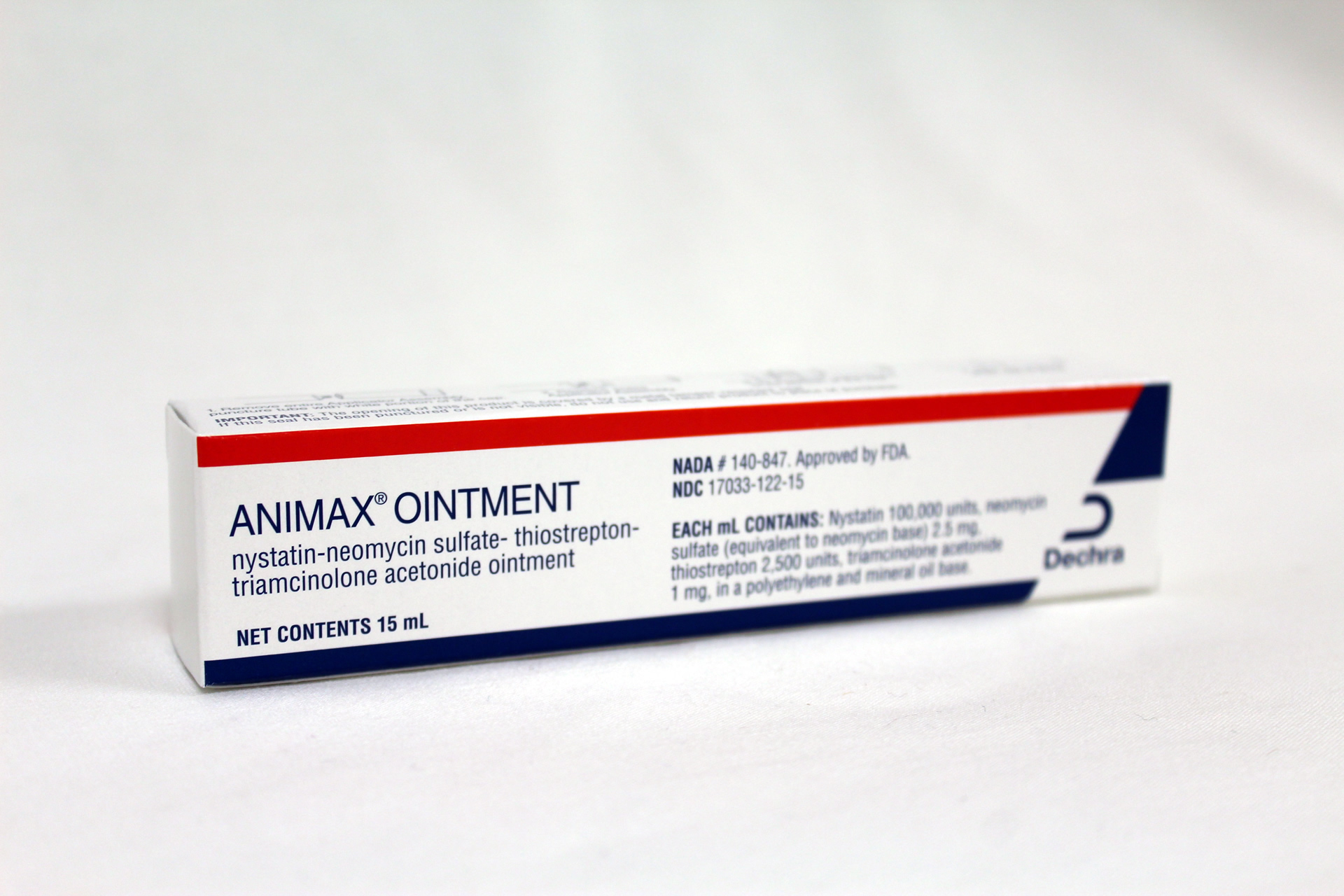
Go into almost any veterinary clinic in North America, and you will find the distinct packaging of Animax. This visual consistency is a critical component of its brand strategy. In a high-stress clinical environment, veterinarians and technicians rely on “recognition over recall.” The familiar branding of Animax serves as a mental shortcut (a heuristic) for a reliable solution. This level of brand penetration is achieved through years of consistent messaging and a robust supply chain that ensures the product is always the first one a clinician reaches for.
The Marketing Pillars of the Animax Value Proposition
The longevity of Animax as a brand is built on more than just history; it is sustained by a clear and powerful value proposition. In brand strategy, a product must solve a specific problem better or more conveniently than its competitors. Animax’s “four-in-one” formulation is its primary marketing pillar, allowing the brand to position itself as the ultimate “multi-tool” of the veterinary pharmacy.
Trust Through Efficacy: The “Four-in-One” Brand Narrative
Most topical treatments target a single issue—either bacteria, fungi, or inflammation. Animax’s brand identity is built on the concept of “Total Care.” By combining an antifungal, two antibiotics, and a corticosteroid, the brand markets itself as a comprehensive solution for complex cases where the exact cause of a skin or ear issue might be multi-factorial. This “Swiss Army Knife” approach simplifies the decision-making process for the veterinarian and provides a sense of security for the dog owner. From a branding standpoint, this reduces “buyer’s remorse” because the product is perceived as having all bases covered.
Professional-Only Distribution: Protecting Brand Integrity
A key element of Animax’s brand strategy is its status as a prescription-only (Rx) medication. While some animal health brands choose to go over-the-counter (OTC) to increase volume, Animax has maintained its professional-only status. This creates a “prestige” barrier. By requiring a veterinarian’s sign-off, the brand reinforces its identity as a serious medical intervention rather than a mere grooming aid. This scarcity and professional endorsement elevate the brand’s perceived value, allowing it to maintain a premium price point even when faced with lower-cost alternatives.

Market Positioning and Competitive Advantage
In any mature market, a lead brand must defend its territory against “me-too” products and generics. Animax has faced significant competition from generic equivalents like Panolog and other “quad” ointments. However, Animax has managed to remain the “Gold Standard” through a combination of visual identity and perceived reliability.
Navigating the Generic Threat
When a patent expires, a brand’s primary defense is its “Brand Equity.” Even when generic versions with identical active ingredients enter the market at 30% lower costs, Animax maintains a significant market share. This is because, in the minds of many practitioners and pet owners, the “Animax” name is synonymous with the category itself—much like Kleenex is to tissues. The brand has successfully transitioned from being a specific product to being a category representative. This is the pinnacle of brand strategy: when your brand name becomes the shorthand for the solution.
Packaging and Visual Identity as a Safety Signal
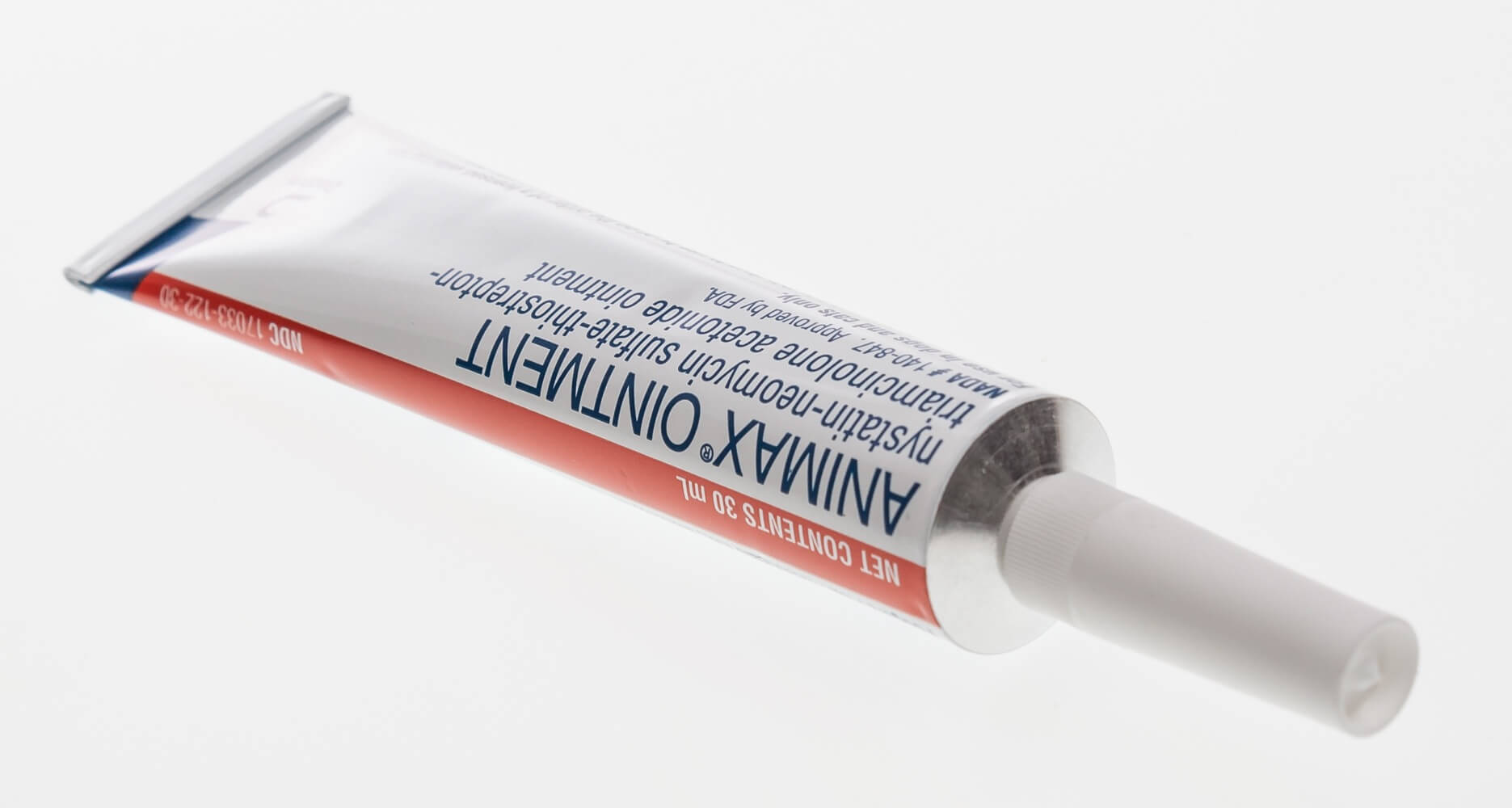
The branding of Animax utilizes specific color palettes and typography that signal “Medical Grade Safety.” In the animal health world, where owners are often anxious about the side effects of medications, the clean, professional, and consistent visual identity of Animax acts as a calming influence. The packaging doesn’t just list ingredients; it communicates a promise of safety and quality control. This visual “trust signal” is a powerful tool in retaining customer loyalty, as pet owners are often hesitant to switch to a generic brand that looks “cheaper,” fearing it might be less effective or less safe for their beloved companion.
The Business of Care: Economic Impact and Brand Loyalty
From a business finance and strategy perspective, Animax is a high-margin “workhorse” product. It is a recurring revenue generator because ear and skin issues in dogs are often chronic or seasonal. The brand strategy here focuses on “Life-Long Value” (LLV).
Building Long-Term Customer Loyalty
Animax doesn’t just aim for a one-time sale; it aims to be the permanent occupant of a dog owner’s medicine cabinet. By providing a product that shows visible results quickly (thanks to the triamcinolone acetonide reducing redness and itching almost immediately), the brand creates a positive feedback loop. The owner associates the relief of their pet’s suffering with the Animax brand. This emotional connection is the strongest form of brand loyalty. When the dog has a flare-up six months later, the owner specifically asks the vet for “that yellow ointment” again, reinforcing the brand’s market position.
The B2B2C Marketing Model
Animax utilizes a sophisticated B2B2C (Business to Business to Consumer) marketing model. The manufacturer invests heavily in educating veterinarians (the B2B aspect) through white papers, clinical trials, and presence at veterinary conferences. However, they also ensure the product is “owner-friendly.” The ease of application and the clear instructions on the box are designed for the end-user (the consumer). By satisfying both the expert and the layperson, Animax creates a dual-layered defense against competitors who might only focus on one side of the equation.
The Future of Veterinary Branding: Lessons from Animax
As the veterinary pharmaceutical industry moves toward more specialized biologics and digital health integration, the lessons from the Animax brand remain highly relevant. It demonstrates that in a world of infinite choices, a brand that stands for “Simplicity, Efficacy, and Trust” will always have a place.
Digital Adaptation in a B2B Brand Environment
While Animax is a “traditional” ointment, its brand strategy has had to evolve for the digital age. This includes maintaining a presence on digital pharmacy platforms and ensuring that online reviews and “Pet-Parent” forums reflect the brand’s high-quality image. The brand must now compete not just on the vet’s shelf, but in the search results of Google and Amazon. By ensuring that “What is Animax for dogs” yields results that emphasize professional oversight and proven results, the brand protects its reputation from misinformation.
Conclusion: The Lasting Legacy of a Strategic Brand
Animax is more than a medical treatment; it is a vital asset in the portfolio of veterinary medicine. Its success is a testament to the power of clear positioning, professional endorsement, and the consistent delivery of a “multi-purpose” promise. For those in the world of brand strategy, Animax serves as a reminder that the most enduring brands are those that become an essential, trusted part of the consumer’s daily life—or in this case, the life of their four-legged family members. By balancing clinical authority with consumer-facing reliability, Animax has secured its place as a cornerstone of the animal health industry for years to come.
aViewFromTheCave is a participant in the Amazon Services LLC Associates Program, an affiliate advertising program designed to provide a means for sites to earn advertising fees by advertising and linking to Amazon.com. Amazon, the Amazon logo, AmazonSupply, and the AmazonSupply logo are trademarks of Amazon.com, Inc. or its affiliates. As an Amazon Associate we earn affiliate commissions from qualifying purchases.