
In the landscape of alternative investments, few assets have captured the public imagination—and the portfolios of savvy investors—quite like the Pokémon Trading Card Game (TCG). While the hobby began as a schoolyard pastime in the late 1990s, it has evolved into a multi-billion dollar secondary market. Central to this modern financial ecosystem is a specific designation of card that has redefined the “chase” for collectors and investors alike: the Special Illustration Rare, or SIR. Understanding what an SIR Pokémon card is requires more than just an appreciation for art; it requires a deep dive into the mechanics of scarcity, market demand, and the strategic branding of the world’s most successful media franchise.

The Evolution of Rarity: How SIR Cards Revolutionized the Secondary Market
The introduction of the Special Illustration Rare (SIR) marked a significant pivot in the Pokémon Company’s approach to product tiers and market sustainability. Introduced during the Scarlet & Violet era, the SIR designation replaced previous high-tier rarities like “Alternate Arts.” From a financial perspective, this was a calculated move to standardize a premium asset class within the TCG.
From Holographics to SIRs: A Brief History of Value
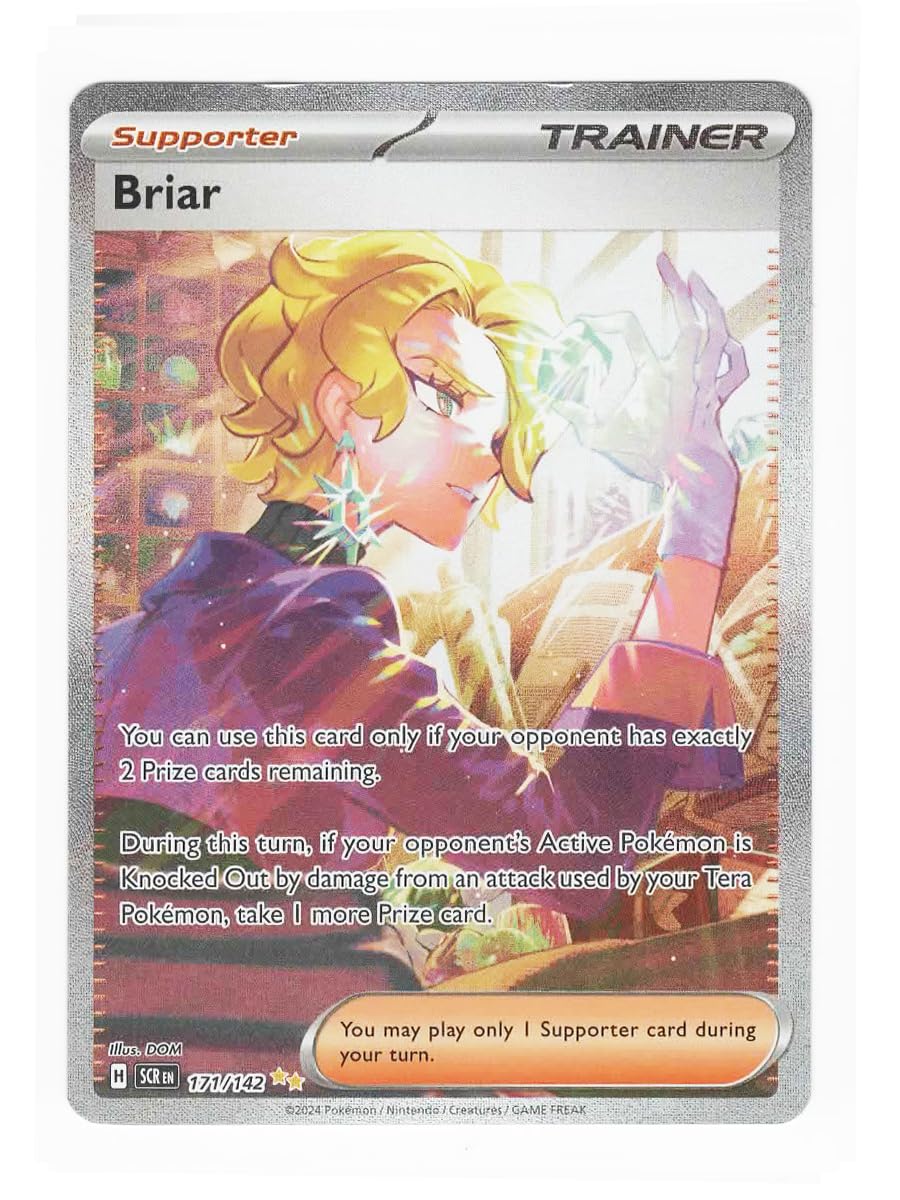
In the early days of Pokémon, a “Holographic” card was the gold standard of value. However, as the market matured, the “Base Set” logic became insufficient to drive the high-volume sales required in a modern economy. The transition from basic holos to Ultra Rares, then to Secret Rares, and finally to Special Illustration Rares, reflects a sophisticated understanding of “luxury” in the collectible space. SIRs are characterized by full-canvas artwork that extends to the very edges of the card, often featuring intricate storytelling and unique art styles that deviate from the standard “stock” 3D models.
Scarcity as a Financial Lever
In the world of investing, scarcity drives value. The SIR is the rarest tier of card found in modern booster packs. Statistically, the “pull rate”—the probability of finding one of these cards—is significantly lower than any other card type. In many modern sets, an investor might need to open several hundred booster packs to find a specific SIR. This mathematical rarity creates a “floor” for the card’s price on the secondary market. When supply is strictly limited by the manufacturer but demand remains high among “completionist” collectors, the price trajectory for these assets tends to outperform traditional consumer goods.
Valuation Metrics: Why SIR Cards Command a Premium
Not all SIR cards are created equal. While the rarity tier provides a baseline, the actual market value of an SIR is determined by a complex interplay of aesthetic appeal, character popularity, and “playable” utility. For an investor, identifying which SIR will become a “blue-chip” asset requires analyzing several key performance indicators.
Visual Artistry vs. Market Demand
The “Special Illustration” part of the SIR name is its greatest value driver. Unlike standard cards, SIRs often employ renowned guest artists to create “gallery-grade” illustrations. From a money-making perspective, cards that feature iconic characters—such as Charizard, Lugia, or popular “waifu” trainers—in unique, high-concept settings tend to see the highest capital appreciation. The market places a premium on “vibe” and “shelf-appeal,” as these cards are often destined for display cases rather than playmats.
The Role of Professional Grading (PSA and BGS)
In the Pokémon economy, the difference between a “Raw” card and a “Graded” card can be thousands of dollars. SIR cards are notoriously difficult to find in “Gem Mint” condition due to the complexities of modern printing processes. When an investor secures an SIR, the next logical step in the value-add chain is third-party authentication and grading through companies like PSA (Professional Sports Authenticator) or BGS (Beckett Grading Services). A PSA 10 (Gem Mint) SIR often trades at a 2x to 5x premium over its ungraded counterpart, making the grading process a critical component of the “Pokémon side hustle.”
The Pokémon TCG as an Alternative Asset Class
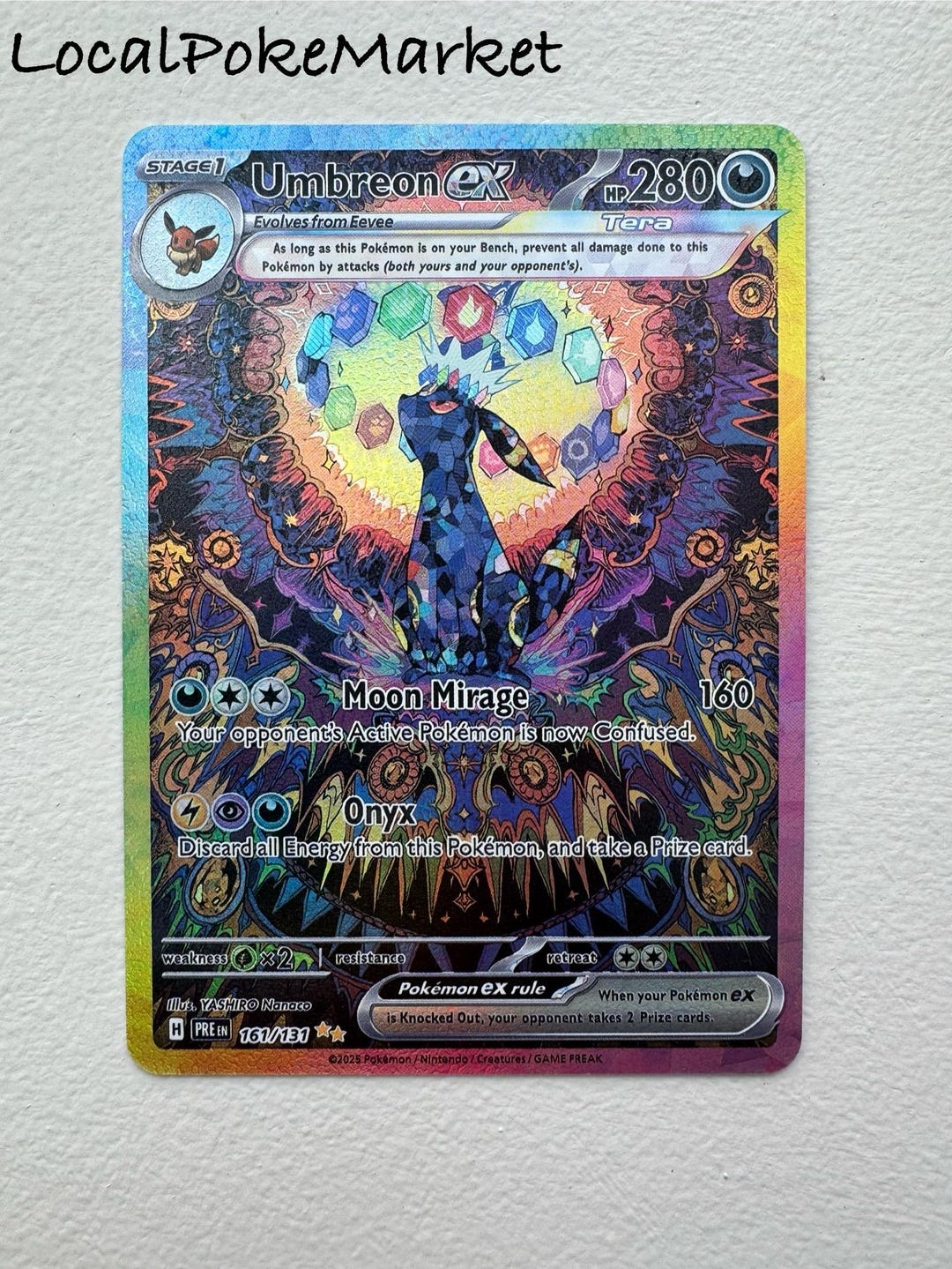
In an era of volatile stock markets and fluctuating interest rates, many investors are turning to “passion assets.” SIR Pokémon cards have emerged as a legitimate alternative asset class, offering a hedge against inflation and a tangible item that retains value regardless of traditional market shifts.
Diversifying Your Portfolio with “Cardboard Gold”
Sophisticated investors no longer view Pokémon cards as toys, but as high-liquidity collectibles. Because the Pokémon brand is globally recognized, an SIR card can be sold in Tokyo, London, or New York with equal ease. This global liquidity is a hallmark of a strong asset. By allocating a small percentage of a portfolio to high-grade SIRs, investors can capture the growth of the “kidult” economy—a demographic of adults with high disposable income who are buying back their childhoods at premium prices.
Liquidity and Market Volatility
While SIR cards can offer incredible returns—sometimes 100% or more within a single year—they are not without risk. The market for modern cards is more liquid than vintage cards (which are rarer but have fewer buyers), but it is also subject to “hype cycles.” When a new set is released, prices for SIRs often peak due to “FOMO” (Fear Of Missing Out) and then retract as more supply enters the market. A successful financial strategy involves identifying the “market bottom” (usually 3–6 months after a set’s release) before the set goes out of print and supply is permanently capped.
Strategies for Investors and Side-Hustlers
To treat SIR Pokémon cards as a serious revenue stream, one must move beyond the “gambling” aspect of opening packs and move toward strategic acquisition. The goal is to minimize cost and maximize the eventual exit price.
The “Singles” Strategy vs. The “Sealed” Strategy
There are two primary ways to make money with SIRs. The first is “Singles” investing: buying the specific SIR card directly from the secondary market when prices are low. This eliminates the risk of “losing” money on booster packs that contain no hits. The second is “Sealed” investing: buying booster boxes that are known to contain high-value SIRs and holding them unopened for 5–10 years. As the supply of unopened boxes dwindles, the “un-pulled” SIRs inside drive the box price up exponentially.
Identifying “Chasing” Potential in Modern Sets
Not every set is a winner. An astute investor looks at the “set list” before a release. If a set contains multiple high-tier SIRs of fan-favorite Pokémon, the “set health” is high. For example, the Scarlet & Violet: 151 expansion was a massive financial success because it featured SIR versions of the original 151 Pokémon, tapping into deep-seated nostalgia. Analyzing set lists and pull rates allows an investor to predict which cards will be the “grails” of the future.
Risk Management and the Long-Term Financial Outlook
As with any investment, the Pokémon market requires a disciplined approach to risk. The SIR phenomenon is currently in its golden age, but investors must stay vigilant regarding overproduction and market saturation.
Navigating Market Cycles and Speculative Bubbles
We have seen “speculative bubbles” in Pokémon before, most notably during the 2020-2021 boom. During these times, prices detach from reality. For an SIR investor, the key is to avoid buying at the height of a bubble. Use data tools like PriceCharting or TCGPlayer to track historical sales. If a card’s price graph looks like a vertical line, it is likely a speculative spike rather than organic growth. Patience is the investor’s most valuable tool.
The Sustainability of the Pokémon Brand Value
The ultimate security of an investment in an SIR card lies in the strength of the Pokémon brand. As the highest-grossing media franchise in history, Pokémon has demonstrated a unique ability to bridge generational gaps. As long as the brand remains relevant, the demand for its rarest “trophy cards” will persist. SIRs represent the pinnacle of modern Pokémon card design; they are the “fine art” of the TCG world. For those who view the hobby through a financial lens, these cards are not just pieces of cardstock—they are high-performing assets in a digital-first economy, offering a unique blend of aesthetic pleasure and significant financial upside.
aViewFromTheCave is a participant in the Amazon Services LLC Associates Program, an affiliate advertising program designed to provide a means for sites to earn advertising fees by advertising and linking to Amazon.com. Amazon, the Amazon logo, AmazonSupply, and the AmazonSupply logo are trademarks of Amazon.com, Inc. or its affiliates. As an Amazon Associate we earn affiliate commissions from qualifying purchases.