
In the modern marketplace, a brand is far more than a logo or a catchy slogan; it is a holistic experience that encompasses every touchpoint a consumer encounters. While digital branding often takes center stage, the physical environments—retail stores, corporate headquarters, and product packaging—serve as the tangible manifestation of a company’s values. Within this physical realm, the choice of materials plays a pivotal role in communicating quality, reliability, and ethos. One such material, often overlooked but fundamentally essential, is acrylic latex.
To the uninitiated, acrylic latex is simply a high-quality, water-based coating. However, through the lens of brand strategy and corporate identity, it represents a commitment to durability, aesthetic precision, and environmental responsibility. Understanding what acrylic latex is and how it influences the perception of a brand is crucial for designers, marketers, and business leaders who aim to build a lasting visual legacy.
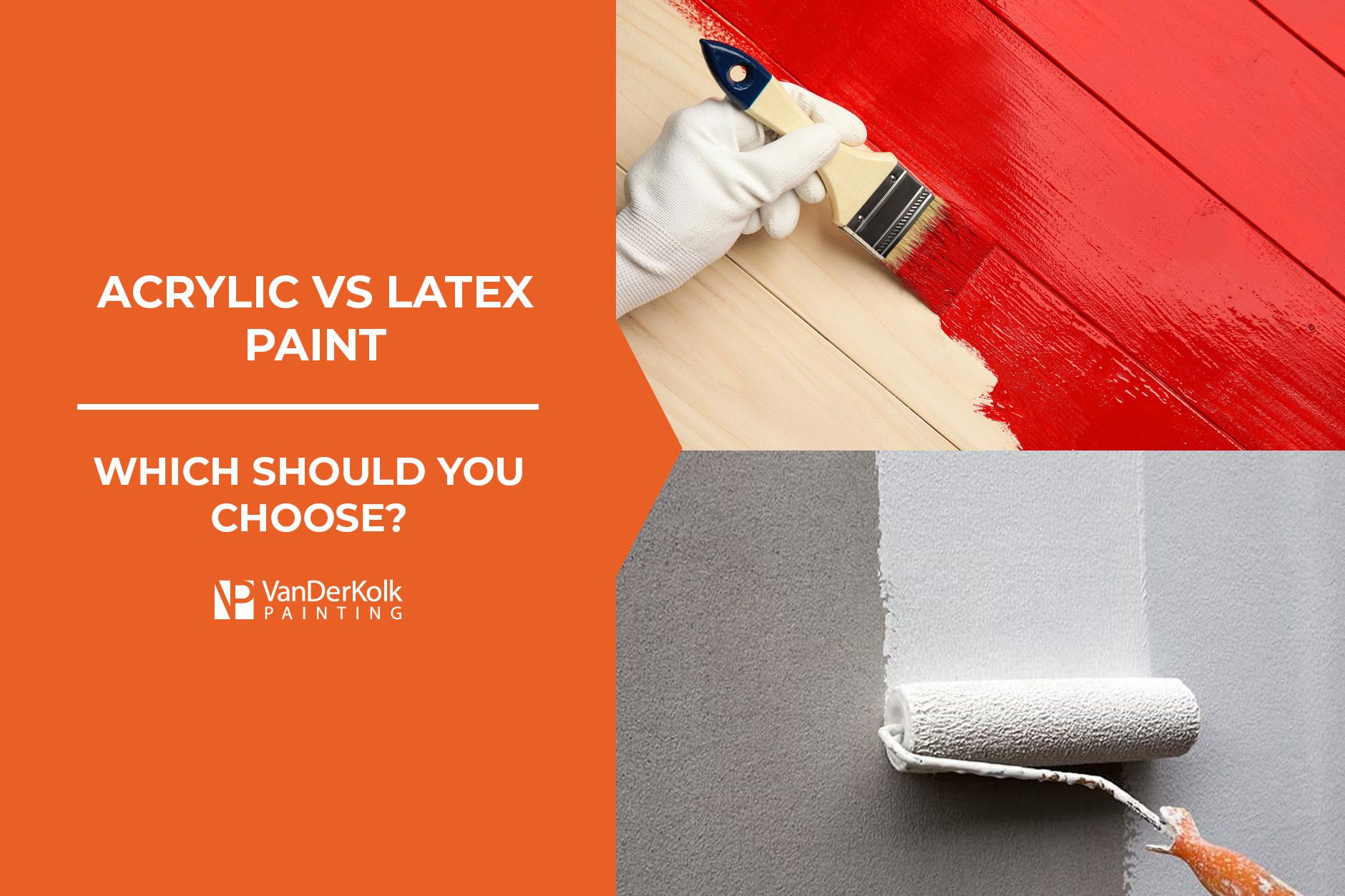
The Science of First Impressions: Why Acrylic Latex is a Brand Design Essential
When a customer walks into a branded space, their first impression is formed within seconds. This impression is shaped by the interplay of light, color, and texture. Acrylic latex, a coating composed of pigment and synthetic acrylic resins dispersed in water, offers a level of visual fidelity that cheaper alternatives cannot match. For a brand, the consistency of its visual identity is paramount.
Defining Acrylic Latex in a Commercial Context
Acrylic latex is a premium architectural coating known for its flexibility and color retention. Unlike traditional oil-based paints, which can yellow over time and crack as surfaces expand and contract, acrylic latex remains breathable and elastic. In terms of brand strategy, this translates to “visual longevity.” A brand’s physical presence must remain pristine to reflect the quality of the services or products it provides. By utilizing the chemical stability of acrylic resins, companies ensure that their signature colors remain vibrant and true to their brand guidelines for years.
The Visual Impact of Finish and Texture
Brand identity is often conveyed through the “feel” of a space. Acrylic latex comes in a variety of sheens—from flat and eggshell to semi-gloss and high-gloss. Each choice carries a different psychological weight. A luxury brand may opt for a sophisticated matte finish that absorbs light and suggests understated elegance, whereas a high-tech startup might choose a high-gloss acrylic coating to reflect light and evoke a sense of modernism and energy. The versatility of acrylic latex allows brand designers to manipulate the physical environment to align perfectly with the brand’s core persona.
Brand Durability: Communicating Longevity Through Coating Technology
A brand that looks worn out or neglected sends a message of decline. In the world of corporate identity, maintenance is a form of marketing. If a flagship store’s exterior is peeling or faded, the brand equity suffers. This is where the technical superiority of acrylic latex becomes a strategic business asset.
Protecting Physical Assets and Brand Equity
Acrylic latex is renowned for its adhesion properties. It grips surfaces—be it wood, masonry, or metal—with a tenacity that prevents the “weathered look” that can plague lower-quality brands. For businesses with significant physical footprints, such as hotel chains or retail franchises, the durability of their exterior coatings is directly tied to their brand’s perceived value. Using high-grade acrylic latex ensures that the “face” of the company remains intact against the elements, thereby protecting the investment made in the visual identity.
Weather Resistance as a Symbol of Brand Reliability
In brand psychology, consistency breeds trust. When a brand’s physical locations look identical and well-maintained across different geographic regions and climates, it reinforces a message of reliability. Acrylic latex is UV-resistant and “breathable,” meaning it allows moisture vapor to escape without causing the paint to blister. For an international brand, this means that whether their store is in the humid tropics or the freezing north, the brand’s colors and finish remain uniform. This reliability is a silent but powerful communicator of the brand’s promise to its customers.
Sustainability as a Brand Pillar: The Eco-Friendly Shift

In the current era of “conscious capitalism,” consumers are increasingly aligning themselves with brands that demonstrate a commitment to environmental stewardship. The materials a company chooses for its infrastructure are now scrutinized as part of its Corporate Social Responsibility (CSR) profile. Acrylic latex has emerged as the preferred choice for brands looking to “green” their physical identity.
Low VOCs and the Conscious Consumer
One of the most significant advantages of acrylic latex from a branding perspective is its low level of Volatile Organic Compounds (VOCs). Traditional solvent-based coatings release harmful gases into the atmosphere as they dry, which can lead to unpleasant odors and health concerns. For a brand that positions itself as “wellness-oriented” or “family-friendly,” the use of high-VOC materials can lead to a brand disconnect. By opting for low-VOC acrylic latex, a company reinforces its commitment to the health of its employees and customers, effectively integrating sustainability into the brand’s DNA.
Certification and Eco-Branding
Many modern brands leverage their choice of materials in their marketing collateral. Mentioning the use of LEED-certified materials or Greenguard-certified coatings in a corporate headquarters can enhance a brand’s reputation among B2B partners and environmentally aware consumers. Acrylic latex, being water-based and easier to dispose of than oil-based paints, fits perfectly into the narrative of a modern, forward-thinking brand that respects the planet.
Color Consistency and Global Brand Identity
The most recognizable element of a brand is often its color palette. Think of the specific red of a famous soda brand or the distinct blue of a global tech giant. Maintaining these colors across various substrates—drywall, concrete, wood, and metal—is a monumental task for brand managers.
Maintaining the “Brand Red” Across Surfaces
Acrylic latex provides superior “hide” and color uniformity. Because the pigment is suspended in a high-quality acrylic binder, it covers surfaces more effectively, ensuring that the underlying material doesn’t alter the final hue. This is critical for brand identity systems. If a brand’s signature color looks slightly different on the warehouse wall than it does on the retail counter, the brand appears fragmented. The high-performance nature of acrylic latex provides the precision needed to maintain a cohesive visual identity across all physical platforms.
Technological Advancements in Color Matching
The marriage of brand design and chemical technology has led to advanced color-matching systems specifically designed for acrylic latex. Modern brands now utilize spectrophotometers to ensure that the acrylic latex coating they use in a Tokyo outlet matches the one used in a New York flagship. This level of technical precision ensures that the brand’s visual language is “spoken” with the same accent everywhere in the world, reinforcing global brand recognition and equity.
Case Studies: Brands That Mastered Their Physical Presence
To truly understand the value of acrylic latex in branding, one must look at industry leaders who treat their physical spaces as high-performance marketing tools.
Retail Environments and Luxury Finishes
High-end fashion retailers often use customized acrylic latex finishes to create immersive environments. By using specialized “scuff-resistant” acrylic technology, these brands ensure that high-traffic areas remain flawless despite thousands of visitors. This attention to detail reflects the brand’s commitment to perfection. When the walls of a boutique look as high-quality as the silk garments hanging on the racks, the brand’s premium positioning is reinforced through every sensory touchpoint.

The Future of Branded Spaces
As we look toward the future, the role of materials like acrylic latex will only grow. We are seeing the rise of “smart coatings”—acrylic-based paints that can reflect heat to reduce energy costs or coatings that use nanotechnology to self-clean. For a brand, being an early adopter of these technologies is a way to signal innovation and leadership. The physical space is no longer a static background; it is an active participant in the brand story.
In conclusion, “what is acrylic latex” is a question that finds its most compelling answer in the world of brand strategy. It is not merely a mixture of resin and pigment; it is a tool for storytelling, a shield for brand equity, and a badge of environmental honor. For any organization looking to build a robust, sustainable, and visually consistent brand, the choice of acrylic latex is a strategic investment in the brand’s physical and perceived future. By prioritizing quality at the most foundational level—the very walls that house the brand—companies can ensure that their identity is built to last.
aViewFromTheCave is a participant in the Amazon Services LLC Associates Program, an affiliate advertising program designed to provide a means for sites to earn advertising fees by advertising and linking to Amazon.com. Amazon, the Amazon logo, AmazonSupply, and the AmazonSupply logo are trademarks of Amazon.com, Inc. or its affiliates. As an Amazon Associate we earn affiliate commissions from qualifying purchases.