
In the saturated landscape of modern grocery retail, visual differentiation is the primary driver of consumer curiosity. When a shopper encounters a fruit that defies their internal biological map—such as a watermelon with a vibrant, sun-soaked yellow interior rather than the expected ruby red—they are experiencing a masterclass in product positioning. To the average consumer, the question is simple: “What is a yellow watermelon called?” To a brand strategist, however, the question is much deeper: How does a name, a color, and a specific market identity transform a genetic variation into a premium luxury commodity?
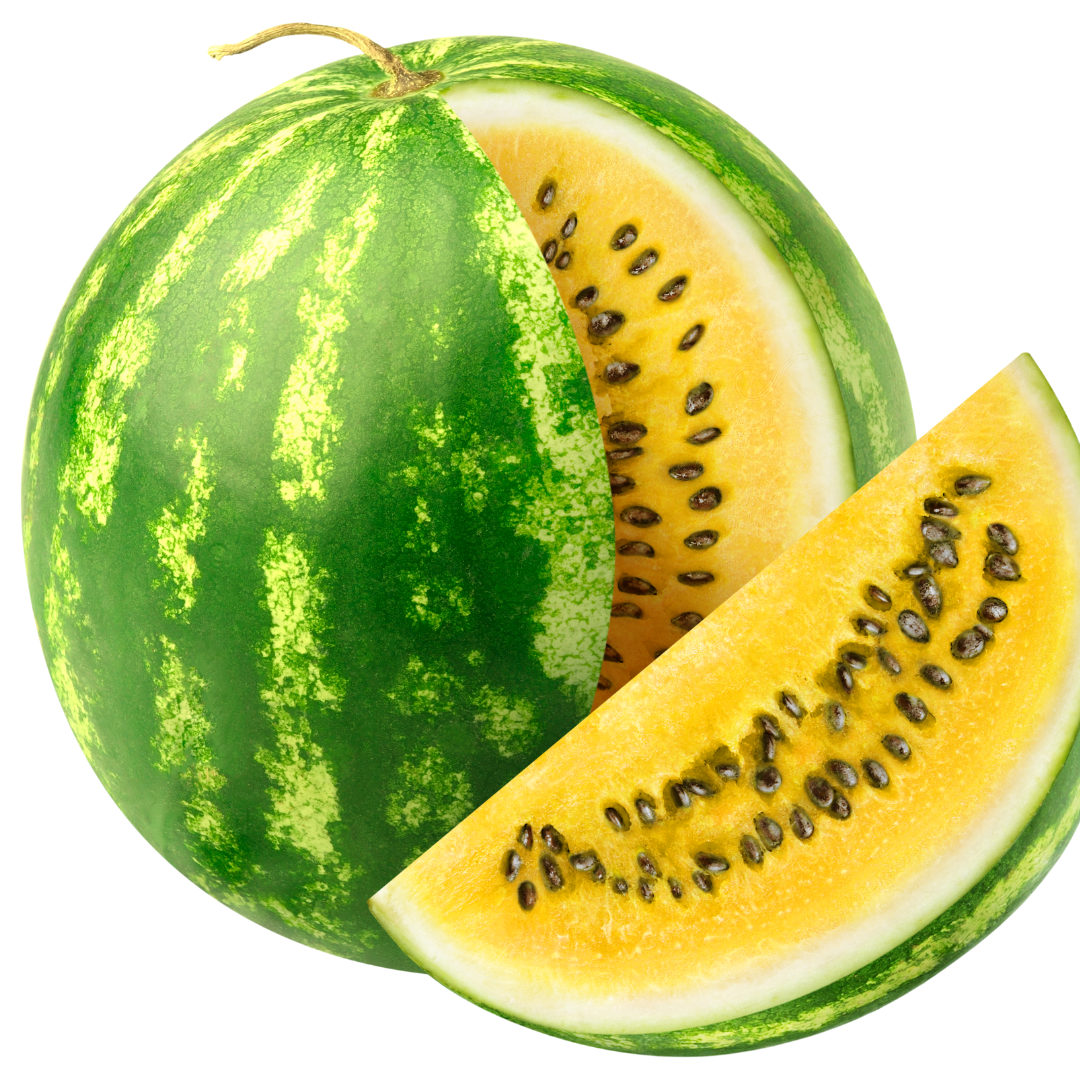
The yellow watermelon is not a modern laboratory invention; it is an ancient variety that predates its red counterpart. Yet, its resurgence in the global market is a fascinating case study in brand strategy, niche marketing, and the psychology of color. By examining how this fruit is named, positioned, and sold, we can uncover the intricate mechanics of branding within the agricultural sector.
The Power of Naming: What is a Yellow Watermelon Called in the Consumer Mindset?
In branding, the name of a product serves as its first handshake with the consumer. For yellow watermelons, the naming convention isn’t just a botanical necessity; it is a strategic tool used to manage expectations and evoke specific sensory responses.
Variety as Identity: From Yellow Crimson to Desert King
While the general public might simply call it a “yellow watermelon,” the industry utilizes specific nomenclature to build brand equity. Names like “Yellow Crimson,” “Desert King,” and “Yellow Doll” are not accidental. “Yellow Crimson,” for instance, is a clever linguistic play on the “Crimson Sweet,” one of the most popular red watermelon varieties. By keeping the “Crimson” moniker, growers leverage existing brand recognition while highlighting the “Yellow” as a novel upgrade. This creates a bridge between the familiar and the exotic, reducing the “risk” a consumer feels when trying something new.
The Linguistic Shift: Why “Yellow” is a Luxury Trigger
In the world of luxury branding, color-descriptive adjectives are carefully chosen to elevate the product. While “yellow” is the basic descriptor, high-end distributors often lean into terms like “Golden,” “Sunshine,” or “Honey-Heart.” These words shift the perception from a mere color mutation to a flavor profile. When a fruit is marketed as a “Golden Midget” or a “Honey-Drop Watermelon,” the name suggests a level of sweetness and value that justifies a higher price point than the standard grocery store bin offerings.
Color Psychology and Brand Disruption in the Produce Aisle
The most potent branding tool the yellow watermelon possesses is its color. In a sea of green and red, the shock of yellow acts as a natural “pattern interrupt.”
Challenging the “Red” Norm
Most consumers associate the color red with sweetness, ripeness, and intensity in fruit. By presenting a yellow interior, the brand disrupts the standard neural pathway of the shopper. This disruption forces the consumer to stop and engage with the product. In brand strategy, this is known as “Stopping Power.” The yellow watermelon doesn’t need a loud billboard because its flesh acts as its own advertisement. It challenges the “red” norm, positioning itself as a sophisticated alternative for those who are “in the know.”
Visual Marketing: The Aesthetic Appeal of Contrast
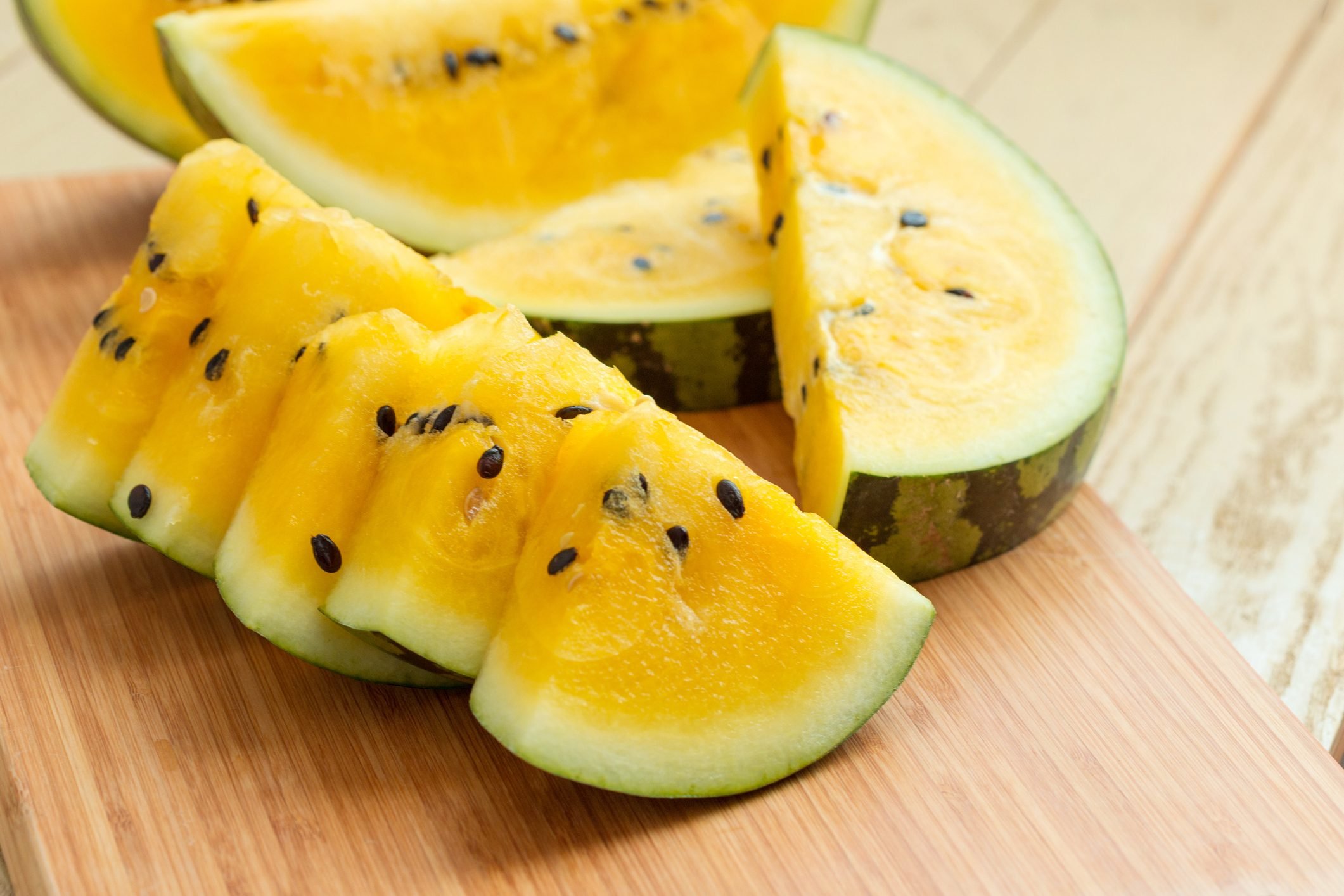
From a design perspective, the yellow watermelon offers a high-contrast visual that is perfect for modern digital marketing. On platforms like Instagram and Pinterest, the “Instagrammability” of a fruit can dictate its market success. The striking contrast between the dark green rind and the neon-yellow center makes it a favorite for food stylists and influencers. Brands that lean into this visual aesthetic are essentially crowdsourcing their marketing, allowing the product’s natural design to generate organic brand awareness.
Positioning the “Exotic”: Marketing the Yellow Watermelon as a Premium Brand
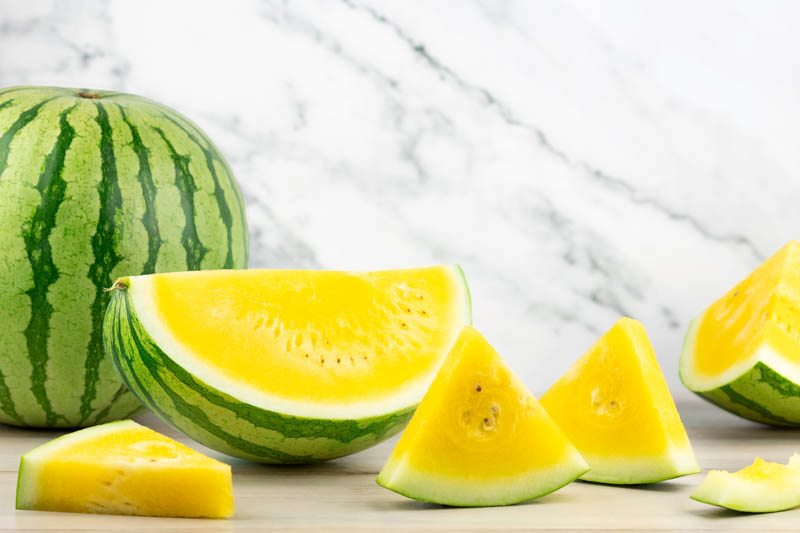
To sell a yellow watermelon successfully, it cannot be treated as a commodity. If it is sold at the same price and in the same way as a red watermelon, its novelty is wasted. Instead, successful brand strategies position it as a premium, “limited edition” experience.
Targeting the Conscious Consumer
The target demographic for the yellow watermelon is the “Conscious Consumer”—someone who values origin stories, health benefits, and unique experiences over low prices. Branding efforts for these varieties often emphasize the fruit’s high beta-carotene content and its ancient African origins. By focusing on these attributes, marketers shift the conversation from “price per pound” to “value per experience.” It becomes a fruit for the culinary enthusiast and the health-conscious elite.
Price Point Strategy: Premiumization through Rarity
In the world of corporate identity and marketing, scarcity equals value. Yellow watermelons are often produced in smaller quantities and have shorter growing seasons than standard varieties. Brand managers use this scarcity to implement a “Premiumization” strategy. By pricing yellow watermelons 20% to 50% higher than red ones, the brand signals to the consumer that this is a superior product. This is the same logic used by luxury automotive or fashion brands: if it costs more and is harder to find, it must be better.
Storytelling in Agriculture: Building a Brand Around Heritage and Innovation
Modern branding is no longer just about the product; it is about the story. The yellow watermelon has a rich narrative that can be leveraged to build a deep emotional connection with the consumer.
The “Heirloom” Narrative vs. Modern Hybridity
There are two distinct storytelling paths for the yellow watermelon. The first is the “Heirloom” narrative, which focuses on the history of the fruit (originally cultivated in Africa over 5,000 years ago). This appeals to consumers’ desire for authenticity and “real” food. The second is the “Modern Innovation” narrative, focusing on hybrid varieties like the “Yellow Doll,” which are bred for crispness and smaller, fridge-friendly sizes. Both stories serve a purpose: one builds trust through tradition, while the other offers a solution to modern lifestyle needs.
Sustainable Packaging and Branding Consistency
A brand is only as strong as its weakest touchpoint. For premium agricultural brands, this extends to packaging. Selling a yellow watermelon in a generic cardboard bin dilutes its brand power. High-end growers are now utilizing branded stickers, QR codes that lead to recipe ideas, and eco-friendly protective sleeves that highlight the fruit’s “exotic” status. This consistency in branding ensures that from the moment the consumer sees the fruit to the moment they slice it open at home, the experience feels curated and intentional.
Case Study: How Strategic Branding Transformed the Specialty Fruit Market
To understand the potential of the yellow watermelon, we can look at the “Golden Kiwi” as a historical precedent. Before the early 2000s, the kiwi was almost exclusively known for its green flesh and fuzzy skin. When Zespri introduced the “SunGold” (yellow) kiwi, they didn’t just release a new fruit; they launched a global brand.
Lessons from the Golden Kiwi
The success of the golden kiwi was rooted in three branding pillars: a distinct name, a focus on a sweeter flavor profile, and a massive marketing push that positioned it as a “tropical” upgrade to the original. The yellow watermelon is currently in a similar growth phase. By moving away from being a “weird watermelon” and toward being a “signature summer luxury,” it is following the same trajectory toward mainstream premium status.
Future-Proofing the Yellow Watermelon Brand
As more growers enter the market, the challenge for existing brands will be to maintain their edge. This will require continued innovation in naming and packaging, as well as perhaps “brand extensions”—such as yellow watermelon juices, dried snacks, or flavored waters. The goal is to move the yellow watermelon from a seasonal curiosity to a permanent fixture of the “Premium Produce” category.
In conclusion, what a yellow watermelon is called—whether it’s a Yellow Crimson, a Honey-Heart, or an Ancient Heirloom—is the foundation of its market value. Through the strategic use of color psychology, premium positioning, and authentic storytelling, the yellow watermelon has moved beyond being a botanical anomaly. It has become a symbol of how branding can take a 5,000-year-old fruit and make it feel like the next big thing in the modern digital age. For the brand strategist, the yellow watermelon is proof that with the right identity, even the most traditional products can be reimagined for a new generation of consumers.
aViewFromTheCave is a participant in the Amazon Services LLC Associates Program, an affiliate advertising program designed to provide a means for sites to earn advertising fees by advertising and linking to Amazon.com. Amazon, the Amazon logo, AmazonSupply, and the AmazonSupply logo are trademarks of Amazon.com, Inc. or its affiliates. As an Amazon Associate we earn affiliate commissions from qualifying purchases.