
In the high-stakes ecosystem of American sports, few labels carry as much marketing weight and “brand potential” as the term “True Freshman.” While the technical definition is straightforward—a student-athlete who is in their first year of college immediately following high school graduation and is participating in games without a “redshirt” (a year of developmental sitting)—the strategic implications of this status are profound. In the modern era of Name, Image, and Likeness (NIL) and hyper-accelerated media cycles, a True Freshman is more than just a player; they are a high-value brand asset.
To understand the value of the True Freshman, one must look past the depth chart and into the world of brand strategy, personal identity, and corporate marketing. This status represents the “new product launch” of the sporting world, where potential meets immediate performance.
Defining the “True Freshman” Brand Identity
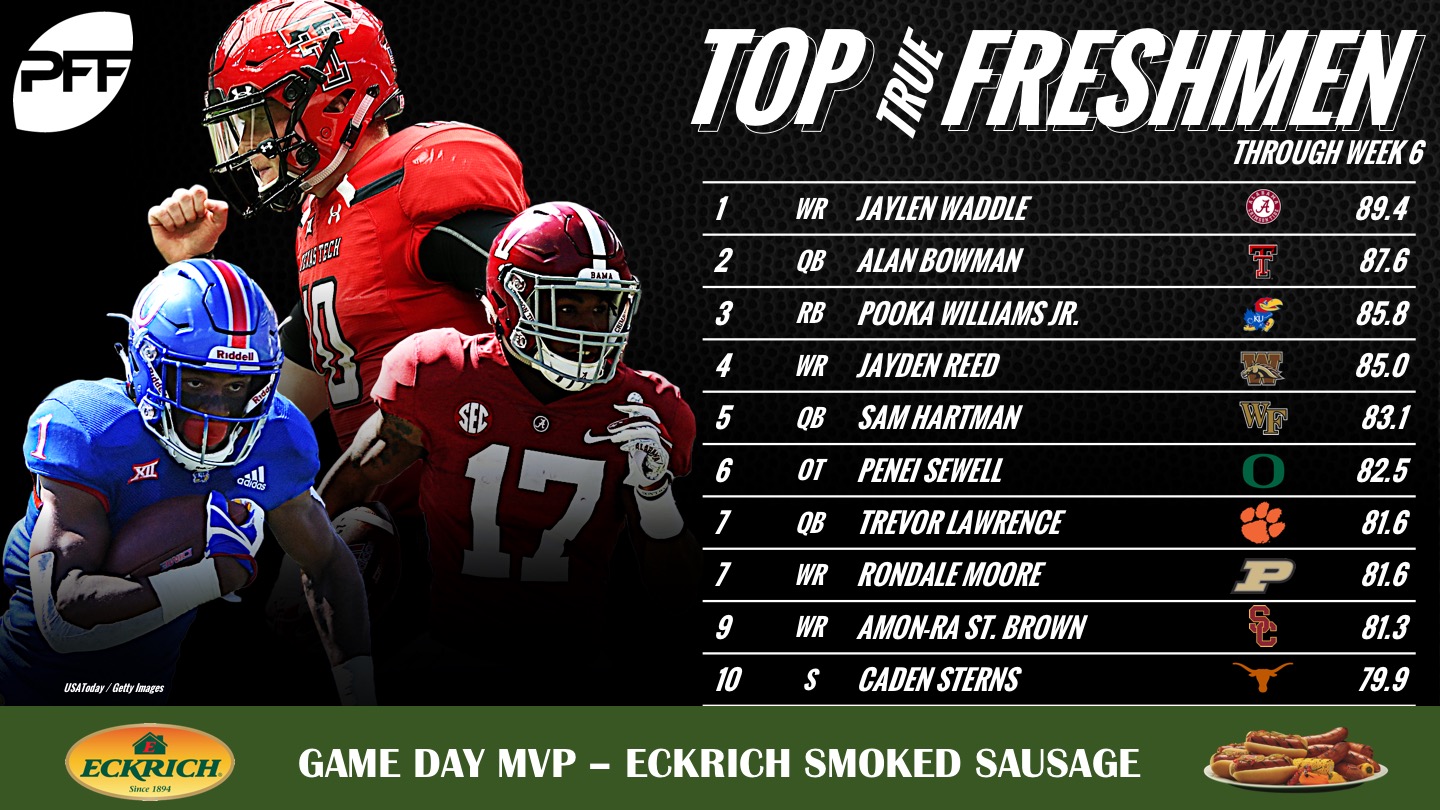
The distinction of being a “True” freshman versus a “Redshirt” freshman is a critical differentiator in the marketplace of college athletics. From a brand perspective, the “True” designation signals a sense of urgency, elite talent, and a “prodigy” narrative that marketers and fans find irresistible.
The Distinction Between Talent and Status
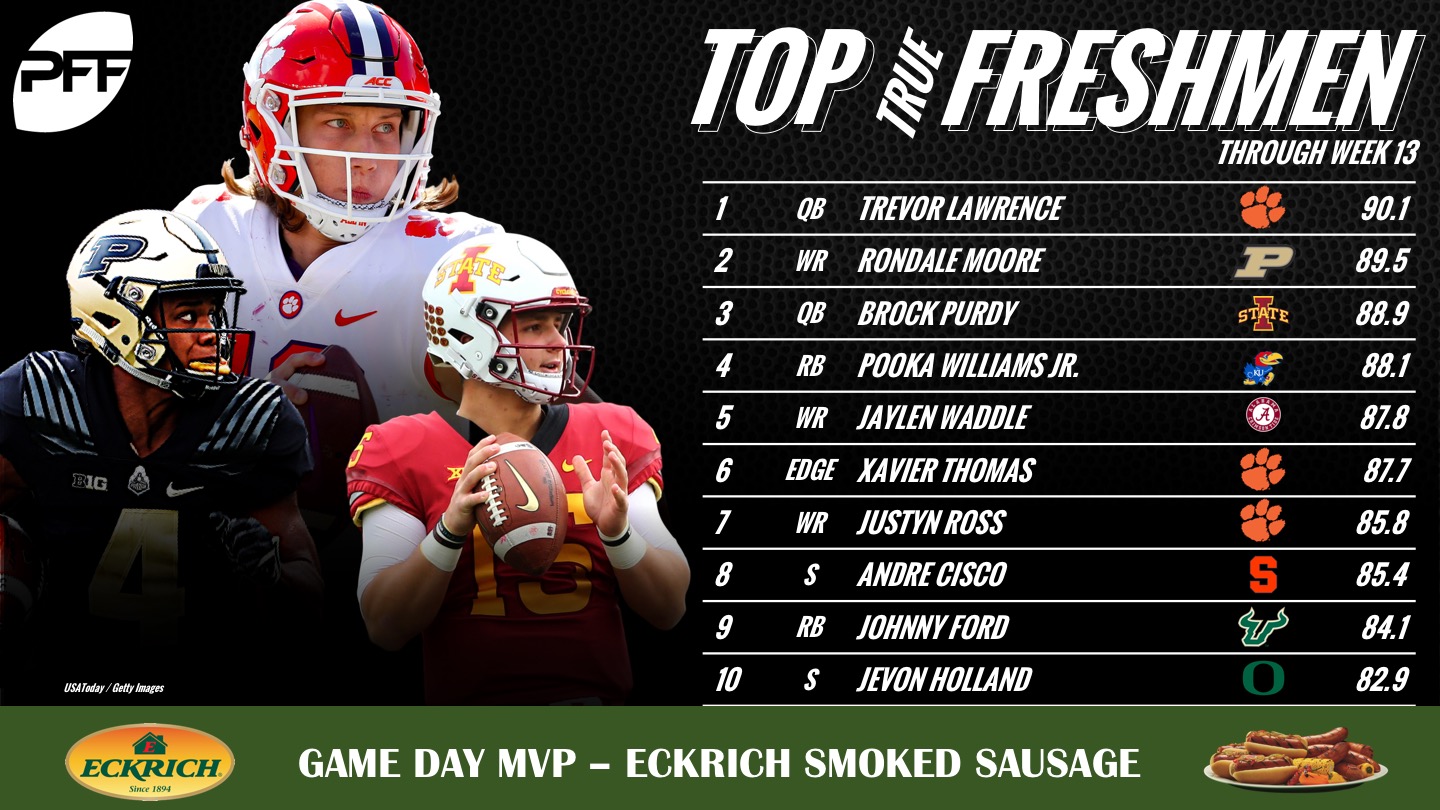
A True Freshman is defined by the absence of a waiting period. In branding terms, this is a “Day One” rollout. While a redshirt freshman has had a year to acclimate, learn the system, and physically mature behind the scenes, the True Freshman is thrust into the public eye immediately. This creates a unique brand archetype: the “Natural.” When a player like Caleb Williams or Trevor Lawrence steps onto the field as a True Freshman, their brand identity is built on the premise that their talent is so undeniable it cannot be sidelined for even a single season.
Speed-to-Market: Why “True” Status Matters in Branding
In corporate marketing, speed-to-market is a competitive advantage. The same applies to college football. A True Freshman has a limited “shelf life” of three to four years before they are eligible for the NFL. This compressed timeline creates a sense of scarcity. For the university’s brand, a True Freshman who plays immediately is a testament to the program’s “Recruit and Play” value proposition. It tells future prospects that this brand rewards merit over seniority, which is a powerful recruiting tool (B2B marketing in the athletic sense).
Personal Branding in the NIL Era
The introduction of Name, Image, and Likeness (NIL) rights has fundamentally changed how True Freshmen are perceived. In the past, a freshman was a “wait-and-see” prospect. Today, they are “Day 1” revenue generators.
Leveraging Early Hype for Marketability
For a five-star recruit entering college as a True Freshman, their personal brand often precedes their first snap. Brands look for “momentum indicators,” and a freshman who breaks into the starting lineup is the ultimate indicator. This allows the athlete to secure endorsements with local car dealerships, national apparel brands, or digital platforms before they have even completed a full semester of classes. The “True Freshman” tag acts as a premium label, suggesting that the athlete is a “blue-chip stock” on a rapid upward trajectory.
Content Strategy for the 18-Year-Old Athlete
The transition from high school to college is a compelling narrative arc—a staple in brand storytelling. True Freshmen are uniquely positioned to document this “as it happens.” Unlike veteran players who may be more guarded or “corporate” in their media interactions, True Freshmen offer an authentic, “raw” look at the transition to big-time athletics. This authenticity is the cornerstone of modern personal branding. By leveraging platforms like Instagram, TikTok, and YouTube, these athletes build a community of followers who are invested in their journey from the very beginning, creating a “First Mover Advantage” in the digital space.
Institutional Branding: How True Freshmen Shape Program Identity
It is not just the individual athlete who benefits from the True Freshman status; the university and its football program use these players to bolster their own corporate identity and market position.
Recruitment as a Marketing Funnel
In the world of college sports, recruitment is the equivalent of a brand’s R&D and talent acquisition strategy. When a program successfully signs and plays a True Freshman, they are sending a clear message to the market. Programs like Alabama, Georgia, and Ohio State use the success of their True Freshmen as a “Proof of Concept.” They demonstrate that their brand infrastructure is capable of taking a “raw material” (a high school senior) and turning them into a “finished product” (a college star) in a matter of months. This reinforces the program’s brand as an elite “developer of talent.”
The “Youth Movement” Narrative
When a team is in a rebuilding phase, the True Freshman is the primary tool for reputation management. By highlighting a “Youth Movement,” a program can shift the narrative from “we are losing” to “we are investing in the future.” This is a classic strategic pivot. Donors, alumni, and fans (the stakeholders) are more likely to remain patient and financially supportive if they believe they are seeing the early stages of a high-potential brand lifecycle. The True Freshman represents hope, and in the business of sports, hope is a highly sellable commodity.
Brand Risks and Reputation Management
While the upside of a True Freshman is immense, the brand risks are equally significant. Managing a brand that is only 18 years old requires a sophisticated approach to reputation management and crisis communication.
Managing the Weight of High-Profile Expectations
The “True Freshman” label can sometimes become a burden. When a brand is over-hyped before it has been tested, the risk of “brand dilution” is high. If a highly-touted freshman underperforms, the negative feedback loop can be devastating to their long-term market value. Strategic advisors and university sports information directors (SIDs) must act as brand managers, carefully controlling media access and “protecting the asset” from premature overexposure.
Transitioning from High School Phenom to Professional Brand
The jump from being a “star in the hometown” to a “brand on the national stage” is jarring. True Freshmen often face intense scrutiny on social media. One misstep—a poorly phrased tweet or a lapse in judgment—can tarnish a brand before it has fully matured. This has led to the rise of personal brand consultants for college athletes, who teach these young men that they are now “CEOs of themselves.” They must learn to navigate the complexities of corporate partnerships, public relations, and community engagement while still trying to pass freshman English.
The Future of College Sports Branding
As we look toward the future, the concept of the True Freshman will continue to evolve alongside the changing landscape of college athletics. With the potential for professionalized “super leagues” and the ever-expanding influence of digital media, the “True Freshman” label will become an even more formalized part of the sports marketing vernacular.
The True Freshman represents the intersection of youthful energy and professional-grade expectation. In the branding world, they are the “disruptors”—the new entrants who challenge the status quo and force established veterans to adapt. Whether they are leading a game-winning drive on a Saturday afternoon or signing a multi-million dollar NIL deal on a Monday morning, the True Freshman is the ultimate symbol of the modern athlete-brand.
Understanding what a True Freshman is requires more than just knowing the NCAA eligibility rules. It requires an understanding of how potential is packaged, how narratives are constructed, and how the “newness” of an athlete can be converted into tangible brand equity. In the competitive theater of college football, the True Freshman is the most exciting, volatile, and valuable brand on the field.
aViewFromTheCave is a participant in the Amazon Services LLC Associates Program, an affiliate advertising program designed to provide a means for sites to earn advertising fees by advertising and linking to Amazon.com. Amazon, the Amazon logo, AmazonSupply, and the AmazonSupply logo are trademarks of Amazon.com, Inc. or its affiliates. As an Amazon Associate we earn affiliate commissions from qualifying purchases.