
In the hyper-competitive landscape of global apparel, the question “What is a playsuit?” transcends mere garment construction. To a consumer, it is a one-piece summer staple; to a brand strategist, it represents a masterclass in category positioning, market segmentation, and lifestyle branding. The playsuit—often confused with its cousin, the jumpsuit—is a specific product category that has been meticulously branded to evoke feelings of youth, freedom, and seasonal spontaneity.
For modern lifestyle brands, the playsuit is more than an item of clothing; it is a conceptual tool used to capture a specific demographic during peak retail seasons. Understanding the branding strategy behind the playsuit provides deep insights into how corporate identities are built around niche product categories and how names can dictate market value.

The Power of Category Branding: Defining the Playsuit Identity
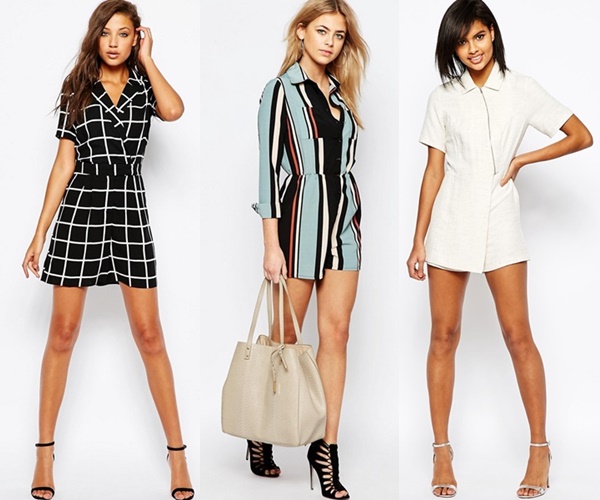
In branding, clarity is the precursor to conversion. The first step in establishing a product’s market presence is defining its boundaries. A playsuit is traditionally defined as a one-piece garment consisting of a top with attached shorts. While structurally similar to a jumpsuit, the branding differentiator is the length and the intended use-case.
Linguistic Branding: Why “Playsuit” Over “Jumpsuit”?
The choice of the word “play” is a deliberate branding decision. In the mid-20th century, when the term gained traction, it was designed to differentiate active, leisure-oriented clothing from formal evening wear. By naming the product a “playsuit,” brands immediately communicate a brand promise of ease, comfort, and recreation.
From a strategic standpoint, this linguistic choice narrows the consumer’s psychological state. When a brand markets a “jumpsuit,” they are often targeting professional or evening-wear segments (the “power suit” association). When they market a “playsuit,” they are leaning into the “leisure” and “resort” brand pillars. This distinction allows companies to charge a premium based on the “vacation mindset,” even if the manufacturing costs are lower than those of full-length garments.
Target Audience and Persona Mapping
Successful brands do not just sell a playsuit; they sell the version of the person who wears one. Through persona mapping, brands have identified the playsuit consumer as typically belonging to the Gen Z or Millennial demographics, characterized by high social media engagement and a preference for “experiential” purchases.
By positioning the playsuit as the “essential festival outfit” or the “ultimate beach-to-bar transition piece,” brands create a narrative. This narrative-driven branding ensures that the product is seen not as a utility item, but as a prerequisite for a desirable lifestyle. The branding strategy here is to move the product from a functional category into an emotional one.
The Psychology of Seasonal Brand Strategy
The playsuit is a seasonal powerhouse. Its success is heavily dependent on “moment marketing”—the ability of a brand to align its messaging with specific times of the year or cultural events. Because the playsuit is inherently tied to warm weather, brands must maximize their identity visibility within a narrow 4-to-6-month window.
Creating Urgency Through “Vacation Branding”
Retailers like Revolve, Zimmermann, and ASOS have perfected the art of “Vacation Branding.” They don’t just list a playsuit in their catalog; they create high-production campaigns set in Mediterranean locales or tropical islands. The playsuit becomes the visual shorthand for the “ideal getaway.”
This strategy creates a “halo effect” for the brand. Even if a consumer is not currently on vacation, the branding of the playsuit triggers an aspirational purchase. The brand becomes the gatekeeper to the consumer’s idealized self. This psychological positioning is why playsuits often see a surge in search volume and sales immediately preceding “Spring Break” or “Summer Solstice” marketing pushes.
The Influencer Pipeline: Social Proof in Niche Fashion
In the digital age, a brand’s identity is often co-authored by its community. The playsuit has become a staple of influencer marketing because of its high “photogenic” value. Brands strategically gift playsuits to influencers who embody the “effortless” brand aesthetic.
When an influencer posts a photo in a playsuit, they are providing social proof that the brand’s promise of “fun and ease” is authentic. This is a crucial component of modern brand strategy: shifting from “brand-led” communication to “community-led” validation. The playsuit, with its playful and youthful connotations, is the perfect vehicle for this type of lifestyle-centric social media branding.

Operational Branding: Scaling a Niche Category into a Global Market
Beyond the visuals and the psychology, the “What is a playsuit?” question has significant implications for operational branding and market scalability. How a brand manages its inventory and price architecture around this specific category determines its long-term viability.
Logistics and the “Fast Fashion” Branding Loop
For fast-fashion giants, the playsuit is a high-turnover item. The branding strategy here is focused on “Freshness” and “Variety.” By releasing dozens of new playsuit patterns every week, a brand reinforces its identity as a trendsetter.
However, this requires a highly optimized supply chain. The brand must be able to move from a design concept to a live product in a matter of days. In this context, the “playsuit” isn’t just a garment; it’s a KPI (Key Performance Indicator). The speed at which a brand can saturate the market with this specific silhouette becomes a hallmark of its operational brand strength.
Premiumization: Moving from Casual to Luxury Branding
On the opposite end of the spectrum, luxury houses have taken the humble playsuit and “premiumized” it. By using high-end materials like silk, linen, or intricate lace, and by refining the tailoring, brands like Chloé or Saint Laurent have shifted the playsuit from a “play” item to a “prestige” item.
The branding strategy here is “Scarcity and Craftsmanship.” Unlike the fast-fashion model, the luxury brand positions the playsuit as a timeless investment. They focus on the heritage of the house and the exclusivity of the design. This allows them to maintain a high brand equity, proving that even a casual category like a playsuit can be elevated to high-fashion status through strategic brand positioning.
The Future of Brand Identity in Apparel
As we move toward a more conscious consumer environment, the way brands define and market products like the playsuit is evolving. The focus is shifting from pure aesthetics to values-based branding.
Sustainability as a Brand Core
Modern consumers are increasingly asking, “What is this playsuit made of, and who made it?” Brands that fail to integrate sustainability into their core identity are facing a “reputation tax.” The new era of playsuit branding involves transparent supply chains, organic fabrics, and circular fashion initiatives.
Brands that successfully market “sustainable playsuits” are not just selling a garment; they are selling a moral alignment. They are positioning themselves as the ethical alternative in a crowded market. This shift shows that the brand identity of the future is built on integrity as much as it is on design.
Virtual Identities: The Playsuit in the Digital and Metaverse Space
As digital identities become as important as physical ones, branding is extending into the virtual realm. We are seeing the emergence of “digital-only” playsuits—skins and outfits for avatars in the metaverse or gaming environments.
For a brand, this is the ultimate test of identity. Can a brand’s essence be distilled into a digital playsuit that exists only on a screen? Luxury brands are already experimenting with NFT (Non-Fungible Token) fashion, where the “What is a playsuit?” question is answered through code and exclusivity. This represents the next frontier of brand strategy: maintaining a consistent corporate identity across both physical and digital realities.
Conclusion: The Strategic Significance of the Playsuit
In conclusion, a playsuit is far more than a summer garment. It is a sophisticated branding vehicle used to navigate the complexities of consumer psychology, seasonal market trends, and operational excellence. Whether it is being positioned as a fast-fashion “must-have” or a luxury “timeless classic,” the playsuit serves as a vital component of a brand’s portfolio.
By understanding the branding nuances—from the linguistic choices in the name to the high-level influencer strategies—we see how companies build powerful identities around specific product categories. As the market continues to evolve toward sustainability and digitalization, the branding of the playsuit will continue to serve as a bellwether for the broader trends in global brand strategy. To ask “What is a playsuit?” is to ask how modern brands create meaning, desire, and value in the eyes of the global consumer.
aViewFromTheCave is a participant in the Amazon Services LLC Associates Program, an affiliate advertising program designed to provide a means for sites to earn advertising fees by advertising and linking to Amazon.com. Amazon, the Amazon logo, AmazonSupply, and the AmazonSupply logo are trademarks of Amazon.com, Inc. or its affiliates. As an Amazon Associate we earn affiliate commissions from qualifying purchases.