
In the rapidly evolving landscape of medical technology, the transition from analog diagnostics to data-driven insights has redefined how we approach personal health and occupational safety. At the center of this evolution is the Hepatitis B titer—a critical diagnostic tool that has moved beyond a simple “yes or no” result into a sophisticated metric used by digital health platforms, corporate wellness software, and global health-tech ecosystems. Understanding what a Hepatitis B titer is requires more than a clinical definition; it requires an exploration of the biotechnology and digital infrastructure that makes immunity verification possible in the 21st century.
Decoding the Titer: The Bio-Tech Mechanics of Antibody Measurement
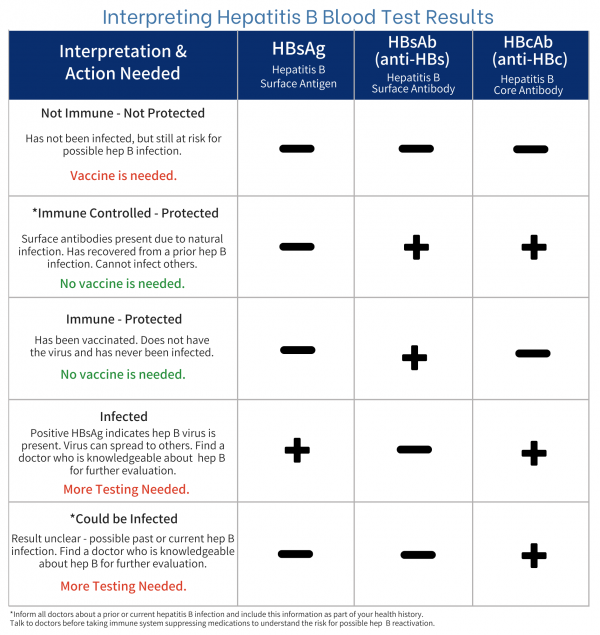
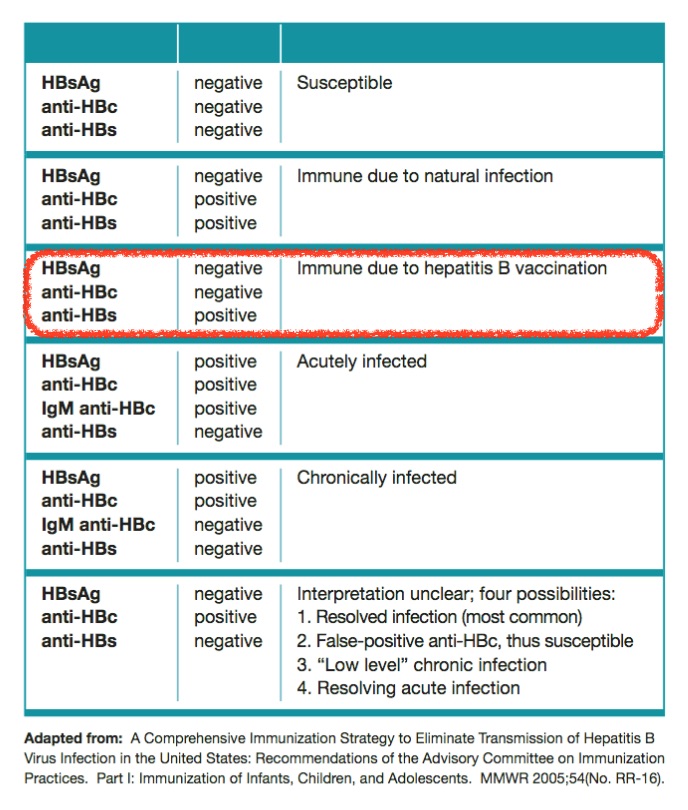
At its core, a Hepatitis B titer is a laboratory test that measures the level of antibodies in a person’s blood to determine immunity to the Hepatitis B virus (HBV). While the biological process is rooted in immunology, the execution of the test is a marvel of modern laboratory technology.
The ELISA Protocol and Digital Imaging
The standard technology used for titer testing is the Enzyme-Linked Immunosorbent Assay (ELISA). Modern laboratories utilize automated ELISA platforms that leverage high-resolution optical sensors and digital imaging. These systems detect the intensity of color changes in a sample, which a computer algorithm then translates into a numerical value—the “titer.” This digital quantification allows for a level of precision that manual testing could never achieve, providing data that can be tracked over years to monitor the degradation of immunity.
Quantitative vs. Qualitative Data Sets
In the tech world, data is only as good as its granularity. A qualitative result merely tells a patient they are “protected” or “not protected.” However, modern health-tech focuses on quantitative data. By providing a specific numerical value (e.g., >10 mIU/mL), digital health records can help predictive algorithms determine when a user might need a booster shot. This shift from binary results to longitudinal data sets is a hallmark of the “Quantified Self” movement, where technology empowers individuals to manage their biological data with the same precision they manage their financial portfolios.
Laboratory Automation: Software and Robotics in Serology
The demand for Hepatitis B titers has surged due to global travel requirements and healthcare employment mandates. To meet this demand, the “Med-Tech” industry has integrated advanced robotics and specialized software to streamline the testing pipeline.
High-Throughput Screening and Robotic Arms
Modern diagnostic facilities utilize high-throughput screening (HTS) technology. Robotic arms and liquid-handling workstations can process thousands of titer samples simultaneously. These systems are governed by complex software that ensures each sample is tracked via a unique digital fingerprint (typically a 1D or 2D barcode). This automation reduces human error, increases the speed of results, and lowers the operational cost—making the technology accessible to a broader demographic.
LIS Integration and Real-Time Reporting
The Laboratory Information System (LIS) is the nervous system of modern diagnostics. When a Hepatitis B titer is processed, the LIS automatically syncs the numerical result with the patient’s Electronic Health Record (EHR). Through API (Application Programming Interface) integrations, these results are pushed to patient portals and mobile apps in real-time. This seamless flow of data eliminates the “wait time” traditionally associated with blood work and allows for immediate action, such as the automated scheduling of a vaccination series if the titer reveals low immunity.
Digital Security and Immunity Passports: Managing Sensitive Health Data
As Hepatitis B titer results become digitized, the focus shifts to digital security and data sovereignty. A titer result is not just a medical data point; it is a credential that can determine employment eligibility and international mobility.
Encrypted Health Records and HIPAA Compliance
The storage of titer results falls under strict data protection regulations, such as HIPAA in the United States or GDPR in Europe. Tech companies specializing in health-tech are now deploying end-to-end encryption to ensure that these results remain private. Advanced cybersecurity measures, including multi-factor authentication (MFA) and encrypted databases, protect against data breaches that could compromise a person’s professional standing based on their health status.
The Shift to Cloud-Based Verification
The concept of “Immunity Passports” has gained traction in the tech industry. By storing Hepatitis B titer results in a secure cloud environment, individuals can share their immunity status with employers or educational institutions via a secure QR code. This eliminates the need for physical paperwork and provides a “single source of truth” for immunity verification. Blockchain technology is even being explored in this niche to create immutable records of vaccination and titer results, ensuring that the data cannot be forged or altered.
AI and Predictive Analytics in Viral Immunology
The most exciting frontier for Hepatitis B titers is the integration of Artificial Intelligence (AI) and Machine Learning (ML). These technologies are transforming the titer from a reactive test into a proactive health tool.
Forecasting Immunity Decay
One of the challenges with Hepatitis B immunity is that it can wane over decades. AI models are now being trained on vast datasets of titer results to predict the rate of “antibody decay” based on age, lifestyle, and initial response to the vaccine. By analyzing these variables, software can send a push notification to a user’s smartphone five years before their immunity is expected to drop below the protective threshold. This “predictive maintenance” for the human body is a direct application of AI tools used in industrial and software engineering.
Personalized Medicine and Targeted Boosters
Not every individual responds to the Hepatitis B vaccine in the same way. Some are “non-responders” who require a different technological approach, such as a high-dose vaccine or a different adjuvant. Machine learning algorithms can identify patterns in titer data to help clinicians tailor their approach to these individuals. Instead of a “one size fits all” vaccination schedule, AI-driven diagnostics allow for personalized medicine that optimizes health outcomes while minimizing unnecessary medical interventions.
The Economic Impact of Med-Tech Innovation in Testing
The intersection of technology and titer testing also has significant implications for business finance and the scalability of public health initiatives.
Cost-Efficiency through Software Optimization
For large-scale organizations, such as hospitals or military branches, testing thousands of employees for Hepatitis B immunity can be a logistical and financial nightmare. Enterprise-level health-tech software reduces these costs by automating the “titer-to-booster” workflow. By identifying only those who truly need a booster through precise titer measurement, organizations can save millions of dollars on unnecessary vaccinations.
Scalability in Public Health via Telehealth
The integration of at-home collection kits with digital lab processing has democratized access to Hepatitis B titers. A user can order a kit online, collect a sample, and receive their digital results via a telehealth app. This business model relies on a robust digital supply chain and integrated logistics software. It allows for rapid scaling of testing during health crises and ensures that even remote populations can access high-tech diagnostic tools.

Conclusion: The Titer as a Digital Health Asset
What is a Hepatitis B titer? In the modern era, it is far more than a vial of blood in a lab. It is a data point in a vast digital ecosystem, a credential in a secure cloud database, and a variable in an AI’s predictive model. As we continue to integrate technology into every facet of our biology, the Hepatitis B titer stands as a prime example of how diagnostic tools are being transformed into digital health assets.
The future of health-tech lies in our ability to take these biological markers and wrap them in layers of software, security, and analytics. By doing so, we not only protect ourselves from viral threats but also build a more efficient, secure, and personalized healthcare system. Whether you are a developer building the next generation of health apps or an individual monitoring your own “biological uptime,” the technology behind the Hepatitis B titer is a testament to the power of digital innovation in the medical field.
aViewFromTheCave is a participant in the Amazon Services LLC Associates Program, an affiliate advertising program designed to provide a means for sites to earn advertising fees by advertising and linking to Amazon.com. Amazon, the Amazon logo, AmazonSupply, and the AmazonSupply logo are trademarks of Amazon.com, Inc. or its affiliates. As an Amazon Associate we earn affiliate commissions from qualifying purchases.