
In the vast and ever-evolving landscape of social media, few platforms have had as profound an impact as Facebook. At its core, Facebook is designed to connect people, foster communities, and serve as a digital repository of lives lived and shared. Central to this experience is the “Timeline”—a concept that has evolved significantly over the years to become the digital chronicle of an individual’s or entity’s existence on the platform. Far more than just a simple profile page, a Facebook Timeline is a dynamic, interactive, and highly personalized space that weaves together posts, photos, videos, and life events into a coherent narrative.
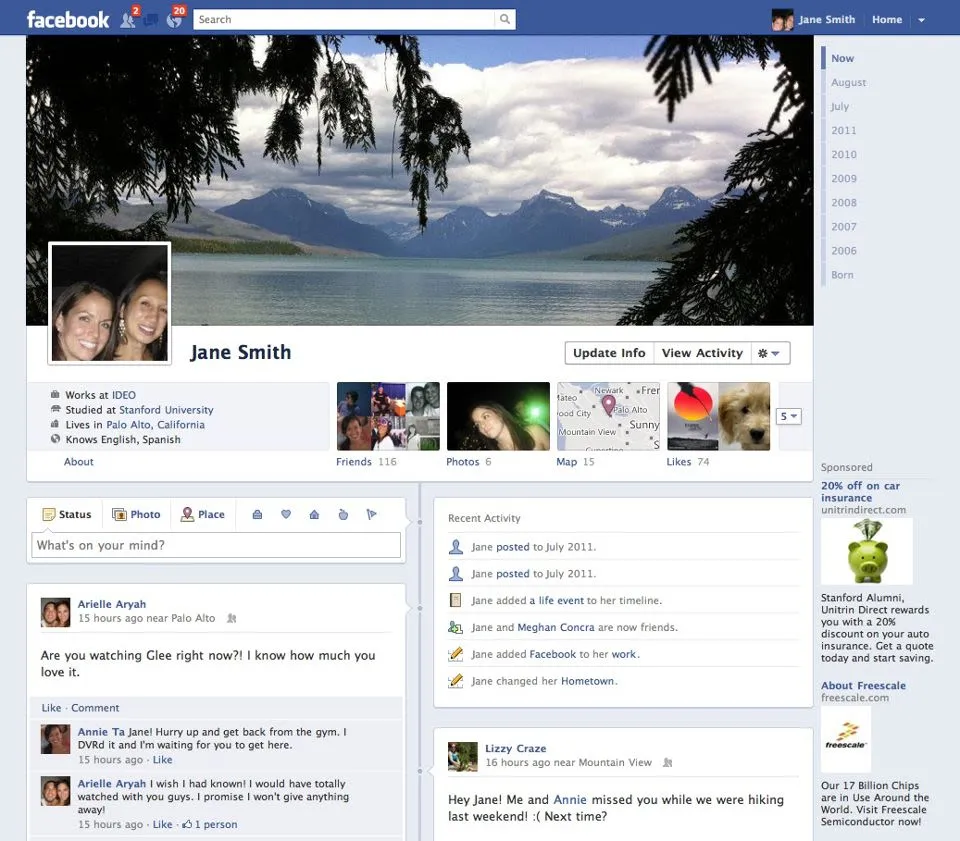
For the uninitiated, the Timeline can be thought of as your digital scrapbook, a reverse-chronological stream of all the content you’ve shared, been tagged in, or had happen to you on Facebook. It’s the primary public interface of your Facebook profile, the place where friends, family, and even potential professional contacts come to get a sense of who you are, what you care about, and what you’ve been up to. But its significance extends far beyond personal sharing, touching upon critical aspects of technology, personal and corporate branding, and even financial implications in the digital age. Understanding the nuances of the Facebook Timeline is crucial not just for casual users, but for anyone looking to navigate their digital identity effectively, manage their online reputation, or leverage the platform for personal and professional growth.
The Digital Chronicle: Understanding Your Facebook Timeline
At its essence, the Facebook Timeline is your personal historical record within the Facebook ecosystem. It’s where your digital life unfolds, meticulously cataloging moments from the mundane to the monumental.
From Wall to Timeline: A Brief Evolution
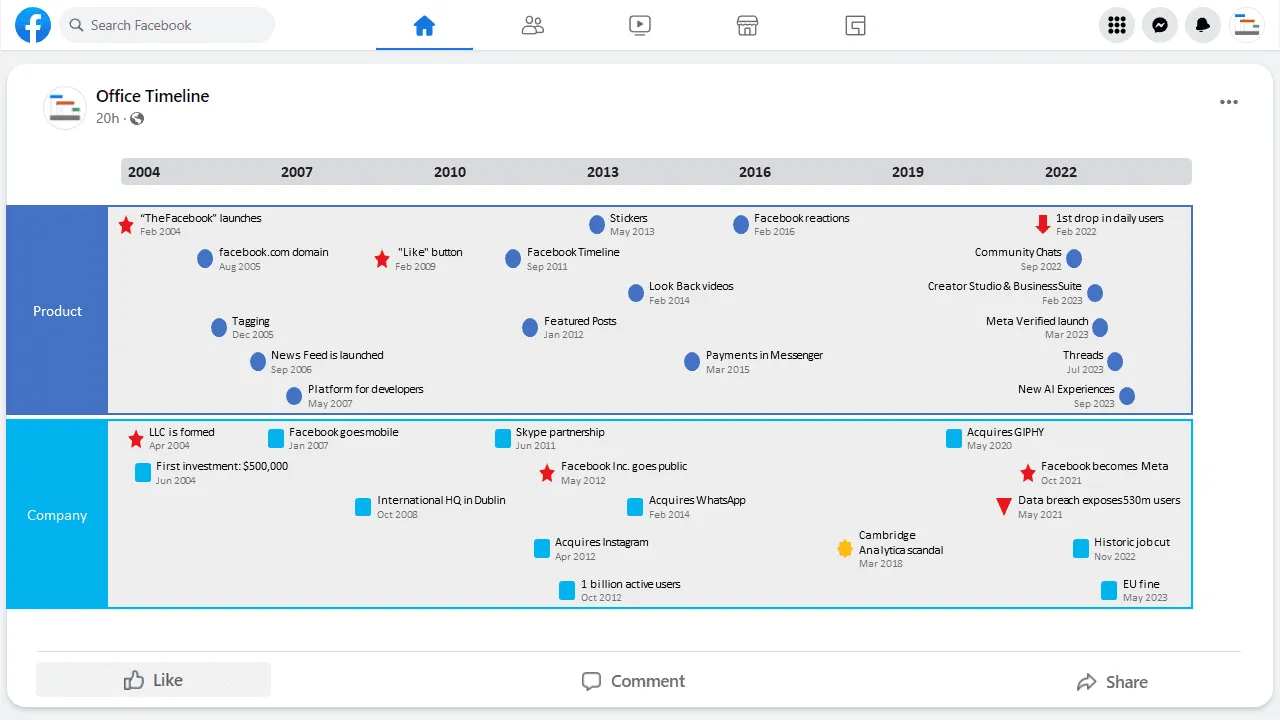
The concept of a personal profile page on Facebook wasn’t always called a “Timeline.” Initially, users had a “Wall,” a simpler interface where friends could post messages, and updates were presented in a more basic, less curated fashion. The shift to “Timeline” in 2011 marked a significant evolution in how users could represent themselves online. This update transformed the static “Wall” into a richer, more visually engaging, and chronologically organized narrative. The change emphasized storytelling, allowing users to backdate significant life events, highlight important posts, and present a more complete and coherent story of their lives, rather than just a stream of recent activity. This technological leap dramatically changed user expectations for digital self-representation and set a new standard for social media profiles.
Anatomy of a Timeline: Posts, Photos, and Life Events
A Facebook Timeline is composed of several key elements, each contributing to the overall narrative:
- Posts: These are the text updates, links, articles, and thoughts you share. They form the textual backbone of your Timeline, reflecting your opinions, interests, and daily musings.
- Photos and Videos: Perhaps the most compelling elements, photos and videos bring your Timeline to life. From casual selfies to professional event coverage, visual content is highly engaging and plays a critical role in how your story is perceived. Facebook’s sophisticated algorithms and software continually optimize how these media are displayed, ensuring a rich user experience across various devices.
- Life Events: This feature allows users to highlight significant milestones such as graduations, new jobs, relationships, moving to a new city, or starting a family. These events are often accompanied by photos and are strategically placed to stand out, offering a quick snapshot of major life changes.
- Shared Content: Any content you share from others, react to, or are tagged in also appears on your Timeline, assuming your privacy settings allow it. This interconnectivity is a hallmark of Facebook, showing your participation in the broader social network.
- Profile Picture and Cover Photo: These visual elements are the immediate identifiers of your Timeline. The profile picture is your primary avatar, while the cover photo offers a larger, more expansive canvas to express personality, interests, or brand identity. Together, they form the crucial visual “first impression” of your digital presence.
The Activity Log: Your Personal Digital Archive
Beneath the curated facade of the Timeline lies the “Activity Log.” This is a powerful, private tool that offers a comprehensive record of all your actions on Facebook, regardless of whether they appear on your public Timeline. From every post you’ve liked, comment you’ve made, search you’ve performed, or app you’ve connected to, the Activity Log stores it all. This feature, a testament to Facebook’s robust software and data management capabilities, allows users unparalleled control over their digital history. It serves as a personal archive, enabling you to review, edit, or delete past interactions, helping you manage your online presence with precision. For those interested in digital security and data privacy, understanding and regularly reviewing your Activity Log is a critical step in maintaining a clean and accurate digital footprint.
Crafting Your Digital Identity: The Timeline as a Personal Brand Asset
In today’s interconnected world, your online presence is often an extension of your real-world identity, serving as a powerful tool for personal branding. Your Facebook Timeline, whether intentionally or not, plays a significant role in shaping this digital persona.
Personal Branding in the Digital Age: Curating Your Narrative
For many, a Facebook Timeline is the informal equivalent of an online resume or portfolio, reflecting aspects of their personality, interests, and even professional aspirations. It’s a dynamic platform where you actively (or passively) build your personal brand. What you post, how you interact, and the image you cultivate all contribute to how others perceive you. From a career perspective, potential employers often review social media profiles, making a well-curated Timeline a valuable asset. It can showcase your communication style, interests, participation in community activities, or even demonstrate skills relevant to your profession. Conversely, an unmanaged or inappropriate Timeline can negatively impact professional opportunities. Therefore, strategically managing your Timeline becomes an exercise in personal brand strategy, aligning your digital narrative with your real-world goals and values.
Visual Storytelling: Profile Pictures, Cover Photos, and Media
The visual elements on your Timeline are paramount to effective personal branding. Your profile picture is often the first visual point of contact, a digital handshake that communicates your approachability and professionalism. Similarly, your cover photo, with its larger canvas, offers an opportunity for more expansive expression—be it a scenic landscape reflecting a hobby, an artistic statement, or a graphic promoting a personal project. These visual cues, supported by the wealth of photos and videos you share, tell a story that can be absorbed almost instantly. Mastering the art of visual storytelling on your Timeline means carefully selecting images that resonate with your desired brand identity, ensuring high quality, and maintaining consistency in aesthetic where appropriate. This conscious design effort helps create a cohesive and appealing brand image that strengthens your overall online reputation.
Reputation Management: Safeguarding Your Online Image
The public nature of social media means that what you share can have lasting consequences, impacting your reputation both personally and professionally. Your Timeline is a central hub for this. Effective reputation management on Facebook involves being mindful of the content you post, the comments you make, and how you engage with others. It also includes actively monitoring what others post about you or tag you in, and utilizing Facebook’s privacy settings to control visibility. Addressing negative comments respectfully, curating a positive image, and promptly removing or requesting the removal of inappropriate content are all vital components. In an age where digital footprints are increasingly permanent, proactive management of your Timeline is not just good practice, but a necessity for safeguarding your reputation.
Navigating Privacy and Security: Protecting Your Timeline
Given the wealth of personal information housed on a Facebook Timeline, privacy and security are paramount concerns. Facebook provides a suite of tools designed to give users control over their data, but understanding and utilizing these features effectively is crucial. This falls squarely into the domain of digital security, a key aspect of tech literacy.
Mastering Privacy Settings: Who Sees What?
Facebook’s privacy settings are extensive and, at times, complex, but mastering them is essential for controlling your Timeline’s visibility. You can specify who sees your posts (Public, Friends, Friends Except…, Specific Friends, Only Me), who can tag you in photos, who can see your “Life Events,” and even who can search for you on Facebook. There are granular controls for past posts, future posts, and information shared in various sections of your profile. Understanding the difference between sharing with “Friends” and “Friends of Friends,” for example, can drastically alter the reach of your content. Regularly reviewing these settings, especially after platform updates, is a best practice for maintaining control over your digital security and ensuring your personal information is shared only with your intended audience. This active engagement with privacy settings is a fundamental component of safe and responsible tech use.
Best Practices for Timeline Security
Beyond privacy settings, several security best practices can further protect your Timeline and, by extension, your entire Facebook account:
- Strong, Unique Passwords: Use a complex password that combines letters, numbers, and symbols, and avoid reusing it across different platforms.
- Two-Factor Authentication (2FA): Enable 2FA to add an extra layer of security. This requires a code from your phone in addition to your password when logging in from an unrecognized device.
- Review Connected Apps: Periodically check which third-party apps and websites have access to your Facebook data and remove any you no longer use or trust. These apps often request Timeline access, and rogue applications can pose a security risk.
- Be Wary of Phishing: Learn to identify phishing attempts—fake emails or messages designed to trick you into revealing your login credentials.
- Educate Yourself on Scams: Be aware of common social engineering scams that might target your Timeline, such as fake prize notifications or urgent requests for help from seemingly compromised friends’ accounts.
- Log Out of Public Devices: Always log out of Facebook when using a shared or public computer.
Adhering to these practices minimizes the risk of unauthorized access to your Timeline, protecting your personal data and preventing potential misuse.
The Digital Footprint and Future Implications
Every interaction, post, and share on your Facebook Timeline contributes to your digital footprint—the trail of data you leave behind online. This footprint can be extensive and enduring. For individuals, this means understanding the long-term implications of what they share today. For companies, managing their Facebook Page’s timeline is critical for corporate identity and brand reputation, as old posts can be resurfaced and scrutinized. As technology trends continue to push the boundaries of data aggregation and AI analysis, the significance of this digital footprint will only grow. It underscores the importance of thoughtful engagement with platforms like Facebook and proactive management of your Timeline, not just for present privacy but for future relevance and security.
The Timeline Beyond Personal Use: Opportunities for Growth and Income
While primarily designed for personal connection, the Facebook Timeline’s underlying structure and widespread adoption offer significant opportunities for businesses, individuals pursuing online income, and those keen on professional networking.
Businesses and Brands: Leveraging the Page Timeline
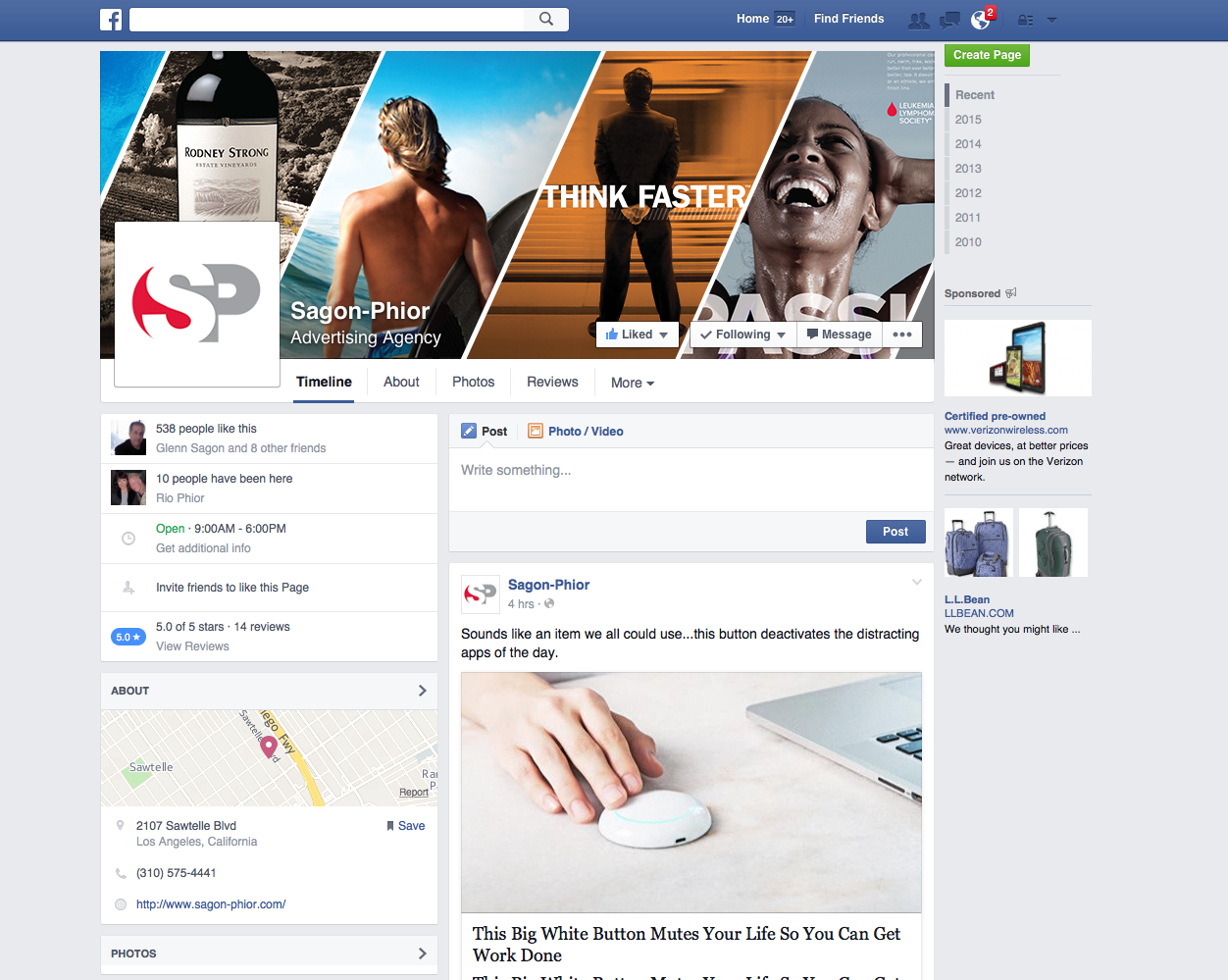
For businesses, non-profits, and public figures, a Facebook “Page” serves as their Timeline. This dedicated space is an indispensable tool for brand strategy and marketing. Companies use their Page Timeline to:
- Share Updates and News: Announce new products, services, events, or company milestones, keeping their audience informed.
- Engage with Customers: Respond to comments, messages, and reviews, fostering community and demonstrating customer service.
- Showcase Products/Services: Post photos, videos, and detailed descriptions of offerings, effectively creating a digital storefront.
- Run Marketing Campaigns: Utilize Facebook’s sophisticated advertising tools, often linked to content on their Page Timeline, to target specific demographics, drive traffic, and generate leads.
- Build Corporate Identity: Consistently curated content on the Page Timeline helps define a brand’s voice, values, and visual identity, bolstering corporate reputation. Case studies abound of brands that have successfully used their Page Timeline to launch viral campaigns, manage crises, and build loyal customer bases, directly impacting their business finance.
The Page Timeline is a dynamic marketing asset, crucial for maintaining an active and engaging online presence in the competitive digital marketplace.
Networking and Professional Development: Indirect Income Streams
Even for individual users, a well-managed personal Timeline can indirectly contribute to online income and professional growth.
- Showcasing Skills and Projects: If you’re a freelancer, artist, or consultant, your Timeline can subtly showcase your work, interests, and expertise. Sharing relevant articles, personal projects, or professional achievements can attract potential clients or collaborators.
- Networking Opportunities: Connections made on Facebook can transcend social boundaries, leading to professional opportunities. A clean, articulate Timeline makes a positive impression on new contacts and can open doors to job offers, side hustles, or investment opportunities.
- Promoting Side Hustles: Whether you’re selling handmade crafts, offering tutoring services, or promoting a blog, your Timeline can serve as a platform to organically promote your side hustles to your network, potentially generating income without direct advertising costs. This relies on building a personal brand of trust and expertise.
- Event Promotion: If you host events (webinars, workshops, local meetups), your Timeline can be used to promote them, reaching an engaged audience and potentially generating ticket sales or participation fees.
While not a direct financial tool like an investment platform, the Timeline’s role in personal branding and networking makes it an influential factor in creating avenues for online income and career advancement.
Protecting Your Financial Information Through Timeline Awareness
Beyond opportunities, your Timeline’s privacy settings and the information you share (or allow to be shared) have direct implications for personal finance security. Oversharing personal details, such as travel plans, home address snippets, or sensitive financial achievements, can inadvertently make you a target for scams, identity theft, or even physical security risks.
- Avoiding Scams: Scammers often trawl social media for personal information to make their phishing attempts more convincing. A carefully curated Timeline with strict privacy settings reduces the data available to malicious actors.
- Identity Theft Prevention: Details like birthdates, pet names, or hometowns, commonly found on Timelines, are frequently used as security questions for financial accounts. Limiting the public visibility of such information can add a layer of protection against identity theft.
- Financial Discretion: While it might be tempting to share financial milestones, discretion is key. Broadcasting wealth or financial struggles can attract unwanted attention or make you vulnerable to various forms of exploitation.
Thus, a proactive approach to managing your Timeline’s content and privacy settings is a fundamental aspect of safeguarding your personal finance in the digital realm.
The Evolving Face of Social Media: What’s Next for the Timeline?
The digital world is in a constant state of flux, driven by technological trends and shifting user behaviors. The Facebook Timeline, as a core feature of one of the world’s largest social networks, is continually adapting.
Current Trends and Future Adaptations
Technology trends, such as the increasing dominance of short-form video content (e.g., Reels), the rise of immersive experiences (e.g., metaverse initiatives), and the integration of AI tools, are all influencing the evolution of social media profiles. We can expect the Timeline to continue adapting by:
- Enhanced Multimedia Integration: More seamless integration of various media formats, potentially with AI-powered editing and curation tools.
- Personalized Feeds: AI algorithms already heavily influence what appears on your main news feed, but future Timelines might offer even more personalized viewing experiences, allowing users to customize how their own history is displayed to different audiences.
- Interactive Elements: The inclusion of more interactive elements, potentially drawing on augmented reality (AR) or virtual reality (VR) technologies, making the Timeline a more dynamic and less static chronicle.
- Privacy-Centric Features: As digital security and data privacy remain top concerns, Facebook will likely continue to introduce more granular privacy controls and transparency tools, giving users greater insight into how their Timeline data is used.
The Balance of Personal Expression and Platform Innovation
The future of the Timeline lies in balancing the user’s desire for personal expression and narrative control with Facebook’s continuous platform innovations. As AI tools become more sophisticated, they could potentially assist users in curating their Timelines more effectively, suggesting content to highlight or privacy settings to adjust. However, this also raises questions about algorithmic influence versus authentic self-representation. The challenge for Facebook, and for users, will be to harness these technological advancements to create a richer, more secure, and genuinely expressive digital identity without sacrificing privacy or authenticity.
In conclusion, the Facebook Timeline is far more than a simple profile page; it is a complex, dynamic, and evolving digital construct that serves as a cornerstone of online identity. Its technical infrastructure allows for the storage and presentation of a lifetime’s worth of digital interactions. As a crucial element of personal and corporate branding, it dictates how individuals and businesses are perceived in the online sphere, directly impacting reputation and opening avenues for professional growth and even financial gain. Simultaneously, it demands a vigilant approach to digital security and privacy, underscoring the critical need for users to master its settings to protect their personal and financial information. As technology continues to advance, the Timeline will undoubtedly evolve, yet its fundamental role as a personalized digital chronicle will remain at the heart of the Facebook experience.
aViewFromTheCave is a participant in the Amazon Services LLC Associates Program, an affiliate advertising program designed to provide a means for sites to earn advertising fees by advertising and linking to Amazon.com. Amazon, the Amazon logo, AmazonSupply, and the AmazonSupply logo are trademarks of Amazon.com, Inc. or its affiliates. As an Amazon Associate we earn affiliate commissions from qualifying purchases.