
In the landscape of automotive engineering, few innovations have managed to reshape consumer expectations as profoundly as the Ford EcoBoost engine. Introduced over a decade ago, the EcoBoost suite of technologies represented a paradigm shift in how internal combustion engines (ICE) deliver power and efficiency. Traditionally, automotive performance was a zero-sum game: if you wanted more power, you needed more displacement (and thus, more fuel). If you wanted efficiency, you sacrificed acceleration.
The EcoBoost technology suite effectively broke this dichotomy by utilizing a trifecta of technological pillars—gasoline direct injection, variable camshaft timing, and advanced turbocharging. By downsizing the engine displacement and “upsizing” the technology, Ford created a platform that delivers the torque of a larger engine with the fuel economy of a smaller one. This article explores the intricate technical architecture, the software-driven management systems, and the engineering challenges that define the EcoBoost legacy.
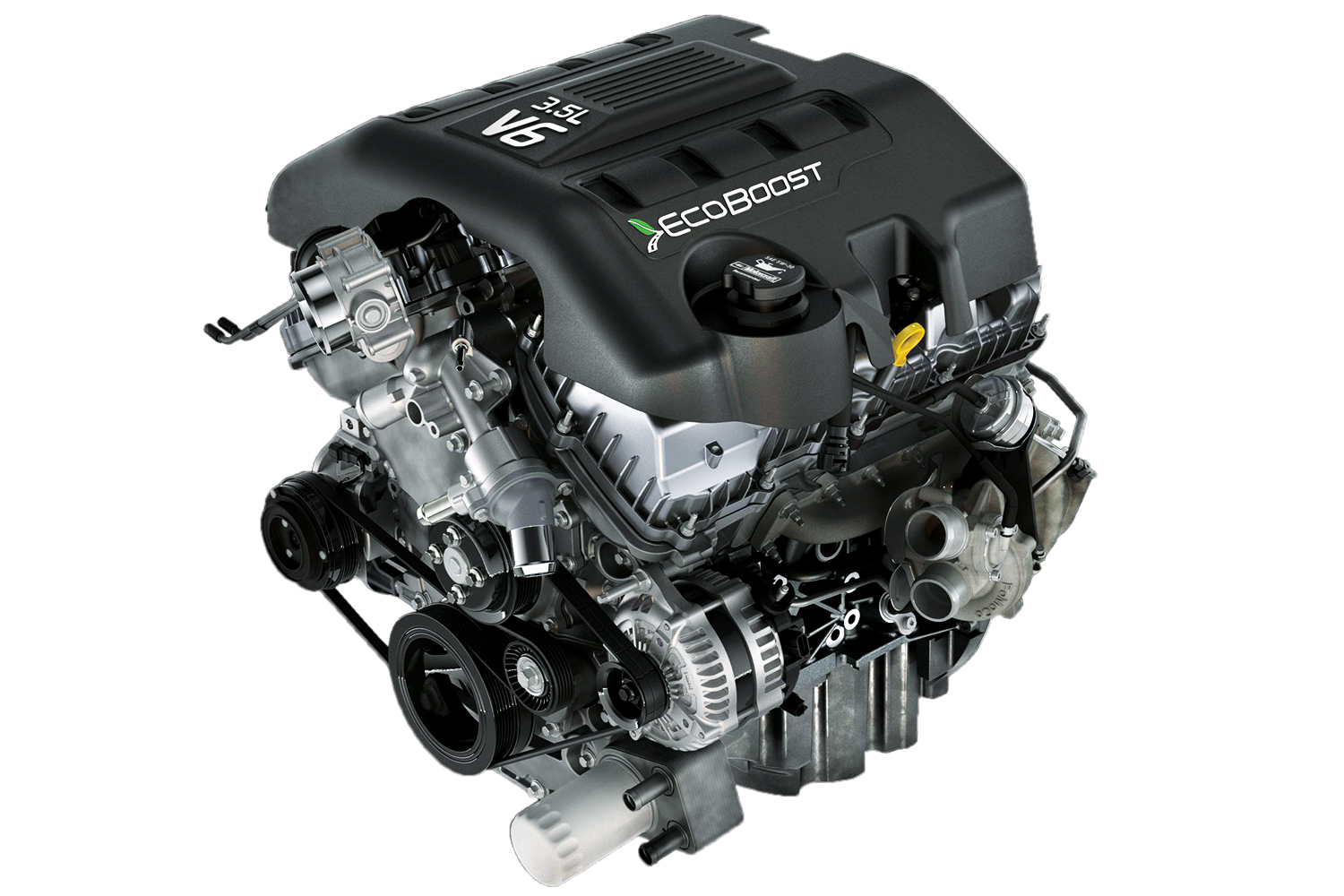
The Core Architecture of EcoBoost Technology
To understand what an EcoBoost engine is, one must look past the metal casing and into the physics of its operation. Unlike traditional naturally aspirated engines that rely on the vacuum created by descending pistons to pull in air, the EcoBoost uses forced induction and precision fuel delivery to maximize every drop of gasoline.
Gasoline Direct Injection (GDI)
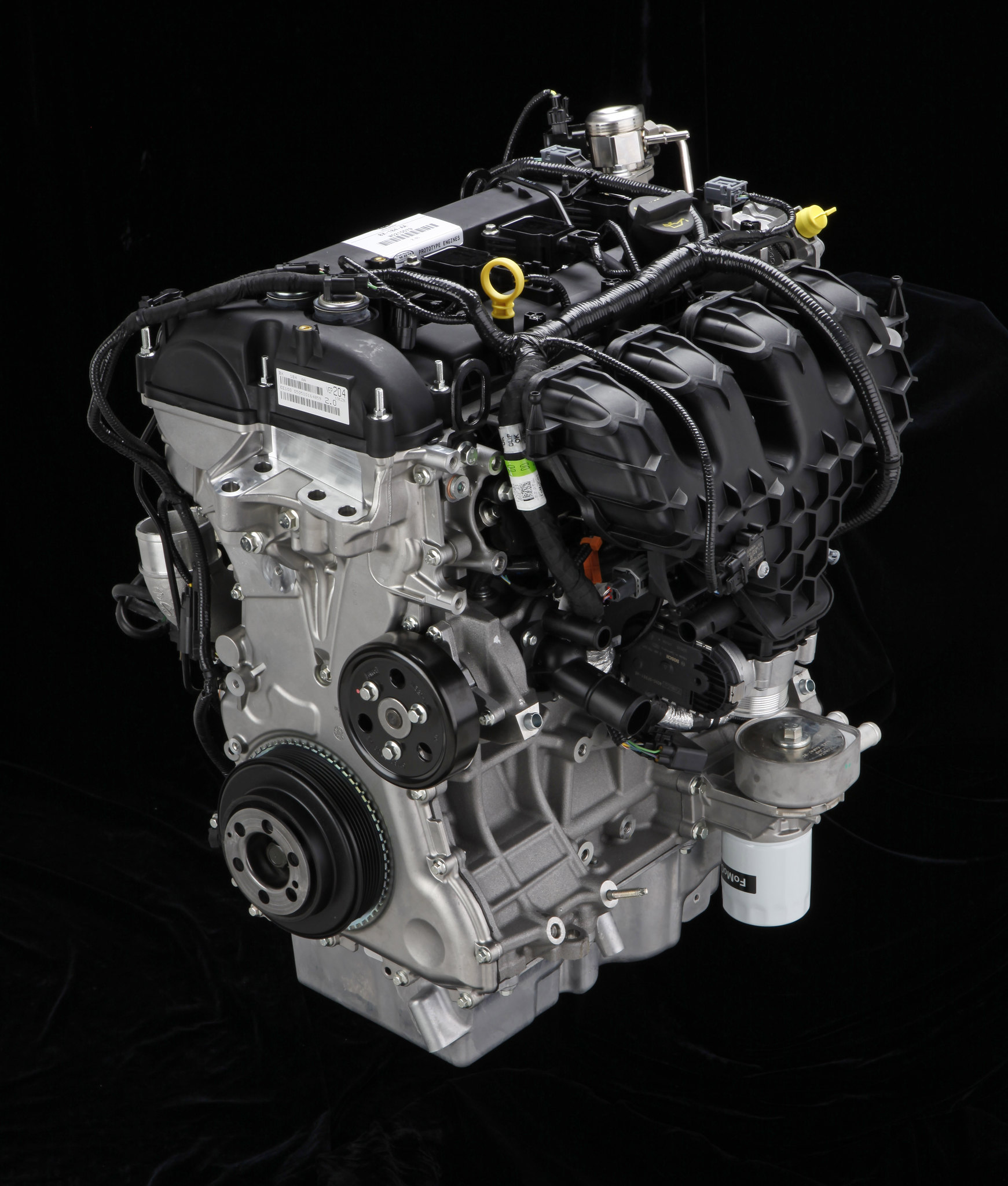
The heart of the EcoBoost’s efficiency lies in its Gasoline Direct Injection (GDI) system. In a standard port-injection engine, fuel is sprayed into the intake manifold where it mixes with air before entering the cylinder. In an EcoBoost engine, fuel is injected at high pressure—often exceeding 2,000 psi—directly into the combustion chamber.
This technical nuance allows for a “charge-cooling” effect. As the liquid fuel vaporizes inside the hot cylinder, it absorbs heat, lowering the temperature of the air-fuel mixture. This allows the engine to run a higher compression ratio without the risk of “knock” (pre-detonation), resulting in a more complete burn and significantly higher thermal efficiency.
Advanced Turbocharging Systems
Turbocharging is the “Boost” in EcoBoost. By utilizing the energy of the exhaust gases to spin a turbine, the engine forces more compressed air into the combustion chamber. This allows a 2.0-liter four-cylinder engine to behave like a 3.0-liter V6 when the driver demands power.
Ford engineers focused heavily on reducing “turbo lag”—the delay between pressing the accelerator and the turbocharger providing boost. This was achieved through the use of low-inertia turbines that spin up quickly and twin-scroll turbocharger designs on larger displacements, which separate exhaust pulses to ensure a constant, smooth delivery of energy to the turbine wheel.
Variable Camshaft Timing (Ti-VCT)
Complementing the fuel and air delivery is Twin Independent Variable Camshaft Timing (Ti-VCT). This technology allows the engine’s electronic brain to precisely control the opening and closing of both intake and exhaust valves. By optimizing valve timing based on engine speed and load, Ti-VCT ensures the engine breathes efficiently across the entire power band, improving low-end torque and high-end horsepower while reducing pumping losses.
Evolutionary Milestones: From 1.0L Three-Cylinders to V6 Powerhouses
The scalability of EcoBoost technology is perhaps its most impressive engineering feat. The architecture is not limited to a single engine size; rather, it is a modular philosophy applied across a diverse range of displacements tailored for everything from compact city cars to heavy-duty pickup trucks and even supercars.
The 1.0L Fox Engine: Efficiency in a Small Package
The 1.0-liter, three-cylinder EcoBoost (often referred to by the codename “Fox”) is a masterpiece of compact engineering. To address the inherent vibration issues of a three-cylinder layout, Ford engineers chose not to use a heavy balance shaft. Instead, they intentionally “unbalanced” the flywheel and pulley to counteract the engine’s natural shaking. This saved weight and reduced internal friction. Despite its diminutive size, the engine features an integrated exhaust manifold cast directly into the cylinder head, which speeds up warm-up times and improves efficiency.
The 2.3L Performance Hub
The 2.3-liter EcoBoost engine represents the performance-oriented middle ground. Powering the Ford Mustang and the Focus RS, this engine utilizes a high-tensile-strength die-cast aluminum block and a twin-scroll turbocharger. In the Focus RS, engineers pushed the tech further by using a low-pressure-cast aluminum alloy cylinder head capable of withstanding higher thermal loads, demonstrating the engine’s ability to handle extreme mechanical stress.
The 3.5L V6: Replacing the V8
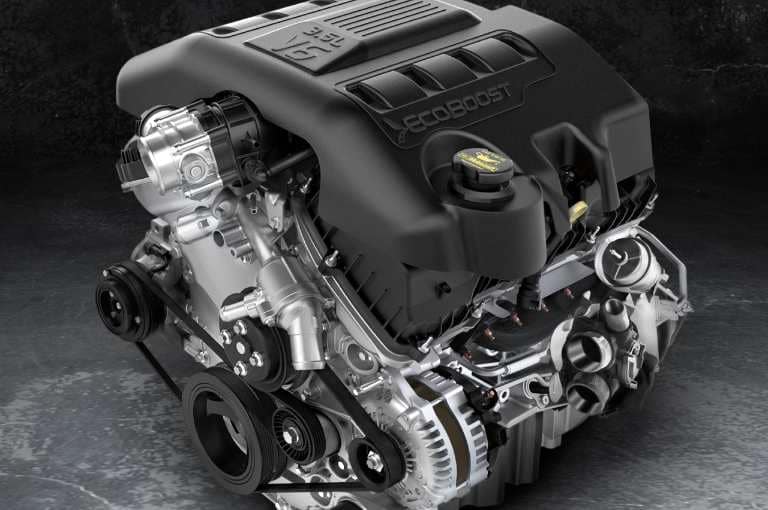
The 3.5-liter V6 EcoBoost was a bold technical statement, particularly when it was introduced into the F-150 lineup. It was designed to provide the towing capacity and torque of a 5.0L or 6.2L V8 while maintaining V6 fuel economy. The second generation of this engine introduced a dual-injection system—combining both direct and port injection—to optimize performance at all load levels and reduce carbon buildup on the intake valves, a common technical hurdle for direct-injection engines.
The Role of Software and Electronics in EcoBoost Management
Beyond the mechanical components, the EcoBoost engine is a triumph of digital logic. The engine’s performance is dictated by an Electronic Control Unit (ECU) that processes thousands of data points every second to maintain a delicate balance between performance, emissions, and engine safety.
Precision ECU Mapping
The ECU in an EcoBoost vehicle manages complex variables including boost pressure, fuel trim, ignition timing, and wastegate positioning. Because turbochargers increase internal cylinder pressures, the margin for error is slim. Modern EcoBoost software utilizes sophisticated “knock sensors” that can detect the earliest signs of pre-detonation and adjust the timing on a per-cylinder basis. This digital oversight allows the engine to operate at its absolute peak efficiency without risking catastrophic mechanical failure.
Thermal Management Systems
Managing heat is a primary challenge in turbocharged tech. Ford utilizes active grill shutters and electronic thermostats managed by the software to regulate the engine’s operating temperature. On certain models, the ECU can even continue to run the electric water pump after the engine is turned off to circulate coolant through the turbocharger, preventing “coking” (the baking of oil inside the turbo), which extends the lifespan of the hardware through smart digital control.
Practical Implications: Maintenance, Longevity, and Reliability
For all its technological prowess, the EcoBoost engine requires a specific maintenance regimen to ensure long-term reliability. The high pressures and temperatures inherent in these engines place unique demands on lubricants and components.
The Importance of High-Quality Synthetic Oils
Because the turbocharger spins at speeds exceeding 150,000 RPM, it relies on a thin film of oil for cooling and lubrication. Using low-quality oil or extending oil change intervals can lead to oil shearing and the breakdown of the lubricant. Technical experts emphasize the use of full synthetic oils that meet Ford’s specific WSS standards to prevent the accumulation of sludge and to protect the precision-engineered bearings within the turbocharger.
Addressing Carbon Buildup Challenges
A technical byproduct of direct injection is the potential for carbon buildup on the intake valves. In older port-injection systems, the fuel would wash the valves as it entered the chamber. In GDI engines, fuel never touches the intake valves. Over time, oil vapors from the crankcase can bake onto the hot valves, restricting airflow. Engineering solutions in newer EcoBoost generations, such as the aforementioned dual-injection systems, have largely mitigated this issue by occasionally utilizing port injectors to “wash” the valves, showcasing Ford’s iterative approach to perfecting the technology.
Sustainability and the Future of Internal Combustion Tech
As the automotive industry pivots toward electrification, the EcoBoost engine serves as a vital bridge. It represents the pinnacle of what is possible within the constraints of internal combustion, proving that downsizing and technological optimization can yield significant environmental benefits without sacrificing utility.
Balancing Emissions and Power
The technical goal of the EcoBoost program has always been to meet increasingly stringent global emissions standards while satisfying the consumer’s demand for power. By using smaller engines that work harder only when necessary (under boost), Ford has been able to lower the fleet-wide carbon footprint. The precision of the direct-injection system also ensures that less unburnt fuel exits the tailpipe, resulting in lower particulate matter and CO2 emissions compared to older, larger-displacement engines.
Transitioning Toward Hybridization
The future of EcoBoost technology is increasingly intertwined with electric motors. We are seeing the emergence of “EcoBoost Hybrids,” where the turbocharged engine is paired with a 48-volt mild-hybrid system or a full-hybrid powertrain. In these configurations, the electric motor handles low-speed torque and regenerative braking, while the EcoBoost engine provides high-speed cruising power and long-distance capability. This synergy represents the next logical step in the evolution of automotive technology—a fusion of mechanical efficiency and electronic innovation.
In conclusion, the Ford EcoBoost is not merely a single engine, but a comprehensive suite of mechanical and digital technologies. Through the strategic application of GDI, turbocharging, and sophisticated software management, it has redefined the capabilities of the internal combustion engine for the 21st century. Whether in a compact car or a heavy-duty truck, the technology remains a benchmark for how engineering can solve the conflict between performance and environmental responsibility.
aViewFromTheCave is a participant in the Amazon Services LLC Associates Program, an affiliate advertising program designed to provide a means for sites to earn advertising fees by advertising and linking to Amazon.com. Amazon, the Amazon logo, AmazonSupply, and the AmazonSupply logo are trademarks of Amazon.com, Inc. or its affiliates. As an Amazon Associate we earn affiliate commissions from qualifying purchases.