
In the world of spirits, the term “a fifth” is as ubiquitous as the amber liquid itself. However, to the astute investor, the personal finance enthusiast, or the market analyst, a fifth of whiskey represents far more than just 750 milliliters of distilled grain mash. It is a historical benchmark of trade, a unit of fiscal regulation, and increasingly, a high-performing alternative asset class. Understanding what a fifth of whiskey is requires looking beyond the glass and into the complex machinery of global economics, tax law, and portfolio diversification.
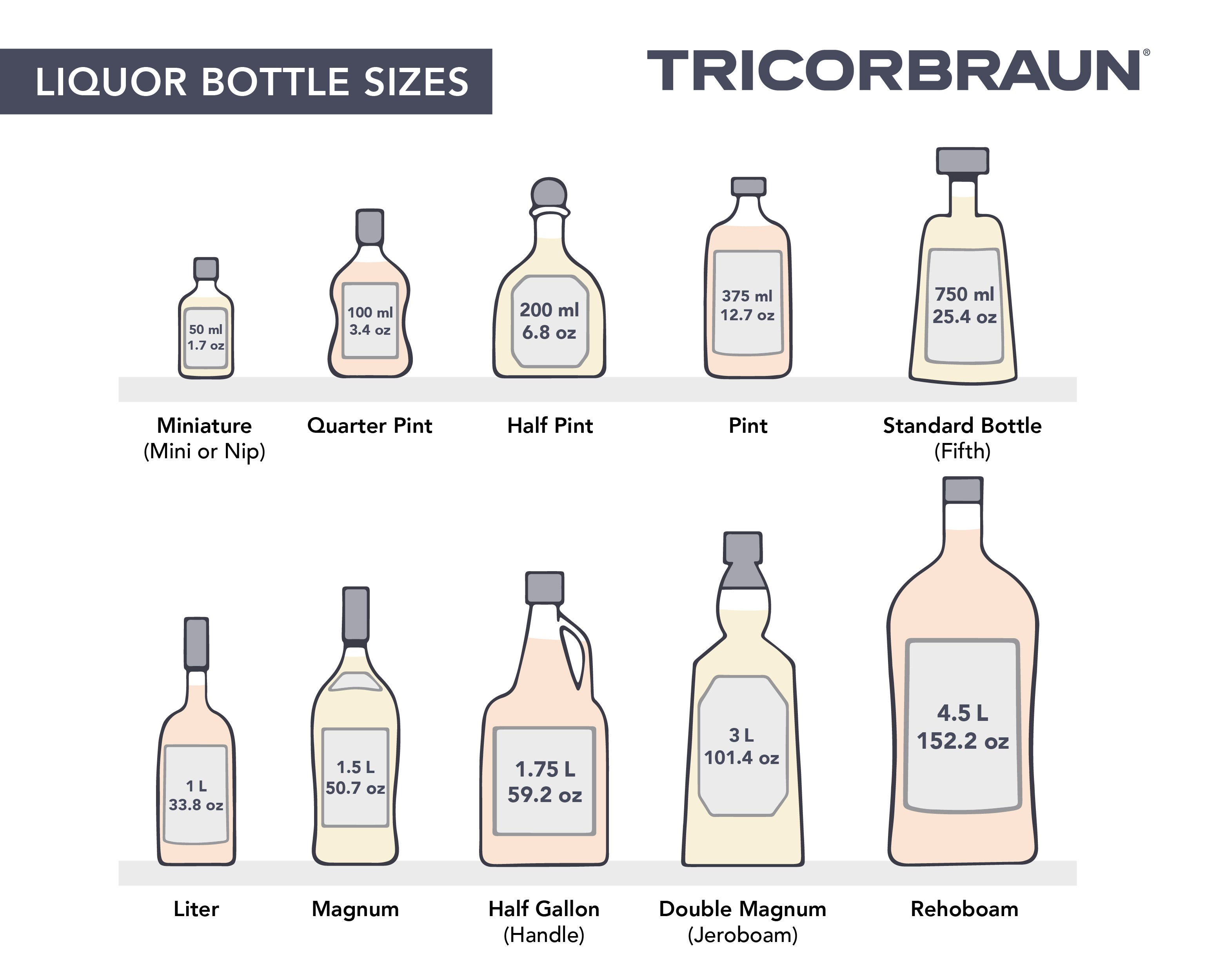
Historically, a “fifth” referred to one-fifth of a US liquid gallon (approximately 757 ml). In 1979, the United States transitioned to the metric system for spirits, standardizing the bottle size at 750 ml—often referred to as the “metric fifth.” This transition was not merely a change in measurement; it was a move toward global market integration. Today, this standard bottle serves as the primary unit for pricing, taxation, and investment valuation in a multi-billion-dollar industry.
The Fiscal Evolution: From Bulk Commodities to Branded Assets
The journey of the whiskey bottle from a local commodity to a standardized financial unit is rooted in the history of consumer protection and federal revenue. In the 19th century, whiskey was primarily sold by the barrel. This led to significant issues with “rectification,” where middlemen would dilute the product or add harmful additives to stretch their margins.
The Bottled-in-Bond Act and Market Stability
The first major intersection of whiskey and financial regulation occurred with the Bottled-in-Bond Act of 1897. This was, in essence, a consumer protection law that doubled as a tax incentive. For a fifth of whiskey to be “Bonded,” it had to be the product of one distillation season, by one distiller at one distillery, and aged in a federally bonded warehouse under U.S. government supervision for at least four years.
From a money perspective, this act allowed distillers to delay paying excise taxes until the whiskey was ready for market, rather than at the time of distillation. This created a “tax-deferred” maturation process, allowing distilleries to manage their cash flow more effectively. For the consumer, it guaranteed a standard of value, ensuring that the price paid for a fifth reflected a specific level of quality and authenticity.
Standardization and the Global Supply Chain
The shift to the 750ml “metric fifth” in the late 1970s was a strategic move to lower trade barriers. By adopting the same standards as the European market, American distillers could more easily export their products, and importers could streamline their inventory. In the world of business finance, standardization is a prerequisite for scalability. The 750ml bottle became the “universal currency” of the spirits world, allowing for standardized shipping containers, shelf dimensions, and, most importantly, comparative pricing models across international borders.
The Microeconomics of the Bottle: Pricing Tiers and Profit Margins
When a consumer views a fifth of whiskey on a retail shelf, the price tag is a culmination of a complex “cost of goods sold” (COGS) analysis. Understanding the breakdown of this cost provides insight into the broader economics of the beverage industry.
The Anatomy of MSRP
A standard $50 bottle of bourbon is not priced arbitrarily. The cost structure typically breaks down into several key segments:
- Production Costs: This includes raw materials (corn, rye, barley), energy for distillation, and the cost of new charred oak barrels.
- The “Angels’ Share”: In whiskey economics, volume is lost every year to evaporation. A distiller may lose 10% to 30% of their product over a decade. This “evaporated equity” must be priced into the remaining liquid.
- Maturation and Storage: Whiskey is a slow-yield investment. Holding inventory for 10 or 12 years requires massive capital expenditures in “rickhouses” (warehouses) and insurance.
- Marketing and Branding: Especially in the “premiumization” era, a significant portion of a bottle’s price is attributed to its perceived brand value and luxury positioning.
Psychological Pricing and the “Fifth” Benchmark
In the spirits market, the “fifth” acts as a psychological anchor. Retailers often use “prestige pricing” to signal quality. A 750ml bottle priced at $19.99 is categorized as a “value” brand, whereas a bottle priced at $99.99 enters the “ultra-premium” category. Because the volume is fixed (750ml), the consumer’s focus shifts entirely to the brand’s value proposition and the liquid’s age statement. This fixed-volume standard allows for easy “price-per-ounce” comparisons, though in the luxury market, those metrics are often ignored in favor of scarcity and prestige.

Whiskey as an Alternative Asset: Investing in the “Liquid Gold”
In the last two decades, the “fifth of whiskey” has evolved from a consumable good into a legitimate investment vehicle. Rare bottles, particularly single-malt Scotches and limited-run Bourbons, have consistently outperformed traditional market indices like the S&P 500 in certain timeframes.
The Rise of the Rare Spirits Market
According to the Knight Frank Luxury Investment Index, rare whiskey has frequently topped the charts for annual growth among luxury assets, occasionally seeing 10-year returns exceeding 400%. The drivers of this market are scarcity and “forced consumption.” Unlike a share of Apple stock, every time someone opens a bottle of a 1964 Macallan, the global supply of that asset permanently decreases, theoretically increasing the value of the remaining unopened “fifths.”
Diversifying with Casks and Bottles
Investors typically enter the whiskey market through two avenues:
- Bottle Collection: Buying rare “fifths” at retail or auction and holding them for appreciation. This requires climate-controlled storage and a deep understanding of provenance to avoid counterfeits.
- Cask Investment: Some investors buy entire barrels of “new make” spirit and pay for storage while it ages. This is a longer-term play on the “value-add” of time. Once the whiskey reaches peak maturity, it is bottled into 750ml fifths, at which point the investor realizes their profit through sale to a blender or a private label.
However, whiskey investing is not without risk. It is a highly illiquid asset (pun intended); selling a collection can take time and involve high auction fees. Furthermore, market tastes can be fickle. A brand that is “hot” today may see its secondary market value cool over a decade.
The Hidden Stakeholder: Excise Taxes and Government Revenue
One cannot discuss the money behind a fifth of whiskey without addressing the government’s share. Alcohol is one of the most heavily taxed commodities in the world, and the “fifth” is the primary unit for calculating these levies.
Federal and State Revenue Streams
In the United States, the Federal Excise Tax (FET) is applied at the production level. Additionally, each state applies its own tax, which can vary wildly. In “control states,” the government maintains a monopoly on the sale of spirits, effectively taking the entire retail markup as state revenue. For a standard fifth of whiskey, it is not uncommon for 40% to 50% of the retail price to be comprised of various taxes.
The Impact of International Tariffs
On the global stage, the “fifth” is often a pawn in trade disputes. For example, trade tensions between the U.S. and the E.U. have historically led to “tit-for-tat” tariffs on American Bourbon and Scotch Whisky. A 25% tariff on a shipment of whiskey can decimate the profit margins of a distillery and lead to a significant price hike for the end consumer. For the financial analyst, monitoring these trade policies is essential for predicting the performance of publicly traded spirits conglomerates like Diageo or Brown-Forman.

Conclusion: The Lasting Value of the Fifth
While the average consumer may only see a fifth of whiskey as a vessel for social enjoyment, the financial reality is far more layered. The 750ml bottle is a triumph of international standardization, a cornerstone of federal tax policy, and a high-stakes asset in the world of alternative investments.
From the “Bottled-in-Bond” protections that stabilized a volatile 19th-century market to the modern-day auction houses where a single fifth can command the price of a luxury vehicle, whiskey remains intrinsically tied to the movement of money. Whether you are analyzing it as a product with a complex COGS structure or as a “liquid gold” addition to a diversified portfolio, the “fifth” remains the definitive unit of value in the global spirits economy. Understanding its worth requires a balance of historical perspective and modern financial insight—proving that in the world of whiskey, there is a lot of green behind the amber.
aViewFromTheCave is a participant in the Amazon Services LLC Associates Program, an affiliate advertising program designed to provide a means for sites to earn advertising fees by advertising and linking to Amazon.com. Amazon, the Amazon logo, AmazonSupply, and the AmazonSupply logo are trademarks of Amazon.com, Inc. or its affiliates. As an Amazon Associate we earn affiliate commissions from qualifying purchases.