
In the landscape of automotive engineering, the transition from purely mechanical assemblies to sophisticated, software-integrated systems has redefined our relationship with the machine. At the heart of this evolution lies a component that has existed for decades but has recently undergone a massive technological overhaul: the rack and pinion steering system. While once a simple arrangement of gears and grease, the modern rack and pinion is now a critical node in a car’s digital nervous system.
Understanding what a car rack and pinion is requires more than a look at its mechanical blueprint; it requires an exploration of how hardware, sensors, and artificial intelligence converge to provide the precision and safety required by today’s high-tech vehicles.
The Anatomy of Precision: Understanding the Mechanical Foundation
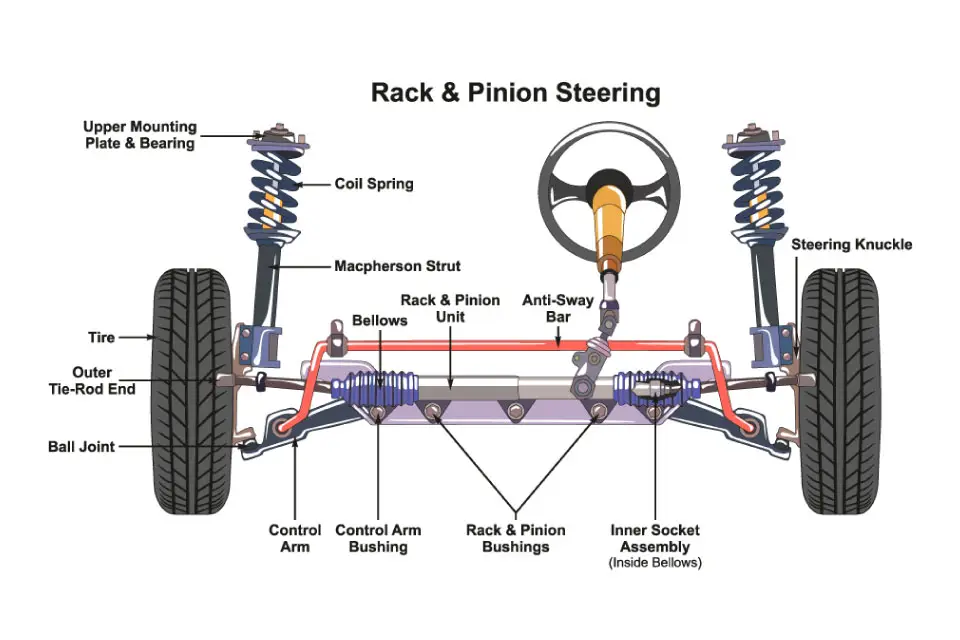
Before diving into the high-tech sensors and algorithms that define modern steering, we must understand the fundamental hardware. The rack and pinion is a type of linear actuator that comprises a circular gear (the pinion) and a linear gear (the rack). When you turn your steering wheel, this rotational motion is transferred down a shaft to the pinion, which then moves the rack left or right.
How the Rack and Pinion Mechanism Works
The mechanical elegance of the rack and pinion lies in its simplicity. The pinion gear meshes with the teeth on the rack. As the pinion rotates, it pushes the rack, which is connected to the tie rods and eventually the wheels. This conversion of rotational motion into linear motion is the most efficient way to provide direct feedback to the driver. In the world of mechanical tech, this system replaced the cumbersome “recirculating ball” steering because it offered less “play” and a much more tactile connection to the road.
The Engineering Advantage: Linear Motion and Feedback
The reason the rack and pinion remains the industry standard in the age of AI and software is its inherent transparency. From a technical standpoint, the “steering ratio” is determined by the pitch of the gear teeth. Engineers can design “variable ratio” racks where the teeth are spaced differently at the ends than in the center. This allows for high-speed stability (when the wheels move less per degree of steering input) and low-speed maneuverability (when the wheels move more for easier parking). This mechanical “programming” was the precursor to the digital customization we see today.
From Mechanical to Digital: The Rise of Electric Power Steering (EPS)
The most significant technological leap in steering history was the transition from hydraulic assistance to Electric Power Steering (EPS). In traditional hydraulic systems, a pump driven by the engine provided the “muscle.” In a modern EPS rack and pinion system, an electric motor and a suite of sensors handle the heavy lifting.
Software-Defined Steering
With the introduction of EPS, steering moved from the realm of fluid dynamics to the realm of software engineering. Modern rack and pinion units are controlled by an Electronic Control Unit (ECU) that runs thousands of lines of code. This software determines how much assistance the motor provides based on vehicle speed, steering angle, and even road conditions. This “Software-Defined Steering” allows manufacturers to offer different driving modes—such as “Sport” or “Comfort”—by simply changing the parameters of the steering algorithm rather than changing any physical hardware.
Sensors and Real-Time Data Processing
An EPS rack and pinion is packed with high-tech sensors. The two most critical are the torque sensor and the steering position sensor. The torque sensor measures how much force the driver is applying to the wheel, while the position sensor tracks the exact angle of the pinion. This data is fed into the ECU at millisecond intervals. The tech here is incredibly advanced; the system must distinguish between a driver’s intentional steering input and “noise,” such as a kickback from a pothole, which the software can automatically filter out to provide a smoother experience.
AI Integration and Autonomous Driver Assistance Systems (ADAS)
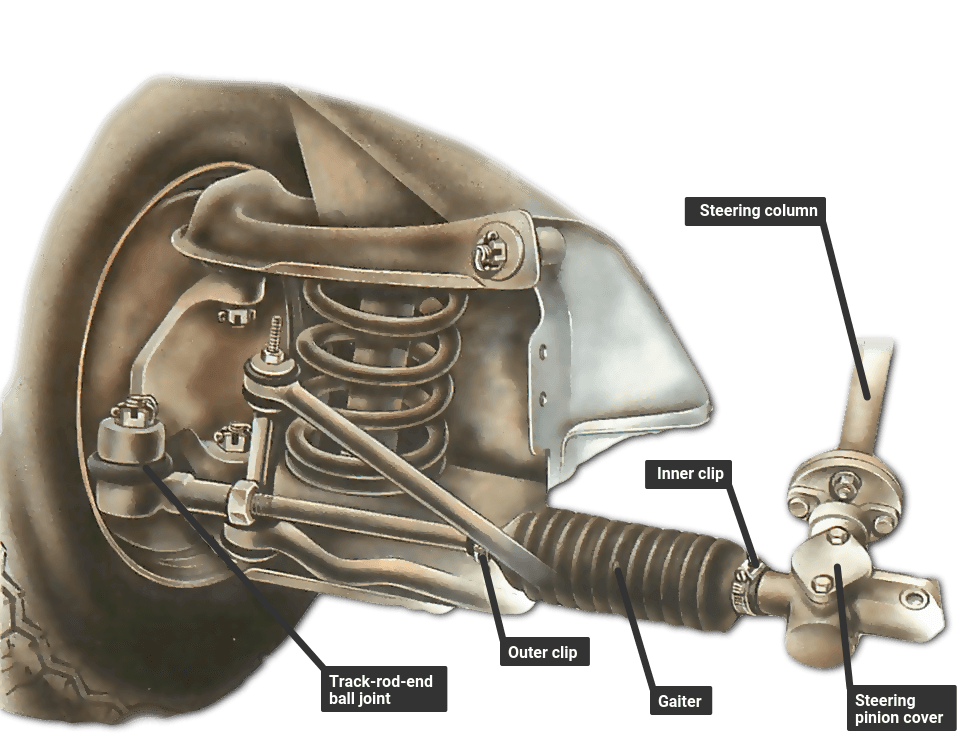
The rack and pinion is no longer just a tool for the driver; it is an executive arm for the car’s onboard artificial intelligence. As we move toward fully autonomous driving, the steering system must be able to act independently of human input while maintaining a fail-safe connection.
Lane Keep Assist and the Rack and Pinion Interface
Modern Advanced Driver Assistance Systems (ADAS) rely heavily on the electric rack and pinion. When your car’s cameras detect that you are drifting out of a lane, the AI sends a command to the EPS motor to apply “corrective torque.” This is a seamless interaction between computer vision and mechanical execution. The rack and pinion acts as the physical interface for the AI, allowing the car to “steer” itself within defined parameters. The precision required for these micro-adjustments is immense, requiring high-bitrate communication between the camera sensors and the steering actuators.
Machine Learning in Predictive Steering Dynamics
Some high-end automotive tech suites now utilize machine learning to improve steering feel. By analyzing vast amounts of data regarding road surfaces and driver behavior, AI can predict when a car is likely to understeer or oversteer. It can then preemptively adjust the resistance in the rack and pinion to “guide” the driver toward the safest path. This represents a shift from reactive steering to predictive steering, where the hardware is constantly being optimized by cloud-updated algorithms.
The Next Frontier: Steer-by-Wire and the Decoupled Future
As we look toward the future of automotive gadgets and tech, the traditional steering column—the physical rod connecting the wheel to the rack and pinion—is being phased out in favor of “Steer-by-Wire” technology.
Eliminating the Physical Connection
In a Steer-by-Wire system, there is no mechanical link between the steering wheel and the rack and pinion. Instead, the steering wheel acts like a high-end gaming peripheral, sending digital signals to a motor mounted directly on the rack. This allows for radical new interior designs and allows the AI to have total control over the wheels without moving the steering wheel inside the cabin. This is a massive leap in digital-mechanical integration, requiring redundant backup systems and incredibly low-latency data transfer to ensure the driver feels no “lag” in the system.
Cybersecurity in Automotive Steering Systems
As the rack and pinion becomes a networked device, it enters the domain of digital security. A “hacked” steering system is a catastrophic safety risk. Tech engineers are now implementing end-to-end encryption for steering signals and hardware-level security modules to prevent unauthorized access to the steering ECU. The rack and pinion, once a simple iron bar, is now a target for cybersecurity protocols, highlighting just how central technology has become to basic vehicle operation.
Maintenance and Diagnostics in the Digital Age
The shift to high-tech steering has also revolutionized how we diagnose and maintain these systems. The days of simply checking for a fluid leak are over; modern diagnostics are performed with tablets and specialized software.
Using OBD-II and Diagnostic Apps
When a modern rack and pinion system fails, it often triggers a diagnostic trouble code (DTC) in the car’s computer. Technicians use OBD-II (On-Board Diagnostics) interfaces and specialized apps to communicate with the steering ECU. These tools can show real-time graphs of torque sensor output, motor voltage, and sensor calibration. For the tech-savvy car owner, a simple smartphone app and a Bluetooth dongle can now provide more information about the health of their steering system than a physical inspection ever could.
The Lifecycle of Electronic Components
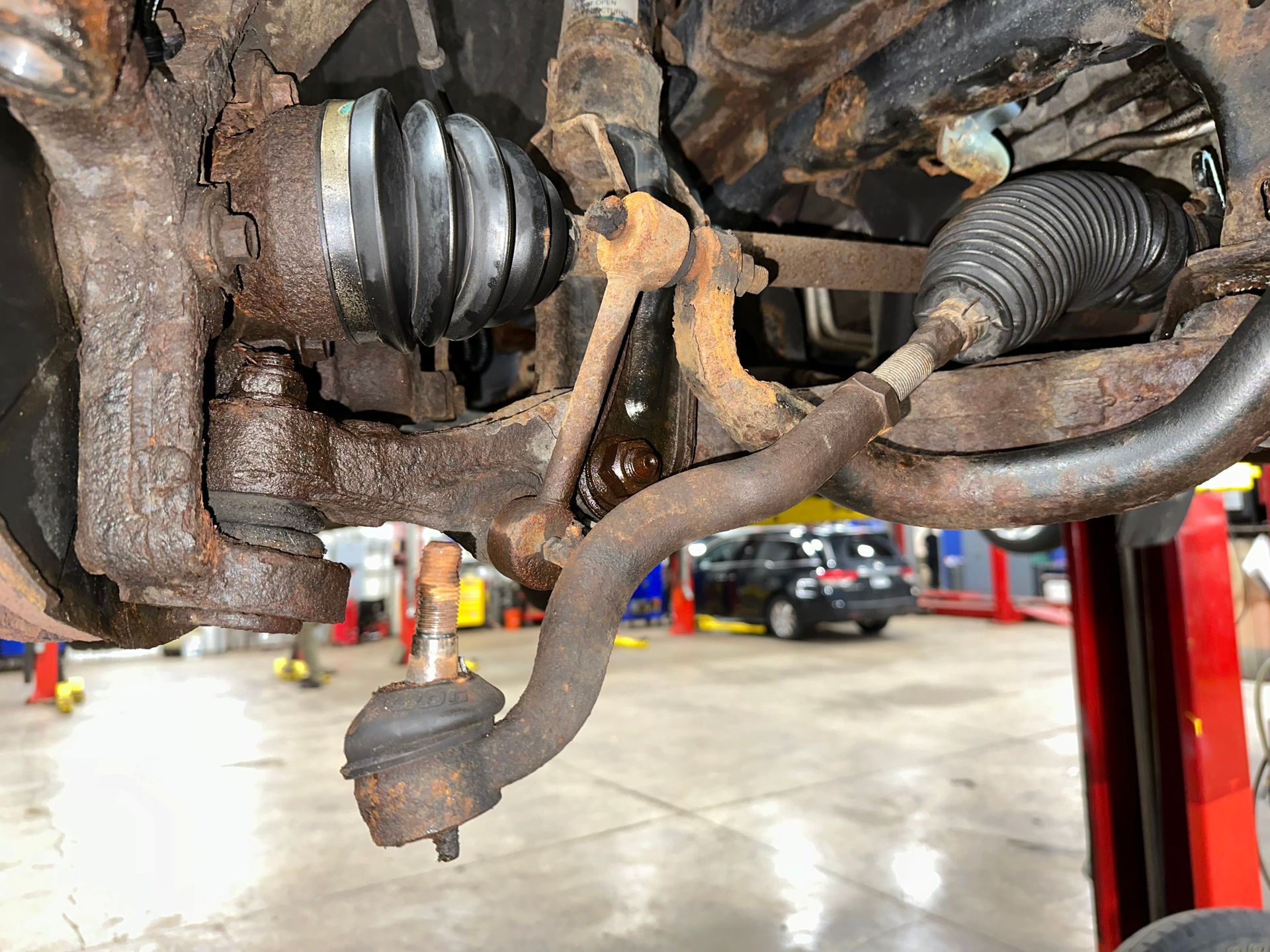
While mechanical rack and pinion units could last decades with simple lubrication, the modern tech-integrated version faces different challenges. Capacitors can age, sensors can lose calibration, and software glitches can occur. The “maintenance” of a modern rack and pinion often involves software flashes or sensor recalibration rather than heavy mechanical repair. This shift reflects the broader trend in technology where hardware longevity is increasingly tied to software stability and electronic durability.
As the automotive industry continues its pivot toward electrification and autonomy, the rack and pinion remains a vital bridge between the digital world of AI and the physical reality of the road. It is a testament to how even the most basic mechanical concepts can be transformed through the power of modern technology, becoming faster, smarter, and safer in the process.
aViewFromTheCave is a participant in the Amazon Services LLC Associates Program, an affiliate advertising program designed to provide a means for sites to earn advertising fees by advertising and linking to Amazon.com. Amazon, the Amazon logo, AmazonSupply, and the AmazonSupply logo are trademarks of Amazon.com, Inc. or its affiliates. As an Amazon Associate we earn affiliate commissions from qualifying purchases.