
In the world of high-stakes brand management, few assets are as potent—or as unpredictable—as a cinematic association. When Stanley Kubrick released his 1980 masterpiece The Shining, he didn’t just create a landmark in the horror genre; he fundamentally altered the corporate identity and market positioning of two distinct American properties: The Stanley Hotel in Colorado and the Timberline Lodge in Oregon.
While moviegoers often ask “what hotel was The Shining filmed in,” the answer is a complex study in brand architecture. The film exists as a hybrid of locations, set designs, and literary inspirations. For the hospitality industry, this serves as a premier case study in how a brand can leverage “dark tourism,” navigate the risks of negative association, and maintain a luxury identity while being synonymous with one of the most terrifying stories in popular culture.
The Power of Association: Transforming Real Estate into a Global Icon
The relationship between a physical location and a fictional narrative is a cornerstone of experiential marketing. For a hotel, being featured in a blockbuster film provides a level of “earned media” that money simply cannot buy. However, in the case of The Shining, the branding is split between the inspiration and the visual representation.
The Stanley Hotel: Revitalizing a Failing Brand through Horror
The Stanley Hotel in Estes Park, Colorado, is the spiritual home of The Shining. It was here that Stephen King spent a night in 1974, an experience that provided the blueprint for the Overlook Hotel. At the time, The Stanley was a fading relic of the Edwardian era, struggling with low occupancy and high maintenance costs. It was a brand in decline.
The “Shining” association acted as a complete brand pivot. Rather than distancing itself from the “haunted” reputation, the management leaned into it. Today, The Stanley is a masterclass in niche brand positioning. They have curated a corporate identity that balances historical elegance with paranormal intrigue. By hosting horror film festivals and offering “Ghost Tours,” the hotel transitioned from a struggling summer resort to a year-round destination with a robust, multi-million dollar digital presence.
The Ambiguity of Location: Distinguishing the Inspiration from the Set
From a brand strategy perspective, the confusion surrounding the film’s location is actually a marketing benefit. The Stanley Hotel owns the “story” brand, while the Timberline Lodge owns the “visual” brand. This fragmentation allows both entities to capture different segments of the market. The Stanley attracts the literary and paranormal enthusiasts, while the Timberline appeals to the cinephiles and architecture buffs who recognize the iconic exterior shots used by Kubrick.
The Timberline Lodge: Architecture as a Visual Trademark
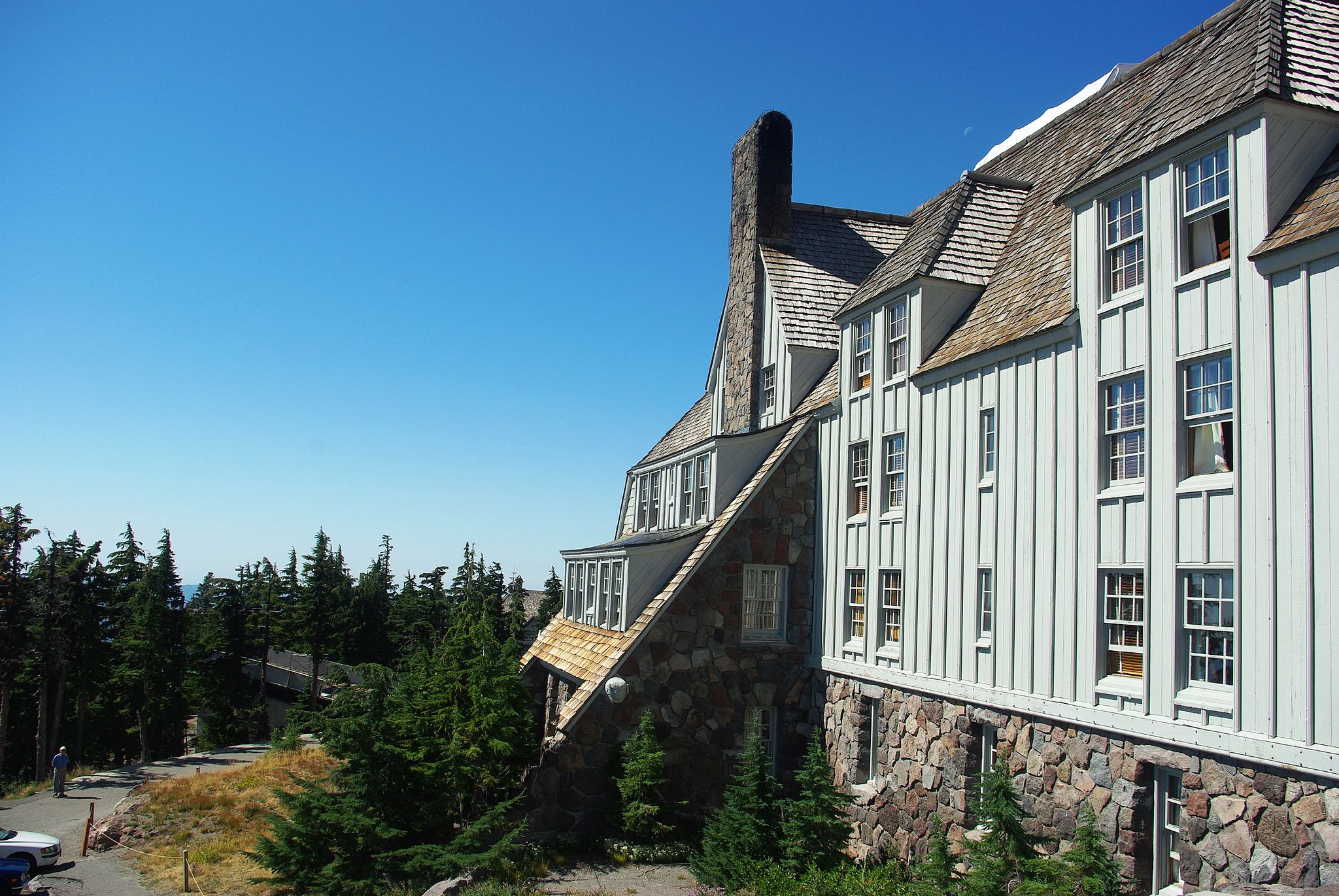
While The Stanley inspired the book, the Timberline Lodge on Mount Hood, Oregon, provided the face of the Overlook Hotel for the 1980 film. For the Timberline, the brand challenge was vastly different. As a National Historic Landmark and a functioning ski resort, it had to protect its reputation as a family-friendly, high-end outdoor destination while acknowledging its place in film history.
Protecting the Brand: Why Room 237 Replaced Room 217
One of the most famous anecdotes in brand management involves the Timberline’s intervention during the film’s production. In King’s novel, the “evil” room is Room 217. However, the Timberline management, fearing that future guests would be afraid to book that specific room, requested that Kubrick change the number to a non-existent room.
Kubrick complied, creating the now-infamous Room 237. This was a strategic move in reputation management. By preventing a direct link between a specific, bookable asset and a terrifying fictional event, the Timberline preserved its inventory’s value. Paradoxically, Room 217 at The Stanley—the original inspiration—is now the most requested and profitable room in their entire portfolio, proving that “negative” brand associations can often be monetized effectively if the target demographic is correctly identified.

Co-Branding with Kubrick: The Aesthetic of Isolation
The Timberline Lodge’s brand is built on ruggedness, craftsmanship, and isolation. Kubrick’s cinematography reinforced these brand pillars. The sweeping aerial shots of the lodge surrounded by an endless sea of pine and snow didn’t just set a mood for a horror movie; they established the Timberline as the ultimate “getaway” destination. In the decades since, the lodge has successfully used this aesthetic to market its exclusivity and its detachment from the chaos of modern urban life.
Dark Tourism: Monetizing the ‘Shining’ Experience
The phenomenon of “Dark Tourism”—traveling to sites associated with death, tragedy, or the macabre—has become a significant revenue driver for historical properties. The hotels associated with The Shining have pioneered the commercialization of this trend, transforming a fictional tragedy into a tangible guest experience.
Curating the Guest Experience: Labyrinths and Ghost Tours
A brand is defined by the experiences it offers. For years, visitors to The Stanley were disappointed to find there was no hedge maze, as the maze was a creation of the movie and not the book or the original hotel grounds. Recognizing a gap in their brand delivery, The Stanley held a design competition in 2015 to create a real-life hedge maze.
This move was a strategic alignment of the physical brand with consumer expectations. It showed an understanding that the “brand” of the hotel had become inseparable from the “brand” of the movie. By building the maze, they weren’t just adding a landscape feature; they were completing the brand promise for thousands of “Shining” fans.
Digital Presence and the Modern Fanbase
In the digital age, the brand of these hotels extends far beyond their physical walls. They leverage social media to engage with a global community of horror fans. Through high-production-value videos, “spooky” social media campaigns, and interactive web content, these hotels maintain top-of-mind awareness. They have successfully shifted their identity from “places to stay” to “cultural landmarks.” This digital strategy ensures that even if a consumer never visits Oregon or Colorado, they are still “consumers” of the hotel’s brand through merchandise and media engagement.
The ROI of Horror: A Case Study in Lasting Corporate Identity
When we analyze the business impact of The Shining on these hotels, the Return on Investment (ROI) is staggering. The film has provided over forty years of continuous, global advertising. However, maintaining a brand that is tied to a specific piece of media requires constant vigilance and strategic evolution.
Strategic Partnerships and Media Licensing
Both the Timberline and The Stanley have navigated complex licensing and partnership landscapes. Whether it is allowing television specials to film on-site or partnering with apparel brands for “Overlook Hotel” themed merchandise, the hotels have turned their fictional counterparts into a lucrative secondary revenue stream. This diversification of income—moving from room nights to intellectual property—is a sophisticated evolution of the traditional hospitality business model.

Lessons for Modern Brand Managers
The legacy of The Shining offers several key takeaways for brand managers in any industry:
- Embrace the Narrative: If your brand becomes part of a larger cultural story, don’t fight it. Even if the association seems “dark” or “negative,” there is often a way to pivot that narrative into a unique selling proposition.
- Protect the Core Asset: The Timberline’s insistence on changing the room number shows that you must protect your core product (the guest room) from associations that could hinder its primary function.
- Bridge the Gap Between Expectation and Reality: The construction of the hedge maze at The Stanley is a perfect example of evolving a physical product to meet a brand identity that has been shaped by external forces.
- Multi-Channel Monetization: A brand is no longer just a physical location. Through merchandise, tours, and digital content, a company can monetize its identity across multiple platforms.
In conclusion, the answer to “what hotel was The Shining filmed in” is more than a piece of movie trivia. It is the starting point for understanding how two historic properties utilized the power of Hollywood to redefine their corporate identities. Through strategic alignment, dark tourism, and careful reputation management, The Stanley and the Timberline Lodge have ensured that they will remain iconic brands long after the final credits roll. They have successfully turned a tale of isolation and madness into a masterclass in enduring brand resonance.
aViewFromTheCave is a participant in the Amazon Services LLC Associates Program, an affiliate advertising program designed to provide a means for sites to earn advertising fees by advertising and linking to Amazon.com. Amazon, the Amazon logo, AmazonSupply, and the AmazonSupply logo are trademarks of Amazon.com, Inc. or its affiliates. As an Amazon Associate we earn affiliate commissions from qualifying purchases.