
In the dynamic landscape of modern commerce, where convenience, digital integration, and brand loyalty are paramount, the Starbucks Card stands out as far more than a simple payment method. It’s a sophisticated ecosystem that intertwines technology, branding, and personal finance, profoundly influencing how millions engage with one of the world’s most recognizable coffee brands. At its core, a Starbucks Card is a stored-value payment card, available in both physical and digital formats, designed specifically for purchases at Starbucks locations. However, to truly understand its significance, one must delve into its multifaceted functionalities: a gateway to the Starbucks Rewards program, a powerful tool for mobile payments, a strategic branding instrument, and even a subtle element in personal financial management.
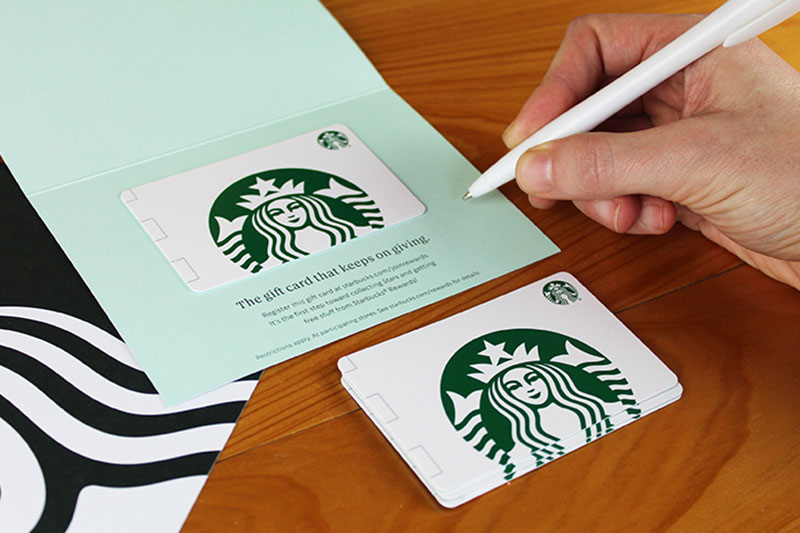
Initially conceived as a streamlined way for customers to pay for their daily caffeine fix without fumbling for cash or credit cards, the Starbucks Card has evolved into a critical component of the company’s customer engagement strategy. It serves as the primary conduit for earning “Stars” – the points that fuel the lucrative Starbucks Rewards program, unlocking a tiered system of benefits ranging from free drinks and food to personalized offers. This symbiotic relationship between payment and reward has transformed the card from a mere transaction enabler into a powerful engine for customer loyalty and repeated visits. This article will explore the Starbucks Card through the lens of technology, brand strategy, and personal finance, dissecting its layers to reveal why it remains a central pillar of the Starbucks experience and a fascinating case study in modern consumer engagement.
The Starbucks Card: A Nexus of Technology and Convenience
The Starbucks Card’s journey from a humble piece of plastic to a fully integrated digital tool exemplifies how technology can revolutionize consumer interaction and service delivery. It represents a forward-thinking approach to payments, blending cutting-edge software and robust digital security to create a seamless and highly efficient user experience.
Digital Transformation: From Plastic to Pixels
While the physical Starbucks Card remains a popular gifting option and a tangible brand artifact, its true power has been unleashed through its digital incarnation. The cornerstone of this digital transformation is the Starbucks mobile app. This application transcends being just a virtual wallet; it’s a comprehensive platform that allows users to manage their card balance, reload funds, track Stars, redeem rewards, and even order ahead for pick-up. The digital card stored within the app enables swift, contactless payments simply by scanning a barcode at the register, significantly reducing transaction times and enhancing customer convenience.
The app’s functionality extends beyond basic payments. Features like auto-reload allow users to automatically top up their card balance when it falls below a certain threshold, ensuring uninterrupted access to their favorite Starbucks products and continuous Star earning. This integration of payment and loyalty into a single, intuitive interface speaks volumes about Starbucks’ commitment to leveraging technology for an optimized customer journey. Furthermore, the Starbucks Card ecosystem integrates seamlessly with other pervasive digital payment solutions such as Apple Pay and Google Pay, offering users even greater flexibility and cementing its position within the broader digital payment landscape. This interoperability ensures that regardless of their preferred digital wallet, customers can easily access and utilize their Starbucks benefits, a testament to thoughtful software design and user-centric development.
Behind the Scenes: Data, Security, and Future Innovations
Beneath the user-friendly surface of the Starbucks app and card lies a sophisticated technological infrastructure. Digital security is paramount, protecting users’ financial information and preventing unauthorized access to accounts. Starbucks employs encryption and multi-factor authentication measures to safeguard card balances and personal data, understanding that trust is the foundation of digital commerce. Regular updates to the app and backend systems ensure vulnerabilities are addressed promptly, maintaining a secure environment for millions of transactions daily.
Beyond security, the technological framework of the Starbucks Card is a goldmine for data analytics. Every transaction, every reward redemption, and every order-ahead instance generates valuable data. This aggregated, anonymized data provides Starbucks with profound insights into customer preferences, purchasing patterns, and peak service times. These insights are not merely academic; they are actively leveraged to refine menu offerings, optimize store operations, and, critically, power the personalization engine of the rewards program. Through AI tools and machine learning algorithms, Starbucks can identify individual customer behaviors and deliver highly targeted offers – a free birthday drink, a discount on a frequently purchased item, or a special promotion on a new seasonal beverage. This level of personalization, driven by advanced analytics, transforms the generic loyalty program into a bespoke experience, enhancing customer satisfaction and encouraging repeat business. The productivity gains are evident for both the customer, who experiences faster service and relevant offers, and for Starbucks, which benefits from optimized inventory management and more effective marketing campaigns. Looking ahead, the Starbucks Card platform is ripe for further technological evolution, potentially integrating with smart home devices, expanding into blockchain for enhanced security or loyalty tracking, or even experimenting with augmented reality for in-store experiences.
Cultivating Loyalty and Brand Identity
The Starbucks Card is not just a technological marvel; it’s a brilliant strategic asset in the realm of brand building and customer loyalty. It transforms a simple transaction into an ongoing relationship, deeply embedding the Starbucks brand into the daily lives of its most dedicated customers.
More Than a Transaction: The Starbucks Rewards Ecosystem
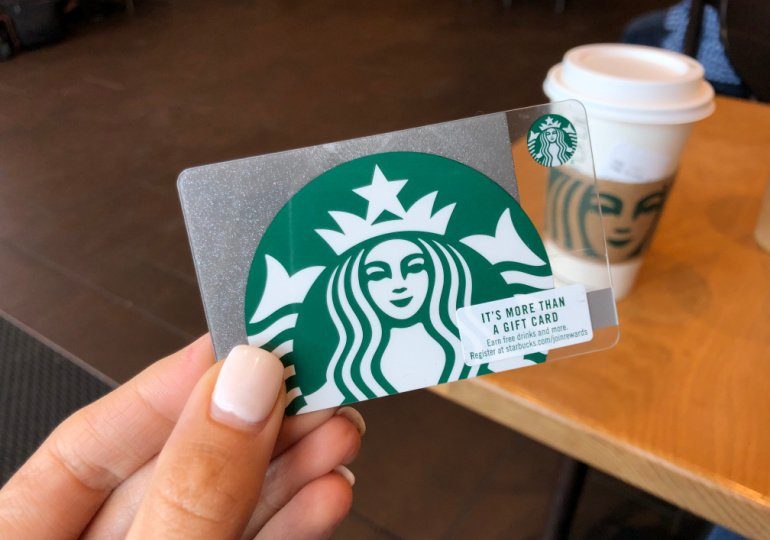
The true genius of the Starbucks Card lies in its integral connection to the Starbucks Rewards program. This loyalty scheme elevates the card from a mere payment instrument to a key that unlocks a personalized world of benefits. Customers earn “Stars” for every dollar spent (or per transaction in some regions), progressing through tiers (historically Green and Gold, though the specifics evolve). Each tier brings increasing perks, starting with free refills on brewed coffee and tea, and culminating in free food and drinks with Star redemption. The program’s design is deceptively simple yet incredibly effective: the more you spend, the more you earn, and the more valuable your rewards become, creating a powerful incentive for continuous engagement.
Beyond the baseline Star accumulation, the program excels in delivering personalized offers and experiences. Birthday rewards, tailored promotions based on past purchases, and “Double Star Days” strategically encourage visits and purchases. This level of individual attention fosters a sense of being valued and recognized, strengthening the emotional connection between the customer and the brand. It creates a community of loyal patrons who not only frequent Starbucks but also feel a sense of belonging to the “Starbucks family.” This emotional resonance is a hallmark of strong branding, moving beyond product quality to forge deeper, more meaningful relationships. The seamless operation of the rewards program, facilitated by the card and app, transforms routine coffee runs into rewarding experiences, solidifying customer retention and building a robust base of repeat business.
Strategic Branding: Reinforcing the Starbucks Experience
From a brand strategy perspective, the Starbucks Card is a potent extension of the corporate identity. It serves as a tangible (or digital) representation of the Starbucks promise: quality, convenience, and a personalized experience. The physical card designs often feature seasonal motifs, artistic collaborations, or iconic Starbucks imagery, making them collectible items for many enthusiasts. These designs reinforce the brand’s aesthetic and narrative, subtly communicating its values and seasonal offerings.
The card acts as a cornerstone of Starbucks’ marketing prowess. It enables highly targeted campaigns, allowing the brand to segment its audience and deliver promotions that resonate directly with individual customer preferences. This precision marketing, informed by the data gathered through card usage, is far more effective than generic advertisements, leading to higher conversion rates and a more efficient allocation of marketing resources. The card is also a powerful tool for customer engagement. It encourages interaction with the brand outside of the physical store, through the app, email communications about rewards, and special events. This consistent engagement keeps Starbucks top-of-mind for consumers and reinforces its position as a lifestyle brand, not just a coffee shop.
In essence, the Starbucks Card functions as a brilliant case study in loyalty program design and brand reinforcement. It takes a relatively high-frequency, low-cost product (coffee) and elevates the purchasing experience through technology and rewards, transforming casual customers into loyal advocates. By making the card the central hub for rewards and personalized offers, Starbucks has successfully built a powerful mechanism for customer retention and advocacy, solidifying its reputation and strengthening its corporate identity in a highly competitive market.
Navigating the Financial Landscape with Your Starbucks Card
While often viewed through the lens of convenience and rewards, the Starbucks Card also carries significant implications for personal finance and, from a broader perspective, for Starbucks’ own business finance. Understanding these monetary dimensions reveals another layer of its strategic importance.
Smart Spending: Budgeting and Value Maximization
For the individual consumer, the Starbucks Card can be a surprisingly effective tool for personal finance management. By pre-loading a specific amount onto the card, users can essentially “budget” their coffee spending. This pre-payment mechanism offers a psychological barrier to overspending, as once the balance is depleted, additional funds must be actively added. This can prevent impulse purchases and help maintain financial discipline for a recurring expense that, for many, can easily add up. Instead of swiping a credit card daily, which can lead to a less conscious approach to spending, the fixed balance of a Starbucks Card encourages mindful consumption.
Furthermore, leveraging the Starbucks Card is key to value maximization through the rewards program. For regular Starbucks patrons, consistently using the card to earn Stars translates directly into monetary savings in the form of free drinks, food, and discounts. Understanding how to best accumulate Stars – such as participating in “Double Star Days” or activating personalized challenges – allows savvy users to maximize the return on their coffee investment. This approach shifts the perspective from simply buying coffee to strategically earning rewards, turning everyday purchases into a form of passive saving. The card also plays a significant role in the gift card economy. Starbucks Cards are incredibly popular gifts, offering both convenience to the giver and desired value to the recipient. This makes them a widely accepted form of monetary exchange, often used as incentives, employee perks, or even small tokens of appreciation, adding to their financial versatility.
The Business of Stored Value: An Economic Perspective
From Starbucks’ corporate finance perspective, the stored value on Starbucks Cards represents a significant economic advantage. This phenomenon is known as the “float,” which refers to money that customers have paid to Starbucks but has not yet been redeemed for products. Billions of dollars are held on Starbucks Cards globally at any given time, functioning, in effect, as an interest-free loan to the company. This substantial pool of capital provides Starbucks with increased liquidity, which can be used for various business operations, investments, or simply to improve its cash flow position without incurring debt or interest payments. This “float” is a powerful, understated financial tool that contributes meaningfully to the company’s financial health.
Beyond the float, the Starbucks Card system offers several other financial benefits to the company. It can lead to reduced transaction fees compared to traditional credit card processing, especially when customers frequently reload their cards directly through bank transfers or debit cards. The operational efficiency gained from faster transactions at the point of sale also translates into cost savings. Moreover, the detailed data insights gathered from card usage are invaluable for business strategy and profitability. By understanding purchasing patterns, popular items, and customer segments, Starbucks can make data-driven decisions on product development, inventory management, store locations, and marketing strategies, all of which contribute to optimizing revenue and profitability. The card helps Starbucks forecast demand, manage supply chains more effectively, and tailor offerings to maximize sales potential. The success of the Starbucks Card, therefore, is not just about happy customers; it’s a testament to a robust financial model that leverages technology and loyalty to generate significant economic value for the corporation.
In conclusion, the Starbucks Card is a fascinating microcosm of modern consumer behavior and corporate strategy. It transcends its basic function as a payment method to become a sophisticated interface for technology, a powerful instrument for branding and loyalty, and a subtle yet significant component of both personal and corporate finance. Its evolution from a simple plastic card to a feature-rich digital ecosystem reflects Starbucks’ commitment to innovation and customer engagement. As technology continues to advance, the Starbucks Card will undoubtedly evolve further, continuing to shape the way we interact with brands, manage our money, and experience the simple pleasure of a cup of coffee.
aViewFromTheCave is a participant in the Amazon Services LLC Associates Program, an affiliate advertising program designed to provide a means for sites to earn advertising fees by advertising and linking to Amazon.com. Amazon, the Amazon logo, AmazonSupply, and the AmazonSupply logo are trademarks of Amazon.com, Inc. or its affiliates. As an Amazon Associate we earn affiliate commissions from qualifying purchases.