
In the modern digital landscape, we are surrounded by an invisible web of energy that powers everything from our smartphones and laptops to smart refrigerators and autonomous vehicles. This web is composed of electromagnetic waves, specifically radio frequencies, which serve as the highway for all wireless communication. However, these “airwaves” are a finite resource. Just as a physical highway can only accommodate a certain number of lanes and vehicles before it becomes congested, the electromagnetic spectrum has limited capacity.
To manage this scarcity and ensure that our technological ecosystem functions without interference, governments around the world utilize spectrum auctions. While the term sounds like a financial transaction, at its core, a spectrum auction is a critical technological gatekeeping process. It determines which companies get the right to transmit data over specific frequencies, directly influencing the speed of our internet, the reliability of our gadgets, and the trajectory of future innovations like 6G and the Internet of Things (IoT).
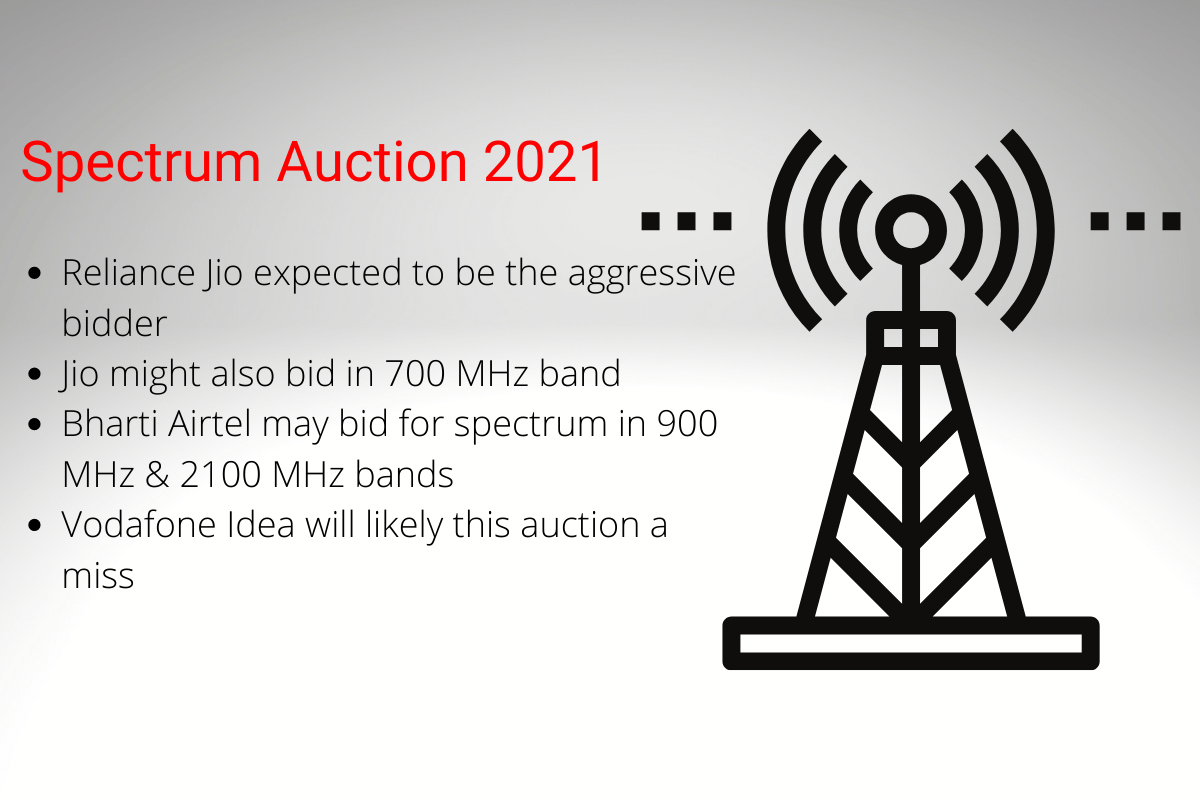
The Physics of Connectivity: How the Spectrum Works
To understand why spectrum is auctioned, one must first understand the technology behind it. The electromagnetic spectrum spans a massive range of frequencies, but only a small portion is suitable for wireless communication. These are generally referred to as “radio frequencies” (RF).
Defining the “Invisible Real Estate”
Think of the spectrum as “invisible real estate.” Just as a city planner must divide land into residential, commercial, and industrial zones to prevent chaos, telecommunications regulators must divide the spectrum into “bands.” If two companies tried to broadcast a high-speed 5G signal on the exact same frequency in the same city, the signals would overlap and cancel each other out—a phenomenon known as interference. Spectrum auctions are the technological solution to this problem, assigning exclusive “lanes” to specific providers to ensure clear transmission.
Low-Band, Mid-Band, and High-Band Frequencies
The technical value of a spectrum block depends heavily on its position on the frequency map.
- Low-Band (Below 1 GHz): These frequencies travel long distances and pass through walls easily. This is the “blanket” coverage that ensures you have a signal inside an elevator or in a rural area.
- Mid-Band (1 GHz – 6 GHz): Often called the “Goldilocks” spectrum, this provides a balance of coverage and capacity. It is the backbone of the current 5G rollout, offering the speeds necessary for mobile high-definition gaming and seamless video streaming.
- High-Band (Millimeter Wave/mmWave): These frequencies (24 GHz and above) offer massive data capacity and ultra-low latency but have a short range and are easily blocked by trees or rain. This tech is used for “fixed wireless” and dense urban hotspots where thousands of devices need high-speed access simultaneously.
Why Auctions Matter for Technological Progress
In the early days of radio and television, spectrum was often “given” to broadcasters based on public interest. However, as the demand for mobile data exploded with the advent of the smartphone, the technological need for a more efficient allocation system became clear.
Preventing Signal Interference and Chaos
From a technical standpoint, the primary goal of an auction is to ensure “spectral efficiency.” By licensing specific bands to specific entities, regulators like the FCC (Federal Communications Commission) in the United States or the Ofcom in the UK ensure that every device—whether it’s a medical monitor in a hospital or a GPS unit in a car—has a dedicated, interference-free frequency. Without the rigid structure provided by auctions, our modern wireless world would be a cacophony of dropped calls and data packet loss.
Driving Innovation in Hardware and Connectivity
When a technology company or telecommunications provider wins a spectrum auction, it triggers a massive wave of hardware development. For example, when the “C-Band” (a specific range of mid-band frequencies) was auctioned recently, it forced smartphone manufacturers to develop new antennae and modems capable of tapping into those specific waves. This technological push-and-pull is what drives the release cycle of new gadgets; a new iPhone or Samsung Galaxy is only as fast as the spectrum it is designed to utilize.
The Mechanics of a Spectrum Auction
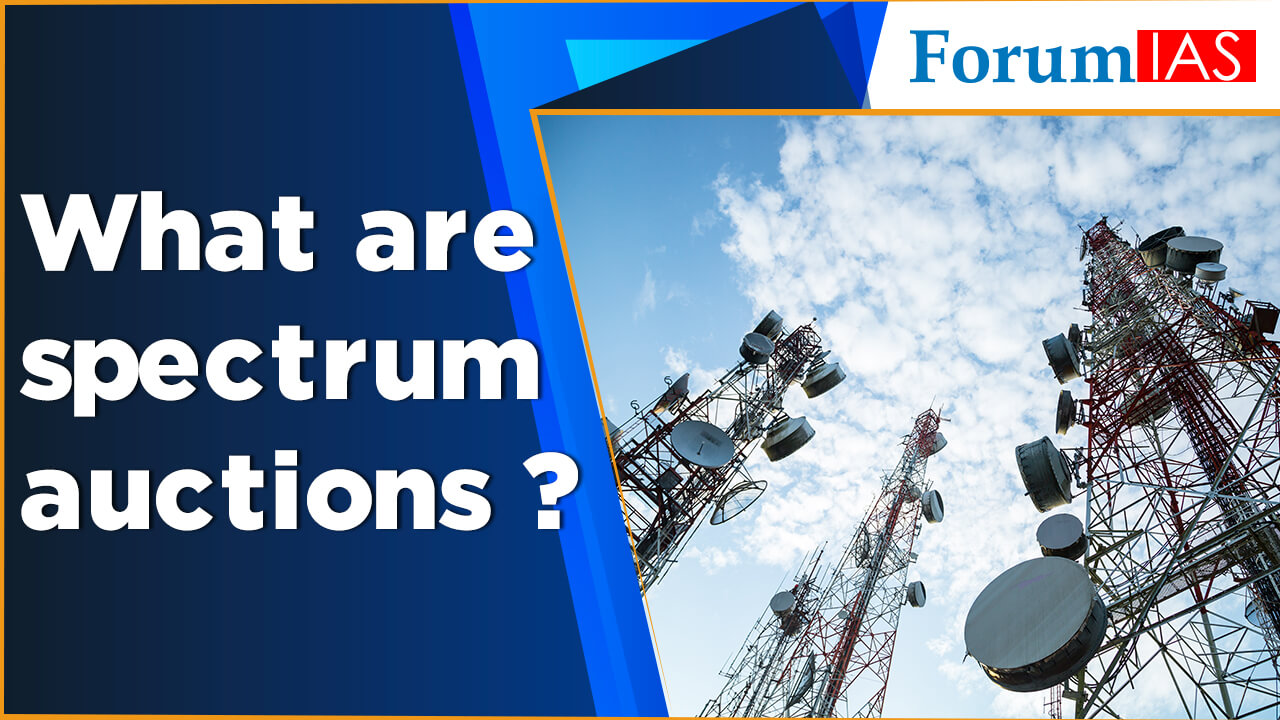
While it involves bidding, a spectrum auction is a highly sophisticated technological and mathematical exercise. It is not as simple as raising a paddle at an art gallery; it involves complex algorithms designed to ensure the most efficient distribution of frequencies.
The Role of Global Regulatory Bodies
Spectrum management is a global effort. While each country auctions its own airwaves, they must adhere to standards set by the International Telecommunication Union (ITU). This ensures that your phone works when you travel from New York to Tokyo. The technology inside your device is built to “roam” across frequencies that have been harmonized internationally through these regulatory frameworks.
Simultaneous Multiple-Round Auctions (SMR)
Most modern spectrum auctions use a format called Simultaneous Multiple-Round (SMR) auctions. In this technical setup, all licenses are available for bidding at the same time. Bidding occurs over several rounds, and the “tech-specs” of each band—its bandwidth (measured in MHz) and its geographic reach—are clearly defined. This allows companies to bid on contiguous blocks of spectrum. For a network engineer, having contiguous spectrum is like having a four-lane highway instead of four separate one-lane roads; it allows for much higher data throughput and more efficient software management.
From 4G to 5G and the Future of 6G
The evolution of mobile generations is defined by the spectrum auctions that preceded them. We are currently in the middle of the 5G era, but the technology community is already looking toward the next frontier.
Deploying 5G: The C-Band Revolution
The most significant recent shift in technology has been the auctioning and deployment of the C-Band. This specific slice of spectrum sits in the mid-band range and has been the “holy grail” for 5G. Before C-Band was widely available, 5G was either very fast but limited to a single street corner (mmWave) or barely faster than 4G (Low-band). The auctioning of this tech-heavy mid-band spectrum is what finally allowed consumers to see those 500Mbps+ speeds on their mobile devices.
Paving the Way for the Internet of Things (IoT) and 6G
As we look toward the future, spectrum auctions will increasingly focus on “unlicensed” bands and “sub-THz” (terahertz) frequencies for 6G. These upcoming auctions will prioritize the tech needed for the Internet of Things (IoT). We are moving toward a world where billions of sensors—in our clothes, in our roads, and inside our bodies—will require a slice of the spectrum. Future auctions will likely include provisions for “spectrum sharing,” where AI-driven software dynamically assigns frequencies to devices in real-time, ensuring that no megahertz is wasted.
The Impact on Consumer Technology and Digital Security
Beyond the hardware and the towers, spectrum auctions have a profound impact on the software we use and the security of our data.
Improving Mobile App Performance and Latency
Every app on your phone, from TikTok to Zoom, is optimized for the latency profiles of current spectrum bands. High-frequency auctions lead to lower latency, which is the “lag” time between sending and receiving data. For technologies like cloud gaming (Xbox Cloud Gaming, NVIDIA GeForce Now) or remote robotic surgery, the success of the software is entirely dependent on the high-frequency spectrum acquired through these auctions. Without the low-latency “lanes” provided by mmWave spectrum, these tech tools would be unusable.

Securing the Airwaves: A Tech-First Approach
Finally, spectrum auctions play a role in digital security. By licensing spectrum to reputable, regulated entities, governments can enforce security standards on the hardware used to transmit signals. This prevents “rogue” base stations from hijacking frequencies to intercept data. In the tech world, the auction process is the first line of defense in creating a “clean” network environment, ensuring that the infrastructure powering our digital lives is managed by companies that comply with strict encryption and data protection protocols.
In conclusion, spectrum auctions are far more than mere business transactions; they are the foundational events that dictate the pace of technological evolution. They determine the architecture of our wireless networks, the capabilities of our next-generation gadgets, and the overall efficiency of our global digital infrastructure. As we move into an era of ubiquitous connectivity, understanding the “invisible highway” of spectrum becomes essential for anyone looking to grasp the future of technology.
aViewFromTheCave is a participant in the Amazon Services LLC Associates Program, an affiliate advertising program designed to provide a means for sites to earn advertising fees by advertising and linking to Amazon.com. Amazon, the Amazon logo, AmazonSupply, and the AmazonSupply logo are trademarks of Amazon.com, Inc. or its affiliates. As an Amazon Associate we earn affiliate commissions from qualifying purchases.