
In the critically acclaimed series The Bear, the transition from a gritty, chaotic Italian beef sandwich shop to a refined fine-dining establishment is not just a plot point; it is a masterclass in brand evolution. Among the many motifs used to signal this transformation, one peculiar detail stands out: the “C-fold.” To the uninitiated, a C-fold is simply a type of paper towel, folded into a “C” shape so that it stacks neatly and can be pulled one at a time from a dispenser. However, within the context of the show’s brand narrative, the C-fold represents a pivot toward professional excellence, corporate identity, and a relentless commitment to standards.

For brand strategists and business leaders, the C-fold serves as a powerful metaphor. It illustrates how the smallest operational details are the true building blocks of a premium brand. When we ask, “What are C-folds in The Bear?” we are really asking how a brand communicates its values through touchpoints that the customer might never consciously notice, but will certainly feel.
The Anatomy of a Brand Detail: Why C-Folds Matter
In brand strategy, we often distinguish between the “macro-identity” (logos, color palettes, and slogans) and the “micro-identity” (operational standards, employee behavior, and physical touchpoints). The C-fold falls squarely into the micro-identity category. It is the tangible manifestation of a brand’s internal culture.
Defining the C-Fold in a Professional Context
Technically, C-fold towels are a staple of high-end hospitality and medical environments. Unlike multifold towels or standard rolls, they require a specific type of dispenser and offer a clean, organized presentation. In The Bear, the introduction of C-folds signals a departure from the “roll of paper towels on the counter” energy of “The Beef.” It indicates that the environment is now controlled, sanitized, and intentional. From a branding perspective, this is the moment a business moves from “functional” to “experiential.”
The Symbolism of Operational Excellence
A brand is a promise kept. When Carmy Berzatto insists on professional standards in his kitchen, he is building a brand identity based on precision. The C-fold is a signal to the staff and the “market” (the diners) that the brand values order over chaos. In branding, consistency is the bedrock of trust. If a restaurant can manage the consistency of its paper towels, the consumer subconsciously trusts that they can manage the consistency of their flavor profiles and service.
Building a Culture of Excellence: Internal Branding
Brand strategy is often mistaken for an external-facing endeavor. However, the most successful brands are built from the inside out. In The Bear, the C-fold is as much about the employees’ perception of the brand as it is about the guests’. This is what we call internal branding—the process of aligning a company’s staff with its corporate identity.
Setting the Standard for Internal Stakeholders
When a brand upgrades its internal standards—whether it’s the quality of the tools provided to employees or the aesthetic of the workspace—it changes the psychological contract between the brand and its workers. By implementing the “C-fold standard,” the leadership in The Bear communicates to the team that they are no longer just “sandwich makers”; they are culinary professionals. This shift in personal branding for the employees is essential for the brand’s overall success. If the team doesn’t believe in the premium nature of the brand, the customers never will.
The Ripple Effect of Brand Discipline
Discipline in one area of branding tends to bleed into others. This is the “broken windows theory” applied to brand management. If you allow “cheap” elements—like messy rolls of towels—to persist, it sends a message that “good enough” is the benchmark. By obsessing over C-folds, a brand establishes a high baseline. This obsession forces every other department—from marketing to customer service—to elevate their output to match the established standard of the physical environment.

Visual Identity and the Psychology of Precision
Every physical object a customer interacts with is a brand touchpoint. In the world of high-end branding, these touchpoints are meticulously curated to evoke a specific emotional response. The C-fold, though utilitarian, contributes to a brand’s visual identity and the customer’s perception of quality.
Tangible Brand Touchpoints
In luxury brand strategy, the “haptics”—the sense of touch—play a vital role. The weight of a business card, the click of a car door, and yes, the texture and fold of a hand towel, all contribute to the “premiumness” of a brand. C-folds are generally thicker and more absorbent than their cheaper counterparts. When a guest encounters them in a restroom or a kitchen, the tactile experience reinforces the brand’s positioning as an elite, high-quality entity. This is a subtle form of marketing that bypasses the rational mind and speaks directly to the subconscious.
The Psychology of Organized Spaces
Cleanliness and organization are visual shorthands for “competence.” A stack of C-folds is visually orderly; it represents a “system.” In branding, being perceived as systematic is highly valuable, especially in industries like finance, healthcare, and fine dining. It reassures the client that the brand is in control. When The Bear focuses on these small organizational details, it is showing the viewer the process of “Brand De-risking”—removing any visual cues that might make a customer doubt the brand’s expertise.
Scaling the Brand Without Losing the Soul
One of the greatest challenges in brand strategy is scaling. How do you move from a small, soulful operation to a larger, more corporate structure without losing the essence of what made the brand special? The transition from “The Beef” to “The Bear” explores this tension, with the C-fold acting as a bridge between the two worlds.
From “The Beef” to “The Bear”: A Case Study in Rebranding
Rebranding is not just about changing a name; it’s about changing the soul of the organization. “The Beef” was a brand built on legacy, grit, and community, but it lacked scalability and professional polish. “The Bear” is a brand built on vision, technique, and global standards. The C-fold represents the “professionalization” of the legacy. It shows that the brand can honor its roots while adopting the rigorous standards required to compete at the highest level.
Operationalizing Brand Values
For a brand to scale, its values must be operationalized. You cannot simply tell people to “be excellent”; you must give them the tools and systems that define what excellence looks like. The C-fold is a “Standard Operating Procedure” (SOP) made manifest. In a corporate identity framework, these SOPs ensure that the brand experience remains identical whether the founder is in the building or not. This is the difference between a “business” and a “brand.” A business relies on individuals; a brand relies on systems that uphold an identity.
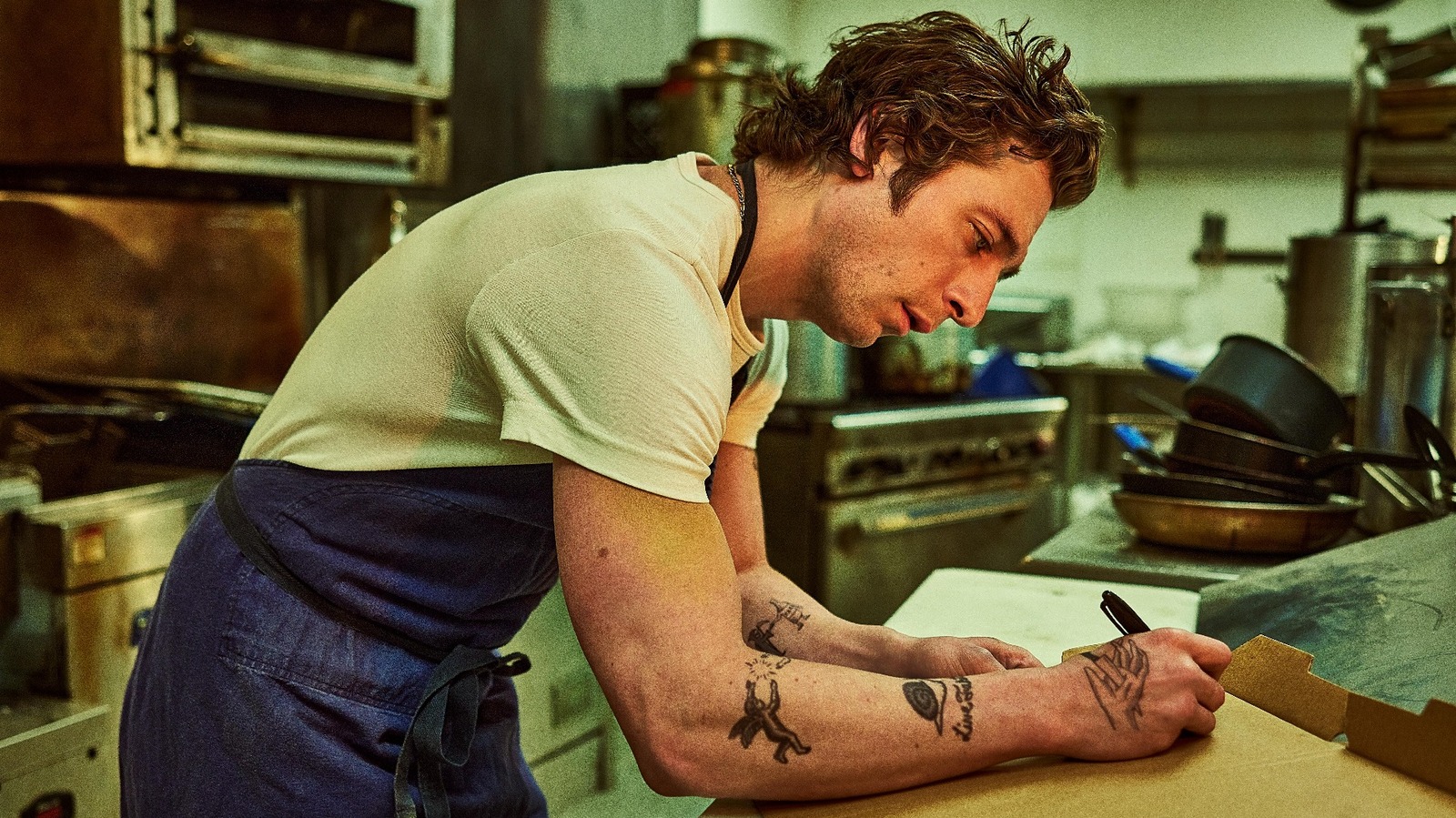
Conclusion: The C-Fold as a Brand Philosophy
The inclusion of C-folds in The Bear is a masterstroke of storytelling that mirrors the real-world complexities of brand strategy. It teaches us that branding is not merely an exercise in aesthetics, but an exercise in intentionality. Every choice, from the way we fold our towels to the way we answer the phone, contributes to the corporate identity we are projecting to the world.
To build a brand like “The Bear,” one must be willing to look at the “C-folds” of their own business. What are the small, overlooked details in your brand that are currently shouting “good enough” when they should be whispering “excellence”? Identifying and elevating these micro-touchpoints is the fastest way to transform a functional business into an iconic brand. In the end, a brand is not what you say it is—it is the sum of the standards you refuse to compromise on. Whether you are in tech, finance, or the culinary arts, the “C-fold” is a reminder that in the pursuit of a legendary brand, there are no small details.
aViewFromTheCave is a participant in the Amazon Services LLC Associates Program, an affiliate advertising program designed to provide a means for sites to earn advertising fees by advertising and linking to Amazon.com. Amazon, the Amazon logo, AmazonSupply, and the AmazonSupply logo are trademarks of Amazon.com, Inc. or its affiliates. As an Amazon Associate we earn affiliate commissions from qualifying purchases.