
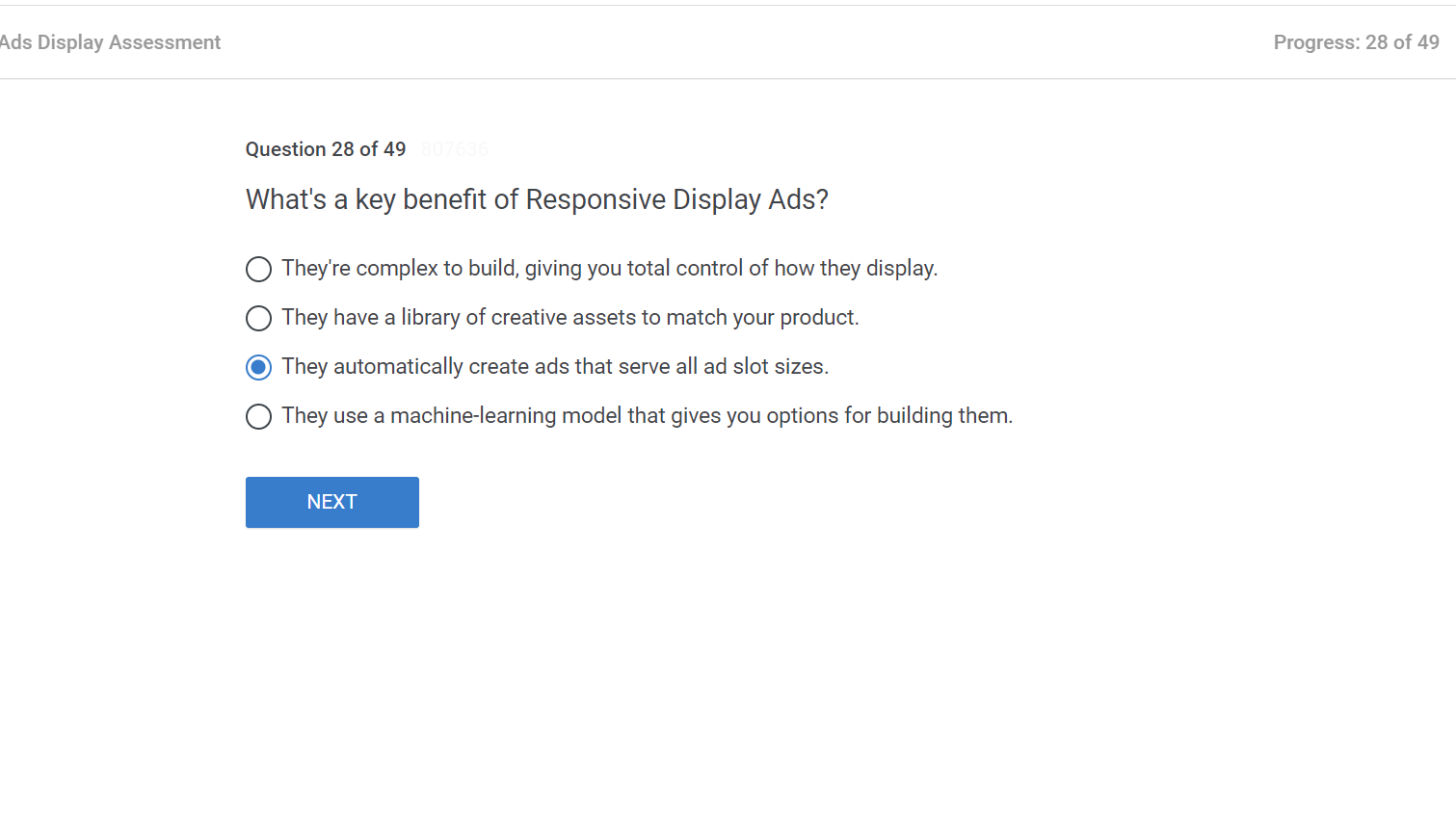
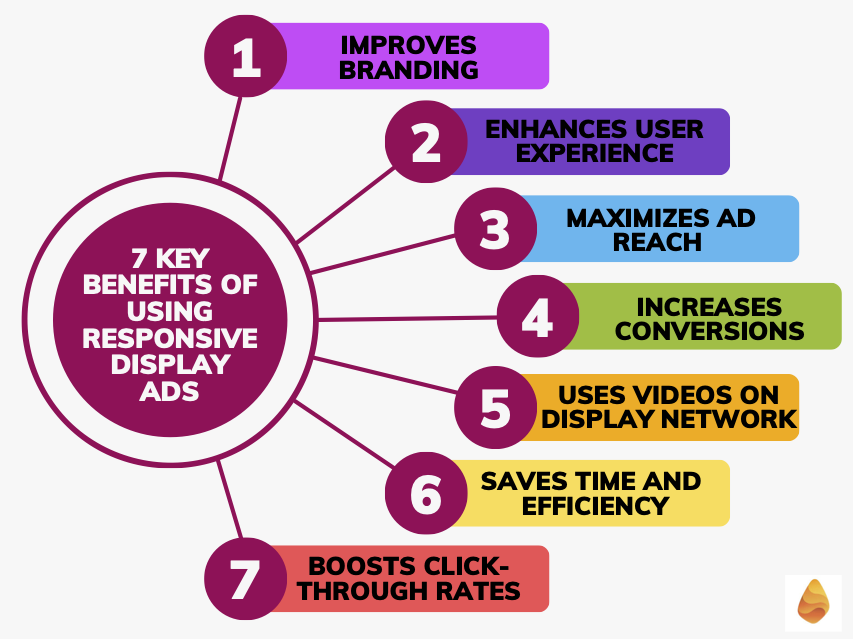
In the rapidly evolving landscape of digital advertising technology, the shift from manual execution to automated intelligence has redefined how businesses communicate with their audiences. At the heart of this transformation lies a specific ad format that has become the industry standard for efficiency and performance: the Responsive Display Ad (RDA). If one were to pinpoint a single, transformative benefit of using responsive display ads, it would undoubtedly be the unparalleled efficiency gained through machine learning-driven automation.
For years, digital marketers and technical teams were bogged down by the manual labor of creative production. Designing dozens of banner sizes to fit various screen dimensions was not only time-consuming but also prone to human error. RDAs have fundamentally changed this workflow. By leveraging advanced algorithms, these ads allow for a sophisticated assembly process that optimizes creative delivery in real-time, ensuring that the right message reaches the right user on the right device.
The Evolution of Display Advertising: From Static to Intelligent
To understand the technical superiority of responsive display ads, one must first look at the legacy systems they replaced. Traditional display advertising relied on static banners—fixed image files (like .jpg or .png) created in specific dimensions. This approach was rigid and struggled to keep pace with the explosion of mobile devices and diverse screen aspect ratios.
The Technical Shift in Asset Management
RDAs operate on a model of “asset-based” advertising. Instead of uploading a finished, unchangeable file, developers and advertisers provide a pool of individual assets: up to 15 images, 5 logos, 5 headlines, and 5 descriptions. This modular approach is the foundation of the technology’s flexibility.
When a request for an ad is triggered on a webpage or within an app, the ad platform’s backend doesn’t just pick a file; it dynamically constructs an ad. The system selects a combination of the provided assets that fits the specific slot available on the publisher’s site. This technical agility ensures that the ad always looks native to the environment, whether it is appearing in a small sidebar on a desktop or as a full-width banner on a smartphone.
How Machine Learning Predicts Performance
The “intelligence” of RDAs comes from the data-driven feedback loops that govern asset selection. Every time an ad is served, the machine learning model records the outcome. Did the user click? Did they convert? Did they ignore the ad?
Over thousands of iterations, the algorithm identifies patterns that a human analyst could never spot. It might find, for instance, that a specific combination of a blue-toned image and a short, action-oriented headline performs 40% better on weekend afternoons for users on iOS devices. The benefit here is clear: the technology handles the optimization, allowing the human operator to focus on high-level strategy rather than granular asset testing.
Unparalleled Scale and Technical Reach
In the modern tech ecosystem, fragmentation is a major hurdle. There are millions of websites, apps, and platforms within display networks, each with unique layout requirements. Manually creating ads for every possible placement is a technical impossibility for most teams.
Solving the Multi-Device Fragmentation Problem
Responsive display ads solve the fragmentation problem by being “fluid” by design. The underlying code of an RDA allows it to adjust its size, appearance, and format to fit just about any available ad space. This means a single RDA campaign can gain access to inventory across the entire Google Display Network—covering over 35 million websites and apps, as well as Google-owned properties like YouTube and Gmail.
Technically, this is achieved through responsive design principles similar to modern web development. The ad container is coded to be elastic, and the assets are scaled or cropped based on the available “white space.” By automating this process, the technology ensures maximum reach without requiring a massive library of pre-rendered files.
Automated Resizing and Aspect Ratio Optimization
Beyond mere scaling, RDAs perform “smart cropping.” Using computer vision technology, the system identifies the focal point of an image (such as a person’s face or a product) and ensures that the most important part of the visual remains visible regardless of how the image is cropped to fit a specific aspect ratio. This level of automated technical precision ensures that the visual integrity of the advertisement remains high across thousands of different placements, preserving the user experience and the technical quality of the display.
Algorithmic A/B Testing: The End of Manual Iteration
Traditionally, A/B testing was a slow, manual process. An advertiser would run Ad A and Ad B, wait two weeks, analyze the data, and then manually switch off the underperformer. Responsive display ads have automated this entire lifecycle, turning the ad unit itself into a perpetual testing laboratory.
Real-Time Performance Feedback Loops
Because RDAs use multiple headlines and images, they are essentially running hundreds of mini-experiments simultaneously. The platform’s “Combinatorial Optimization” algorithm tests different permutations of your assets against each other.
The technical benefit is the speed of insight. The system quickly learns which headlines resonate with specific audiences and begins to favor those combinations in the bidding auction. This creates a self-optimizing system where the “best” ad is constantly evolving. As user behavior changes or seasonal trends emerge, the machine learning model adjusts the asset combinations in real-time, ensuring the campaign never becomes stagnant.
Contextual Relevance Through Data-Driven Assembly
Another layer of this technical automation is “contextual matching.” The technology doesn’t just look at the user; it looks at the environment where the ad is served. If a user is browsing a high-end tech blog, the RDA might choose a more technical description and a sleek, minimalist image. If the same user is later browsing a lifestyle site, the system might swap the assets to a more lifestyle-oriented headline. This dynamic assembly based on contextual data ensures that the ad feels relevant to the user’s immediate digital environment, significantly increasing the likelihood of engagement.
Integrating RDAs into the Modern Tech Stack
For technical teams and digital architects, the benefit of RDAs extends into how they integrate with broader data systems. In a world where data silos are a common frustration, the automated nature of responsive ads makes them a perfect fit for a unified marketing technology (MarTech) stack.
Connectivity with CRM and Data Analytics
Modern RDAs are not standalone entities; they are deeply integrated with analytics platforms and CRM systems. Through the use of tracking parameters and API connections, the performance data from RDAs can be fed directly into a company’s central data warehouse.
This allows for “Closed-Loop Attribution.” A developer can see not just that an RDA was clicked, but exactly which asset combination led to a high-value lead in the CRM. This data can then be used to inform other areas of the business, such as product development or website UX design. The RDA becomes a source of high-quality, automated data that benefits the entire technical infrastructure of the company.
Future-Proofing with Privacy-First Tech Trends
As the tech industry moves toward a “cookieless” future and prioritizes user privacy, RDAs are evolving to rely more on first-party data and aggregate signals rather than individual tracking. The machine learning models that power these ads are being trained to perform using “Privacy-Preserving APIs.”
By relying on the platform’s internal intelligence rather than invasive third-party cookies, RDAs offer a more sustainable technical solution for the future. They allow for effective targeting and optimization while staying compliant with emerging global privacy regulations like GDPR and CCPA. The benefit here is technical resilience; businesses using RDAs are better positioned to navigate the shifting sands of web privacy because they have already outsourced the complexity of optimization to the platform’s sophisticated AI.
Conclusion: The Synergy of Human Creativity and Technical Automation
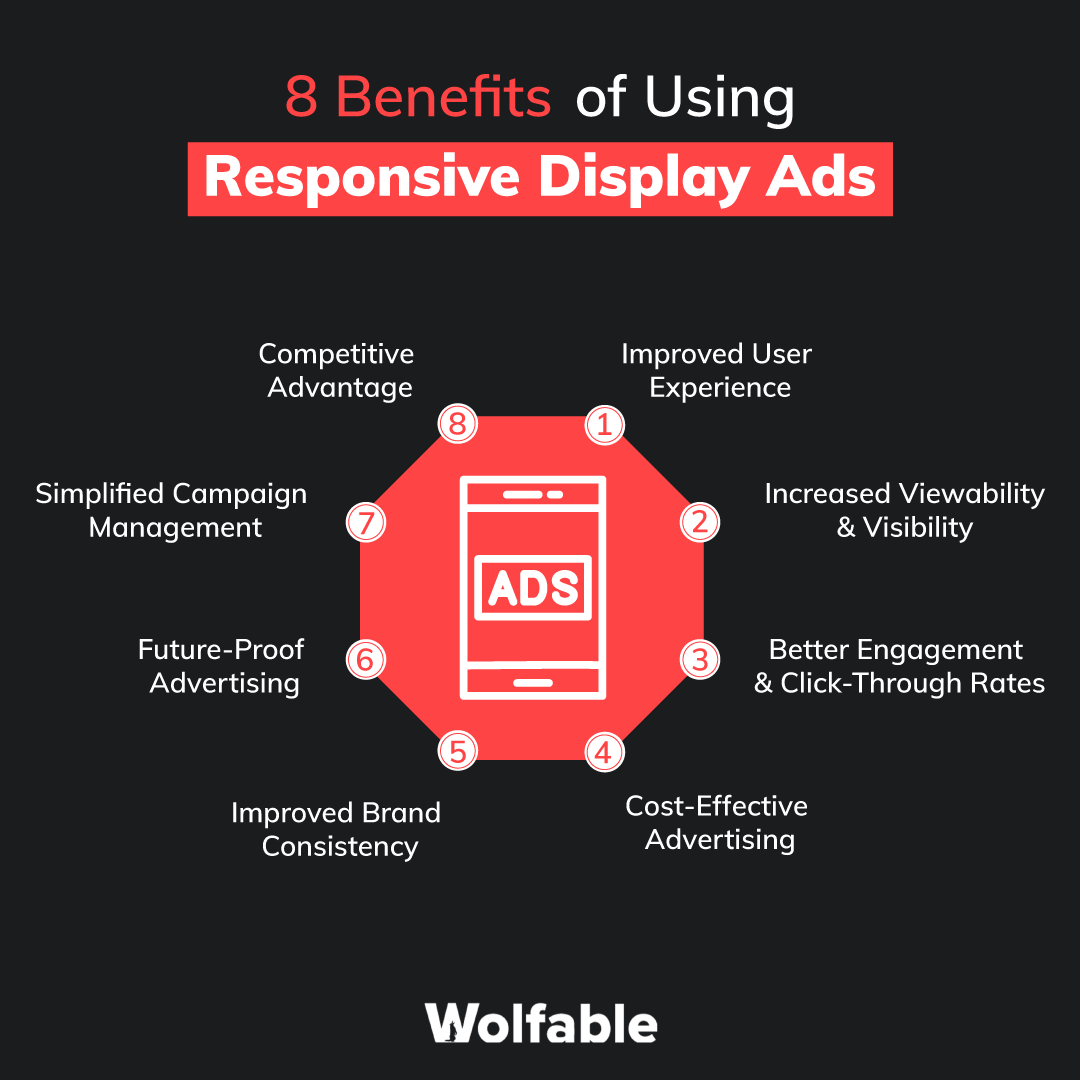
While the primary benefit of responsive display ads is the efficiency of machine learning-driven automation, it is important to view this technology as a partner to human ingenuity rather than a replacement for it. The technology handles the “heavy lifting”—the resizing, the testing, the placement, and the real-time optimization—but it still requires high-quality inputs.
For the modern professional, the shift to RDAs represents a liberation from the mundane tasks of digital production. By embracing the automated power of these ad formats, teams can reclaim their time to focus on high-level strategy, deep data analysis, and the creation of compelling narratives. In the end, the true value of the Responsive Display Ad lies in its ability to bridge the gap between massive scale and individual relevance, all powered by the most advanced machine learning tools available in the tech industry today.
aViewFromTheCave is a participant in the Amazon Services LLC Associates Program, an affiliate advertising program designed to provide a means for sites to earn advertising fees by advertising and linking to Amazon.com. Amazon, the Amazon logo, AmazonSupply, and the AmazonSupply logo are trademarks of Amazon.com, Inc. or its affiliates. As an Amazon Associate we earn affiliate commissions from qualifying purchases.