
While most people view birthstones through the lens of sentimentality or astrology, the savvy investor looks at the November birthstones—Topaz and Citrine—as tangible assets with distinct market profiles. In the world of alternative investments, gemstones represent a “hard asset” class that can offer diversification away from traditional equities and bonds. Understanding the financial nuances of Topaz and Citrine requires a deep dive into rarity, market demand, and the economic factors that drive the value of these two distinct minerals.
The Market Value of November’s Gemstones
To understand the financial potential of November’s birthstones, one must first distinguish between the two primary stones associated with the month. While they may share a color palette, their market positions are vastly different.
Imperial Topaz as a High-Value Asset
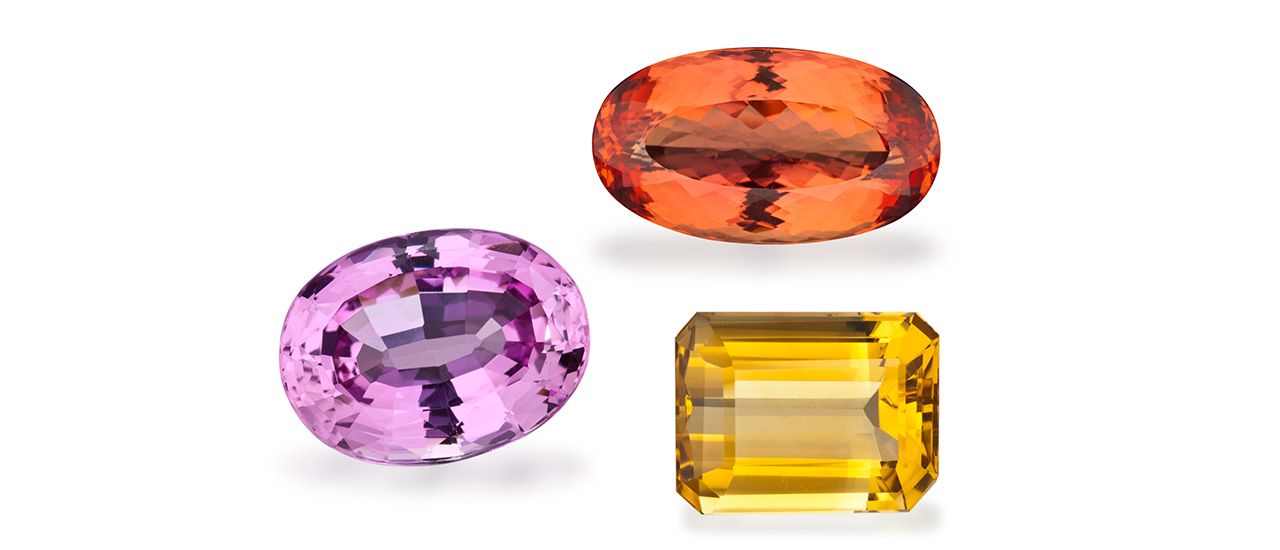
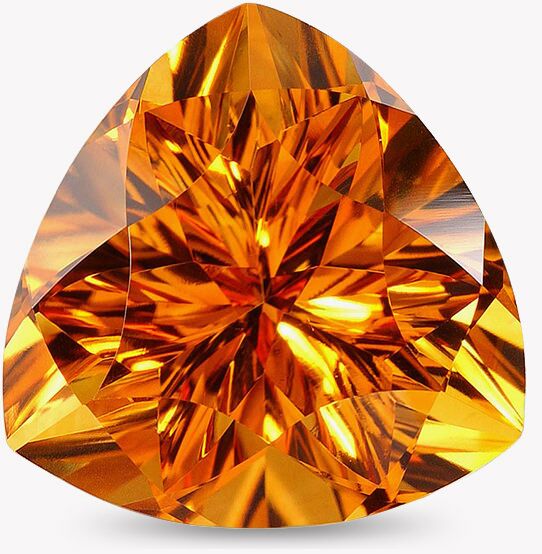
Topaz is a silicate mineral that comes in a wide array of colors, but from an investment standpoint, “Imperial Topaz” is the gold standard. Historically associated with Russian czars and found primarily in the Ouro Preto mines of Brazil, Imperial Topaz features a majestic reddish-orange to pinkish-orange hue.
Unlike common Blue Topaz, which is often mass-produced through irradiation and sells for a few dollars per carat, genuine Imperial Topaz is rare. Its scarcity makes it a candidate for high-end portfolios. In the current market, fine specimens of Imperial Topaz can command prices ranging from $1,000 to over $5,000 per carat, depending on the saturation of color and clarity. For the investor, the focus remains on “untreated” stones, as heat treatment can diminish long-term resale value in the collector’s market.
Citrine and the Commercial Jewelry Market
Citrine, a variety of quartz, offers a different financial narrative. It is one of the most popular and affordable gemstones on the market, characterized by its yellow to brownish-orange tones. Because quartz is abundant in the earth’s crust, Citrine rarely reaches the astronomical price points of rare Topaz or Sapphires.
However, from a business and retail perspective, Citrine is a powerhouse. Its affordability drives high volume in the commercial jewelry sector. For an entrepreneur looking to enter the gemstone trade or a small-scale investor interested in liquid inventory, Citrine provides a low barrier to entry. The value in Citrine lies not in the individual stone’s rarity, but in the design, branding, and “ready-to-wear” marketability of the finished jewelry piece.
Gemstones as Alternative Investment Vehicles
In an era of high inflation and currency volatility, many investors are turning to portable wealth. Gemstones, including high-grade November birthstones, serve as a hedge against economic instability.
Liquidity and Resale Challenges
One of the most critical aspects of investing in birthstones is understanding liquidity. Unlike stocks, which can be sold at the click of a button, gemstones are illiquid assets. Selling a high-value Topaz requires finding the right buyer, often through auction houses like Sotheby’s or Christie’s, or specialized gem dealers.
The “bid-ask spread” in the gemstone world is significant. An investor might buy a stone at retail price and find that the wholesale buy-back price is 30% to 50% lower. Therefore, the financial strategy for November birthstones must be long-term. Profitability is usually realized after holding the asset for a decade or more, allowing for natural scarcity and inflation to drive the price above the initial retail entry point.
Certification and Grading Standards
In finance, data is everything. In the gemstone market, that data is encapsulated in a grading report. For a November birthstone to hold its value as an investment, it must be accompanied by certification from a reputable lab, such as the Gemological Institute of America (GIA) or the American Gemological Laboratories (AGL).
These reports verify the stone’s identity (distinguishing natural Citrine from heat-treated Amethyst) and confirm the absence of treatments. In the eyes of an investor, a stone without a certificate is a speculative gamble; a stone with a GIA report is a verified asset. The grading focuses on the “Four Cs”—Color, Cut, Clarity, and Carat weight—but for Topaz and Citrine, color saturation is the primary driver of the price-per-carat.
The Global Trade Dynamics of the Birthstone Industry
The price of November birthstones is not just determined by beauty; it is influenced by complex global supply chains and geopolitical factors.
Supply Chain and Sourcing Impact
The primary source for investment-grade Topaz and Citrine is Brazil. When mining operations in Minas Gerais face regulatory changes, environmental lockdowns, or labor shortages, the global supply tightens, and prices rise.
Investors should monitor the “mine-to-market” pipeline. For instance, as older mines become depleted of high-quality Imperial Topaz, the existing supply in the market becomes more valuable. This “exhaustible resource” model is a key driver for the appreciation of gemstones. Furthermore, the rise of “provenance” in the jewelry industry means that stones with a documented history or a specific mine origin can command a premium price, much like a piece of real estate in a prestigious neighborhood.
Ethical Sourcing and Brand Equity
In the modern financial landscape, Environmental, Social, and Governance (ESG) criteria are increasingly important. The gemstone industry has faced scrutiny regarding labor practices and environmental impact. For an investor or a brand owner, the “ethical” pedigree of a November birthstone can significantly affect its marketability.
Sourcing “fair-trade” gems or those with blockchain-verified origins adds a layer of intangible value to the asset. Brands that prioritize ethical sourcing often see higher margins and stronger customer loyalty. When a November birthstone is marketed not just as a stone, but as a responsibly sourced investment, it appeals to the growing demographic of conscious investors, thereby increasing its liquidity and demand.
Building a Portfolio with Rare Gemstones
Incorporating November birthstones into a broader financial strategy requires a disciplined approach to diversification and risk management.
Diversification Strategies
Financial advisors often suggest that “passion investments”—including art, wine, and gems—should make up no more than 5% to 10% of a total portfolio. Within that gemstone allocation, November birthstones serve a specific role.
While a Diamond might represent a “store of value” similar to a blue-chip stock, a rare Imperial Topaz is more akin to a high-growth tech stock or a rare piece of art. It carries more risk due to its niche market but offers higher potential for significant appreciation if the stone is of exceptional quality. Citrine, conversely, can be viewed as a “cash flow” asset for those in the jewelry trade, where the turnover of inventory generates consistent retail profit.
Long-term Growth vs. Short-term Speculation
There is a temptation to speculate on gemstone prices based on fashion trends. For example, if a major fashion house features “burnt orange” or “golden yellow” in its fall collection, the demand for Citrine and Topaz may spike.
However, professional investors distinguish between trend-driven price increases and intrinsic value growth. Speculating on fashion cycles is risky. A sounder financial move is to focus on the intrinsic rarity of the material. A 10-carat, clean, deep-pink Imperial Topaz will hold its value regardless of whether “orange” is the color of the season. The goal is to acquire stones that the market will always deem “rare” and “desirable,” ensuring that when it comes time to liquidate the asset, the demand remains robust.
Conclusion: The Financial Outlook for November Birthstones
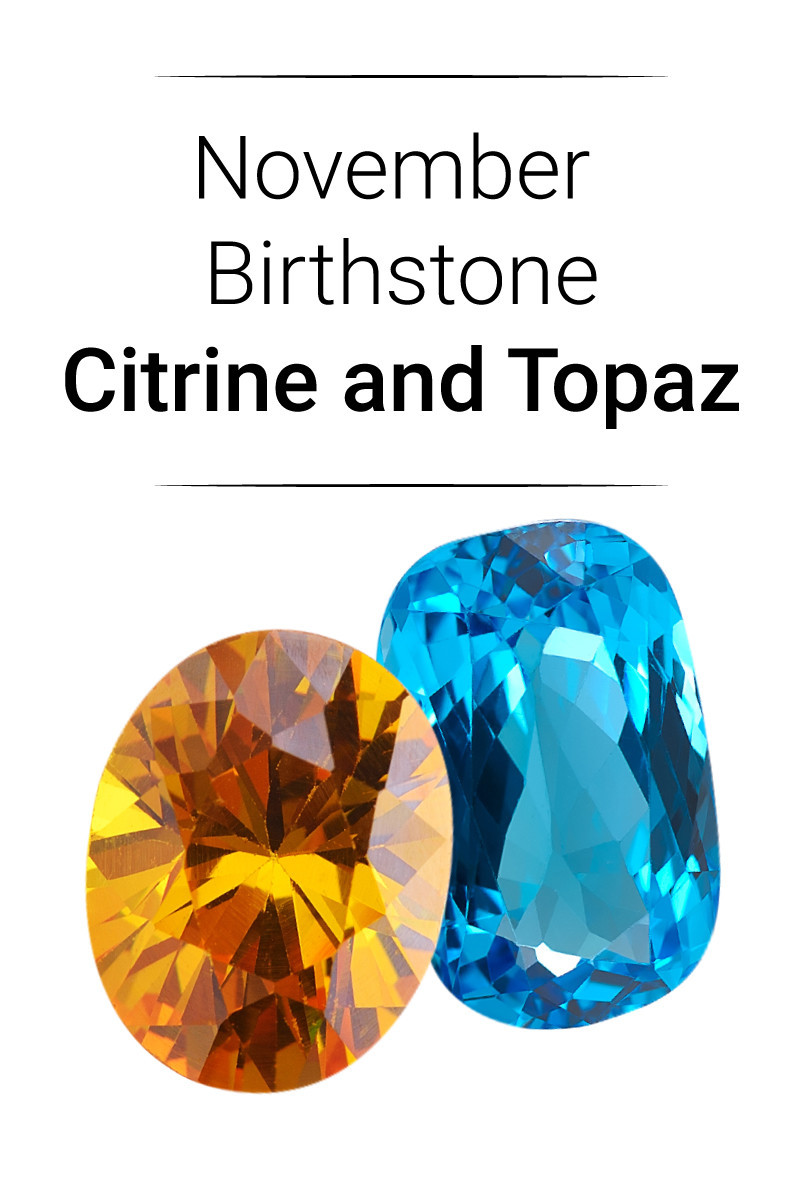
What’s the November birthstone from a financial perspective? It is a dual-opportunity asset class. On one hand, you have Citrine, which anchors the commercial jewelry industry and provides steady retail margins. On the other, you have Topaz—specifically the Imperial variety—which offers a high-entry, high-reward path for the serious collector and investor.
Investing in these stones requires more than an eye for beauty; it requires an understanding of mineralogy, a grasp of global trade logistics, and a patient approach to capital appreciation. For those willing to do the due diligence, November’s stones offer a colorful and potentially lucrative way to diversify wealth in an increasingly digital and intangible economy. By focusing on quality, certification, and ethical sourcing, investors can ensure that their “birthstone” is not just a seasonal ornament, but a cornerstone of a sophisticated financial portfolio.
aViewFromTheCave is a participant in the Amazon Services LLC Associates Program, an affiliate advertising program designed to provide a means for sites to earn advertising fees by advertising and linking to Amazon.com. Amazon, the Amazon logo, AmazonSupply, and the AmazonSupply logo are trademarks of Amazon.com, Inc. or its affiliates. As an Amazon Associate we earn affiliate commissions from qualifying purchases.