
In the modern landscape of entertainment, transitioning a niche, independent film into a multi-season television powerhouse is a feat of extraordinary brand management. “What We Do in the Shadows,” initially a 2014 New Zealand mockumentary, has successfully navigated the precarious waters of brand expansion to become a cornerstone of the FX network’s portfolio. This evolution from a cult classic into a “complete series” legacy offers a masterclass in brand strategy, visual identity consistency, and market positioning.
The success of the franchise does not merely rest on its comedic timing; it is the result of a deliberate, disciplined approach to branding that preserved a unique “voice” while scaling for a global audience. By examining the series through the lens of corporate identity and marketing strategy, we can uncover the principles that allowed a group of centuries-old vampires to become one of the most recognizable brands in contemporary television.
From Indie Cult Film to Global Franchise: Building the Brand Foundation
The most significant challenge in adapting “What We Do in the Shadows” for television was the “brand transition.” When a piece of intellectual property (IP) moves from a self-contained film to an episodic format, there is a high risk of brand dilution. The creators had to ensure that the core essence—the “Brand DNA”—remained intact while the scale of production increased.
The Transition: Preserving the Core Essence
At its heart, the brand of “What We Do in the Shadows” is built on the juxtaposition of the mundane and the macabre. The brand strategy involved identifying the “non-negotiables” of the original film: the mockumentary format, the deadpan delivery, and the subversion of vampire tropes. By keeping Taika Waititi and Jemaine Clement as executive producers, the series signaled to the existing fanbase that the brand’s integrity was being protected. This “founder involvement” is a common strategy in brand management to maintain authenticity during a period of aggressive growth.
Visual Identity and the Mockumentary Aesthetic
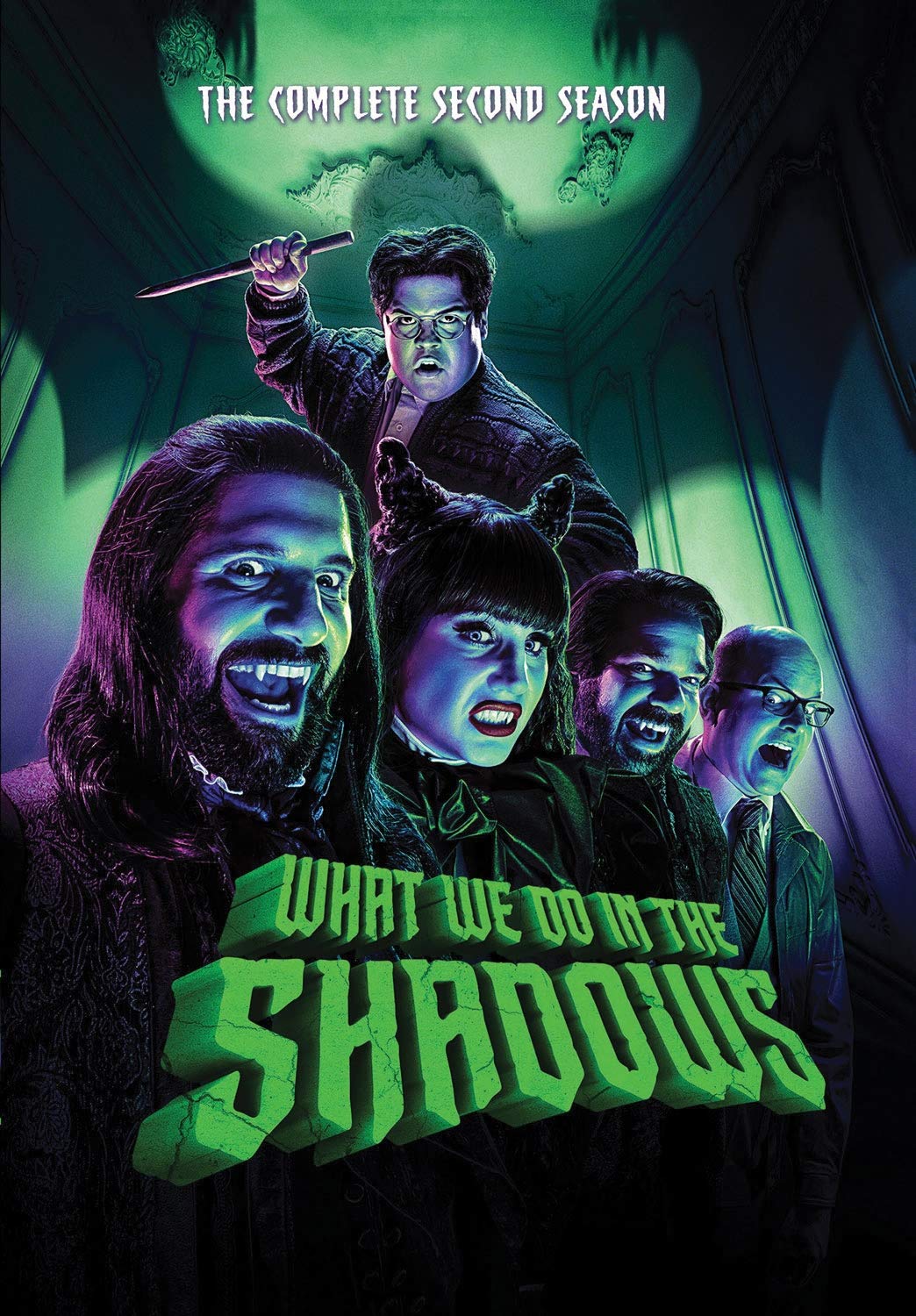
The visual brand of the series is its most immediate identifier. In brand strategy, consistency is king. The “complete series” maintains a specific color palette—heavy on gothic blacks, deep reds, and dusty, desaturated tones—which contrasts sharply with the flat, bright lighting of the “documentary” crew’s cameras. This visual tension reinforces the brand’s identity as both a horror homage and a workplace comedy. The handheld camera work and the intentional “low-fi” feel of the special effects are not budget constraints but strategic design choices that differentiate the series from the high-gloss production of competitors like “Interview with the Vampire.”
Character Archetypes as Brand Pillars
In successful brand strategy, especially within entertainment, characters function as individual “sub-brands.” Each resident of the Staten Island residence represents a specific facet of the series’ overall identity, allowing the marketing team to target various audience segments through personality-driven content.
Personality-Driven Marketing
The “Complete Series” succeeds because its characters are built on distinct, repeatable brand pillars. Nandor the Relentless represents the “fallen leader” archetype; Nadja represents the “sharp-tongued matriarch”; Laszlo represents the “hedonistic eccentric”; and Guillermo represents the “ambitious underdog.” This clear definition of roles allows for consistent brand messaging in promotional materials. When fans see a teaser featuring Laszlo, they have a set of brand expectations (humor, audacity, musicality) that are consistently met, building deep brand loyalty over several seasons.
The “Jackie Daytona” Effect: Viral Branding in Episodic Content
One of the most significant moments in the brand’s history was the introduction of “Jackie Daytona,” an alter-ego for Laszlo. This wasn’t just a plot point; it was a viral marketing phenomenon. The “Jackie Daytona” persona became a breakout brand within the brand, spawning merchandise, memes, and cultural references that extended far beyond the show’s actual viewership. This demonstrates the power of “sub-branding”—creating a specific, highly shareable element within a larger product that acts as an entry point for new consumers.

Strategic Distribution and Ecosystem Management
A brand is only as strong as its reach. The “What We Do in the Shadows” complete series is a testament to the power of strategic partnerships and the effective use of a distribution ecosystem. The synergy between FX and Hulu (and later Disney+) transformed a niche comedy into a globally accessible commodity.
The FX and Hulu Partnership: A Case Study in Platform Synergy
The “FX on Hulu” initiative was a pivotal moment for the series. By positioning the brand on a streaming platform while maintaining its linear cable presence, the network maximized the “Product Life Cycle.” The brand benefited from the prestige of the FX “prestige TV” label while capturing the younger, cord-cutting demographic on Hulu. This dual-distribution strategy ensured that the “Complete Series” was not just a collection of episodes but a pervasive presence in the digital landscape, leading to higher brand recall and sustained relevance during the off-season.
Merchandising the Macabre: Extending the Brand Beyond the Screen
For a series to be considered a “complete” brand, it must exist outside the screen. The merchandising strategy for “What We Do in the Shadows” has been notably sophisticated. Instead of generic logos, the brand has focused on “in-universe” merchandise—items that feel like they belong to the world of the characters. This approach appeals to the “super-fan” segment of the market, turning viewers into brand ambassadors. Whether it is a “Staten Island Vampire Council” t-shirt or replicas of the characters’ gothic jewelry, the merchandise reinforces the brand’s narrative world-building.
Cultivating Community: Engagement Strategies for Longevity
Long-term brand health is dependent on the ability to foster a community. The “What We Do in the Shadows” brand has excelled at “community-centric marketing,” ensuring that the audience feels like they are part of the “inner circle” of the vampire household.
Digital Presence and the “Fourth Wall” in Social Media
The series’ social media strategy is a brilliant extension of its mockumentary format. The digital brand identity often blurs the line between the show and reality, with social media accounts posting content as if the documentary crew is providing “behind-the-scenes” updates in real-time. This maintains the “Fourth Wall” break that is central to the show’s brand identity. By engaging with fans through this lens, the brand creates a high level of “Brand Affinity,” where consumers feel a personal connection to the characters and the setting.
Navigating the Final Act: Maintaining Brand Equity through a Series Conclusion
As the series moves toward its completion, the brand strategy shifts from “acquisition” (finding new viewers) to “legacy” (solidifying its place in television history). The management of the “Complete Series” brand involves ensuring that the narrative conclusion satisfies the brand promise established in the first episode. A successful brand exit is crucial; it determines whether the IP will continue to generate revenue through syndication and streaming for decades to come or fade into obscurity. By leaning into the “finality” of the series in marketing campaigns, the brand creates a “limited edition” sense of urgency, driving viewership spikes for the final seasons.

The Legacy of the Shadows: A Brand Conclusion
The “What We Do in the Shadows” complete series stands as a definitive example of how to build, manage, and scale a creative brand in the 21st century. It began with a clear, unique value proposition—vampires in a mundane, modern setting—and refused to compromise on that vision as it expanded.
From a brand strategy perspective, the success of the series can be attributed to three main factors:
- Authenticity: The brand stayed true to its voice, even as it adapted to the demands of American television.
- Character Consistency: The “sub-brands” of the individual characters provided multiple touchpoints for audience engagement.
- Strategic Ecosystems: Leveraging the FX/Hulu/Disney+ pipeline ensured the brand was always where the consumer was.
As the series concludes, it leaves behind more than just a collection of episodes; it leaves a blueprint for how niche brands can achieve mainstream success without losing their soul. The Staten Island vampires have proven that with the right brand strategy, even those who live in the shadows can command the spotlight on a global stage. The “Complete Series” is not just a television show; it is a perfectly executed brand portfolio that will be studied by marketers and creators for years to come.
aViewFromTheCave is a participant in the Amazon Services LLC Associates Program, an affiliate advertising program designed to provide a means for sites to earn advertising fees by advertising and linking to Amazon.com. Amazon, the Amazon logo, AmazonSupply, and the AmazonSupply logo are trademarks of Amazon.com, Inc. or its affiliates. As an Amazon Associate we earn affiliate commissions from qualifying purchases.