
In the landscape of interactive entertainment, few images are as haunting or as instantly recognizable as Pyramid Head. Emerging from the fog of 2001’s Silent Hill 2, this towering, helmeted figure has transcended the boundaries of its medium to become a cornerstone of the horror genre’s “Brand Identity.” However, at the center of this character’s legacy lies a single, deeply controversial scene: the interaction between Pyramid Head and the “Mannequin” enemies. While casual observers often ask what, exactly, was occurring in that dark kitchen, brand strategists and cultural analysts see something deeper. This scene was not merely a shock tactic; it was a masterclass in “Transgressive Branding”—a bold move that defined the Silent Hill corporate identity as the premier destination for psychological, adult-oriented horror.
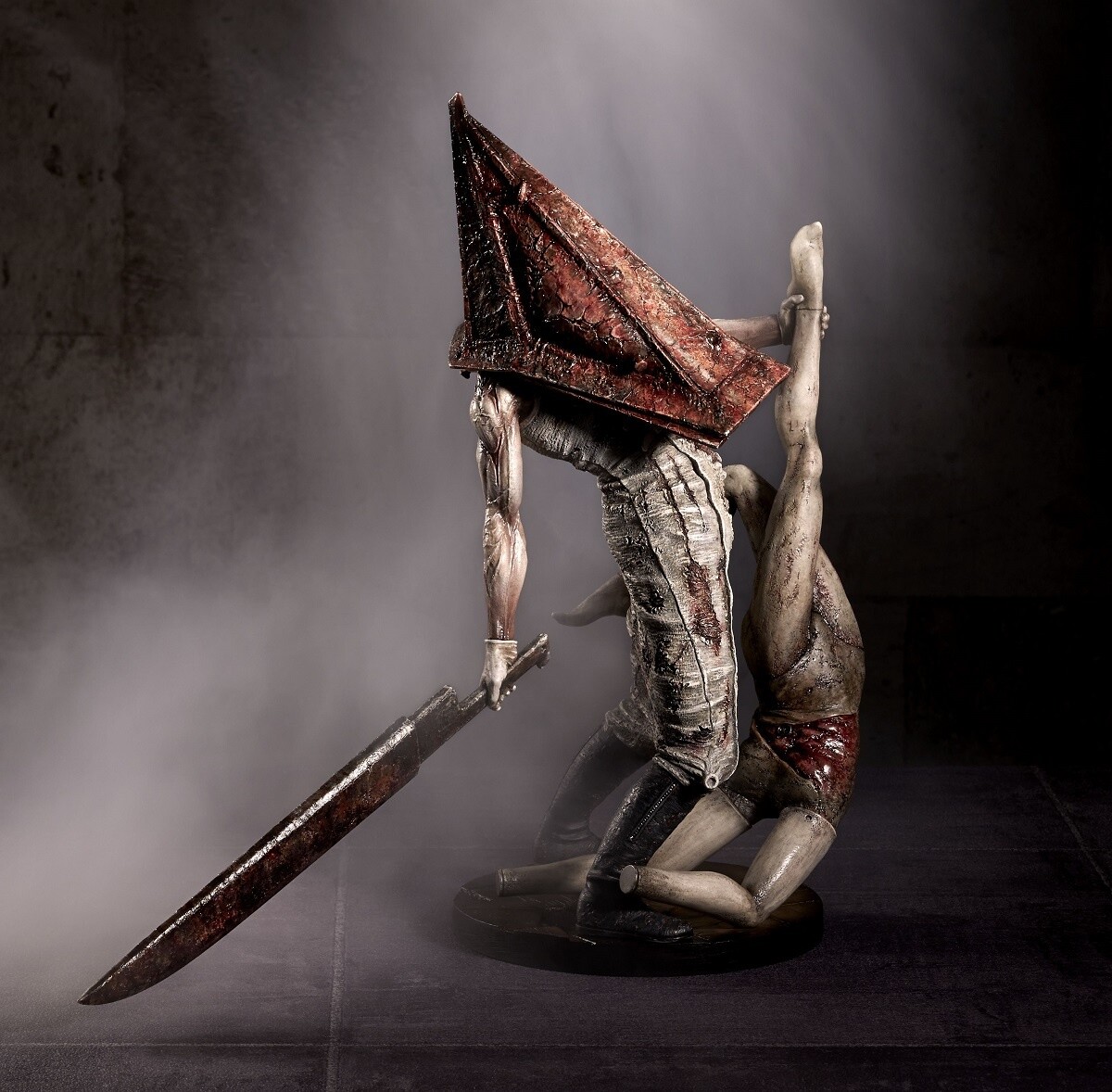
The Power of Transgressive Branding: The Mannequin Scene as a Core Brand Pillar
In brand strategy, “differentiation” is the key to survival. When Silent Hill 2 was in development, the survival horror market was dominated by Capcom’s Resident Evil franchise. Resident Evil had a clear brand: high-action, “B-movie” aesthetics, and biological terror. To compete, Konami and Team Silent needed a radical brand pivot. They chose to lean into “Psychological Horror,” a niche that prioritized internal trauma over external threats.
Defining the “Mature” Brand Value Proposition
The scene where the protagonist, James Sunderland, witnesses Pyramid Head interacting aggressively with the Mannequin creatures serves as the ultimate brand manifesto. It was designed to signal to the audience that this was not a “fun” game in the traditional sense. By depicting imagery that suggested sexual violence and dominance—without ever explicitly confirming the act—the developers established a brand promise of “Uncomfortable Ambiguity.” This established a high barrier to entry that paradoxically created immense brand loyalty among a sophisticated, older demographic.
Visual Storytelling and Market Positioning
The “Mannequin” scene acted as a filter. It positioned Silent Hill as the “thinking person’s” horror brand. In marketing terms, this is known as “Luxury Niche Positioning.” Just as a high-end fashion brand might use provocative or confusing imagery to signal its exclusivity and refusal to cater to the masses, the Mannequin scene told the gaming world that Silent Hill was not interested in being “safe.” It was interested in being significant.
Symbolism as Corporate Identity: Why Pyramid Head Transcends Traditional Monsters
A brand is more than a logo; it is a set of expectations and emotions. In the case of Pyramid Head, the “Red Pyramid Thing” became the de facto mascot for the Silent Hill brand, but unlike Mickey Mouse or Mario, his brand equity is built on guilt and punishment.
The Design Language of Masahiro Ito
The creator of Pyramid Head, Masahiro Ito, used a design language that screams “mechanical oppression.” The oversized, rusted metal pyramid prevents the character from having a “face,” which is a classic branding move to allow the consumer to project their own fears onto the product. This lack of identity is why the interaction with the Mannequins is so effective. Because Pyramid Head represents the protagonist’s repressed desires and need for punishment, his “assault” on the mannequins is a visual metaphor for the protagonist’s internal struggle.
Consistency in the “Brand Lore”
For a brand to remain strong, it must be consistent. The reason Pyramid Head’s brand value decreased in later sequels is that the developers forgot his original “Core Brand Purpose.” In Silent Hill 2, his purpose was exclusively tied to James Sunderland. When later games (and films) used him as a generic “slasher,” they diluted the brand. The Mannequin scene remains the most potent example of his original brand intent: he is a manifestation of a specific trauma, not a universal boogeyman.
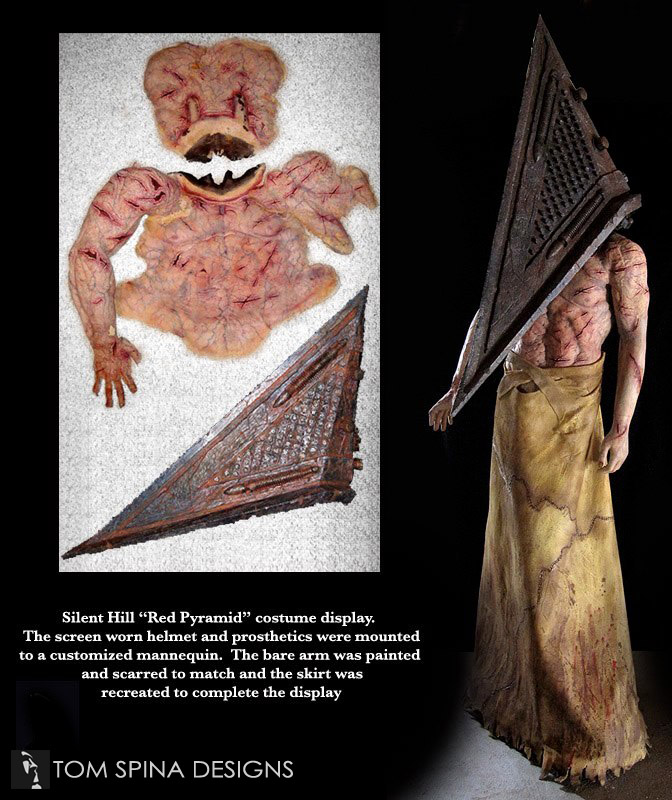
The Mascot Dilemma: Managing a Controversial IP in the Global Market
Managing a “controversial brand” requires a delicate balance. Konami faced a significant challenge: how do you take a character associated with the disturbing Mannequin scene and turn him into a marketable icon? This is the “Mascot Dilemma.”
From Taboo to Totem
Over the last two decades, Pyramid Head has migrated from a source of genuine discomfort to a “Cult Classic” icon. This transition is common in Brand Strategy for “Edgy” products. Think of how the “Punisher” logo or “A Clockwork Orange” imagery moved from subversion to mainstream fashion. Konami managed this by focusing on the “Aesthetic” of the character rather than the specific “Actions” of the character. The Mannequin scene became a piece of “Deep Lore” that rewarded dedicated fans, while the visual silhouette was used for broad-market merchandising.
The Impact of Remakes on Brand Equity
With the recent Silent Hill 2 remake, the brand faces a new challenge. In a modern corporate environment, how does a brand handle the “Mannequin” scene? The strategy here has been one of “Atmospheric Preservation.” By maintaining the ambiguity of the scene while upgrading the fidelity, the brand reaffirms its commitment to its original adult audience. It signals that while the technology has changed, the “Brand Soul”—which is dark, brooding, and unapologetic—remains intact.
The “Silent Hill” Marketing Strategy: Emotional Resonance over Jump Scares
The ultimate success of the Silent Hill brand, and the reason the Mannequin scene is still discussed today, lies in its rejection of “Transactional Horror.” Most horror brands offer a transaction: you give them your time, and they give you a jump scare. Silent Hill offers “Transformational Horror.”
Building Emotional Brand Equity
When Pyramid Head interacts with the mannequins, it triggers a visceral emotional response: confusion, disgust, and curiosity. In marketing, emotional resonance is the highest form of engagement. Consumers don’t just remember the game; they remember how the game made them feel. By choosing to be disturbing rather than just scary, the Silent Hill brand carved out a space in the “Affective Memory” of its audience.
The Community as Brand Ambassadors
The mystery of “what he was doing” has fueled decades of community discussion, YouTube essays, and forum debates. This is “Organic Brand Growth.” By leaving the scene open to interpretation, the brand forced the community to become active participants in the narrative. Every time a fan writes a theory about the Mannequin scene, they are performing “Brand Labor,” keeping the IP relevant without the parent company spending a dime on advertising.

Conclusion: The Legacy of a Disturbed Brand
What was Pyramid Head doing to the mannequins? From a narrative standpoint, he was manifesting the violent, sexualized frustrations of a grieving man. But from a “Brand Strategy” standpoint, he was performing a radical act of market differentiation. He was anchoring the Silent Hill brand in a territory that no other franchise dared to touch.
The “Mannequin” scene is a testament to the power of taking risks in brand identity. It proves that a brand does not need to be “likable” to be successful; it needs to be “unforgettable.” Pyramid Head remains a titan of the industry because he represents a moment when corporate creativity was allowed to explore the darkest corners of the human psyche. As the Silent Hill brand enters its next era, the lessons of Pyramid Head—the power of symbolism, the value of ambiguity, and the importance of a clear, if disturbing, brand promise—continue to serve as a blueprint for how to build a legacy that never truly fades into the fog.
aViewFromTheCave is a participant in the Amazon Services LLC Associates Program, an affiliate advertising program designed to provide a means for sites to earn advertising fees by advertising and linking to Amazon.com. Amazon, the Amazon logo, AmazonSupply, and the AmazonSupply logo are trademarks of Amazon.com, Inc. or its affiliates. As an Amazon Associate we earn affiliate commissions from qualifying purchases.