
In the past, the finality of death was absolute. When someone reached the end of their life, the “last words” spoken were confined to the immediate vicinity of the hospital bed or the home. Today, the landscape of mortality is being fundamentally reshaped by technology. As we grapple with what to say to someone who is dying soon, the conversation is no longer just about spoken words; it is about digital legacies, AI-driven immortality, and the sophisticated tools that allow us to bridge the gap between presence and absence.
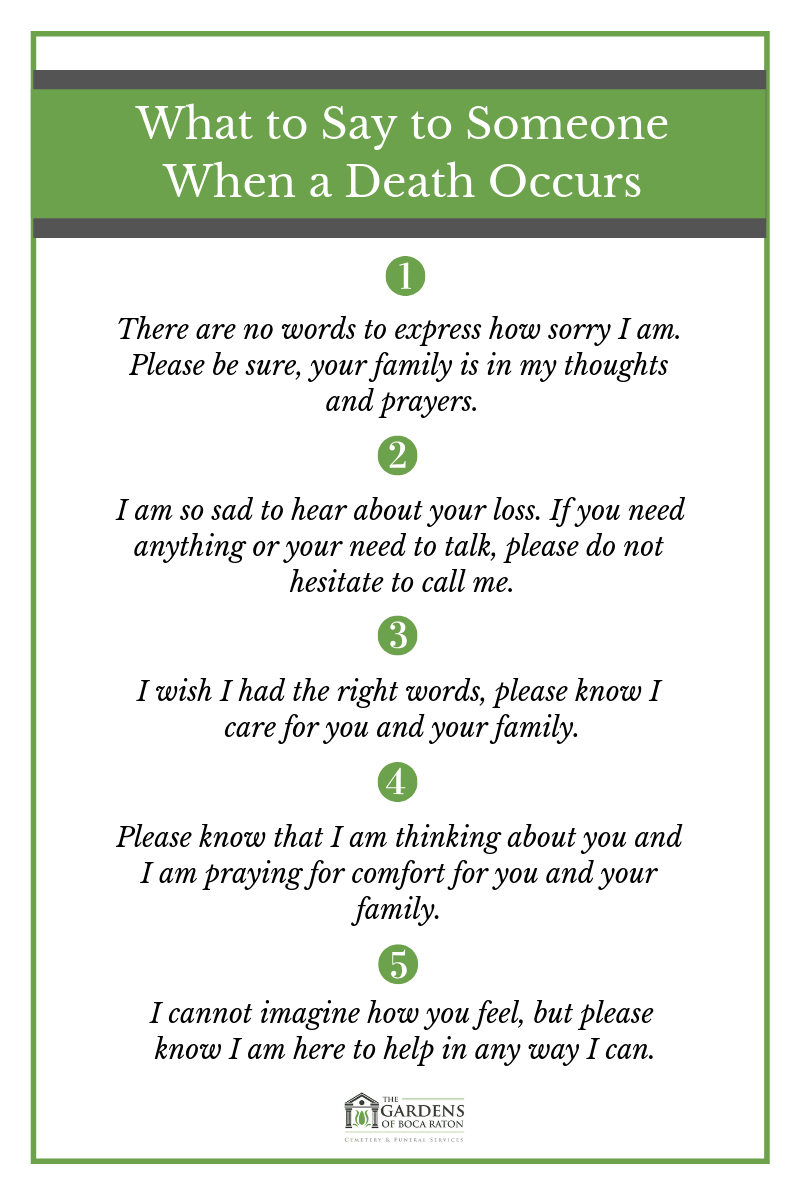
The emergence of “GriefTech” and “DeathTech” has transformed the end-of-life experience from a fleeting moment into a structured, technologically mediated process. From virtual reality reunions to generative AI avatars that can mimic a loved one’s voice and personality, technology is providing new frameworks for closure. This article explores how modern software, digital security, and artificial intelligence are changing the way we approach the most difficult conversation a human can have.
The Evolution of Final Conversations in the Digital Age
The digital age has removed the barriers of geography, ensuring that “what we say” is no longer limited by where we are. However, the evolution goes far beyond simple video calling. The technology used to facilitate these final moments is becoming increasingly immersive and intentional.
Bridging the Distance with High-Definition Presence
For many, the hardest part of saying goodbye is the physical distance. High-definition telepresence and specialized communication apps have moved beyond the glitchy video calls of the early 2000s. We are now seeing the integration of spatial audio and ultra-low-latency streaming that allows for a sense of “co-presence.”
When a person is in their final days, the nuances of tone and expression are vital. Technologies like 4K streaming and noise-canceling directional microphones ensure that the subtle “I love you” or the final piece of advice is captured with crystalline clarity. For the person dying, seeing their family in high definition through a tablet or a dedicated “smart display” can provide a level of comfort that a standard phone call cannot, making the digital medium a legitimate sanctuary for final intimacy.
Digital Ethos: The Shift from Physical to Virtual Closure
The concept of closure has migrated to the digital realm. We now use technology to curate the “final message.” This involves the use of “Legacy Apps” designed specifically to help terminal patients record videos, write letters, and organize thoughts while they are still lucid. These platforms guide users through prompts, helping them decide what to say to their children, spouses, or friends. By digitizing these sentiments, the conversation remains static and accessible, allowing the dying individual to have a “final word” that survives long after their physical presence fades.
Legacy Technology: Engineering the “Eternal” Voice
Perhaps the most disruptive trend in this niche is the rise of Generative AI. We are moving into an era where “what you say” to someone dying can be archived, analyzed, and even synthesized to create a continuing dialogue.
AI-Driven Memory Preservation and Interactive Avatars
Artificial Intelligence is now capable of creating “Deathbots” or “Legacy Avatars.” By feeding an AI model the writings, voice recordings, and video footage of an individual, software can create a digital twin. When someone is dying, the conversation often revolves around the fear of being forgotten. Technology addresses this by offering a way to “stay.”
Companies are developing Large Language Models (LLMs) that are fine-tuned on a specific person’s life story. This allows family members to “talk” to the person even after they are gone. While ethically complex, for many, the act of saying goodbye is made easier knowing that the person’s wisdom and personality are being encoded into a digital format. The conversation shifts from a permanent ending to a transition into a digital archive.
Scheduled Messaging and Time-Released Wisdom
Software tools now allow those near the end of life to schedule messages for future delivery. This is a profound shift in how we think about final words. A parent can record a message to be delivered on their child’s wedding day ten years in the future, or a series of annual birthday wishes.
This “time-release” technology ensures that the conversation doesn’t end at the moment of death. From a technical standpoint, this requires robust cloud infrastructure and “dead man’s switches”—automated systems that trigger the release of data after a period of inactivity or upon verification of a death certificate. It turns the final conversation into a persistent, multi-year narrative.
Digital Estate Planning: Navigating the Technicalities of Saying Goodbye
When we talk about what to say to someone who is dying, we often overlook the logistical “goodbye.” In the 21st century, a significant portion of our identity is digital. Saying goodbye now involves the handover of digital assets, and the tech industry has developed specialized tools to manage this transition.
Managing Digital Assets and Social Media Legacies
A crucial part of end-of-life communication involves the “Digital Will.” Tech giants like Apple and Google have introduced “Legacy Contacts” and “Inactive Account Managers.” When someone is dying, part of the conversation must include the practicalities of their digital life.
Who gets access to the thousands of photos in the cloud? Who manages the social media profiles? The technical process of designating a legacy contact is now a standard part of terminal care. This allows the dying individual to say, “I am leaving you my memories,” not just in a metaphorical sense, but via an encrypted transfer of data permissions.
Secure Vaults: Passing on the Keys to a Digital Life
Digital security is a paramount concern during end-of-life transitions. Password managers and encrypted digital vaults (like 1Password or specialized legacy vaults like Trustworthy) provide a secure way to pass on sensitive information.
The conversation around “what to say” frequently turns to “where is everything?” Tech solutions allow a person to store financial logins, cryptocurrency private keys, and legal documents in a vault that is only unlocked for specific heirs upon their passing. This reduces the administrative burden on the grieving, allowing the final days to be focused on emotional connection rather than a desperate search for passwords.
The Ethics and Psychology of Tech-Mediated End-of-Life Communication
As we integrate more technology into the dying process, we must consider the psychological and ethical implications. How does the presence of a screen or an AI model change the nature of the “goodbye”?
The “Uncanny Valley” of Digital Grief
One of the primary concerns in the tech community is the “Uncanny Valley”—the point at which a digital representation becomes “creepy” because it is almost, but not quite, human. When using AI avatars to talk to someone who is dying, or to preserve their voice, there is a risk that the technology interferes with the natural grieving process.
Engineers and UI/UX designers are currently working on ways to make these interactions feel more authentic and less “robotic.” The goal is to create a digital interface that supports human emotion rather than distracting from it. This involves “Empathy AI,” which can detect the emotional state of the speaker and adjust its responses accordingly.
Balancing Human Connection with Technological Intervention
The greatest challenge in developing technology for the dying is ensuring that it doesn’t replace human touch. High-tech tools should be viewed as “assistive technology” for the soul. For example, VR (Virtual Reality) is being used in hospice care to take dying patients to places they can no longer visit—their childhood home, a favorite beach, or even outer space.
When a family member sits with someone in VR, they are sharing a final digital experience. The conversation is facilitated by the environment the technology provides. The focus shifts from the sterile environment of a clinic to a shared virtual journey. The technology provides the “context,” while the humans provide the “content” of the conversation.

Conclusion
What we say to someone who is dying soon is increasingly being shaped by the tools we use to say it. Technology has moved from the periphery of the end-of-life experience to its very center. Through AI, high-definition communication, and sophisticated digital asset management, we are finding new ways to preserve the essence of a person.
As software continues to evolve, the “final conversation” will become less of a single moment in time and more of a lasting, interactive legacy. While the pain of loss remains a fundamental human experience, technology offers a bridge—a way to ensure that the wisdom, love, and memories of those we lose are never truly deleted. In the intersection of tech and mortality, we find a new language for saying goodbye: one that is encrypted, archived, and eternally accessible.
aViewFromTheCave is a participant in the Amazon Services LLC Associates Program, an affiliate advertising program designed to provide a means for sites to earn advertising fees by advertising and linking to Amazon.com. Amazon, the Amazon logo, AmazonSupply, and the AmazonSupply logo are trademarks of Amazon.com, Inc. or its affiliates. As an Amazon Associate we earn affiliate commissions from qualifying purchases.