
In the world of professional networking and corporate strategy, every interaction is a touchpoint for your personal brand. While many professionals focus their energy on the first impression—the high-impact resume, the polished interview, or the charismatic first day—few realize that the “last impression” is often the one that sticks. The tradition of the “going away card,” whether physical or digital, represents a critical final chapter in your narrative at an organization.
Writing a farewell message is not merely a social nicety; it is a strategic branding exercise. Whether you are the one departing or you are writing to a colleague who is moving on, the words chosen will resonate long after the desks are cleared. This article explores how to navigate the nuances of the going away card through the lens of brand strategy, ensuring that your professional identity remains untarnished and your network remains robust.

The Strategic Importance of the Farewell Message in Personal Branding
Personal branding is the practice of marketing people and their careers as brands. It is an ongoing process of developing and maintaining a reputation and impression of an individual. In this context, a farewell message serves as a “brand wrap-up.” It summarizes your tenure and sets the stage for your future.
The Psychology of the Last Impression
Cognitive psychology introduces us to the “Peak-End Rule,” a heuristic in which people judge an experience largely based on how they felt at its peak and at its end. In a professional setting, your departure is that “end.” If your final communication is sloppy, overly emotional, or professionaly cold, it can overshadow years of hard work. By choosing your words carefully on a going away card, you are effectively curating the final data point in your colleagues’ perception of you.
Maintaining Brand Consistency Across Transitions
A strong brand is consistent. If you have spent five years cultivating a persona as a “strategic visionary” or a “supportive mentor,” your parting words must align with that identity. A sudden shift in tone can lead to “brand dissonance,” leaving colleagues confused about your true professional character. The card is your opportunity to reinforce your value proposition—reminding people not just that you are leaving, but of the specific expertise and culture you brought to the team.
Crafting the Perfect Message: Templates for Different Brand Personas
Not every professional brand is the same, and therefore, not every farewell message should follow the same script. To maintain authenticity, you must tailor your message to the specific archetype you have built.
The Collaborative Leader
If your brand is built on leadership and team-building, your message should focus on the collective achievements of the group rather than your personal success.
- What to say: “It has been an absolute privilege to lead such a talented group. Our success on [Project X] remains a highlight of my career, but it is the culture of collaboration we built that I will miss most. I look forward to watching this team continue to disrupt the industry.”
- Brand Logic: This reinforces that you are a “we” person, not an “I” person, making you more attractive for future executive roles.
The Innovative Problem Solver
For those known for their technical prowess or creative solutions, the message should highlight the intellectual journey and the “disruption” shared with colleagues.
- What to say: “Working alongside this team to tackle [Industry Challenge] has been a highlight. I’m grateful for the environment of curiosity we fostered here. I’m excited to see how you continue to push the boundaries of what’s possible in [Sector].”
- Brand Logic: This positions you as a forward-thinker who values innovation, keeping your brand relevant in fast-moving industries like tech or finance.
The Reliable Specialist
If your brand is centered on consistency, high-quality output, and being the “go-to” expert, your message should emphasize the strength of the professional relationships and the stability of the department.
- What to say: “Thank you for the years of partnership and trust. It has been an honor to contribute to the growth of [Department Name], and I take great pride in what we have achieved together. I look forward to staying in touch as we both continue our professional journeys.”
- Brand Logic: This reinforces reliability and professional maturity, signaling that you are leaving on excellent terms.
Digital vs. Physical: Brand Presentation in Modern Communication
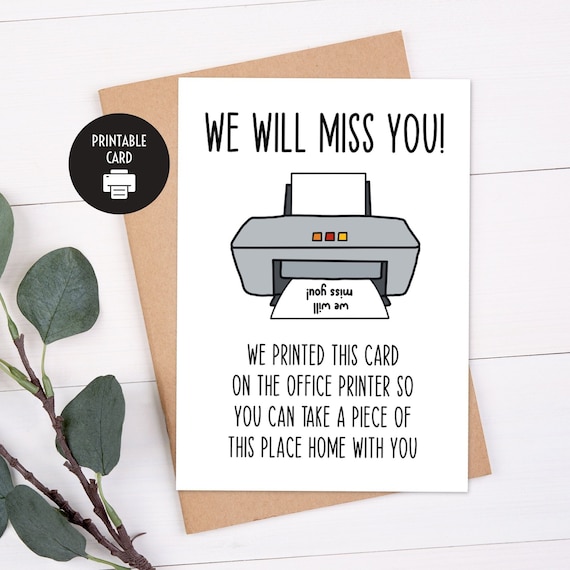
In the modern workplace, the “card” is often a digital board like Kudoboard or a Slack thread. The medium changes the brand delivery, requiring a different approach to visual and textual presentation.
The Rise of the Digital Farewell Board
Digital boards allow for multimedia—GIFs, photos, and links. From a branding perspective, this is a double-edged sword. While a funny GIF might show your “human” side, it must not undermine your professional stature. When contributing to a digital board for a departing executive, a high-resolution photo of a successful product launch or a shared conference moment carries more brand weight than a generic “Happy Retirement” clip art. It shows attention to detail and a shared history of value.
Leveraging LinkedIn as Your Brand’s Permanent Card
The “going away card” has a permanent, public cousin: the LinkedIn farewell post. This is where your personal brand goes global. A well-crafted LinkedIn post should mirror the sentiment of your internal card but with a broader marketing focus. It should tag key mentors (brand endorsement), highlight company milestones (brand success), and clearly state your “next chapter” (brand evolution). This ensures that the transition is seen by recruiters and industry peers as a strategic move rather than a retreat.
Corporate Offboarding and Brand Equity: The Organization’s Perspective
The “going away card” isn’t just an individual tool; it is a component of “Employer Branding.” How a company handles departures says as much about the corporate identity as its recruitment ads.
How Companies Can Shape the Narrative
Forward-thinking HR departments view the farewell card as an investment in “alumni relations.” By facilitating a warm, professional send-off, the company protects its brand equity. An employee who leaves feeling valued is far more likely to become a “Brand Ambassador” in the wild, referring new talent and speaking highly of the firm’s culture.
Turning Former Employees into Brand Ambassadors
The message from the manager on a going away card should be viewed as a formal endorsement. When a manager writes, “Your contribution to our market share growth was indispensable,” they are not just being nice; they are providing a “micro-credential” that the employee carries into the ecosystem. This strengthens the company’s reputation as a place that develops top-tier talent, which in turn attracts more high-performers.
Pitfalls to Avoid: Words That Dilute Your Professional Brand
Just as the right words can elevate a brand, the wrong ones can cause immediate damage. The exit interview and the farewell card are the two most common places where professionals “break character” and damage their reputation.
Balancing Authenticity with Professionalism
There is a temptation to be overly “real” in a farewell card, especially if the departure was prompted by frustration. However, from a brand strategy perspective, negativity is a toxic asset. Even if the environment was challenging, your brand wins when you remain the “bigger person.” Avoid backhanded compliments like, “Good luck dealing with the new software,” or “I’m glad I won’t have to see another spreadsheet.” These comments signal a lack of emotional intelligence (EQ), a trait highly devalued in senior leadership.
The Risk of Passive Aggression
In a corporate identity context, passive aggression is a brand killer. It suggests that you are difficult to work with and unable to handle conflict directly. If you cannot find something genuinely positive to say about the work, focus on the people or the general opportunity for growth. A brand that is “positive and professional” is universally marketable; a brand that is “bitter and cynical” is an insurance liability.

Conclusion: The Card as a Bridge
Ultimately, what you say on a going away card is the final brick in the bridge you’ve built between your current role and your future opportunities. By treating this simple gesture as a strategic branding exercise, you ensure that your departure is not an end, but a transition that enhances your professional standing.
Whether you are signing for a colleague or writing your own farewell, remember that your words are a reflection of your professional values. Be intentional, stay consistent with your established persona, and always leave the door open for future collaboration. In the interconnected world of modern business, you aren’t just saying goodbye; you are positioning your brand for its next great success.
aViewFromTheCave is a participant in the Amazon Services LLC Associates Program, an affiliate advertising program designed to provide a means for sites to earn advertising fees by advertising and linking to Amazon.com. Amazon, the Amazon logo, AmazonSupply, and the AmazonSupply logo are trademarks of Amazon.com, Inc. or its affiliates. As an Amazon Associate we earn affiliate commissions from qualifying purchases.