
In the current economic landscape, homeowners are increasingly viewing their property not just as a shelter, but as a sophisticated financial asset. Among the various capital improvements available, solar energy stands out as a premier investment, offering a hedge against rising utility costs and a significant boost to property equity. However, the financial viability of a solar installation is inextricably linked to the underlying structure: the roof.
Selecting the right roof for solar panels is less about aesthetics and more about optimizing your Return on Investment (ROI). When you install a solar array, you are essentially pre-purchasing 25 to 30 years of electricity. If your roof fails halfway through that period, the financial consequences—ranging from removal fees to structural repair costs—can erode your projected savings. To treat solar as a true personal finance win, you must evaluate your roofing material through the lens of longevity, maintenance costs, and asset protection.
The Financial Impact of Roof Compatibility on Solar ROI
Before committing capital to a solar project, an investor must understand the “all-in” cost of the system. This includes the hardware, the installation, and the long-term viability of the mounting surface. The roof serves as the foundation of your energy-generating asset; if the foundation is weak, the investment is at risk.
Installation Costs and Structural Integrity
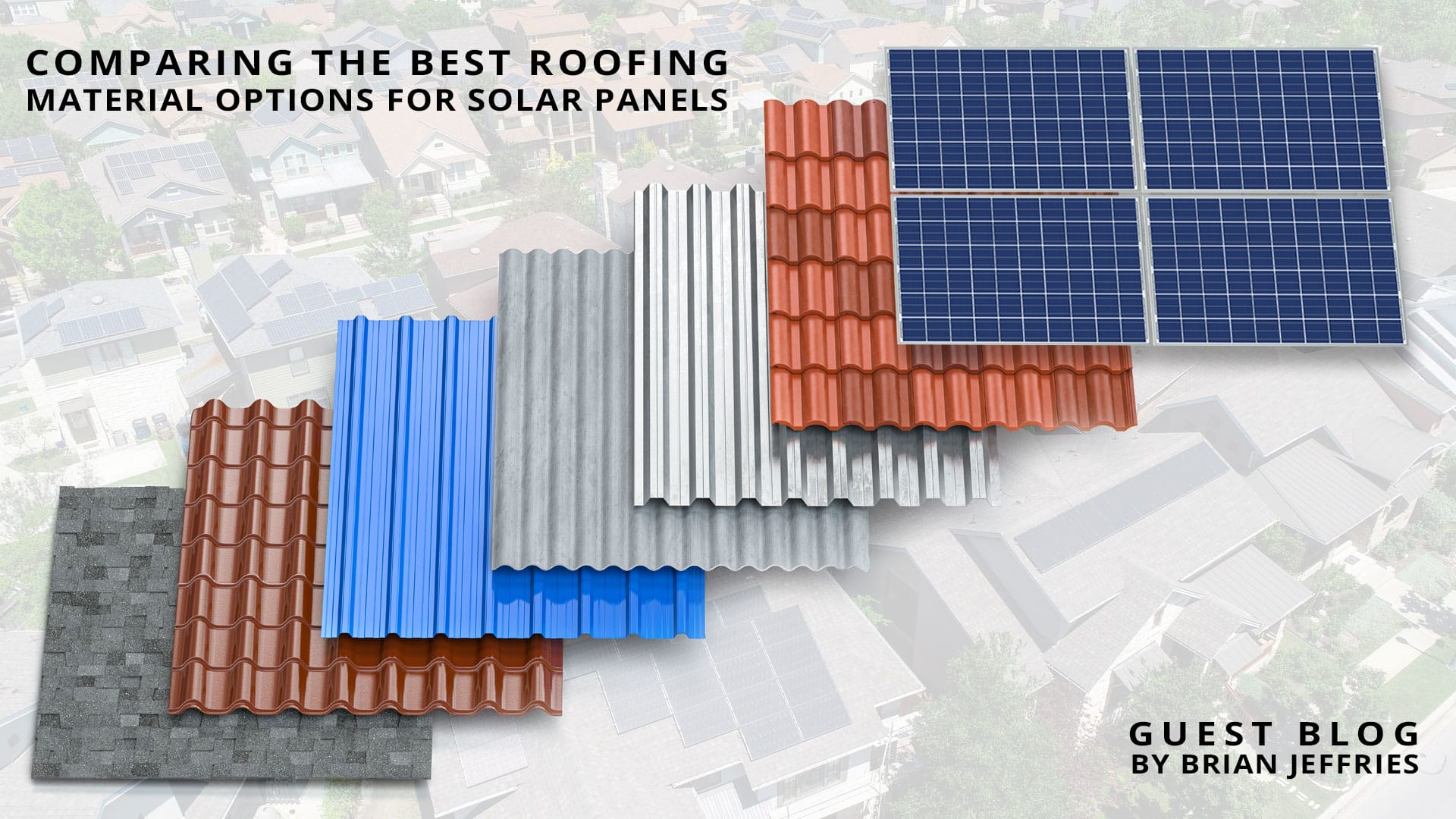
From a business finance perspective, the initial cost of solar installation is influenced by how easily the mounting hardware can be integrated into the roof. Traditional composite shingles are generally the most affordable to work with, as the flashing and mounting systems are standardized and labor-intensive. Conversely, specialty roofs like Spanish tile or slate require “tile hooks” or specialized mounting brackets, which increase labor costs. When budgeting for solar, you must weigh these upfront installation premiums against the projected energy yields. A roof that requires complex, expensive mounting hardware increases your “payback period”—the time it takes for energy savings to cover the initial investment.
Long-term Maintenance and Replacement Cycles
The biggest financial pitfall in residential solar is the “misaligned lifecycle.” Most solar panels are warrantied for 25 years and often produce power for 30. If you install these panels on a roof that only has 10 years of life remaining, you are setting yourself up for a significant future expense. Removing and reinstalling a solar array to replace the shingles underneath can cost between $2,000 and $5,000. To maximize your internal rate of return (IRR), your roofing material should ideally have a lifespan that matches or exceeds the lifespan of the solar panels.
Evaluating Roof Materials through an Investment Lens
Not all roofing materials are created equal when it comes to supporting a multi-decadal financial asset. To make an informed decision, you must compare the capital expenditure (CapEx) of the roof itself with the long-term stability it provides to your solar investment.
Composite Shingles: The Budget-Friendly Entry Point
Asphalt or composite shingles are the most common roofing material in North America. From a personal finance standpoint, they offer the lowest barrier to entry. They are inexpensive to install and easy for solar technicians to navigate. However, they have a shorter lifespan—typically 15 to 25 years. If you are choosing this material, ensure you are using “architectural” or “premium” shingles. Investing a bit more in high-quality shingles today prevents the massive “sunk cost” of a mid-cycle solar removal and reinstallation a decade from now.
Metal Roofing: The Gold Standard for Asset Longevity
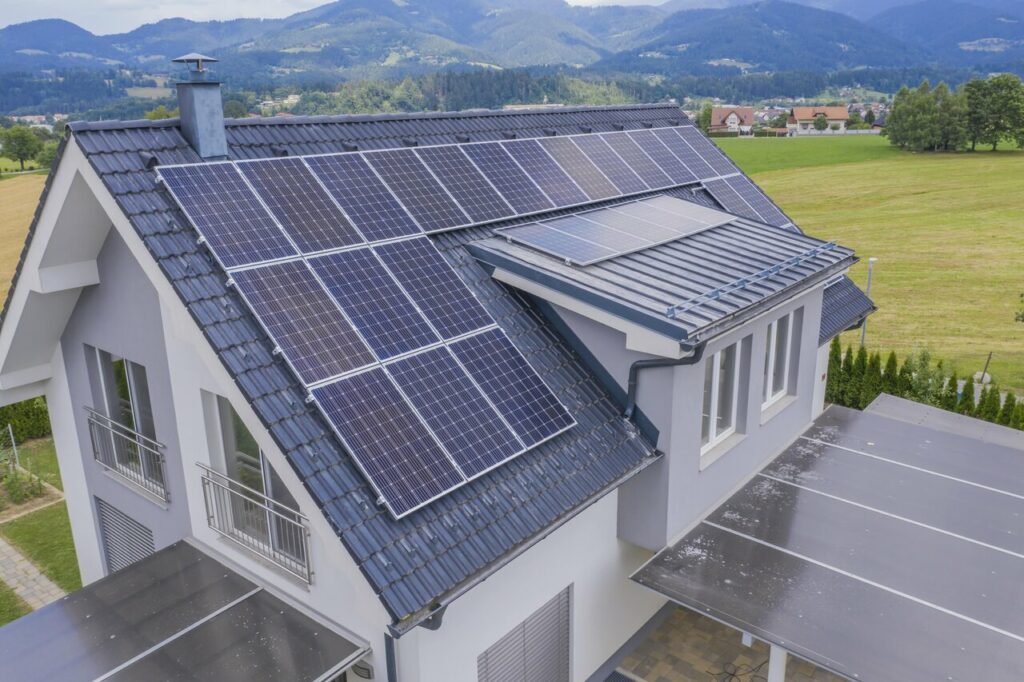
If the goal is to maximize the net present value (NPV) of your solar system, metal roofing—specifically standing seam metal—is the superior choice. Standing seam roofs allow solar panels to be attached via clamps directly to the ribs of the roof, eliminating the need for any penetrations. This significantly reduces the risk of leaks, which can be a hidden liability in home ownership. Furthermore, a metal roof can last 50 to 70 years. By pairing solar with metal, you ensure that you will never have to pay to remove the panels for a roof replacement, effectively protecting your profit margins over the entire life of the system.
Tile and Slate: High Initial Capital Expenditure vs. Durability
Tile and slate roofs are luxury assets that offer incredible durability but come with high “soft costs” for solar integration. Because these materials are brittle, the risk of breakage during installation is high, requiring specialized (and expensive) contractors. While these roofs can last 50+ years, the initial cost of the solar installation will be 15–25% higher than on a shingle roof. For a homeowner focused on maximizing immediate cash flow, tile may not be the most efficient choice. However, for a long-term estate-planning approach, the durability of the tile ensures the solar asset remains undisturbed for decades.
Strategic Planning: Aligning Roof Lifespan with Solar Payback Periods
Financial success in renewable energy requires a “systems thinking” approach. You cannot view the solar panels and the roof as separate entities; they are a singular integrated energy system.
The “Hidden” Cost of Removing and Reinstalling Panels
Many homeowners overlook the “un-install” fee in their financial modeling. When a roof needs repair, the solar company must send a crew to disconnect the electrical system, remove the racking, and store the panels. After the roof is fixed, the process is reversed. This labor-intensive process offers zero added value to the system; it is purely a maintenance cost that lengthens your ROI timeline. If your current roof has less than 12 years of life left, it is financially prudent to replace the roof simultaneously with the solar installation.
When to Invest in a New Roof Before Going Solar
If you are looking at your home as a business, you must decide when to “retire” an old asset (the roof) to make room for a new revenue-generating asset (solar). If your roof is nearing the end of its life, many jurisdictions and tax codes allow you to roll the cost of a new roof into the solar financing package. In some cases, if the roof replacement is deemed necessary for the solar installation, homeowners have attempted to claim a portion of the roof cost under the Federal Investment Tax Credit (ITC), though this requires strict adherence to tax laws and consultation with a professional. Combining these projects can lower your overall cost of capital and streamline your home’s transition to an energy-efficient powerhouse.
Enhancing Real Estate Value and Marketability
Beyond the monthly savings on your electric bill, the synergy between a high-quality roof and a solar system functions as a major “capital improvement” that increases the resale value of your property.
Solar as a Capital Improvement
Studies by organizations like Zillow and the Lawrence Berkeley National Laboratory have shown that solar panels can increase a home’s value by an average of 4.1%. However, this premium is only realized if the buyer perceives the system as a benefit rather than a liability. A solar system mounted on a brand-new, high-durability metal or composite roof is a “turnkey” asset. A solar system on a failing roof is a “deferred maintenance” nightmare that can cause a sale to fall through during the inspection phase.
Appraisal Value and the “Green” Premium
In the world of real estate finance, the “Green Premium” refers to the extra amount a buyer is willing to pay for a home with lower operating costs. When you have the “best” roof for solar (one that is durable and leak-proof), you provide peace of mind to the appraiser and the future buyer. This reduces the “risk discount” that buyers might otherwise apply to a home with older technology. By investing in a high-quality roof-solar combination, you are essentially “pre-paying” your future utility bills while simultaneously building equity that you can recapture when you sell the home.

Conclusion: The Bottom Line on Solar Roofing
Choosing the best roof for solar panels is ultimately a decision of financial risk management. While composite shingles offer the lowest entry price, the longevity and “zero-penetration” benefits of metal roofing offer the highest long-term security for your capital.
To maximize your wealth through solar energy:
- Assess the remaining life of your current roof. If it is under 10–12 years, replace it now to avoid future removal costs.
- Prioritize durability over initial cost. A metal roof may cost more upfront, but it eliminates the risk of a mid-investment “reset” that can cost thousands.
- View the project as a holistic upgrade. The combination of a new, high-efficiency roof and a solar array is one of the most effective ways to hedge against inflation, reduce monthly liabilities, and increase your net worth.
By aligning your roofing material with the long-term lifecycle of solar technology, you transform your home from a cost center into a high-yield investment vehicle.
aViewFromTheCave is a participant in the Amazon Services LLC Associates Program, an affiliate advertising program designed to provide a means for sites to earn advertising fees by advertising and linking to Amazon.com. Amazon, the Amazon logo, AmazonSupply, and the AmazonSupply logo are trademarks of Amazon.com, Inc. or its affiliates. As an Amazon Associate we earn affiliate commissions from qualifying purchases.