
The pole vault is a mesmerizing blend of strength, agility, and precise timing, pushing athletes to soar over heights that seem impossible. At the heart of this gravity-defying spectacle is a seemingly simple piece of equipment: the pole vault pole. Far from simple, however, this tool is a marvel of engineering and material science, embodying decades of innovation. But what exactly is a pole vault pole made of? The answer delves deeper than just raw materials, touching upon advanced technology, the competitive landscape of leading brands, and the significant financial investment required to produce and acquire these specialized instruments. In understanding the composition of a pole vault pole, we uncover a fascinating intersection of material science, market strategy, and sports economics.
The Technological Evolution of the Pole Vault Pole: A Materials Science Marvel
The journey of the pole vault pole is a testament to humanity’s relentless pursuit of better performance through technology. From humble beginnings, the materials and design have undergone radical transformations, each iteration pushing the boundaries of what’s possible in the sport. Today’s poles are cutting-edge examples of composite material engineering, a true “Tech” triumph in the realm of athletics.
From Bamboo to Fiberglass: A Historical Perspective
Early pole vaulters used rudimentary tools fashioned from natural materials. The earliest poles were essentially sturdy sticks, typically made of wood like hickory or ash. While offering basic support, these poles were heavy, rigid, and prone to breaking. They limited the athlete’s ability to generate significant lift and convert horizontal speed into vertical height. The first significant technological leap came with bamboo poles. Lighter and more flexible than wood, bamboo allowed vaulters to achieve greater heights and begin experimenting with new techniques. However, bamboo poles were inconsistent in their characteristics, had a limited lifespan, and were still far from ideal for generating the explosive energy return seen today.
The mid-20th century brought the true revolution: the introduction of metal poles, primarily aluminum and steel. These offered superior strength and durability compared to wood or bamboo, but they lacked the critical flexibility needed for optimal energy transfer. The real game-changer arrived in the late 1950s and early 1960s with the advent of fiberglass poles. Fiberglass, a composite material made of fine glass fibers embedded in a resin matrix, offered an unprecedented combination of strength, flexibility, and lightweight properties. This material fundamentally changed the sport, enabling vaulters to bend the pole dramatically, storing kinetic energy that could then be released to propel them upwards. This shift not only led to a dramatic increase in world records but also paved the way for modern pole vaulting techniques.
The Reign of Carbon Fiber Composites
While fiberglass poles were revolutionary, continuous innovation in materials science led to the development of even more advanced composites. Today’s elite pole vault poles are sophisticated multi-layered structures, predominantly made from a blend of fiberglass and carbon fiber, often referred to as carbon fiber composites or sometimes simply “carbon fiber poles.”
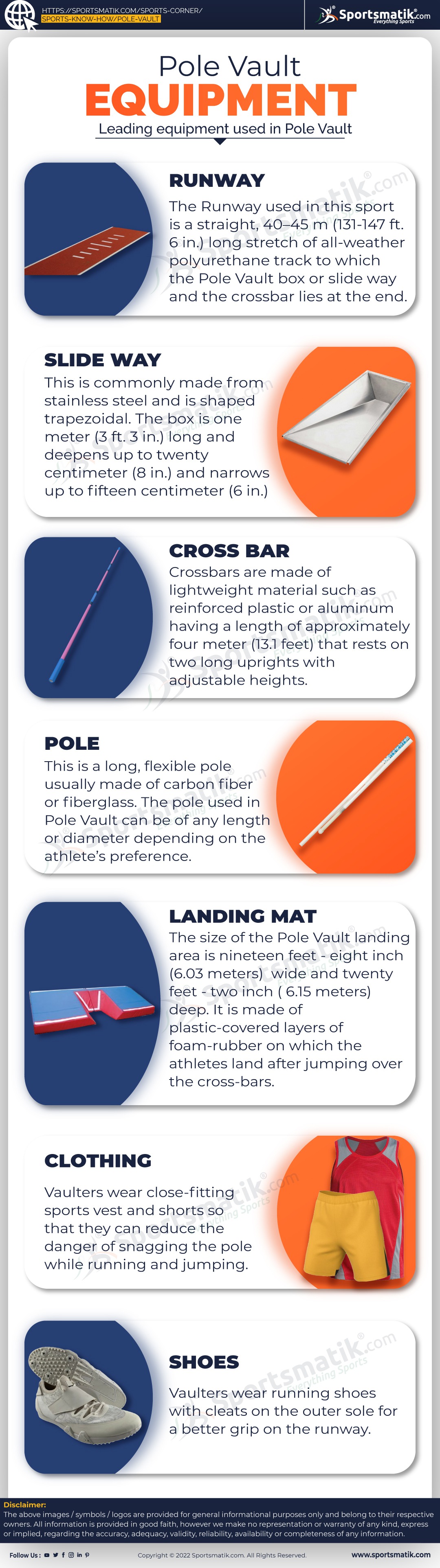
The primary material remains fiberglass, providing the core flexibility and resilience. However, strategically incorporated layers of carbon fiber elevate performance to new heights. Carbon fiber is significantly stronger and stiffer than fiberglass for a given weight. By integrating carbon fiber, manufacturers can create poles that are lighter, yet possess superior stiffness and a more dynamic flex return. The precise blend and layering of these materials are proprietary secrets of different brands, but the general principle involves winding continuous fibers (glass and carbon) around a mandrel, impregnated with a thermosetting resin (like epoxy). This process, known as filament winding, allows for precise control over the pole’s taper, stiffness, and flex characteristics along its length.
The choice of resin is also critical, as it binds the fibers together, protecting them and distributing stress. Modern resins are engineered to be lightweight, durable, and resistant to environmental factors. The result is a highly engineered tubular structure that can withstand immense bending forces, store enormous amounts of energy, and then efficiently transfer that energy back to the athlete for maximum propulsion.
Engineering for Performance: Design, Manufacturing, and Durability
The construction of a modern pole vault pole is a testament to precision engineering. Beyond the raw materials, the design and manufacturing processes are crucial. Poles are not uniformly thick; they are often tapered, meaning their diameter subtly changes along their length. This tapering, combined with varying densities and layering of materials, allows engineers to precisely tune the pole’s “flex rating” – a measure of its stiffness. A lower flex number indicates a stiffer pole, while a higher number signifies a more flexible one. Athletes require a range of poles with different flex ratings to match their weight, speed, and desired height.
Manufacturing involves highly controlled processes. Filament winding machines ensure consistent fiber placement and resin impregnation. After winding, the poles are cured under specific temperature and pressure conditions to set the resin, creating a solid, durable composite. Each pole undergoes rigorous quality control to ensure it meets specifications for weight, length, and most importantly, flex. Any inconsistencies can compromise performance and safety.
The durability of these advanced composite poles is remarkable, but they are not indestructible. Proper care, storage, and handling are essential to prevent damage that could lead to failure. Environmental factors, UV exposure, and impact can degrade the materials over time. Therefore, the engineering extends not just to initial performance but also to ensuring a reasonable lifespan for a piece of equipment that endures extraordinary stress. This sophisticated blend of material science, precise manufacturing, and continuous R&D perfectly encapsulates the “Tech” aspect of the modern pole vault.
The Branding Battleground: Reputations, Innovations, and Market Influence
In the specialized world of pole vaulting, the choice of equipment is paramount, and manufacturers have cultivated strong “Brands” that athletes trust. These brands are not just names; they represent distinct approaches to technology, quality, and performance, engaging in a competitive market driven by innovation, athlete endorsements, and a relentless pursuit of the next record-breaking design.
Leading Manufacturers and Their Distinctive Offerings
The pole vault market is dominated by a handful of established and highly reputable brands, each striving to offer the best performance and build a loyal customer base. Companies like Gill Athletics, UCS Spirit, ESSX, and Altius are titans in this niche industry. Each brand invests heavily in research and development, constantly refining their composite formulas, winding techniques, and overall pole design.
Gill Athletics, for example, is known for a broad range of track and field equipment, with their pole vault poles being a cornerstone of their offerings. They often emphasize durability and a consistent feel across their product lines. UCS Spirit, another major player, is famous for its Spirit poles, which have been used to set numerous world records. They often highlight their precise manufacturing and the consistent flex profiles of their poles, appealing to elite athletes who demand predictable performance. ESSX, a newer but rapidly growing brand, focuses on leveraging cutting-edge carbon fiber technology to produce poles known for their lightweight yet powerful recoil. Altius, while perhaps less globally dominant than the others, also contributes to the market with its own innovations and loyal following.
These brands differentiate themselves not just on raw material composition but also on the nuances of their winding patterns, resin formulations, and even aesthetic finishes. Each manufacturer strives to create a “feel” that resonates with different vaulters, contributing to their unique brand identity and market positioning.
Brand Loyalty and Athlete Endorsements

In a sport where fractions of an inch can mean the difference between victory and defeat, athletes develop incredible sensitivity to their equipment. This often translates into fierce “Brand Loyalty.” Once a vaulter finds a pole that “feels right” and consistently helps them achieve their goals, they are likely to stick with that brand, often even specific models within that brand’s lineup. This loyalty is a powerful asset for manufacturers.
Elite athletes play a crucial role in shaping market perception and driving sales. When a top-tier vaulter, especially an Olympic medalist or world record holder, uses a particular brand of pole, it serves as a powerful endorsement. These athletes are often sponsored by manufacturers, not just for financial support but also to provide valuable feedback on new designs and to act as ambassadors for the brand. Seeing a respected athlete achieve greatness with a specific pole can significantly influence the purchasing decisions of aspiring vaulters, high school programs, and collegiate teams. This dynamic mirrors typical “Brand Strategy” found in other industries, where product performance is tied to visible success and trusted recommendations. The success of a brand is intrinsically linked to its reputation for performance, reliability, and the achievements of the athletes who choose to wield its products.
The Future of Pole Design: Innovation and Competitive Edge
The competitive nature of the pole vault market ensures that “Innovation” remains a key driver for all major brands. The pursuit of marginal gains is constant. Manufacturers are continuously exploring new composite blends, experimenting with different carbon fiber weaves, investigating advanced resins, and refining manufacturing processes.
Future “Tech Trends” in pole design might include the incorporation of even more exotic materials, advanced sensor integration for performance analytics (though this could be an external addition rather than part of the pole itself), or perhaps even bio-inspired designs that mimic natural structures for optimal energy storage and release. The goal is always to create a pole that is lighter, stronger, more durable, and provides a more efficient energy return, without compromising safety. This ongoing innovation isn’t just about athletic achievement; it’s a critical component of a brand’s competitive edge and its ability to maintain or expand its market share. The continuous cycle of research, development, testing, and refinement ensures that the pole vault pole remains at the forefront of sports engineering, driven by the intense rivalry among leading brands.
The Financial Equation: Costs, Investments, and the Business of Pole Vaulting
Beyond the marvel of technology and the prestige of brands, lies the practical reality of “Money.” Pole vault poles are not cheap. Their high cost reflects the sophisticated engineering, advanced materials, and specialized manufacturing processes involved. This makes them a significant financial “Investment” for athletes, schools, and the businesses that produce them, highlighting key aspects of “Business Finance” and “Personal Finance” within the sporting world.
The High Cost of Performance: Why Poles Are Expensive
Understanding the price tag of a pole vault pole requires a look into its production costs. First, the raw materials themselves are expensive. Carbon fiber, a key component in high-performance poles, is a high-tech material with a complex manufacturing process, leading to a premium price. The specialized resins, fiberglass, and other additives also contribute significantly to material costs.
Second, the “Research and Development” (R&D) involved in designing and refining these poles is substantial. Manufacturers invest heavily in materials science research, computational modeling (like Finite Element Analysis, FEA, which falls under “Tech”), prototype testing, and performance analysis. This R&D ensures poles are safe, effective, and continuously improve, but it’s a costly endeavor.
Third, the manufacturing process is highly specialized and labor-intensive. Filament winding machines are precise and expensive equipment. The skilled labor required to operate these machines, manage quality control, and hand-finish poles adds another layer of cost. Each pole is a precision instrument, not a mass-produced commodity.
Finally, brand reputation and market demand also play a role. Premium brands, having established their efficacy and reliability, can command higher prices. The cost of distribution, marketing, and maintaining a sales network also factors into the final retail price. All these elements combined explain why a single high-performance pole can range from several hundred to over a thousand dollars, making them a significant financial outlay.
Investment for Athletes, Programs, and the Sport
For a serious pole vaulter, owning just one pole is rarely sufficient. Athletes typically require a “quiver” of 3-5 poles, sometimes more, with varying lengths and flex ratings to adapt to different conditions, training phases, and target heights. This means the total “Investment” for an individual athlete can easily run into thousands of dollars. For high school or collegiate track and field programs, equipping a team of pole vaulters represents an even greater financial commitment, often requiring budget allocations comparable to other major equipment purchases.
This financial barrier can be a significant hurdle, especially for aspiring athletes from less affluent backgrounds or smaller school districts. However, the investment is seen as necessary because the pole is so integral to performance. A well-matched pole allows an athlete to maximize their speed and technique, directly impacting their ability to clear higher bars. This makes the purchase less of an expense and more of a strategic investment in athletic development and competitive success. In some cases, “Financial Tools” like grants, scholarships, or fundraising can help mitigate these costs for athletes and programs.
The Aftermarket and Longevity: Protecting Your Investment
Given the high cost of pole vault poles, protecting the “Investment” is crucial. Poles are designed to be durable, but they require proper care and maintenance. This includes storing them in protective sleeves, avoiding extreme temperatures, and inspecting them regularly for signs of wear or damage. A damaged pole can be dangerous and could lead to injury.
The lifespan of a pole depends on its usage intensity and how well it’s maintained. Elite athletes might cycle through poles more frequently, especially if they are constantly pushing the limits of their equipment. For others, a well-cared-for pole can last for several seasons. There is also an “aftermarket” for used poles, where athletes can buy or sell equipment, providing a way to recoup some of the initial cost or acquire poles at a lower price point. Understanding the longevity and potential resale value of a pole is part of the broader “Personal Finance” consideration for pole vaulters, treating their equipment as a valuable asset that needs managing. The entire lifecycle of a pole, from its high-tech inception to its ultimate retirement, is underpinned by significant financial considerations, demonstrating the pervasive influence of “Money” within this specialized athletic pursuit.

Conclusion
The pole vault pole is far more than just a piece of sporting equipment; it is a profound illustration of how advanced technology, strategic branding, and significant financial investment converge to shape the landscape of elite athletics. From its humble origins as a bamboo stick, the pole has evolved into a sophisticated composite marvel, leveraging the cutting edge of materials science and engineering to enable human flight.
This journey of innovation is championed by leading brands who not only push technological boundaries but also cultivate trust and loyalty among athletes. Their relentless pursuit of the perfect blend of fiberglass and carbon fiber, combined with precise manufacturing, defines their identity in a highly competitive market. Underlying all of this is the economic reality: the substantial cost of R&D, specialized materials, and manufacturing translates into a significant financial commitment for athletes, teams, and the entire ecosystem of the sport.
Ultimately, the answer to “What is a pole vault pole made of?” is not just a list of materials, but a story of human ingenuity, competitive drive, and economic pragmatism. It is a testament to how “Tech” advancements empower “Brands” to create superior products, all within a framework governed by “Money,” allowing athletes to continually redefine the limits of human potential, one breathtaking vault at a time.
aViewFromTheCave is a participant in the Amazon Services LLC Associates Program, an affiliate advertising program designed to provide a means for sites to earn advertising fees by advertising and linking to Amazon.com. Amazon, the Amazon logo, AmazonSupply, and the AmazonSupply logo are trademarks of Amazon.com, Inc. or its affiliates. As an Amazon Associate we earn affiliate commissions from qualifying purchases.