
In the early days of the smartphone revolution, a 3.5-inch display was considered the gold standard for one-handed usability and portable design. However, as the smartphone transitioned from a communication tool to a primary computing device, the demand for screen real estate skyrocketed. Today, the boundary between “phone” and “tablet” has blurred into a category often referred to as “phablets” or “foldables.” If you are searching for the phone with the largest screen, the answer is no longer a simple measurement of a diagonal line; it is a nuanced exploration of hardware engineering, aspect ratios, and the revolutionary shift toward flexible display technology.
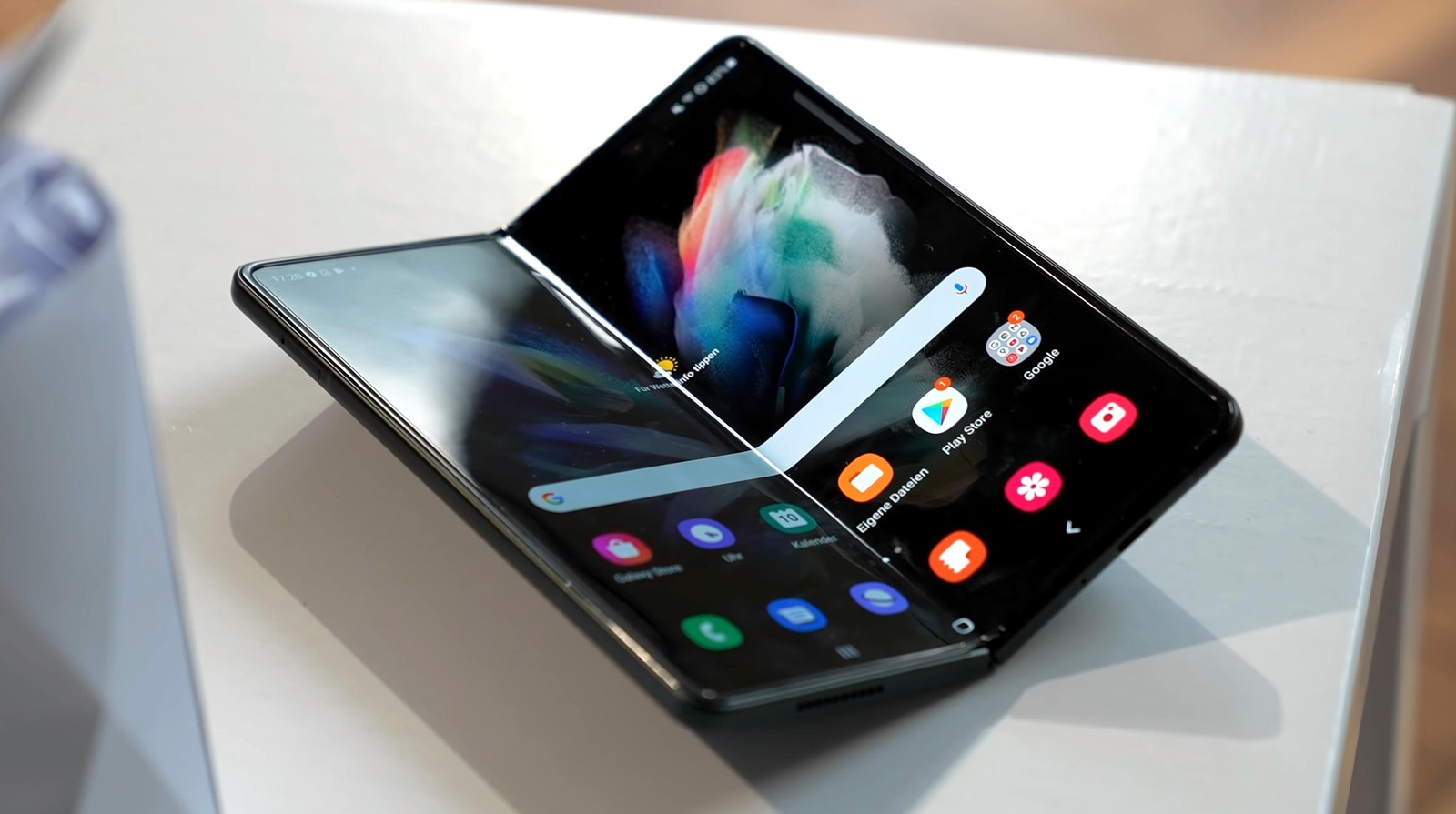
The Evolution of Screen Real Estate: From Phablets to Foldables
The trajectory of smartphone design has been one of constant expansion. For years, manufacturers pushed the limits of the traditional “slab” phone, shrinking bezels and removing home buttons to squeeze as much glass as possible into a frame that could still fit in a pocket. This era culminated in the 6.7 to 6.9-inch giants that dominate the flagship market today. However, the industry hit a physical wall: the human hand.
The Shift from 16:9 to Ultra-Wide Ratios
To increase screen size without making phones impossibly wide, manufacturers moved away from the traditional 16:9 aspect ratio. By adopting 19.5:9, 20:9, or even 21:9 ratios, brands like Sony and Samsung were able to offer larger diagonal measurements—such as 6.8 inches—while keeping the device narrow enough to grip. While these screens are technically “large,” they offer a different kind of utility than older, wider screens, focusing more on vertical scrolling and cinematic video content.
How Foldable Technology Redefined “Large”
The true disruption in screen size arrived with the advent of Ultra-Thin Glass (UTG) and hinge mechanisms. Foldable phones have effectively reset the leaderboard. By allowing a device to fold in half, manufacturers can now offer screens that measure 7.6 to 8.0 inches diagonally when unfolded. These devices represent the current pinnacle of screen size, providing a tablet-like experience that can be folded into a standard smartphone footprint. When asking “what phone has the largest screen,” one must now specify whether they mean a traditional fixed-screen phone or a versatile foldable.
The Current Champions: Smartphones with the Largest Displays
As of 2024, the competition for the largest screen is divided into two distinct categories: the “Slab” kings and the “Foldable” titans. Each category serves a different type of user, from the mobile gamer to the high-level corporate professional.
The King of Conventional Slabs: Samsung Galaxy S24 Ultra
For those who prefer a traditional, non-folding device, the Samsung Galaxy S24 Ultra remains a dominant force. Boasting a 6.8-inch Dynamic AMOLED 2X display, it is often cited as the gold standard for large-screen productivity. What sets this device apart is not just the diagonal measurement, but its boxy, rectangular corners which maximize the actual usable surface area compared to phones with more rounded edges. When combined with the integrated S-Pen, the S24 Ultra uses its massive screen to act as a digital canvas and a mobile workstation.
Breaking the 7-inch Barrier: Gaming Phones and Niche Giants
Outside of the mainstream Apple and Samsung ecosystems, several “gaming phones” have pushed the limits of the slab form factor even further. Devices like the ASUS ROG Phone 8 Pro and the RedMagic 9 Pro feature 6.78 to 6.8-inch displays, but they emphasize a “full-screen” experience by hiding the front-facing camera under the display or placing it in a slim top bezel. This ensures that every millimeter of the screen is dedicated to the visual experience, making them feel larger than mainstream competitors with “notch” or “hole-punch” cutouts.
The Tablet-Phone Hybrids: Samsung Galaxy Z Fold 6 and Google Pixel Fold
If we look strictly at the numbers, the largest screens are found in the foldable market. The Samsung Galaxy Z Fold 6 features a massive 7.6-inch internal display, while the Google Pixel Fold and the OnePlus Open offer similar 7.6 to 7.8-inch canvases. However, the current record-holder for the largest foldable screen in a widely available smartphone is often attributed to the Xiaomi Mix Fold 3 or the vivo X Fold3 Pro, the latter of which features a staggering 8.03-inch internal display. This surpasses many small tablets (like the iPad Mini) while still functioning as a primary cellular device.
Technical Considerations: It’s Not Just About the Diagonal

When evaluating which phone has the “largest” screen, the diagonal measurement in inches can be deceptive. A 7-inch screen with a very narrow aspect ratio actually has less total surface area than a 7-inch screen that is closer to a square shape. Therefore, tech enthusiasts must look deeper into the specifications to understand the quality and utility of that size.
Screen-to-Body Ratio and Bezel Optimization
A phone might have a large screen on paper, but if it is surrounded by thick bezels, the device becomes cumbersome. The most advanced tech today focuses on “Screen-to-Body Ratio.” High-end flagships now reach ratios of over 90%, meaning the front of the phone is almost entirely glass. This engineering feat allows for a larger viewing area without increasing the physical dimensions of the phone’s chassis.
Display Technology: OLED vs. AMOLED vs. LTPO
Size is irrelevant if the quality of the panel is poor. The largest screens on the market almost exclusively use OLED or AMOLED technology. These panels provide “true blacks” by turning off individual pixels, which is essential for preserving battery life on a massive 7 or 8-inch display. Furthermore, LTPO (Low-Temperature Polycrystalline Oxide) technology allows the screen’s refresh rate to scale from 1Hz to 120Hz dynamically. This ensures that a large screen doesn’t drain the battery instantly when viewing static images.
Resolution and Pixel Density (PPI)
As screens get larger, the number of pixels must increase to maintain sharpness. A 6.8-inch screen running at 1080p will look “pixelated” compared to a smaller screen at the same resolution. The best large-screen phones utilize QHD+ (Quad High Definition) resolutions, ensuring a Pixel Per Inch (PPI) count of 450 or higher. This ensures that text remains crisp and images remain lifelike, even on an 8-inch foldable canvas.
The Impact of Large Screens on User Experience and Productivity
Why is the market obsessed with the “largest” screen? The answer lies in the evolving way we interact with digital media. A larger display isn’t just a luxury; for many, it is a tool that fundamentally changes their workflow.
Enhanced Multitasking and Split-Screen Utility
On a standard 6.1-inch smartphone, split-screen multitasking is cramped and difficult to navigate. On a 7.6-inch foldable or a 6.8-inch Ultra-series phone, multitasking becomes a core feature. Users can have a video conference running on the top half of the screen while taking notes or reviewing a spreadsheet on the bottom half. This “desktop-lite” experience is the primary driver for the continued growth of screen sizes.
Mobile Gaming and Immersive Content Consumption
The entertainment industry has pivoted toward mobile-first delivery. For gamers, a larger screen provides better visibility and more room for on-screen controls without obscuring the action. For streaming, the shift toward HDR10+ and Dolby Vision on large mobile screens means that a smartphone can now rival a high-end television in terms of color accuracy and contrast, albeit on a smaller scale. The larger the screen, the more immersive these experiences become.
The Future of Display Size: Rollables and Beyond
As we look toward the future, the question of “what phone has the largest screen” may soon involve devices that don’t just fold, but roll.
The Prototype Stage: Rollable Displays
Companies like LG (before exiting the mobile market), Oppo, and Motorola have demonstrated “rollable” concepts. These devices feature a screen that motorized gears can expand. A phone might start with a 6.5-inch display and, at the touch of a button, roll out to become a 7.4-inch tablet. This technology avoids the “crease” found in foldables and represents the next frontier in the quest for the largest possible display in the smallest possible form factor.

The Ergonomic Limit: How Big is Too Big?
Finally, we must consider the ergonomic limit. There is a point where a phone becomes too heavy to hold for long periods and too wide to fit in a standard pocket. Current trends suggest that the industry is settling around the 6.8-inch mark for slabs and the 8-inch mark for foldables. Any larger, and the device ceases to be a phone and becomes a tablet with a SIM card.
In conclusion, if you are looking for the absolute largest screen available today, the vivo X Fold3 Pro (8.03 inches) and the Samsung Galaxy Z Fold 6 (7.6 inches) lead the foldable pack. If you prefer a traditional design, the Samsung Galaxy S24 Ultra (6.8 inches) remains the titan of the industry. As display technology continues to evolve through rollables and under-display cameras, the “infinite display” is no longer a marketing slogan—it is a reality.
aViewFromTheCave is a participant in the Amazon Services LLC Associates Program, an affiliate advertising program designed to provide a means for sites to earn advertising fees by advertising and linking to Amazon.com. Amazon, the Amazon logo, AmazonSupply, and the AmazonSupply logo are trademarks of Amazon.com, Inc. or its affiliates. As an Amazon Associate we earn affiliate commissions from qualifying purchases.