
Understanding the financial landscape of homeownership involves more than just calculating a mortgage payment and insurance premiums. For many residents, especially those in states like Texas, a significant portion of their annual financial obligation is dictated by a Municipal Utility District (MUD). If you have ever asked, “What MUD district am I in?” you are likely beginning to peel back the layers of your local property tax structure.
From a personal finance and real estate investment perspective, identifying and understanding your MUD is critical. These districts represent a unique form of debt financing that can either enhance your property’s value or create a significant drain on your monthly cash flow. This guide explores the financial mechanics of MUDs, how to locate yours, and the long-term investment implications of living within one.
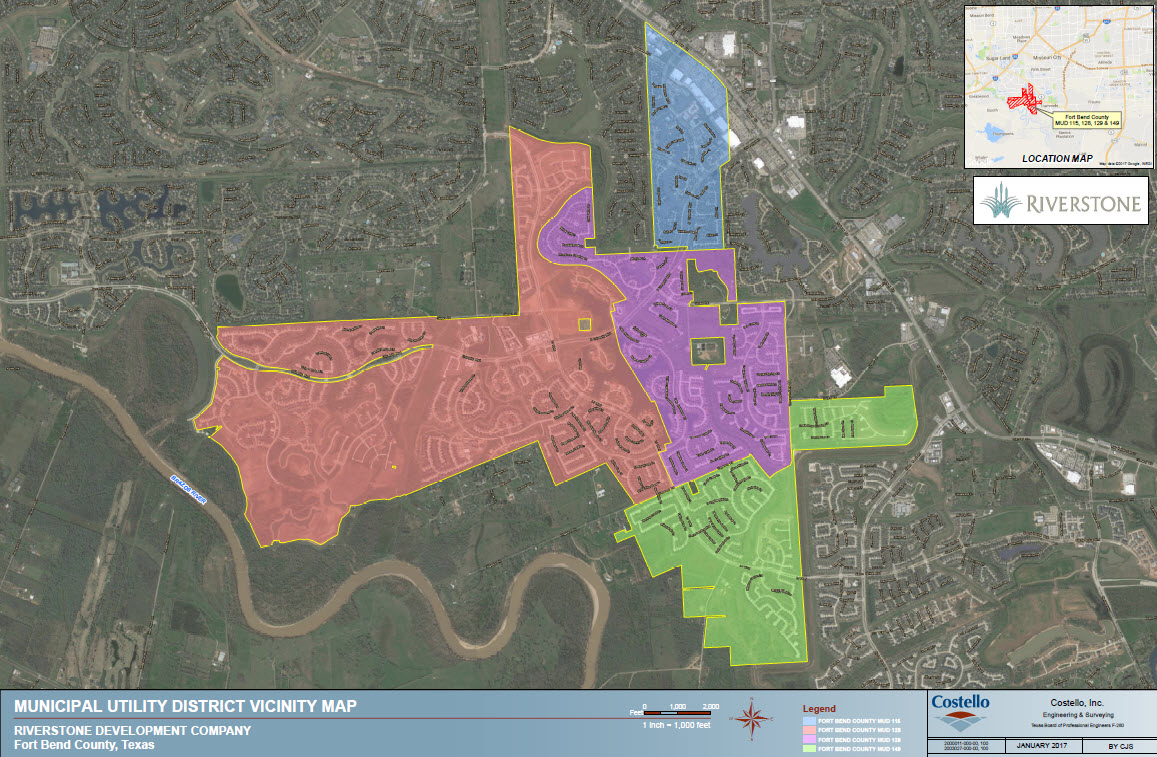
Understanding MUDs as a Financial Mechanism
A Municipal Utility District is a specialized political subdivision designed to provide infrastructure and services to a specific geographic area where city services are not yet available. From a financial standpoint, a MUD is essentially a vehicle for debt. Developers utilize these districts to finance the construction of water lines, sewage treatment plants, drainage systems, and sometimes parks or roads.
Debt Financing for Suburban Infrastructure
When a developer wants to build a new community in an unincorporated area, the cost of installing essential utilities can be astronomical. Rather than the developer bearing these costs upfront (which would drastically increase the initial sales price of the homes), a MUD is formed. The MUD issues tax-exempt bonds to reimburse the developer for the infrastructure costs.
As a homeowner, when you ask which district you belong to, you are essentially asking which entity’s debt you are helping to repay. These bonds are paid back over time through the property taxes collected from the residents within that district. For the investor, this represents a long-term liability that must be factored into the total cost of ownership.
How MUDs Differ from City Taxes
It is a common misconception that MUD taxes are simply an “extra” fee. In reality, they often serve as a substitute for city taxes. If your property is located within a MUD, you are typically outside the city limits and therefore do not pay a city property tax. However, the MUD tax rate is often higher than a standard city tax rate because the district has a smaller “tax base” (fewer people) to share the burden of the infrastructure debt. Understanding this trade-off is vital for accurate budgeting and financial forecasting.
Identifying Your MUD: Tools and Resources
Locating your specific MUD district is the first step in assessing your financial liability. Because these districts are localized, they may not always be clearly labeled on general real estate platforms. However, several financial and governmental resources can provide this data with precision.
Using the TCEQ and Local Tax Appraisal Districts
The most authoritative source for identifying your MUD is often the state environmental or utility commission. In Texas, for instance, the Texas Commission on Environmental Quality (TCEQ) maintains an interactive database of all active water districts.
Alternatively, your county’s Tax Appraisal District (CAD) website is a goldmine for financial transparency. By searching for your property address or account number, you can view a detailed breakdown of every taxing entity that has a claim on your property. This will list the specific MUD number (e.g., “Harris County MUD #123”) and the current tax rate applied to your assessed value.
Reviewing Your Annual Property Tax Bill
If you already own the property, your annual tax statement is the most direct way to identify your district. This document doesn’t just name the district; it provides a historical look at how the tax rate has shifted. For those looking to optimize their personal finances, reviewing these bills over a three-to-five-year period can reveal whether the district is successfully paying down its debt or if rates are climbing due to infrastructure upgrades or mismanagement.
The Monetary Implications of Living in a MUD
Living in a MUD is a double-edged sword for your personal balance sheet. While it allows for the development of modern communities with high-end amenities, the tax implications are significant and can affect your home’s resale value and your overall borrowing power.
Analyzing the MUD Tax Rate vs. Ad Valorem Taxes
MUD taxes are “ad valorem,” meaning they are based on the assessed value of your property. If your home value increases, your MUD tax bill will increase even if the tax rate stays the same. In some high-growth areas, the MUD tax can represent 30% to 50% of the total property tax bill.

When comparing two potential investment properties—one inside a city and one in a MUD—you must look at the “Effective Tax Rate.” A house priced at $400,000 in a MUD with a 1.2% tax rate costs significantly more per month than a $400,000 house in a city with a 0.6% tax rate. Over a 30-year mortgage, this difference can amount to over $70,000 in additional payments.
The Life Cycle of MUD Debt: When Do Taxes Go Down?
The silver lining of a MUD is that it is designed to be temporary—or at least, its heavy debt phase is. As more houses are built in the district, the “tax base” grows. More people contributing to the debt repayment means the tax rate can theoretically decrease over time.
Financial experts often look for “mature” MUDs. These are districts that have already issued most of their bonds and are in the process of paying them off. Investing in a home within a mature MUD can be a savvy financial move, as you may see your tax burden drop significantly as the bonds are retired, leading to an increase in your property’s net value and marketability.
Real Estate Investment Strategies and MUD Districts
For real estate investors, the presence of a MUD can change the entire ROI (Return on Investment) calculation. Whether you are flipping houses or building a rental portfolio, the MUD status of a property impacts your cap rate and your exit strategy.
Evaluating Potential ROI in MUD-Heavy Areas
When calculating the potential cash flow of a rental property, the MUD tax is often a “stealth” expense. Many investors use a standard 2% property tax estimate, but in a new MUD, the total tax rate could easily hit 3.5% or higher. This discrepancy can turn a cash-flow-positive property into a monthly loss.
Savvy investors also consider the “debt-to-value” ratio of the MUD itself. If a district has issued a large amount of debt but the community’s growth has stalled, the remaining homeowners may face skyrocketing tax rates to cover the interest payments. Always research the MUD’s financial health before committing capital.
Disclosure Requirements and Legal Protections for Buyers
In many jurisdictions, there are strict legal requirements regarding MUD disclosures. Sellers are often required to provide a “MUD Disclosure Notice” to the buyer before a contract is signed. This document outlines the tax rate, the total amount of bonded indebtedness, and any standby fees.
From a financial protection standpoint, this disclosure is your best tool. If a seller fails to provide it, the buyer may have the right to rescind the contract or even sue for damages after the closing. As a buyer or investor, ensuring this document is reviewed by your financial advisor or real estate attorney is a non-negotiable step in due diligence.
Long-Term Financial Planning: Preparing for Utility Costs
Beyond the taxes, the physical infrastructure managed by a MUD affects your long-term maintenance costs and the overall liquidity of your real estate assets.
Maintenance Costs and Infrastructure Depreciation
MUDs do more than just collect taxes; they manage the life-sustaining infrastructure of the neighborhood. If a MUD is poorly managed or fails to maintain its facilities, the cost of emergency repairs can lead to “special assessments” or sudden hikes in water and sewer rates.
When planning your long-term finances, you should treat your MUD as a business partner. A well-run MUD with healthy cash reserves ensures that your property remains functional and attractive to future buyers. A MUD with aging infrastructure and no plan for replacement is a financial red flag that could lead to declining property values.

Refinancing and Property Valuation in MUD Zones
When you apply for a mortgage or a refinance, the lender’s appraisal will take your total tax burden into account. High MUD taxes can lower the amount of money a lender is willing to give you because it increases your Debt-to-Income (DTI) ratio.
As the MUD debt decreases and the tax rate drops, homeowners often experience a “valuation pop.” This is a period where the property becomes more affordable to a wider range of buyers, driving up demand and price. Monitoring your MUD’s financial progress allows you to time your refinance or sale to maximize your equity gain.
By asking “What MUD district am I in?” and digging into the financial data behind that answer, you move from being a passive homeowner to a proactive manager of your personal wealth. Whether it is through tax savings, informed investment choices, or long-term budgeting, understanding the MUD system is essential for financial success in the modern real estate market.
aViewFromTheCave is a participant in the Amazon Services LLC Associates Program, an affiliate advertising program designed to provide a means for sites to earn advertising fees by advertising and linking to Amazon.com. Amazon, the Amazon logo, AmazonSupply, and the AmazonSupply logo are trademarks of Amazon.com, Inc. or its affiliates. As an Amazon Associate we earn affiliate commissions from qualifying purchases.