
In the multi-billion dollar beauty industry, a product is rarely just the sum of its physical parts. When a consumer asks, “What is mascara made of?” they are no longer merely seeking a chemical list of waxes and pigments. In the modern marketplace, that question is a probe into a brand’s ethics, its technological sophistication, and its commitment to consumer safety. The formulation of a mascara has evolved from a guarded trade secret into a cornerstone of brand strategy.
Today, the ingredients inside the tube are the narrative. Whether a brand positions itself as a high-performance luxury titan, a “clean beauty” pioneer, or an accessible drugstore staple, the specific chemistry of its mascara serves as the ultimate proof of its brand promise. Understanding what mascara is made of—and how to communicate those components—is essential for any brand looking to secure loyalty in an increasingly scrutinized landscape.
The Shift from Secret Formulas to Radical Transparency
Historically, the cosmetics industry operated behind a veil of proprietary mystery. Formulations were “black boxes,” and marketing focused almost exclusively on the end result: longer, thicker, and darker lashes. However, the digital age has ushered in an era of radical transparency, where “what is inside” is the primary driver of brand equity.
Why Modern Consumers Demand an Ingredient Deep Dive
The contemporary beauty consumer is more educated than ever before. Armed with ingredient-analyzing apps and social media deep-dives, they scrutinize labels for specific polymers, preservatives, and pigments. For a brand, being able to explain exactly what its mascara is made of is no longer a regulatory chore; it is a marketing opportunity. Brands that proactively disclose their sourcing and the science behind their ingredients build a “trust bridge” with their audience. This shift has forced legacy brands to reformulate and newcomers to launch with “clean” credentials from day one.
Breaking the “Black Box” of Traditional Cosmetics
In the past, the term “fragrance” or “proprietary blend” could hide a multitude of stabilizers and synthetic chemicals that modern consumers now avoid. The move toward transparency has seen brands like The Ordinary or Glossier thrive by simplifying their messaging. They don’t just sell a “volumizing” product; they sell a specific wax-to-water emulsion. By breaking the black box, these brands have shifted the power dynamic, making the ingredient list the most important piece of copy on the packaging.
The Anatomy of a Brand: Decoding the Mascara Component Strategy
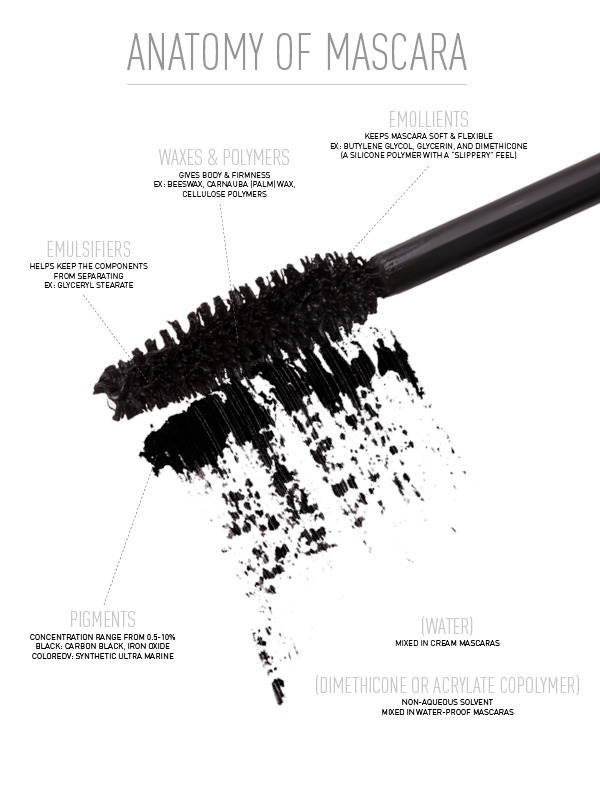
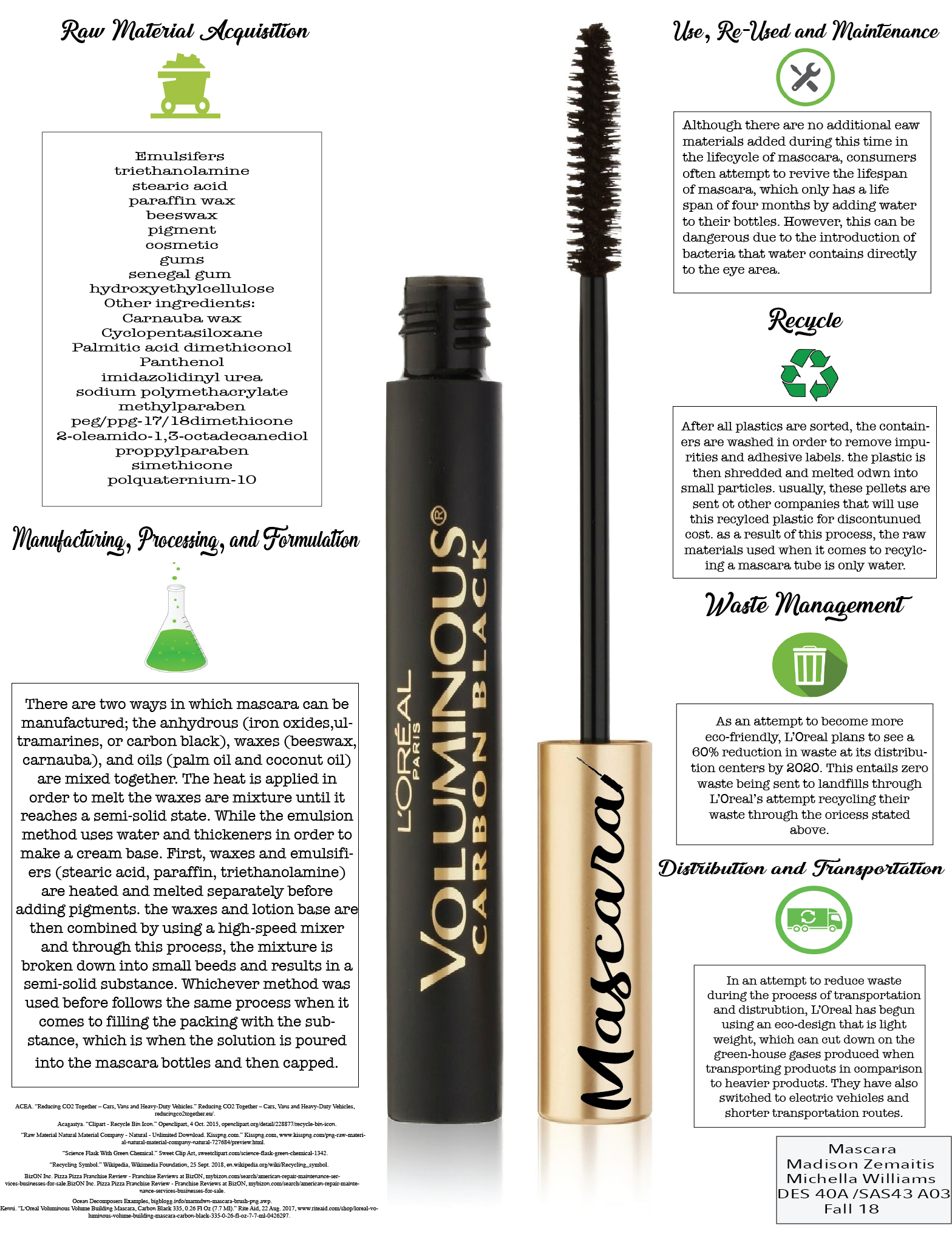
To understand a mascara’s brand identity, one must look at its foundational components. Every mascara is an emulsion of oils, waxes, and water, but the source and quality of these ingredients dictate the brand’s market positioning.
Waxes and Polymers: The Structural Integrity of Luxury
The “scaffold” of any mascara is its wax content. Traditional luxury brands often rely on a blend of beeswax, carnauba wax, and paraffin to create a thick, buildable texture. From a branding perspective, the choice of wax communicates the product’s performance level.
Luxury brands often emphasize “rare” or “high-grade” botanical waxes to justify a premium price point. Conversely, a brand targeting the Gen Z or vegan demographic will strictly avoid beeswax, opting instead for synthetic beeswax or plant-based alternatives like candelilla or rice bran wax. In this context, the wax isn’t just a thickener; it is a declaration of the brand’s ethical stance on animal byproducts.
Pigments and Preservatives: Balancing Safety with Performance
The soul of a mascara is its pigment—usually carbon black or iron oxides. However, the use of carbon black has become a contentious branding issue. While it provides the deepest, darkest “ink” effect, its association with coal tar has led many “clean” brands to pivot exclusively to iron oxides.
A brand’s choice of preservative system—parabens versus phenoxyethanol or natural antimicrobial boosters—is equally telling. A brand that markets itself on longevity and “waterproof” capabilities must use robust synthetic polymers and silicones. While these ingredients are highly effective, they often clash with “all-natural” branding. Thus, the formulation becomes a balancing act between the brand’s performance promises and its ingredient philosophy.
Marketing the “Clean” Label: How Formulations Drive Brand Value
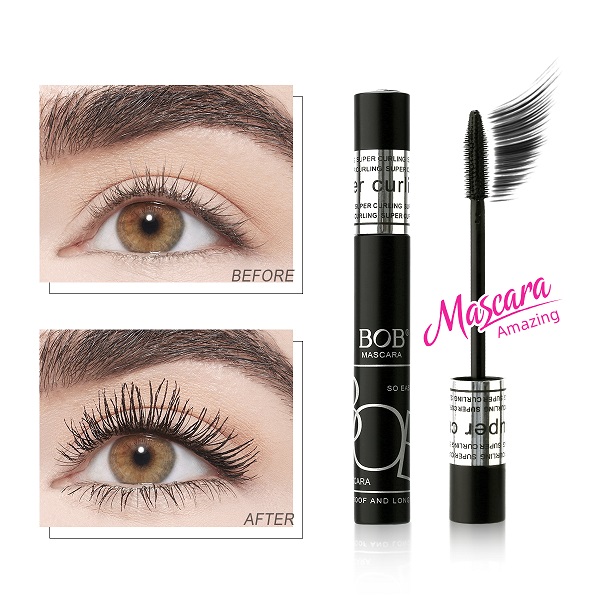
“Clean beauty” is one of the fastest-growing segments in the global economy, and mascara is at the center of this movement. Because mascara is applied so close to the sensitive mucosal membrane of the eye, the “what is it made of” question carries significant weight regarding health and safety.
The Rise of Ethical Sourcing and Sustainability
Beyond the chemical safety of the ingredients, modern branding increasingly focuses on the ethics of the supply chain. For example, many mascaras contain mica for a subtle sheen or certain oils that may be linked to deforestation.
Sustainable brands distinguish themselves by sourcing Fair Trade ingredients and using biodegradable components. When a brand can state that its mascara is made of “sustainably sourced shea butter” or “responsibly harvested beeswax,” it adds a layer of emotional value that transcends the physical product. The ingredient list becomes a story of global responsibility, attracting a consumer base that views their purchase as a vote for a better world.
Navigating the Legal and Perceptual Challenges of “Chemical-Free” Claims
A significant challenge in brand strategy is managing the terminology. Scientifically, nothing is “chemical-free,” yet this phrase is frequently used in marketing. Savvy brands are moving away from fear-based marketing (the “no-no list”) and toward education-based marketing.
Instead of just saying what their mascara doesn’t contain, they are highlighting what it does contain—such as peptides for lash growth or pro-vitamin B5 for conditioning. This transforms the mascara from a simple cosmetic into a “hybrid” product—part makeup, part skincare. This “skinification” of hair and lash care allows brands to command higher price points by offering multi-functional benefits rooted in their ingredient profile.
Case Studies in Ingredient-Led Branding
To see how these principles work in the real world, we can look at the divergent strategies of high-tech synthetic brands versus natural organic brands.
High-Tech Synthetic vs. Natural Organic: A Positioning Battle
Consider a brand like Sephora’s top-selling “high-performance” mascaras. Their branding focuses on “tubing technology”—the use of acrylic copolymers that form tiny tubes around each lash. They don’t hide the synthetic nature of these ingredients; they celebrate it as a technological breakthrough that prevents smudging. Their brand identity is “The Innovator.”
On the other end of the spectrum is a brand like Bite Beauty or ILIA. Their strategy involves highlighting the “superfoods” in their mascara, like sunflower seed oil or avocado oil. They position their ingredients as “food for your lashes.” Both brands might sell a product that performs similarly, but by focusing on different aspects of “what it’s made of,” they occupy entirely different niches in the consumer’s mind.
Personalization and the Future of Custom-Made Mascara
The future of mascara branding lies in personalization, where the “ingredients” are tailored to the individual. We are seeing the rise of AI-driven beauty tech that analyzes a customer’s lash type (thin, short, straight) and creates a bespoke formula.
In this model, the brand strategy moves away from a “one-size-fits-all” hero product and toward a service-based identity. The question “What is my mascara made of?” is answered with a personalized lab report. This level of customization represents the pinnacle of ingredient-led branding, where the consumer is an active participant in the formulation process.
Conclusion: The Ingredient is the Identity
In conclusion, “what mascara is made of” is a question that sits at the intersection of chemistry, ethics, and marketing. For a brand to succeed in the modern era, it must treat its ingredient list as its most potent brand asset. The waxes, pigments, and polymers are the building blocks of the product, but the transparency, sourcing, and storytelling behind those ingredients are what build the brand.
As the industry continues to evolve, the brands that thrive will be those that view their formulations not just as a recipe for a product, but as a manifesto for their values. Whether through the lens of high-tech innovation or earth-first sustainability, the components inside the tube will continue to be the most honest reflection of a brand’s identity. In the world of beauty, the formula is the brand, and the brand is the formula.
aViewFromTheCave is a participant in the Amazon Services LLC Associates Program, an affiliate advertising program designed to provide a means for sites to earn advertising fees by advertising and linking to Amazon.com. Amazon, the Amazon logo, AmazonSupply, and the AmazonSupply logo are trademarks of Amazon.com, Inc. or its affiliates. As an Amazon Associate we earn affiliate commissions from qualifying purchases.