
In an increasingly digital world where interactions often lack a physical handshake, the need for trust and verified authenticity remains paramount. A notary certificate stands as a cornerstone in this edifice of trust, serving as a legally binding testament to the veracity of signatures and the willingness of signers. Far from being a mere stamp on a document, it is a critical component that underpins countless legal, financial, and personal transactions, ensuring integrity and deterring fraud. As we navigate an era defined by rapid technological advancements, evolving brand landscapes, and complex financial systems, understanding the fundamental role and modern applications of a notary certificate becomes more crucial than ever. This article delves into its core definition, its indispensable purpose, and how its function is being reshaped and enhanced by technology, influencing brand reputation, and impacting financial security in the 21st century.

The Fundamental Role of a Notary Certificate
At its heart, a notary certificate is a declaration by a duly commissioned public official – a Notary Public – that a specific notarial act has taken place. This act typically involves verifying identities, witnessing signatures, and administering oaths or affirmations. The certificate, usually appended to or included within a document, provides official proof that these critical steps were performed correctly, thereby lending legal weight and credibility to the document itself.
Demystifying the Notary Certificate: Definition and Core Components
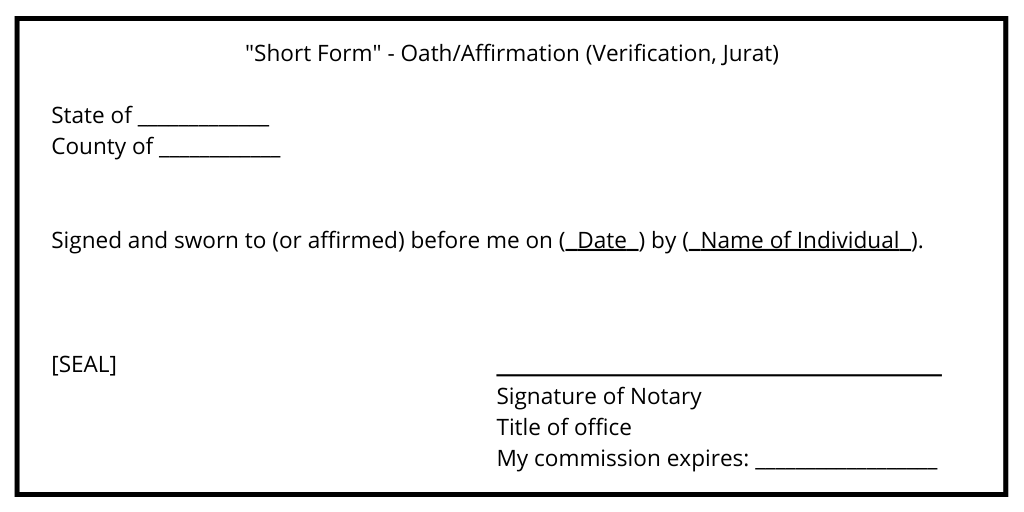
A notary certificate is a written statement, signed and sealed by a Notary Public, attesting to the specifics of a notarial act. It’s not the document being notarized, but rather an attachment or endorsement on that document that records the notary’s actions. Its purpose is to legally certify that a specific person appeared before the notary, was identified, and executed a document or swore to an oath.
The core components of a typical notary certificate are surprisingly consistent across jurisdictions, though specific wording may vary. These usually include:
- Venue: The state and county where the notarial act took place. This establishes the notary’s jurisdiction.
- Date: The exact date the notarial act was performed.
- Signer’s Name(s): The name(s) of the individual(s) whose signature(s) were notarized.
- Notary’s Statement: A declaration by the notary describing the specific act performed (e.g., “acknowledged before me,” “sworn to and subscribed before me”).
- Notary’s Signature: The official handwritten or digital signature of the Notary Public.
- Notary Seal/Stamp: An embossed or inked impression containing the notary’s name, commission number, expiration date, and jurisdiction. This is the official mark of the notary’s office.
- Commission Expiration Date: The date when the notary’s commission expires, affirming their current authority.
Without these elements, a notarization may be deemed invalid, rendering the underlying document potentially unenforceable. This meticulous attention to detail is what gives the certificate its formidable legal power.
Why Authenticity Matters: The Purpose and Power of Notarization
The primary purpose of a notary certificate is to prevent fraud and coercion. By requiring individuals to appear before an impartial third party – the Notary Public – and verify their identity, the certificate minimizes the risk of forged signatures, impersonation, or individuals being forced to sign documents against their will. This authentication process is vital for numerous transactions, including:
- Legal Documents: Affidavits, powers of attorney, wills, trusts, and court documents.
- Real Estate Transactions: Deeds, mortgages, liens, and lease agreements.
- Financial Documents: Loan agreements, promissory notes, and certain investment forms.
- Business Contracts: Partnership agreements, corporate resolutions, and vendor contracts.
- Personal Documents: Travel consent forms for minors, vehicle title transfers, and certain medical directives.
In each of these scenarios, the notary certificate acts as an independent verification of the signer’s identity and intent, thereby bolstering the legal validity and trustworthiness of the document. It effectively transforms a private agreement into a publicly verifiable act, lending an undeniable layer of security and assurance. This mechanism is crucial for legal systems worldwide, providing a consistent, verifiable standard for document authenticity that would otherwise be difficult to achieve.
Notarization in the Digital Age: Leveraging Tech for Trust
The march of technology has inevitably reshaped almost every industry, and the historically paper-bound world of notarization is no exception. While the core principles of identity verification and intent remain unchanged, the methods by which a Notary Public performs their duties and issues a notary certificate have undergone a significant transformation, embracing digital solutions to enhance efficiency, accessibility, and security.
Remote Online Notarization (RON): A Technological Leap
One of the most significant advancements has been the rise of Remote Online Notarization (RON). Enabled by state laws and sophisticated technology platforms, RON allows a notary and a signer to complete a notarial act via live, two-way audio-visual communication over the internet. This eliminates the need for physical presence, offering unparalleled convenience and accessibility.
The notary certificate issued for a RON transaction is inherently digital. It includes:
- Electronic Signature: The notary applies their digital signature, which is legally binding and unique.
- Digital Seal: An electronic representation of the notary’s physical seal, often integrated directly into the document.
- Tamper-Evident Technology: The digital certificate is secured using cryptographic technology, making any subsequent alteration to the document detectable.
- Audit Trail: The RON platform creates an immutable record of the entire notarization process, including the audio-visual recording, identity verification steps, and transaction data.
This technological leap directly addresses productivity concerns, allowing for rapid notarizations from anywhere with an internet connection. For businesses, this translates into faster deal closures, reduced travel costs, and streamlined workflows. For individuals, it means greater convenience, especially for those in remote areas or with mobility challenges.
Digital Security and Verification: Guarding Against Fraud
The move to digital notarization necessitates robust digital security measures. The technology category is critical here, as the integrity of a digital notary certificate hinges on the strength of its underlying security protocols.
- Identity Proofing: RON platforms employ advanced identity verification techniques, often utilizing Knowledge-Based Authentication (KBA) questions (questions only the signer should know based on their credit history) and credential analysis (scanning and verifying government-issued IDs for authenticity). Some platforms even incorporate biometric analysis and facial recognition tools, leveraging AI to match the live video feed with the ID presented.
- Tamper-Evident Technology: As mentioned, digital signatures and seals are embedded with cryptographic keys that create a “digital fingerprint” for the document. If any part of the document is altered after notarization, the digital certificate indicates that it has been tampered with, rendering it invalid. This is a significant security enhancement over traditional paper certificates, which can be more susceptible to physical alteration.
- Secure Platforms and Cloud Storage: RON transactions occur on highly secure, encrypted platforms designed to protect sensitive personal and financial data. These platforms often meet stringent compliance standards, offering secure cloud storage for the notarial journal and audio-visual recordings, ensuring data integrity and accessibility for legal purposes.
- Blockchain Potential: While not yet universally adopted for notarization, blockchain technology holds immense promise for the future. Its decentralized, immutable ledger system could provide an unparalleled level of security and transparency for digital notary certificates, creating an unalterable record of notarial acts that is resistant to fraud and accessible globally.
The integration of these digital security measures not only replicates but often surpasses the security offered by traditional notarization, providing a stronger bulwark against fraud in the digital realm.
Streamlining Productivity: Apps, Software, and Digital Workflows
Beyond RON, technology offers a plethora of tools that enhance the overall productivity and efficiency of notaries and those who utilize their services.
- Notary Management Software: These applications help notaries track appointments, manage their commission details, maintain electronic journals, and generate invoices. They streamline administrative tasks, allowing notaries to focus more on the notarial act itself.
- Document Management Systems: For businesses, integration with document management systems (DMS) allows for seamless digital submission of documents for notarization and automatic archiving of the notarized copies. This eliminates paper trails, reduces storage costs, and improves retrieval times, aligning with broader digital transformation strategies.
- API Integrations: Many RON platforms offer API (Application Programming Interface) integrations, allowing businesses to embed notarization services directly into their existing software applications or workflows. This means a user can initiate and complete a notarization without ever leaving the business’s proprietary platform, creating a smooth and efficient user experience.
- Digital Security Tools: While mentioned above for security, these tools also contribute to productivity by automating the verification process, reducing manual checks, and speeding up transaction times. Automated ID verification, for instance, can quickly process documents, freeing up notaries for more complex interactions.
By leveraging these technological advancements, the notary certificate is not just surviving in the digital age but thriving, becoming an even more accessible, secure, and efficient instrument for establishing trust.

Building Trust and Value: Notary Certificates in Brand and Business
In the competitive landscape of modern business, trust is an invaluable currency. A strong brand identity is built upon consistent reliability, transparency, and a commitment to ethical practices. Notary certificates, by their very nature, are instruments of trust and verification, and their utilization or provision of notary services significantly impacts both personal and corporate branding, as well as broader marketing and reputation management strategies.
Personal Branding for Notaries: Cultivating Professionalism and Reputation
For an individual Notary Public, their professional reputation is their brand. Every notarial act, culminating in the issuance of a notary certificate, reflects on their integrity and meticulousness. A notary’s personal brand is built on:
- Accuracy and Compliance: Consistently adhering to legal requirements and ethical standards in performing notarial acts. An incorrectly issued certificate can damage reputation and lead to legal repercussions.
- Professional Demeanor: Providing prompt, courteous, and knowledgeable service, whether in-person or via a RON platform.
- Reliability: Being available and responsive to client needs, which is especially enhanced by the flexibility offered by RON.
- Specialization: Notaries who specialize in areas like real estate, loan signings, or international documents can build a niche brand that attracts specific clientele.
- Digital Presence: For RON notaries, having a professional online profile, a well-designed website, or active engagement on relevant platforms contributes significantly to their personal brand and market reach.
By consistently delivering accurate and professional services, a notary cultivates a strong personal brand, leading to repeat business, referrals, and a positive reputation within their community and industry. The notary certificate they issue becomes a tangible symbol of their commitment to these values.
Corporate Identity and Legal Compliance: The Business Imperative
For corporations and businesses, the use and recognition of notary certificates are deeply intertwined with their corporate identity, legal compliance, and overall brand integrity.
- Legal Validation: Businesses regularly deal with contracts, legal agreements, and corporate resolutions that require notarization. Ensuring these documents are properly notarized, with valid certificates, is critical for legal enforceability and protects the company from disputes and liabilities. This adherence to legal standards reinforces the brand as responsible and compliant.
- Trust and Credibility: When a business uses notarized documents in its transactions – whether with customers, partners, or investors – it signals a commitment to transparency and legal soundness. For instance, a bank offering notarized loan documents projects an image of security and trustworthiness, vital components of its brand.
- International Transactions: For businesses operating globally, notarized and often apostilled documents are essential for international legal recognition. This facilitates cross-border commerce and strengthens the company’s international corporate identity.
- Risk Mitigation: Properly notarized documents, backed by a valid certificate, serve as robust evidence in potential legal disputes. This mitigates operational risks and safeguards the company’s assets and reputation.
- Efficiency in Digital Workflows: Companies embracing digital notarization solutions (RON) demonstrate a forward-thinking corporate identity. They are seen as efficient, tech-savvy, and committed to leveraging modern tools for streamlined operations, which can be a significant differentiator in a competitive market.
Marketing Notary Services: Reaching the Modern Client
Effective marketing is crucial for notaries to connect with clients, especially in a world where convenience is king.
- Digital Marketing: Notaries, particularly those offering RON, can leverage digital marketing strategies. This includes search engine optimization (SEO) for “notary near me” or “online notary services,” social media marketing to reach local communities or specific industries, and online directories.
- Targeted Outreach: Notaries can market their services to specific sectors that frequently require notarization, such as real estate agencies, law firms, financial institutions, and auto dealerships. Building relationships with these entities creates steady business streams.
- Highlighting Convenience and Security: Marketing efforts should emphasize the benefits of modern notarization – particularly RON. Highlighting aspects like “notarize from home,” “secure digital notarization,” and “fast turnaround times” appeals to today’s time-conscious and digitally-native clientele.
- Transparency in Pricing: Clearly communicating fees and service offerings contributes to a transparent brand image and builds trust with potential clients.
By effectively integrating notary services into their brand strategy and marketing efforts, both individual notaries and the businesses that rely on their services can enhance their reputation, build greater trust, and ultimately create more value for their stakeholders.
The Financial Implications of Notarization: Securing Your Assets and Income
The financial world, with its complex transactions, significant investments, and critical legal documents, is profoundly reliant on the integrity and security provided by a notary certificate. From safeguarding personal wealth to facilitating business operations and even offering avenues for income generation, notarization has tangible monetary impacts. Understanding these financial dimensions is essential for individuals, entrepreneurs, and corporations alike.
Notarization as a Business Model: Side Hustles and Full-Time Careers
Becoming a Notary Public presents a viable opportunity for individuals seeking to generate income, either as a supplemental side hustle or a full-fledged entrepreneurial venture.
- Low Barrier to Entry: The initial investment for becoming a notary (application fees, bond, supplies) is relatively modest compared to many other small businesses, making it accessible.
- Flexible Work: Notary services can be offered on a flexible schedule, catering to client availability, which is ideal for a side hustle.
- Remote Online Notary (RON) Income: The advent of RON has significantly expanded the earning potential for notaries. RON notaries can serve clients across their state, or even across the country (depending on state regulations and the location of the signer), exponentially increasing their reach and potential income. This is a direct example of how technology (Apps, platforms) facilitates online income.
- Specialization for Higher Fees: Notaries who specialize in high-demand areas like loan signings (for mortgages and refinancing) often command higher fees due to the complexity and time-sensitive nature of these transactions. This allows them to build a profitable niche.
- Value-Added Services: Notaries can expand their income by offering complementary services such as mobile notary travel fees, apostille services (for international documents), or even general administrative support, turning their notary commission into a broader financial service offering.
This aspect highlights how a notary certificate, in its creation, directly underpins a legitimate business model, enabling individuals to leverage their official capacity for financial gain.
Protecting Your Investments: From Real Estate to Business Contracts
Notary certificates play a crucial role in protecting significant financial assets and investments, acting as a safeguard against fraud and ensuring legal enforceability.
- Real Estate Investments: The largest financial transactions for most individuals involve real estate. Deeds, mortgages, and lien documents all require notarization to be legally valid and recordable. The notary certificate on these documents ensures that the transfer of property is legitimate and that the correct parties are involved, thereby protecting the buyer’s investment and the lender’s security. Without proper notarization, the financial implications could be disastrous, leading to disputed ownership or invalid loans.
- Business Contracts: In the realm of business finance, contracts often represent substantial financial commitments, partnerships, or agreements to exchange goods and services. Notarized business contracts provide an indisputable record of the parties’ intent and agreement, offering legal recourse and financial protection in case of a breach. This includes investment agreements, merger and acquisition documents, and supplier contracts, where the financial stakes are often enormous.
- Estate Planning and Inheritance: Wills, trusts, and powers of attorney are critical documents for managing and transferring wealth. Notarization ensures their authenticity and proper execution, preventing disputes among beneficiaries and safeguarding the financial legacies intended by the deceased. Invalidly executed documents can lead to lengthy and costly legal battles, eroding the value of an estate.
- Financial Tools and Services: Many financial institutions, for compliance and security reasons, require notarized signatures for certain account openings, transfers of ownership, or loan applications. The notary certificate is integral to the secure functioning of these financial tools, ensuring that transactions are authorized and legitimate.
By providing a verifiable layer of authenticity, notary certificates directly mitigate financial risk, protect assets, and ensure the smooth and secure execution of high-value transactions.
Cost-Effectiveness and Financial Tools in the Notary Process
The process of notarization, particularly in its modern digital form, also has significant implications for cost-effectiveness and the utilization of financial tools.
- Reduced Costs for Businesses: With RON, businesses can significantly reduce operational costs. Eliminating the need for travel, courier services, and physical document storage translates into direct savings. Faster notarization times also mean quicker transaction closures, which can accelerate revenue recognition and improve cash flow.
- Financial Tools for Notaries: Notaries, acting as small business owners, utilize various financial tools. Payment processing apps (e.g., Square, PayPal) facilitate easy and secure collection of fees. Budgeting software helps manage income and expenses, while invoicing tools streamline client billing. For RON notaries, the platforms themselves often integrate payment functionalities.
- Value of Time Savings: While not always directly quantifiable in dollars, the time saved through efficient notarization (especially RON) has a significant financial value. For a high-level executive, saving an hour by notarizing remotely can be far more valuable than the notary fee itself. This productivity gain allows individuals and businesses to focus on core revenue-generating activities.
- Prevention of Fraud as Cost Savings: The ultimate financial value of a notary certificate lies in its ability to prevent fraud. The costs associated with litigation, financial losses, and reputational damage from fraudulent documents far outweigh the modest fee for notarization. By providing a low-cost, high-impact fraud deterrent, notarization acts as a sound financial investment.
In essence, the notary certificate is not just a legal formality but a vital component in the financial ecosystem. It protects wealth, underpins business solvency, offers income opportunities, and champions efficiency, making it an indispensable tool for securing our assets and navigating the complexities of modern finance.
The notary certificate, once primarily a physical stamp on paper, has evolved into a dynamic instrument of trust in the digital age. Its foundational purpose – to prevent fraud and authenticate signatures – remains as crucial as ever, but its execution has been profoundly transformed by technology. Remote Online Notarization exemplifies how innovation can enhance accessibility, security, and productivity, aligning with the demands of our fast-paced world. Moreover, the notary certificate is deeply woven into the fabric of brand reputation and financial security. It underpins personal and corporate integrity, secures valuable assets from real estate to business contracts, and even provides a viable pathway for individuals to generate income. As technology continues to advance and the global economy becomes ever more interconnected, the notary certificate, in its adaptable form, will undoubtedly remain a cornerstone of trust, ensuring clarity, security, and legal validity in our increasingly digital and complex interactions.
aViewFromTheCave is a participant in the Amazon Services LLC Associates Program, an affiliate advertising program designed to provide a means for sites to earn advertising fees by advertising and linking to Amazon.com. Amazon, the Amazon logo, AmazonSupply, and the AmazonSupply logo are trademarks of Amazon.com, Inc. or its affiliates. As an Amazon Associate we earn affiliate commissions from qualifying purchases.