
In an increasingly interconnected world, where digital interactions form the backbone of our daily lives, the concept of security has evolved dramatically. Every click, every transaction, every piece of shared information traverses complex networks, making the integrity and privacy of these digital pathways paramount. At the heart of protecting these networks lies a fundamental concept: the network security code. Far from being a single, simple entity, a “network security code” is a comprehensive term that encompasses a broad spectrum of mechanisms, protocols, credentials, and configurations designed to safeguard digital assets, control access, and ensure the confidentiality, integrity, and availability of network resources.
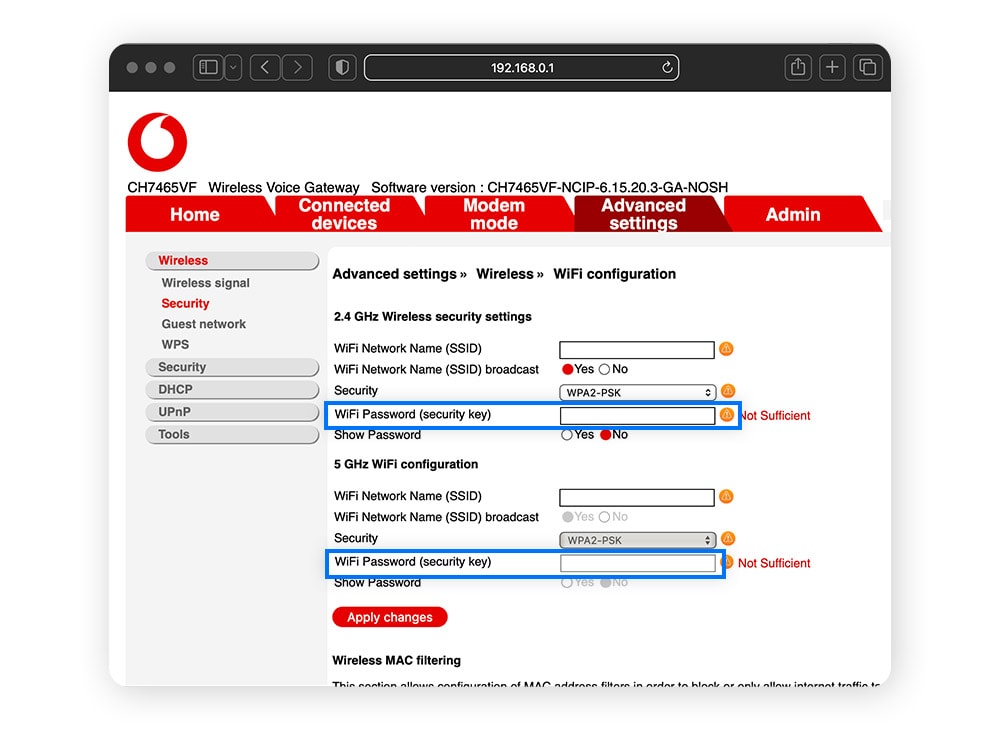
The need for robust network security has never been more urgent. With cyber threats becoming increasingly sophisticated – from advanced phishing attacks and ransomware to complex state-sponsored espionage and data breaches – understanding what constitutes a network security code and how it functions is crucial for individuals, businesses, and governments alike. This article delves into the multi-faceted nature of network security codes, exploring their various forms, their critical role in our digital infrastructure, and their profound impact on technology, brand reputation, and financial stability.
Unpacking the “Network Security Code”: Core Concepts
To truly grasp the essence of a network security code, we must first dissect its primary components. These are the fundamental building blocks that users interact with daily and that underpin the secure operation of networks.
Passwords and Passphrases: The First Line of Defense
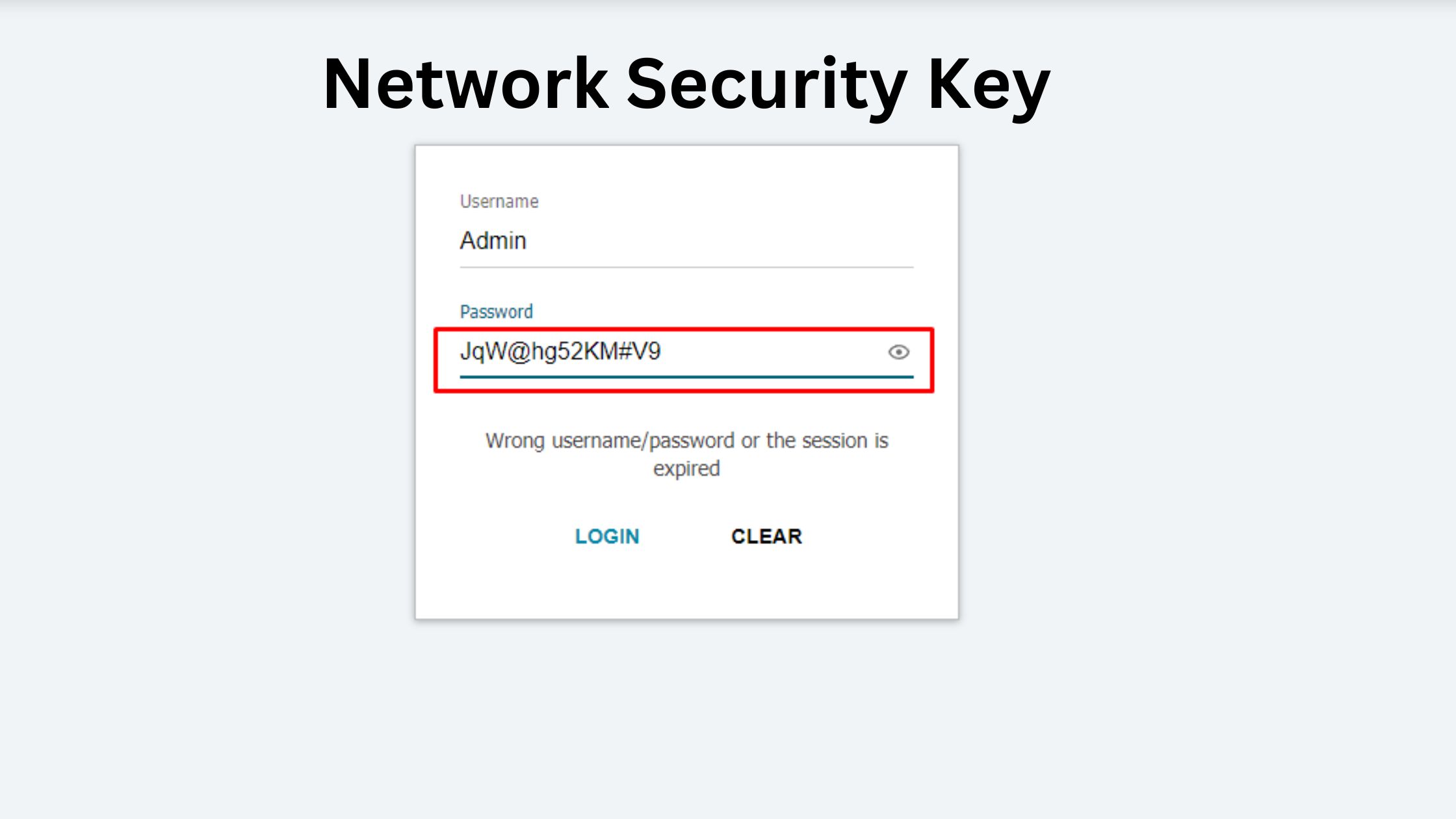
Perhaps the most common and recognizable form of a network security code is the password or passphrase. These are secret strings of characters, known only to authorized users, that serve as primary authentication credentials. When you log into your email, online banking, social media, or a company network, you are typically using a password to prove your identity. The strength of this “code” directly correlates with its effectiveness; weak, predictable passwords (e.g., “123456”, “password”) are easily compromised through brute-force attacks, dictionary attacks, or common password spraying techniques. Conversely, strong passwords – long, unique combinations of uppercase and lowercase letters, numbers, and symbols – significantly raise the bar for attackers. Passphrases, which are longer sequences of words, offer even greater complexity and memorability, making them an excellent choice for robust security. While seemingly simple, the correct use and management of passwords remain a cornerstone of basic network security.
Encryption Keys: Safeguarding Data in Transit and at Rest
Beyond simply controlling access, network security codes are vital for protecting the data itself. This is where encryption keys come into play. An encryption key is a cryptographic parameter that, in conjunction with an algorithm, transforms readable data (plaintext) into an unreadable format (ciphertext) and vice versa. There are two main types: symmetric keys, where the same key is used for both encryption and decryption (e.g., AES for securing Wi-Fi with WPA2/WPA3); and asymmetric (or public-key) keys, which involve a pair of mathematically linked keys – a public key for encryption and a private key for decryption (e.g., SSL/TLS for secure web browsing, VPNs). These keys are, in essence, highly complex digital “codes” that scramble and unscramble information, ensuring that even if intercepted, data remains unintelligible to unauthorized parties. The integrity and proper management of these keys are paramount, as their compromise can render all encrypted data vulnerable, highlighting their critical role as sophisticated network security codes.
Multi-Factor Authentication (MFA) and One-Time Passwords (OTPs)
In an era where passwords alone are increasingly insufficient, multi-factor authentication (MFA) has emerged as a crucial enhancement to network security. MFA requires users to provide two or more verification factors from different categories to gain access. These factors typically fall into three categories: something you know (like a password), something you have (like a smartphone or hardware token), and something you are (like a fingerprint or facial scan). One-time passwords (OTPs) are a common component of MFA. An OTP is a password that is valid for only one login session or transaction, typically for a very short period. These “codes” are often generated by authenticator apps (e.g., Google Authenticator, Authy), sent via SMS to a registered phone number, or produced by a hardware token. By combining a password with an OTP, MFA significantly reduces the risk of account compromise, even if an attacker manages to steal a user’s password. The dynamic and ephemeral nature of OTPs makes them highly effective network security codes, adding an essential layer of defense.
Beyond Credentials: The Broader Landscape of Network Security Codes
While passwords, encryption keys, and MFA codes are direct authentication and data protection mechanisms, the concept of a “network security code” extends further to encompass the underlying configurations and programmed logic that dictate how a network behaves securely. These are the “rules of the road” enforced by various systems.
Firewall Rules and Access Control Lists (ACLs)
Network security isn’t just about individual user access; it’s also about controlling the flow of traffic across the entire network. Firewall rules and Access Control Lists (ACLs) are foundational “codes” in this regard. These are explicit sets of instructions or policies programmed into network devices (like firewalls, routers, and switches) that specify which types of network traffic are permitted or denied based on criteria such as source/destination IP addresses, port numbers, protocols, and application types. A firewall rule might, for instance, be “deny all incoming connections to port 22 (SSH) from outside the corporate network” or “allow all outgoing HTTP traffic to trusted websites.” ACLs perform similar functions, meticulously filtering packets and enforcing network segmentation. While not credentials, these rules are indeed carefully crafted “codes” that define and enforce the boundaries of network security, acting as digital gatekeepers.
Digital Certificates and PKI (Public Key Infrastructure)
Establishing trust in the digital realm is incredibly complex. How can you be sure that the website you’re visiting is legitimate, or that the software you’re downloading hasn’t been tampered with? This is where digital certificates and Public Key Infrastructure (PKI) become essential. A digital certificate is an electronic document used to prove the ownership of a public key. It contains cryptographic information, including the public key itself, identification information about the owner (e.g., a website’s domain name, an individual’s name), and a digital signature from a trusted Certificate Authority (CA) that vouches for the certificate’s authenticity. The “code” within these certificates enables secure communication (e.g., HTTPS), verifies software publishers, and authenticates users in enterprise environments. PKI is the entire system that manages these certificates, including their creation, storage, distribution, and revocation. Together, they form a sophisticated set of “codes” and protocols that build trust and ensure secure, authenticated interactions across global networks.
Security Software Configurations and Policies
Modern networks are protected by a suite of specialized security software, each with its own intricate configurations and policies. These configurations are highly specific “codes” that dictate the behavior of security systems, defining how they identify, prevent, and respond to threats. This includes, for example:
- Intrusion Detection/Prevention Systems (IDS/IPS): Configured with specific signature-based rules or behavioral analysis models to detect and block malicious network activity.
- Anti-malware/Antivirus Software: Programmed with definitions and heuristic rules to identify and quarantine malicious code.
- Virtual Private Networks (VPNs): Their secure operation relies on configured shared secrets, digital certificates, and specific encryption protocols to establish secure tunnels.
- Security Information and Event Management (SIEM) systems: Configured with correlation rules to identify suspicious patterns across vast amounts of log data.
These configurations are, in essence, highly specialized “network security codes” that automate threat protection and policy enforcement across an organization’s digital infrastructure.
Why Network Security Codes Matter: Impact on Tech, Brand, and Money
The collective effectiveness of these network security codes extends far beyond mere technical implementation; it has profound implications for every facet of our digital existence, touching upon technology, brand reputation, and financial stability.

Protecting Your Digital Life and Data (Tech Perspective)
From a purely technological standpoint, robust network security codes are the bulwark against the myriad of cyber threats that loom large. Strong passwords and MFA prevent unauthorized account access, safeguarding personal and sensitive data from identity theft, fraud, and privacy violations. Encryption keys ensure that critical information – whether personal communications, financial transactions, or proprietary corporate data – remains confidential and impervious to eavesdropping as it traverses networks or rests in storage. Firewall rules and security software protect systems from malware infections, denial-of-service attacks, and unauthorized intrusions, ensuring the integrity and availability of services. Without these codes, our digital lives would be chaotic and vulnerable, undermining trust in technology itself and hindering innovation. They are the essential guardrails that allow digital systems to function reliably and securely.
Safeguarding Reputation and Trust (Brand Perspective)
For businesses and organizations, network security is inextricably linked to brand reputation and trust. In today’s hyper-connected world, a data breach or security incident can rapidly escalate into a major crisis, damaging a brand’s standing, eroding customer confidence, and impacting its market value. When network security codes fail – whether due to weak passwords, unpatched vulnerabilities, or compromised encryption keys – the consequences can be catastrophic. Customers are less likely to trust a brand that has demonstrated an inability to protect their data, leading to a loss of business and a tarnished corporate identity. The negative publicity, regulatory scrutiny, and long-term brand rehabilitation efforts following a significant breach can be far more costly and enduring than the direct financial losses. Therefore, investing in and diligently managing network security codes is not just a technical requirement; it’s a strategic imperative for brand preservation and building lasting customer loyalty.
Mitigating Financial Risks and Ensuring Business Continuity (Money Perspective)
The financial repercussions of inadequate network security are staggering, making “network security codes” a critical consideration for financial health. Direct financial losses can arise from various avenues:
- Fraud: Compromised accounts leading to unauthorized transactions.
- Ransomware: Extortion payments demanded to regain access to encrypted data.
- Intellectual Property Theft: Loss of valuable trade secrets or patented designs.
- Regulatory Fines: Penalties imposed by data protection regulations (e.g., GDPR, CCPA) for mishandling sensitive data.
- Legal Costs: Lawsuits from affected customers or partners.
Beyond these direct costs, organizations face significant expenses related to incident response, forensic investigations, system recovery, and PR campaigns to manage public perception. In severe cases, a security breach can lead to business disruption, operational paralysis, and even bankruptcy. Robust network security codes, therefore, serve as essential financial safeguards, protecting assets, ensuring business continuity, and providing a significant return on investment by preventing potentially ruinous losses.
Best Practices for Robust Network Security
Given the critical importance of network security codes, adopting best practices for their implementation and management is non-negotiable for individuals and organizations alike.
Strong Password Policies and Management
The foundation of personal network security starts with passwords. Implement strong password policies that mandate complexity (mix of characters), length (at least 12-16 characters), and uniqueness across different accounts. Crucially, leverage reputable password managers (e.g., LastPass, 1Password, Bitwarden) to generate, store, and auto-fill complex, unique passwords for every service. This eliminates the burden of memorization and significantly reduces the risk of password reuse, which is a major vulnerability. Regularly update passwords, especially for high-value accounts, and never share them.
Implementing Multi-Factor Authentication (MFA)
Make MFA a mandatory requirement wherever possible. For individuals, enable it on all critical accounts (email, banking, social media, cloud services). For organizations, enforce MFA across all enterprise systems, VPNs, and cloud applications. Prioritize authenticator apps or hardware security keys over SMS-based OTPs, as SMS can be vulnerable to SIM-swapping attacks. MFA provides an essential second layer of defense, ensuring that even if a password is stolen, access remains protected.
Regular Security Audits and Updates
Network security is not a static state; it’s an ongoing process. Regularly audit systems, networks, and applications for vulnerabilities. Implement a rigorous patch management program to ensure all operating systems, software, and firmware are kept up-to-date, addressing known security flaws promptly. Conduct periodic penetration testing and vulnerability scanning to proactively identify weaknesses before malicious actors can exploit them. Keeping security software, antivirus definitions, and firewall rules current is paramount.
Employee Training and Awareness
The “human element” is often cited as the weakest link in the security chain. Comprehensive and ongoing employee training is vital. Educate staff about the importance of strong network security codes, how to recognize phishing attempts, the dangers of social engineering, and the company’s security policies. Foster a culture where security is everyone’s responsibility, and empower employees to report suspicious activities without fear of reprisal. A well-informed workforce is a powerful defense against many types of cyberattacks.
Leveraging Advanced Security Solutions
Organizations should move beyond basic security measures and invest in advanced solutions. This includes next-generation firewalls (NGFWs) with deep packet inspection capabilities, advanced endpoint detection and response (EDR) systems that monitor and respond to threats on individual devices, and Security Information and Event Management (SIEM) platforms that aggregate and analyze security logs for suspicious patterns. AI-powered threat detection, behavioral analytics, and threat intelligence feeds can significantly enhance an organization’s ability to anticipate, detect, and respond to evolving cyber threats, making the network security codes even more robust.
Conclusion
The question “what is a network security code?” reveals a sophisticated tapestry of technologies, protocols, and practices that form the bedrock of our digital world. From the ubiquitous password to the intricate algorithms of encryption keys, the layered defense of multi-factor authentication, and the programmed logic of firewalls, each “code” plays a vital role in protecting our personal data, intellectual property, and critical infrastructure.
As technology continues to advance and cyber threats become more complex, the importance of these network security codes will only grow. Their effective implementation and diligent management are not merely technical exercises but fundamental requirements for preserving trust, safeguarding brand reputation, ensuring financial stability, and maintaining the integrity of our interconnected digital society. By understanding and proactively engaging with the principles of network security, individuals and organizations can build a more resilient and secure future in the digital age.
aViewFromTheCave is a participant in the Amazon Services LLC Associates Program, an affiliate advertising program designed to provide a means for sites to earn advertising fees by advertising and linking to Amazon.com. Amazon, the Amazon logo, AmazonSupply, and the AmazonSupply logo are trademarks of Amazon.com, Inc. or its affiliates. As an Amazon Associate we earn affiliate commissions from qualifying purchases.