
When Bethesda Game Studios released The Elder Scrolls V: Skyrim in 2011, it didn’t just launch a successful RPG; it debuted a sophisticated piece of software engineering that would redefine the open-world genre for over a decade. At the heart of this digital ecosystem lies the “Main Quest”—a central narrative thread known as the “Dragonborn Saga.” While players experience this as an epic tale of slaying the World-Eater, Alduin, developers and tech enthusiasts view it as a masterclass in non-linear scripting, world-state management, and engine optimization.

To understand what the main quest in Skyrim truly is, one must look past the dragons and into the code. It is the primary structural pillar of the game’s software architecture, designed to balance heavy scripted sequences with the unpredictable nature of a massive, sandbox environment.
The Core Narrative Logic: Understanding the Main Quest as a Functional Framework
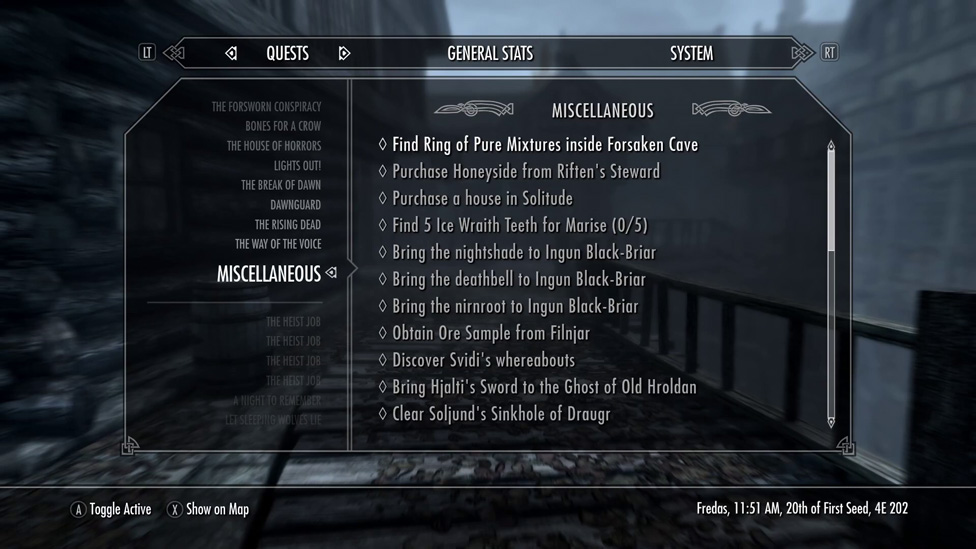
The main quest in Skyrim acts as the primary “spine” of the game’s software. Unlike linear games where the narrative dictates the player’s path entirely, Skyrim’s main quest is designed to coexist with thousands of concurrent scripts. From a technical standpoint, the main quest is a series of interconnected “Quest Stages” managed by the Creation Engine.
Scripted Sequences vs. Player Agency
The main quest begins with “Unbound,” a highly controlled tutorial sequence that demonstrates the engine’s capability for cinematic presentation. This sequence uses “hard-scripting,” where the game takes over certain camera movements and character actions. However, as the quest progresses into the open world, the tech shifts into “soft-scripting.” This allows the main narrative to remain active in the background while the player engages with side content. The engineering challenge here is ensuring that the quest markers and NPCs (Non-Player Characters) remain persistent and functional regardless of where the player travels or what other bugs they might trigger in the vast game world.
The Role of the Creation Engine in Quest Progression
Skyrim was the debut title for Bethesda’s Creation Engine, a fork of the older Gamebryo engine. The main quest utilizes this engine to handle “Event-Driven Programming.” For example, when a player reaches a specific location like “Bleak Falls Barrow,” a trigger zone sends a signal to the Quest Manager. This modular design ensures that the main quest doesn’t bog down the CPU. Instead of the game constantly checking if you’ve killed a dragon, the engine waits for a specific “OnDeath” event to fire from the dragon’s script, which then updates the main quest’s status.
Technical Pillars of the Dragonborn Saga: AI and World-State Management
The main quest is not just a series of dialogues; it is an orchestrator of the game’s complex systems, specifically its Artificial Intelligence and dynamic environments. The quest to defeat Alduin requires the game to manage shifting alliances, changing city layouts, and the spawning of specific high-level entities.
Radiant AI and Quest Interaction
One of the most touted technical features of Skyrim is the Radiant AI system. During the main quest, this system is pushed to its limits. Key NPCs like Esbern or Delphine are not static; they have “AI Packages” that dictate their behavior, sleep cycles, and combat styles. The main quest scripts must override these packages dynamically. If the player is on a quest to infiltrate the Thalmor Embassy, the AI of the guards must be pivoted from “standard patrol” to “active detection.” This seamless transition between daily AI routines and quest-specific behaviors is what makes the world feel alive rather than like a stage set.
Dynamic Leveling and Scaling Tech
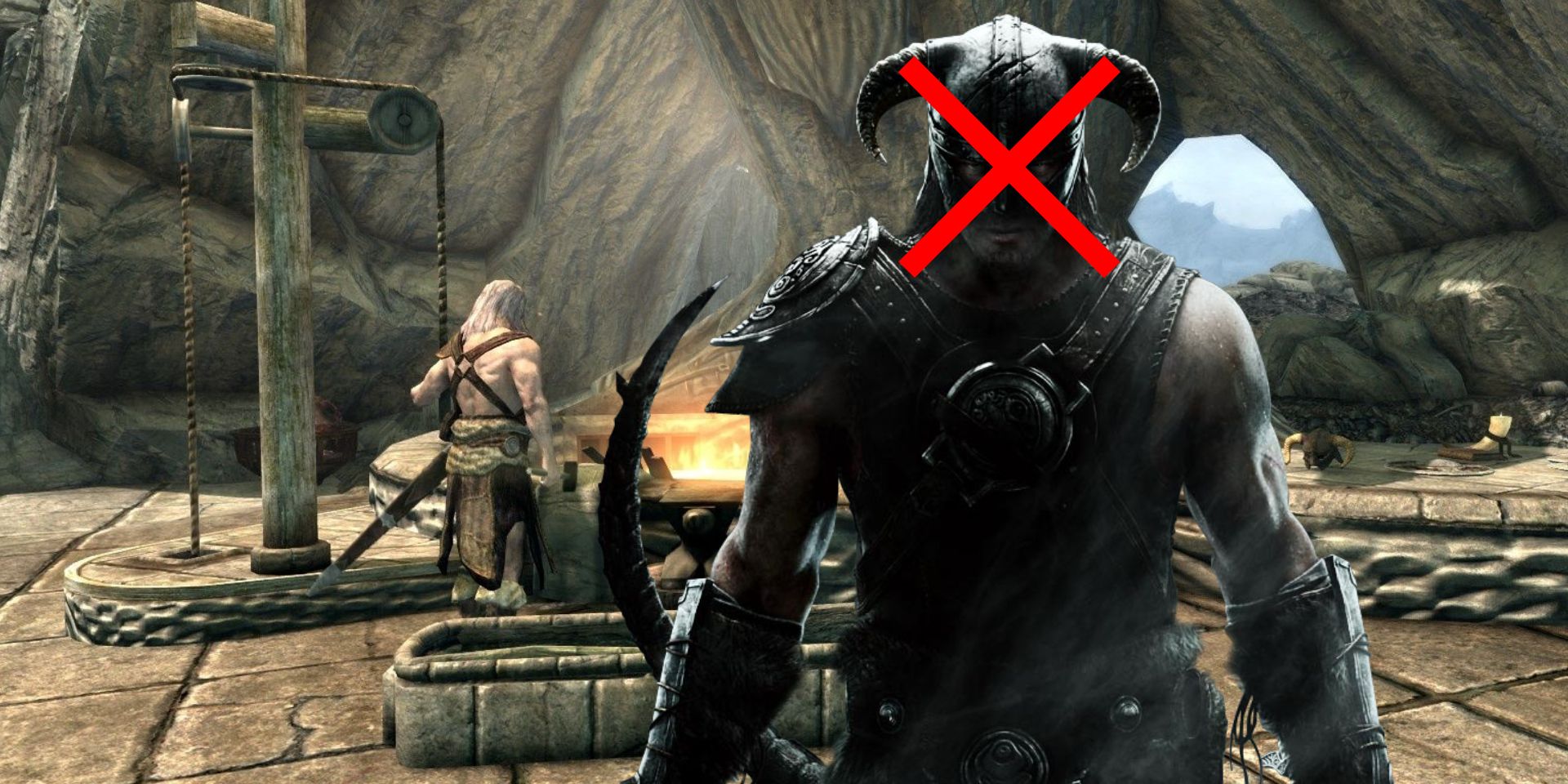
A significant technical hurdle in the main quest is the “Level Scaling” algorithm. Because a player can encounter the final boss at level 10 or level 80, the main quest uses a sophisticated data table to scale enemy health, damage, and spells. This isn’t a simple multiplier; the Creation Engine swaps out entire “Actor Bases.” When you face a dragon at the “Western Watchtower” (a pivotal early main quest moment), the engine checks your player level and injects a specific version of the dragon entity that provides a challenge without being impossible, ensuring the narrative flow isn’t broken by technical imbalances.
The Evolution of Open-World Scripting: Lessons from Skyrim’s Main Path
The main quest serves as the ultimate stress test for the game’s scripting language, Papyrus. Unlike the previous Elder Scrolls titles, which used a more rudimentary scripting system, Papyrus is an object-oriented language that allows for more complex interactions and better memory management.
Pathfinding and NavMesh Integration
The main quest often requires NPCs to lead the player through treacherous terrain (such as the climb to High Hrothgar). This relies on NavMesh—a hidden layer of geometry that tells the AI where it can and cannot walk. The main quest frequently updates these NavMeshes. For instance, if a dragon attack destroys a portion of a town during a scripted event, the NavMesh must be dynamically updated so that NPCs don’t walk into walls or fires. This real-time recalculation of pathfinding data is a cornerstone of the main quest’s technical immersion.
Modular Design in Large-Scale RPGs
The quest “Season Unending,” where the player negotiates a truce between the Imperial Legion and the Stormcloaks, is a fascinating example of modular design. The game has to track dozens of “Global Variables” based on previous player choices. Technically, this quest is a massive “Logic Gate.” The engine looks at which cities the player has conquered and who they have befriended, and then it populates the dialogue and outcomes accordingly. This level of branching logic, handled within a single quest framework, showcased the power of the Creation Engine’s data-handling capabilities.
Impact and Legacy: How Skyrim’s Quest Architecture Shaped Modern Game Tech
The main quest of Skyrim did more than just tell a story; it provided a blueprint for how large-scale, interactive narratives should be built. Its influence is seen in modern titles where world-states are constantly in flux based on user interaction.
Moddability and Engine Accessibility
Perhaps the greatest tech legacy of Skyrim’s main quest is how it was built to be broken down. By using the Creation Kit, Bethesda allowed the community to see exactly how the main quest was constructed. This transparency led to the “Modding Revolution.” Because the main quest was built using modular scripts and clear Event IDs, modders could hook into the main story to add new dialogue, alternate endings, or entirely new mechanics without crashing the base game. This extensibility is a rare technical feat in the software world, where core systems are often “hard-coded” and inaccessible.
Looking Forward to Future Iterations
As we look toward the future of technology in gaming, the foundations laid by the main quest in Skyrim remain relevant. The shift toward more advanced AI, such as Large Language Models (LLMs) being integrated into NPC dialogue, will likely use the same “Quest Stage” architecture that Skyrim pioneered. The main quest isn’t just a mission; it is a persistent state-machine that tracks user data over hundreds of hours.
In conclusion, “What is the main quest in Skyrim?” is a question with two answers. To the player, it is the legendary journey of the Dragonborn. To the technologist, it is a complex, multi-threaded software application that manages AI, physics, and global data states in real-time. It stands as a testament to the power of modular engine design and continues to be a primary reference point for developers aiming to create expansive, reactive digital worlds. Through its innovative use of the Papyrus scripting language and the Creation Engine, Skyrim’s main quest remains a gold standard in the technical execution of interactive storytelling.
aViewFromTheCave is a participant in the Amazon Services LLC Associates Program, an affiliate advertising program designed to provide a means for sites to earn advertising fees by advertising and linking to Amazon.com. Amazon, the Amazon logo, AmazonSupply, and the AmazonSupply logo are trademarks of Amazon.com, Inc. or its affiliates. As an Amazon Associate we earn affiliate commissions from qualifying purchases.