
In an increasingly complex and interconnected world, understanding the foundational roles that support community well-being and individual development is paramount. Among these critical professions, the Licensed Social Worker (LSW) stands out as a pivotal figure, dedicated to enhancing human well-being and helping to meet the basic human needs of all people, with particular attention to the needs and empowerment of people who are vulnerable, oppressed, and living in poverty. While the core mission of an LSW remains constant, the methods, tools, and challenges they face are continually evolving, especially in an era defined by rapid technological advancements, the strategic importance of personal and corporate branding, and the ever-present need for sound financial management.
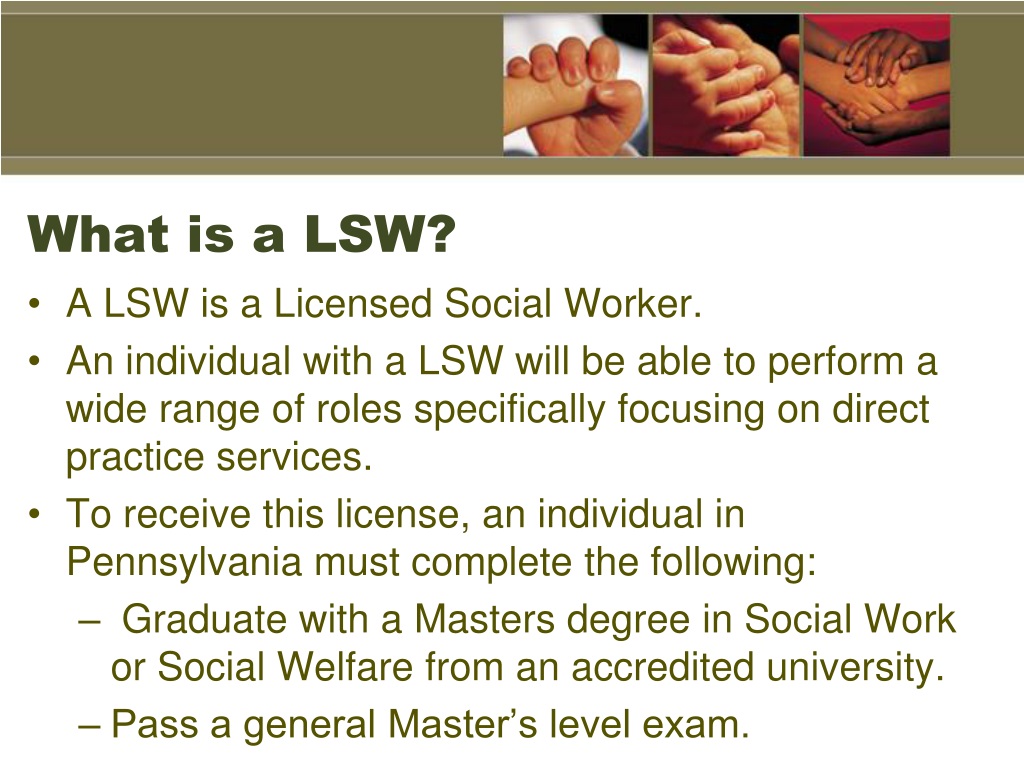
An LSW is a professional who has completed specific educational requirements—typically a Bachelor of Social Work (BSW) or a Master of Social Work (MSW) degree—and has successfully passed a state-mandated licensing exam. This licensure signifies a commitment to ethical practice, adherence to professional standards, and the demonstrated competency required to provide a range of social work services. These services are diverse, spanning direct client intervention, community organizing, policy advocacy, and research. LSWs work across myriad settings, including hospitals, schools, government agencies, non-profit organizations, mental health clinics, and private practices, addressing issues from mental health disorders and substance abuse to poverty, domestic violence, and systemic injustices. Their work is fundamentally about fostering resilience, empowering individuals, and strengthening communities, requiring a unique blend of empathy, analytical skill, and practical problem-solving. As we delve deeper, we will explore how this essential profession intersects with the modern pillars of technology, branding, and finance, revealing the dynamic landscape an LSW navigates today.
Defining the LSW: Core Role and Responsibilities
At its heart, social work is a practice-based profession and an academic discipline that promotes social change and development, social cohesion, and the empowerment and liberation of people. The Licensed Social Worker is the front-line practitioner embodying these principles. Their licensure is not just a formality; it’s a public assurance that they possess the necessary knowledge, skills, and ethical grounding to provide effective and responsible services. The journey to becoming an LSW typically involves extensive supervised fieldwork hours, ensuring that theoretical knowledge is cemented through practical application under the guidance of experienced professionals.
The Foundation of Practice: Education, Licensing, and Ethics
The educational pathway for an LSW usually begins with an accredited BSW program, which provides a generalist foundation in social work theory, policy, human behavior, and research methods. Many LSWs then pursue an MSW, a graduate-level degree that offers advanced specialization in areas such as clinical social work, community organization, social policy, or administration. This advanced education equips them with sophisticated assessment and intervention techniques. Post-graduation, candidates must pass a state-specific licensing examination administered by the Association of Social Work Boards (ASWB) and fulfill supervised practice hours, which vary by jurisdiction. This rigorous process culminates in the LSW designation, allowing them to practice independently or with minimal supervision, depending on the specific state regulations and the scope of their license.
Ethical practice is the bedrock of social work. The National Association of Social Workers (NASW) Code of Ethics provides a comprehensive framework guiding LSWs in their professional conduct. This code outlines core values such as service, social justice, dignity and worth of the person, importance of human relationships, integrity, and competence. LSWs are mandated to uphold these values, ensuring client confidentiality, maintaining professional boundaries, avoiding conflicts of interest, and advocating for social change. These ethical principles are not merely guidelines; they are legal and professional obligations that protect clients and maintain the integrity of the profession.
Diverse Settings and Multifaceted Responsibilities
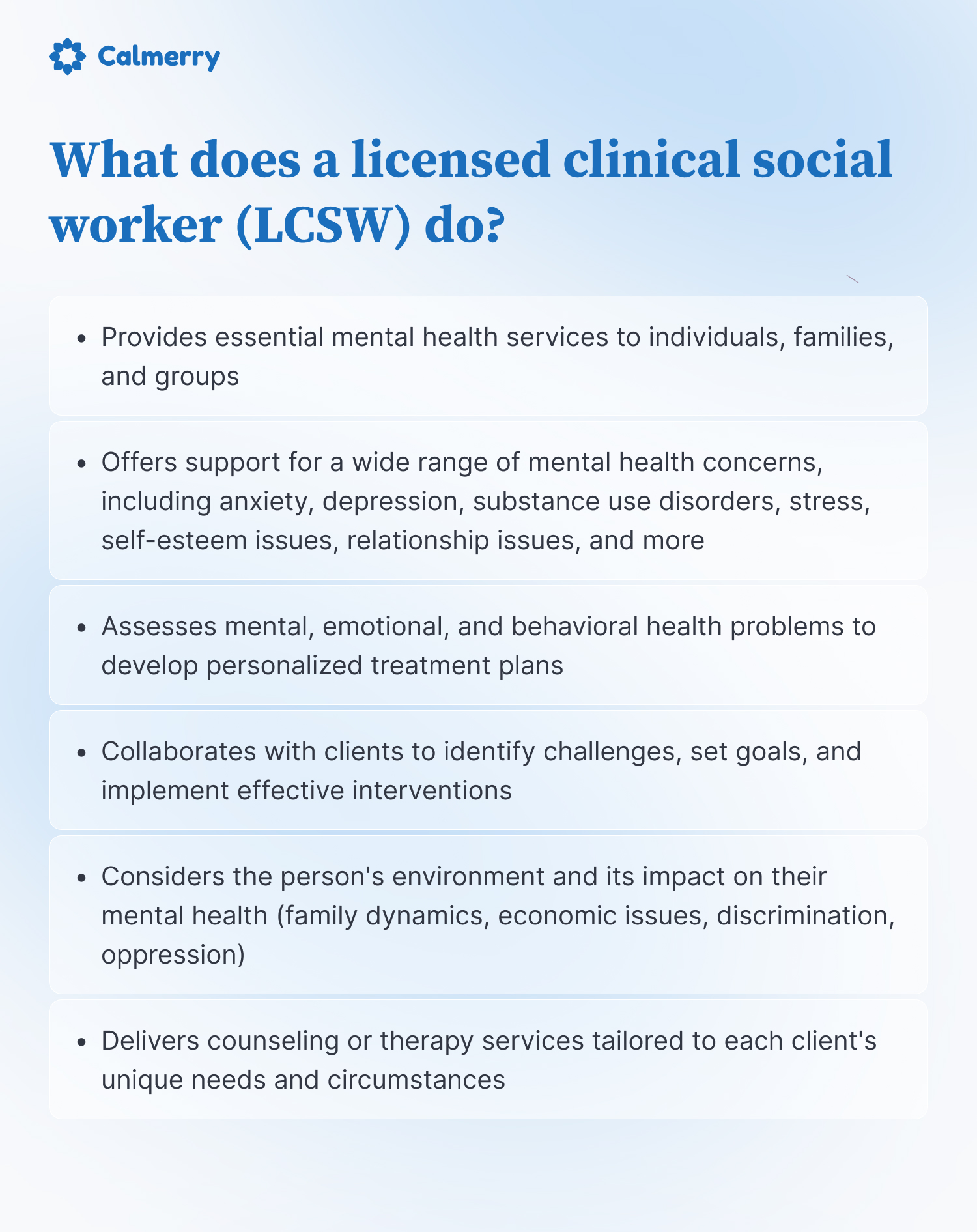
The scope of an LSW’s responsibilities is remarkably broad, reflecting the multifaceted challenges individuals and communities face. In healthcare settings, LSWs might work with patients and their families to cope with illness, navigate complex medical systems, and plan for post-discharge care. They help address psychosocial issues that impact health outcomes, from mental health to housing instability. In schools, LSWs support students’ academic and social-emotional development, intervening in cases of bullying, family crises, or learning difficulties, and connecting families with essential community resources.
Within government agencies, LSWs play crucial roles in child protective services, adult protective services, and public assistance programs, ensuring the safety and well-being of vulnerable populations. They assess risk, develop safety plans, and facilitate access to benefits. Many LSWs also work in non-profit organizations focused on specific issues like homelessness, substance abuse, domestic violence, or LGBTQ+ advocacy. Here, their work might involve direct counseling, program development, grant writing, and community outreach. In private practice, LSWs often provide clinical therapy, specializing in areas such as trauma, anxiety, or relationship issues, offering individual, group, and family counseling services. Across all these settings, the LSW acts as a diagnostician, counselor, advocate, educator, and facilitator, constantly adapting their approach to meet the unique needs of their clients and communities.
The LSW in the Digital Age: Tech Integration and Impact
The digital revolution has profoundly reshaped nearly every profession, and social work is no exception. For LSWs, technology is no longer an optional add-on but an integral part of their practice, influencing how they connect with clients, manage information, and advocate for change. The adoption of new tools and platforms presents both unprecedented opportunities and significant ethical challenges, requiring LSWs to be tech-savvy and critically aware.
Leveraging Digital Tools for Practice
Modern LSWs are increasingly relying on a suite of digital tools to enhance their efficiency and extend their reach. Telehealth platforms have become indispensable, especially after recent global events, allowing LSWs to provide counseling and support services remotely, overcoming geographical barriers and increasing accessibility for clients who might struggle with transportation or time constraints. These platforms often incorporate secure video conferencing, chat functions, and appointment scheduling, streamlining client interactions.
Beyond direct service delivery, client management software, often integrated with electronic health records (EHR) or electronic medical records (EMR), is vital for maintaining organized, confidential client files. These systems enable LSWs to track progress, document interventions, manage billing, and collaborate securely with other healthcare providers. Data analytics tools are also emerging as powerful resources, allowing LSWs to identify patterns in social issues, evaluate program effectiveness, and inform evidence-based practice and policy recommendations. Furthermore, virtual collaboration tools facilitate inter-agency communication, allowing LSWs to coordinate care with diverse teams, share resources, and participate in case consultations, all within a secure digital environment.
Digital Security and Ethical Considerations
While technology offers immense benefits, it simultaneously introduces complex ethical dilemmas and security risks that LSWs must meticulously navigate. Client confidentiality, a cornerstone of social work ethics, is particularly vulnerable in the digital realm. LSWs must ensure that all digital communications and data storage comply with stringent privacy regulations such as HIPAA in the United States or GDPR in Europe. This involves using encrypted communication channels, secure cloud storage, and robust authentication protocols. Training in cybersecurity best practices is essential to protect against data breaches, phishing attempts, and other cyber threats that could compromise sensitive client information.
The ethical use of Artificial Intelligence (AI) is also a burgeoning concern. While AI tools might offer support in tasks like data analysis or even preliminary assessment, LSWs must critically evaluate their biases, ensure transparency in their application, and never allow AI to replace human judgment and empathy in client interactions. Maintaining professional boundaries online is another critical aspect; LSWs must be cautious about their digital footprint, avoiding personal connections with clients on social media and ensuring their online presence aligns with professional standards.
Tech for Advocacy and Outreach
Technology also empowers LSWs to amplify their advocacy efforts and extend their outreach far beyond traditional methods. Social media platforms, when used ethically and strategically, can be powerful tools for raising awareness about social issues, mobilizing community support, and influencing public policy. LSWs can use these channels to disseminate reliable information, challenge stigma, and advocate for vulnerable populations on a broader scale.
Online resource portals and digital directories make it easier for LSWs to connect clients with essential services, from food banks and housing assistance to legal aid and employment support. Furthermore, LSWs often play a role in promoting digital literacy among clients, especially those from marginalized communities, helping them access online resources, navigate government websites, and develop essential digital skills. This ensures that technology serves as a bridge, not a barrier, to empowerment and access for all.
Building a Professional Identity: Branding for LSWs
In a competitive professional landscape, the concept of “branding” extends beyond corporate entities to individual professionals. For LSWs, establishing a strong professional identity and communicating their unique value is crucial for building trust, attracting clients, securing opportunities, and advocating effectively. Personal branding for an LSW is not about self-promotion in a superficial sense; it’s about authentically representing their expertise, values, and specialized skills to the world.
Personal Branding in Social Work
Why does personal branding matter for a social worker? In a field heavily reliant on trust, referrals, and reputation, a well-defined personal brand helps LSWs stand out, articulate their unique approach, and attract clients who are the right fit for their services. It involves consciously shaping how others perceive their professional persona. This process begins with understanding one’s unique strengths, specializations (e.g., trauma therapy, adolescent counseling, elder care, community organizing), and core values.
Developing a unique professional voice means crafting a consistent message that resonates with potential clients, colleagues, and community partners. This voice should reflect their expertise, empathy, and commitment to social justice. A significant component of personal branding today is an intentional online presence. A professional LinkedIn profile, for instance, can showcase an LSW’s credentials, experience, and endorsements, serving as a digital curriculum vitae. For those in private practice, a professional website becomes a critical hub, offering information about their services, therapeutic philosophy, contact details, and perhaps a blog where they share insights and demonstrate thought leadership. This online presence must be curated carefully to reflect professionalism and adherence to ethical guidelines.
Communicating Value and Expertise
Effectively communicating one’s value and expertise is central to professional branding. An LSW needs to move beyond simply stating their title and articulate the specific benefits and outcomes they provide. This means crafting a clear message that highlights their areas of specialization and how their unique skills can help clients achieve their goals. For instance, an LSW specializing in grief counseling might emphasize their compassionate approach to supporting individuals through loss, while one focused on community development might highlight their ability to mobilize resources and foster collective action.

Thought leadership is a powerful way to showcase expertise. This can take many forms: writing articles for professional journals or online platforms, contributing to community newsletters, speaking at local events or conferences, or even developing educational workshops. By sharing their knowledge and perspectives, LSWs establish themselves as authorities in their respective niches, building credibility and expanding their professional network. This not only benefits their individual practice but also elevates the public perception of the social work profession as a whole.
Ethical Branding and Reputation Management
The intersection of personal branding and social work ethics requires careful navigation. Maintaining professional boundaries online is paramount. LSWs must be vigilant about separating their personal and professional lives on social media platforms, avoiding “friending” clients, and ensuring that any public content aligns with the ethical code. Transparency about one’s practice, fees, and therapeutic approach is also a key ethical consideration in branding.
Reputation management in the digital age involves proactively monitoring one’s online presence and addressing any potential issues promptly and professionally. This includes handling online reviews with care, responding ethically to feedback, and demonstrating integrity in all digital interactions. An LSW’s brand is not just about what they say about themselves, but also what others say about them, and how consistently their actions align with their stated values. Ultimately, ethical branding for LSWs is about building a reputation founded on trust, competence, and an unwavering commitment to the well-being of those they serve.
Navigating Financial Wellness: Money Management for LSWs and Clients
Money matters are deeply intertwined with social work, impacting both the lives of clients and the professional sustainability of LSWs themselves. From helping clients overcome financial instability to managing personal finances in a demanding career, financial literacy and strategic money management are indispensable skills for LSWs.
Financial Literacy and Client Empowerment
Many LSWs frequently encounter clients facing significant financial challenges, including poverty, debt, unemployment, and lack of access to resources. A crucial part of an LSW’s role can be to equip clients with the tools and knowledge to achieve greater financial stability. This doesn’t mean becoming a financial advisor, but rather providing psychoeducation and resource navigation. LSWs might help clients understand basic budgeting principles, identify strategies for managing debt, and connect them with financial literacy programs or credit counseling services.
Furthermore, LSWs often assist clients in navigating complex benefits systems, helping them access government assistance programs, disability benefits, food stamps, and housing subsidies. This requires a deep understanding of eligibility criteria and application processes, as well as the ability to advocate for clients who face systemic barriers. By empowering clients with financial knowledge and access to resources, LSWs contribute significantly to their overall well-being and ability to achieve their therapeutic goals, as financial stress often exacerbates mental health issues and limits opportunities.
Business Acumen for Private Practice LSWs
For LSWs who choose to enter private practice, financial management shifts from client-focused assistance to direct business acumen. Starting and sustaining a private practice requires more than clinical skills; it demands a solid understanding of business finance. This includes setting competitive yet ethical fees for services, which involves researching market rates, considering overhead costs (rent, utilities, software subscriptions, insurance), and valuing one’s professional expertise.
Managing overheads efficiently is critical for profitability. This extends to making informed decisions about office space, technology infrastructure, administrative support, and marketing efforts. Financial planning for a small business also encompasses understanding tax obligations, managing cash flow, creating a budget for growth, and potentially securing business loans or lines of credit. Furthermore, LSWs in private practice must navigate the complexities of insurance billing, understanding different insurance panels, coding procedures, and handling claims processing, which can be a significant administrative burden if not managed effectively. Developing these business skills is essential for the long-term viability and success of a private practice.
Personal Finance for Social Workers
Beyond their professional roles, LSWs themselves face unique financial considerations. Social work, while incredibly rewarding, is not always known for its high salaries, especially at entry and mid-levels. Therefore, sound personal finance management is crucial for LSWs to maintain their own well-being and prevent burnout. One significant challenge for many LSWs is student loan management, given the educational requirements for licensure. Strategies for repayment, understanding loan forgiveness programs, and exploring refinancing options are often vital.
Retirement planning and investment strategies are equally important, requiring LSWs to proactively save and invest for their future. This might involve setting up a 401(k), IRA, or other investment accounts, even with modest contributions. Balancing passion for their work with financial stability is an ongoing challenge. LSWs often dedicate themselves to helping others, sometimes at the expense of their own financial planning. Developing financial literacy skills for themselves—budgeting, saving, investing, and debt management—is not just practical; it’s an act of self-care that allows them to continue their demanding and essential work effectively.
Future Outlook and Evolving Landscape
The role of the LSW is anything but static. As societal challenges evolve and new technologies emerge, the profession continues to adapt, driven by an unwavering commitment to social justice and human well-being. The future promises both new demands and innovative opportunities for LSWs.
The Growing Demand for LSWs
The demand for qualified LSWs is projected to grow significantly in the coming years. Factors contributing to this include an aging population requiring more elder care services, increased awareness and destigmatization of mental health issues leading to greater need for counseling, and persistent societal problems like poverty, addiction, and systemic inequality. LSWs will be crucial in addressing these complex challenges, whether in clinical settings, community organizations, or policy advocacy roles. As healthcare systems increasingly recognize the importance of integrated care, LSWs are becoming essential members of interdisciplinary teams, contributing their unique psychosocial perspective to holistic patient treatment. Their expertise in navigating complex social systems and advocating for vulnerable populations will remain invaluable.
Impact of Emerging Technologies
The landscape of social work will undoubtedly be shaped by emerging technologies such as advanced AI, virtual reality (VR), and augmented reality (AR). AI might assist LSWs in administrative tasks, data analysis, or even in identifying at-risk individuals more efficiently, freeing up LSWs to focus on direct client interaction. VR and AR could offer innovative therapeutic interventions, such as exposure therapy for phobias or trauma processing in a safe, controlled environment. However, the integration of these technologies will necessitate ongoing ethical debates, robust regulatory frameworks, and continuous training for LSWs to ensure these tools are used responsibly, equitably, and effectively, always prioritizing client autonomy and human connection. The “human touch” will remain irreplaceable in social work, but technology will serve as an increasingly powerful enhancer.
Evolving Ethical Dilemmas in a Digital World
As technology advances, new ethical dilemmas will continue to emerge. Questions around data ownership, algorithmic bias in client assessments, the responsible use of client data for research, and the implications of digital surveillance in social work practice will require careful consideration. LSWs will need to stay abreast of evolving privacy laws and ethical guidelines, engaging in continuous professional development to navigate these complexities. The digital divide will also remain a critical ethical concern, ensuring that technological advancements do not further marginalize vulnerable populations who lack access or digital literacy. Social workers will be at the forefront of advocating for equitable access to technology and ensuring digital inclusion.
The Importance of Continuous Learning and Adaptation
Ultimately, the future success of the LSW profession hinges on a commitment to continuous learning and adaptation. LSWs must be lifelong learners, not only staying current with therapeutic techniques and social policies but also embracing technological literacy and understanding the broader economic and branding landscapes. This includes developing new skills in digital communication, data security, remote service delivery, and strategic self-promotion within ethical boundaries. The LSW who can integrate their foundational values of social justice and empathy with modern technological tools, strategic branding, and sound financial understanding will be best positioned to meet the demands of the 21st century, continuing to make profound positive impacts on individuals, families, and communities.
Conclusion
The Licensed Social Worker (LSW) is a professional bedrock in the societal structure, operating at the critical intersection of human need and systemic support. The designation of LSW signifies not just a qualification, but a profound commitment to ethical practice, social justice, and the empowerment of individuals and communities. In today’s rapidly evolving world, the effectiveness of an LSW is increasingly intertwined with their ability to navigate and leverage advancements in technology, strategically build their professional brand, and manage financial realities for themselves and their clients.
From utilizing telehealth platforms for remote care and employing secure software for client management, to advocating for digital literacy among vulnerable populations, technology has fundamentally reshaped how LSWs connect and intervene. Simultaneously, cultivating a strong personal brand, through professional online presences and thought leadership, is no longer an option but a necessity for LSWs to communicate their value, attract clients, and build trust in a crowded professional landscape. Furthermore, financial acumen is critical, whether helping clients navigate complex benefits and budget effectively, or for LSWs in private practice managing their own business finances and for all social workers ensuring their personal financial wellness in a demanding career.
The role of the LSW is a dynamic one, continuously adapting to new challenges and opportunities. As we look ahead, the demand for their compassionate and skilled interventions will only grow, fueled by an aging population, increasing awareness of mental health needs, and persistent social inequalities. The integration of emerging technologies like AI and VR, while offering new tools, will also necessitate ongoing ethical scrutiny and a commitment to ensuring human connection remains at the core of social work practice. The LSW of today and tomorrow must be a nuanced professional – empathetic and analytical, tech-savvy and ethically grounded, a keen advocate, and a prudent financial guide. By embracing this multifaceted identity, LSWs will continue to be indispensable agents of change, fostering resilience and building stronger, more equitable societies.
aViewFromTheCave is a participant in the Amazon Services LLC Associates Program, an affiliate advertising program designed to provide a means for sites to earn advertising fees by advertising and linking to Amazon.com. Amazon, the Amazon logo, AmazonSupply, and the AmazonSupply logo are trademarks of Amazon.com, Inc. or its affiliates. As an Amazon Associate we earn affiliate commissions from qualifying purchases.