
Living in Hawaii is often characterized by images of pristine beaches, swaying palm trees, and a slower pace of life known as the “Aloha Spirit.” However, from a personal finance perspective, the reality of the 50th state is one of the most complex economic landscapes in the United States. Hawaii consistently ranks as the most expensive state to live in, with a cost of living that significantly exceeds the national average. For individuals and families considering a move to the islands, or for residents looking to optimize their financial health, understanding the granular details of Hawaii’s economy is essential. This article provides a comprehensive financial breakdown of the average cost of living in Hawaii, focusing on housing, daily expenditures, taxation, and the income required to sustain a comfortable lifestyle.

The Real Estate Reality: Navigating Hawaii’s Housing Market
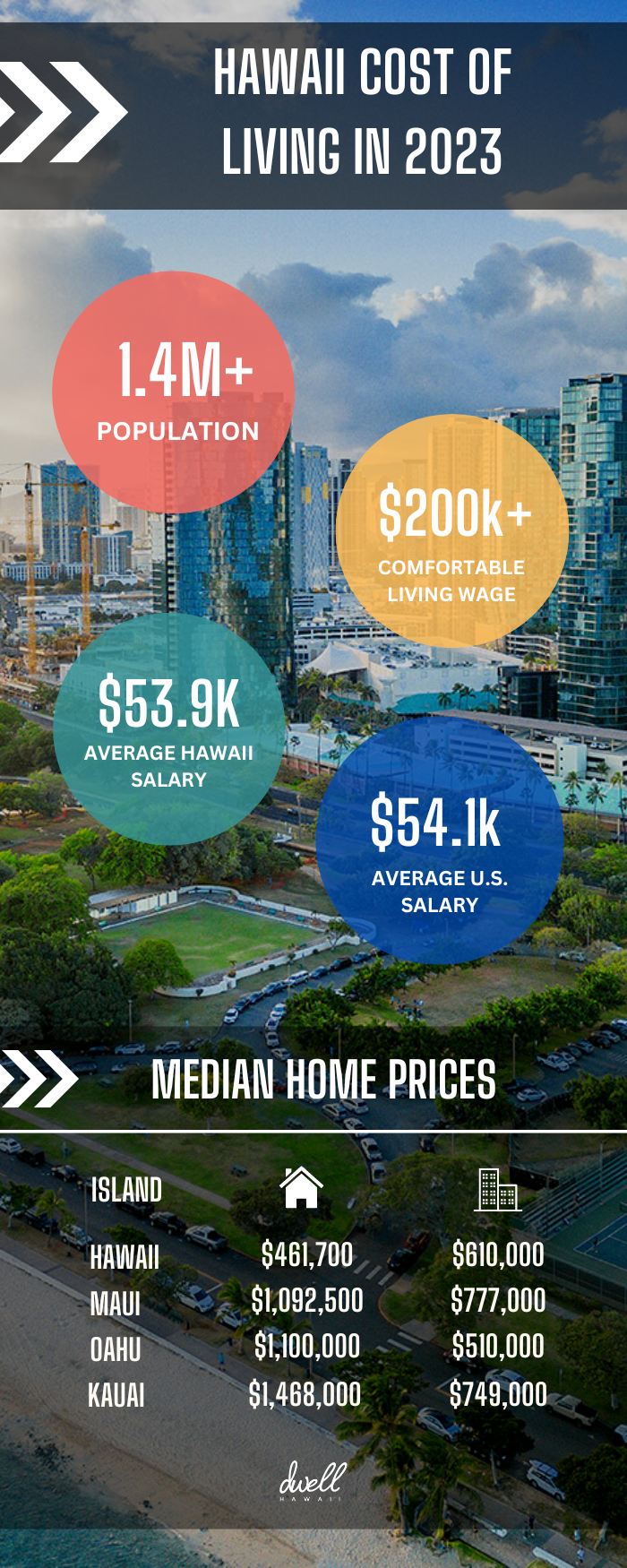
Housing is the single largest expenditure for Hawaii residents, often consuming more than 30% to 50% of a household’s monthly income. The geographical limitation of being an island chain, combined with high demand and restrictive zoning laws, has created a real estate market characterized by high prices and low inventory.
Renting vs. Owning in the Islands
In most metropolitan areas on the mainland, there is a clear financial path toward homeownership. In Hawaii, that path is often obstructed by a median home price that frequently hovers around the $1 million mark for single-family homes on Oahu. As of recent data, even a modest condo can cost between $500,000 and $700,000.
For those not ready to buy, the rental market is equally competitive. A one-bedroom apartment in Honolulu can easily range from $2,200 to $3,000 per month, depending on the neighborhood’s proximity to the urban core or the coast. When budgeting for a move, financial experts recommend ensuring that your housing costs do not exceed 30% of your gross income, but in Hawaii, many residents find themselves “house poor,” sacrificing other financial goals to keep a roof over their heads.
The Impact of Geographic Location on Property Value
The cost of living varies significantly between the islands. Oahu, home to the state capital of Honolulu, is the economic hub and generally commands the highest prices due to job density and amenities. In contrast, the Big Island (Hawaii Island) typically offers more affordable land and housing, though this is often offset by higher transportation costs and limited access to specialized healthcare or high-paying corporate jobs. Maui and Kauai occupy a middle ground but have seen massive surges in property values due to their popularity as vacation home destinations, further squeezing the local workforce out of the market.
Everyday Expenses: Food, Utilities, and Essential Commodities
Beyond housing, the “hidden” costs of island life manifest in daily consumer goods. Because Hawaii is the most isolated population center on Earth, approximately 90% of its food and supplies are imported. This reliance on shipping creates a price floor that is significantly higher than that of the contiguous United States.
The “Jones Act” and Import Costs
One of the primary drivers of Hawaii’s high cost of goods is the Merchant Marine Act of 1920, commonly known as the Jones Act. This federal law requires that all goods shipped between U.S. ports be carried on ships that are U.S.-built, U.S.-owned, and U.S.-manned. While intended to support the domestic maritime industry, it adds a “shipping premium” to every gallon of milk and every gallon of gasoline that enters the state. Consequently, grocery bills in Hawaii are often 50% to 60% higher than the national average. A gallon of milk can cost upwards of $8 or $9, and fresh produce, unless grown locally, carries a significant markup.
Energy and Utility Management in a Tropical Climate
While Hawaii’s temperate climate means many residents can live without heating, the cost of electricity is the highest in the nation—often double or triple the national average per kilowatt-hour. The state relies heavily on imported petroleum for its power plants, although there is a massive push toward renewable energy like solar and wind.
For a standard two-bedroom apartment, monthly electricity bills can range from $200 to $400, especially if air conditioning is used frequently. Water and sewer rates are also on the rise as the state invests in aging infrastructure. For those focused on personal finance, investing in energy-efficient appliances and solar water heaters is not just an environmental choice but a critical financial strategy for long-term savings.
Taxation and the Hidden Costs of Island Living
Understanding Hawaii’s tax structure is vital for accurate financial planning. While the state does not have a traditional “sales tax,” its unique tax system can impact your take-home pay and your purchasing power in unexpected ways.
Hawaii’s Progressive Income Tax Structure
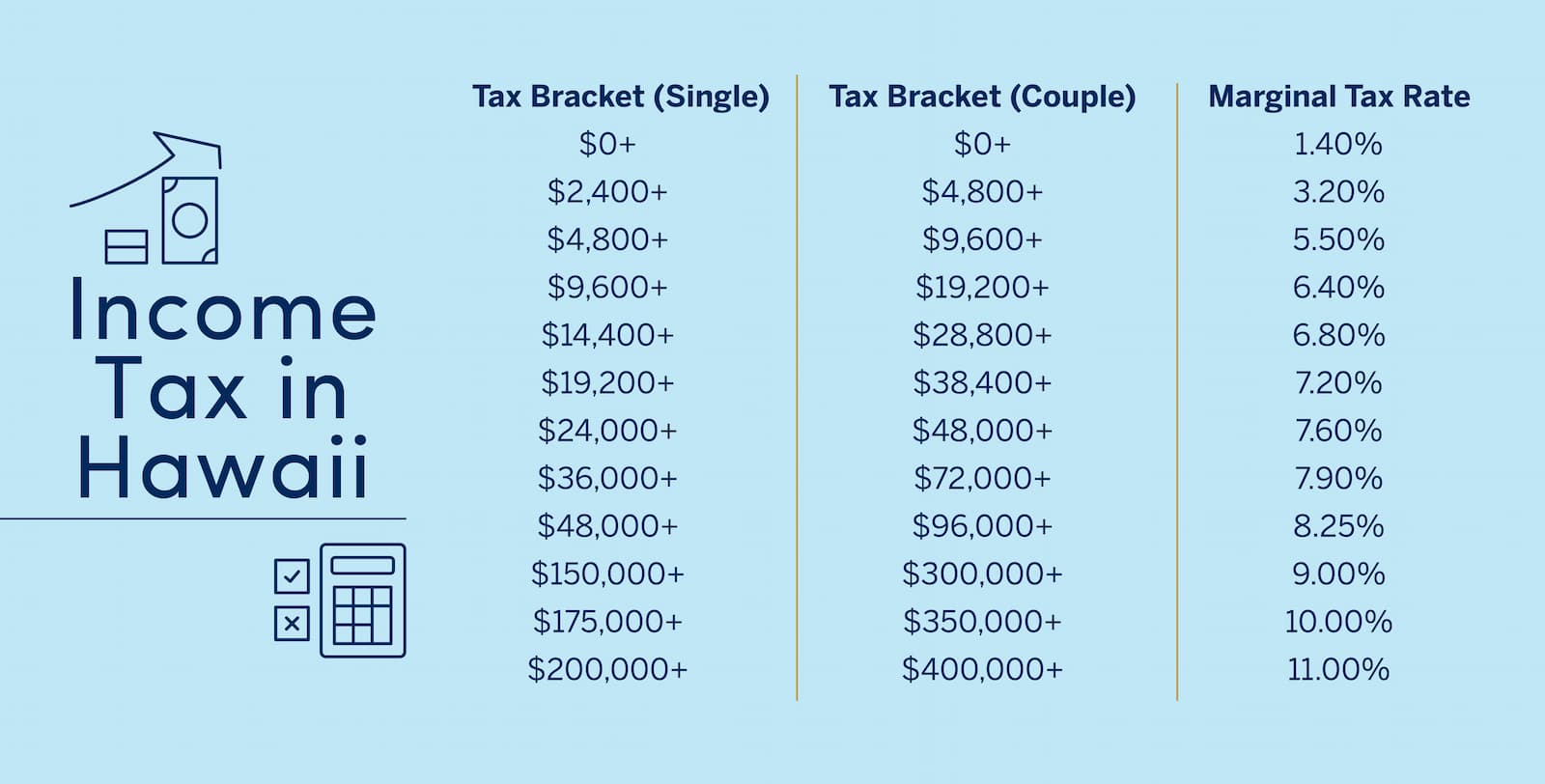
Hawaii has one of the highest state income tax rates in the country, with a progressive system that features several brackets. For high earners, the top marginal rate can reach 11%. This means that even if you receive a salary increase to move to Hawaii, your effective take-home pay might be lower than it would be in a state with no income tax, like Florida or Washington. When calculating your “Money” strategy for the islands, it is crucial to use a net income calculator that accounts for Hawaii’s specific tax tables to ensure your budget is realistic.
General Excise Tax (GET) vs. Sales Tax
Hawaii utilizes a General Excise Tax (GET) instead of a sales tax. While a sales tax is technically a tax on the consumer, the GET is a tax on all business activities. In practice, businesses almost always pass this cost on to the consumer. The GET is approximately 4% to 4.5% depending on the county. What makes it different—and more expensive—than a standard sales tax is that it is “pyramided.” It is applied at every level of a transaction (from wholesaler to retailer), which subtly inflates the price of all services and goods, including professional services like legal advice or medical visits, which are often exempt from sales tax in other states.
Transportation and Connectivity Infrastructure
In Hawaii, transportation costs are influenced by both the price of fuel and the logistical challenges of island geography. Unlike major mainland cities with extensive rail or subway systems, most Hawaii residents are dependent on personal vehicles.
Fuel Costs and Vehicle Maintenance
Gasoline prices in Hawaii are consistently among the highest in the U.S. due to the aforementioned shipping costs and state taxes. Additionally, the salt air and humidity can lead to faster vehicle degradation, specifically regarding rust and tire wear. For those moving from the mainland, the decision to ship a car (which costs between $1,500 and $2,500) versus buying one locally is a significant financial crossroad. Maintenance costs also tend to be higher due to the increased cost of importing parts and the higher labor rates in the islands.
Public Transit and the Multi-Modal Shift
Honolulu is home to “TheBus,” an award-winning public transit system that is a viable option for those living and working in the urban core. Furthermore, the Honolulu Rail Transit project (Skyline) is currently being developed to alleviate traffic congestion, though its reach is currently limited. For a budget-conscious individual, utilizing public transit can save thousands of dollars annually in insurance, fuel, and parking fees—the latter of which can exceed $300 a month in downtown Honolulu or Waikiki.
Financial Planning: How Much Do You Actually Need to Earn?
The ultimate question for anyone looking at Hawaii through a financial lens is: “What is the magic number?” To live a middle-class lifestyle in Hawaii without the constant stress of living paycheck to paycheck, the income requirements are starkly different from the rest of the country.
The Living Wage vs. the Median Income
While the federal poverty level is adjusted slightly higher for Hawaii, it often fails to capture the true “living wage.” Economic studies suggest that a single person needs a minimum of $70,000 to $80,000 to live comfortably in Honolulu, while a family of four may require upwards of $150,000 to cover housing, healthcare, education, and savings. The “median” income in Hawaii often lags behind the cost of living, leading many residents to work multiple jobs—a phenomenon known locally as having “side hustles” long before the term became a global trend.
Strategies for Financial Sustainability in Hawaii
To thrive financially in Hawaii, one must adopt a rigorous approach to money management:
- Embrace the “Buy Local” Economy: Shopping at farmer’s markets and buying seasonal local produce can mitigate some of the import markups found in big-box grocery stores.
- Strategic Housing: Looking for “Ohana units” (permitted accessory dwelling units) or sharing housing can drastically reduce the largest expense in your budget.
- Aggressive Retirement Planning: Because the cost of living is high, Hawaii residents must be even more diligent about 401(k) and IRA contributions to ensure their purchasing power remains intact during retirement.
- Leveraging Credit Rewards: For savvy spenders, using credit cards that offer high rewards for groceries and gas—and paying them off monthly—can provide a small but helpful rebate on the high cost of daily life.
In conclusion, while the average cost of living in Hawaii is undeniably high, it is manageable with disciplined financial planning and a clear understanding of the unique economic drivers at play. By accounting for the nuances of the housing market, the impact of the Jones Act on consumer goods, and the specificities of the GET, individuals can build a sustainable life in paradise. The “Paradise Tax” is real, but for many, the investment in the Hawaii lifestyle provides a return on quality of life that is well worth the price.
aViewFromTheCave is a participant in the Amazon Services LLC Associates Program, an affiliate advertising program designed to provide a means for sites to earn advertising fees by advertising and linking to Amazon.com. Amazon, the Amazon logo, AmazonSupply, and the AmazonSupply logo are trademarks of Amazon.com, Inc. or its affiliates. As an Amazon Associate we earn affiliate commissions from qualifying purchases.