
In the contemporary landscape of global commerce, the success of a product is rarely determined by its functional utility alone. Instead, success is forged at the intersection of cultural heritage, strategic storytelling, and market positioning. “Shio Koji,” a traditional Japanese ferment, serves as a masterclass in brand evolution. While a chemist might describe it as a mixture of malted rice (koji), salt (shio), and water, a brand strategist sees it as a powerful asset that has successfully navigated the journey from a localized artisanal staple to a global “super-ingredient” brand.
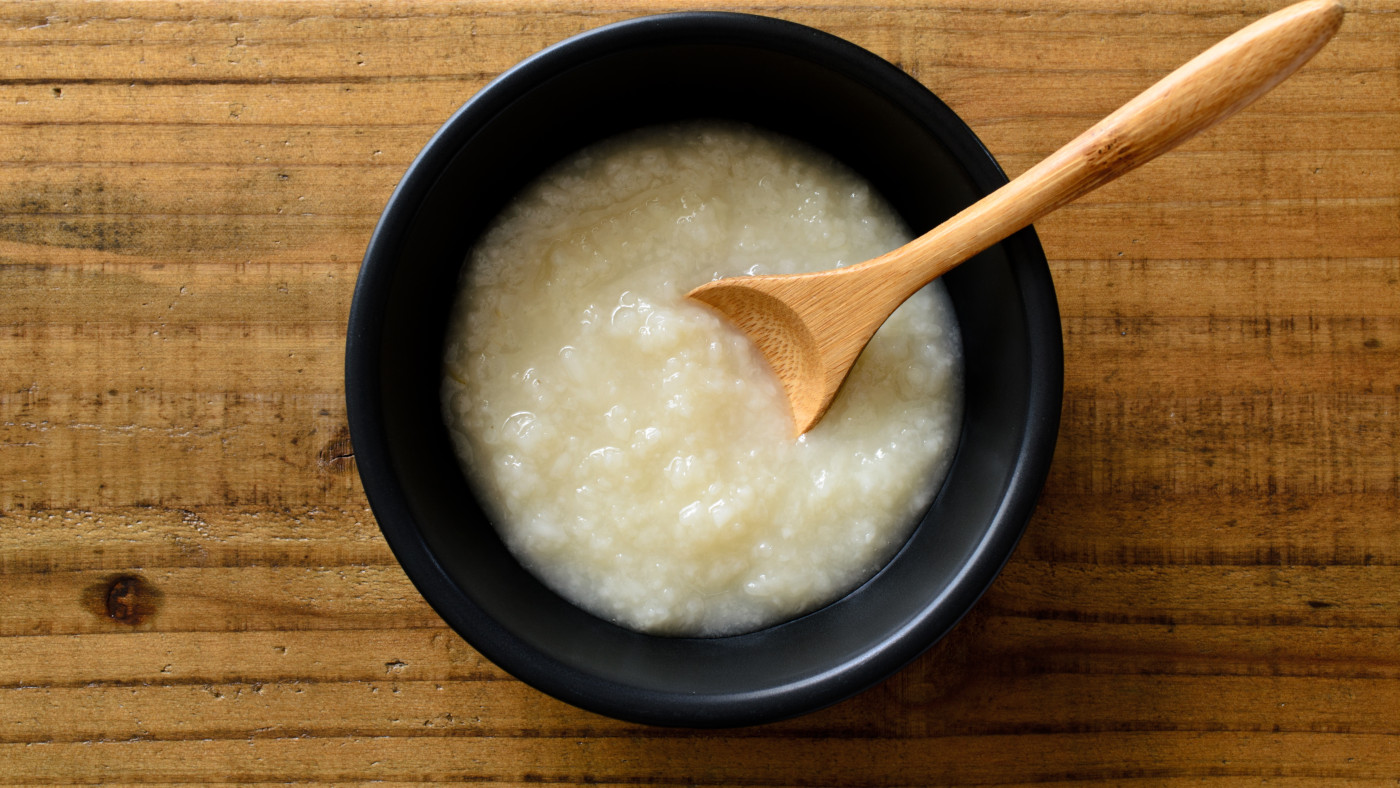
This article explores the branding architecture behind Shio Koji, examining how this ancient catalyst was rebranded for the modern wellness economy and how it continues to redefine the “Clean Label” movement in the global food and beverage industry.
The Anatomy of an Ancient Identity: From Traditional Staple to Modern Super-Brand
The brand identity of Shio Koji is rooted in its simplicity. In an era where consumers are increasingly skeptical of complex chemical additives, Shio Koji offers a narrative of “radical transparency.” Its ingredients—rice, water, and salt—form a brand foundation that is inherently trustworthy. However, the transformation of Shio Koji from a household utility into a premium brand required a calculated shift in its core messaging.
Redefining the “Clean Label” Aesthetic
For decades, the food industry relied on MSG and synthetic flavor enhancers. As consumer sentiment shifted toward “clean labels,” brand managers looked for natural alternatives that could deliver the same “umami” punch without the negative connotations of laboratory-made chemicals. Shio Koji stepped into this gap not just as an ingredient, but as a brand solution.
By positioning Shio Koji as a “natural enzymatic powerhouse,” marketers shifted the conversation from what it is to what it does for the consumer’s lifestyle. The brand identity moved away from being a “salty paste” to becoming an “essential wellness tool.” This transition allowed the product to command a premium price point, moving it from the back of the pantry to a featured spot on the boutique supermarket shelf.
The Power of Heritage in Brand Storytelling
Every strong brand needs an origin story. Shio Koji’s narrative is inextricably linked to the Edo period of Japan, tapping into a sense of timeless wisdom. In branding, heritage acts as a proxy for quality. By leveraging the “Made in Japan” brand equity, Shio Koji producers have been able to export more than just a condiment; they are exporting a philosophy of patience and fermentation.
Strategic brand storytelling emphasizes the artisan nature of koji cultivation—the Aspergillus oryzae mold that is often referred to as Japan’s “national fungus.” This level of cultural storytelling elevates the product from a commodity to a piece of heritage, making it difficult for mass-market synthetic competitors to erode its market share.
Market Differentiation: How Shio Koji Carved a Niche in the Global Umami Economy
In a saturated market of seasonings, differentiation is the key to survival. Shio Koji’s brand strategy focuses on its unique value proposition: the ability to tenderize proteins while simultaneously enhancing flavor through natural proteolysis. This dual-action functionality sets it apart from traditional salt or soy sauce brands.
Positioning Against Traditional Seasonings
The competitive landscape for Shio Koji includes salt, soy sauce, and miso. To differentiate, the Shio Koji brand focuses on its versatility and “invisible” benefits. Unlike soy sauce, which alters the color of the food, Shio Koji remains transparent, preserving the aesthetic integrity of the dish.
From a brand positioning perspective, this is marketed as “Sophisticated Enhancement.” It appeals to the professional chef persona and the “prosumer” home cook who values subtlety. By positioning itself as the “secret ingredient” rather than a primary seasoning, Shio Koji has successfully integrated itself into diverse culinary traditions—from French fine dining to American BBQ—expanding its Total Addressable Market (TAM) beyond the Asian grocery aisle.
Leveraging the “Probiotic” and Wellness Brand Narrative
The modern consumer is obsessed with gut health. While the live cultures in Shio Koji are often deactivated during the cooking process, the brand of fermentation remains synonymous with health and digestion. Shio Koji brands have cleverly aligned themselves with the “functional food” movement.
Marketing collateral often focuses on the enzymes—protease, amylase, and lipase. By using scientific terminology in consumer-facing branding, manufacturers appeal to the “Informed Health Enthusiast” demographic. This scientific validation provides the brand with an authoritative voice, allowing it to compete in the high-growth wellness sector alongside brands like Kombucha and Kimchi.
The Global Expansion Strategy: Translating Cultural Brand Equity
Scaling a brand across borders requires more than just translation; it requires “glocalization.” As Shio Koji entered Western markets, the brand underwent a visual and conceptual overhaul to ensure resonance with a different set of cultural values.
Strategic Partnerships in the High-End Culinary Sector
The “Top-Down” brand adoption strategy has been instrumental in Shio Koji’s global rise. By partnering with Michelin-starred chefs and influential food influencers, brand owners created an aura of exclusivity. When a brand is endorsed by culinary authorities, it gains immediate social proof.
These partnerships serve as high-impact marketing channels. Instead of traditional advertising, Shio Koji brands utilize “experiential marketing”—tasting menus, workshops, and chef collaborations. This strategy builds a brand that is associated with expertise and luxury, which eventually trickles down to the mass market.
Adapting Visual Identity for Western Consumers
The packaging of Shio Koji has evolved significantly. Traditional Japanese packaging often features heavy calligraphy and dense information. However, for the global market, branding has shifted toward a minimalist, “Scandi-Japanese” (Japandi) aesthetic.
Modern Shio Koji brands use clean lines, muted color palettes, and English-first labeling that emphasizes its “All-Natural” and “Vegan” certifications. This visual rebranding makes the product approachable to a non-Japanese speaker, reducing the barrier to entry for new customers and establishing a shelf presence that fits the aesthetic of stores like Whole Foods or Marks & Spencer.
Future-Proofing the Brand: Sustainability and the Evolution of Fermented Goods
As we look toward the next decade, the Shio Koji brand is positioning itself to lead in the era of sustainable consumption. The brand’s future success lies in its ability to align with the Environmental, Social, and Governance (ESG) goals of the modern corporation.
Zero-Waste Brand Values
One of the most compelling aspects of Shio Koji’s brand evolution is its role in the “Zero-Waste” movement. Because the enzymes in Shio Koji can rejuvenate older produce or tenderize less desirable cuts of meat, the brand is being marketed as a tool for sustainable home economics.
Brand campaigns that focus on “Reducing Food Waste with Shio Koji” resonate deeply with Gen Z and Millennial consumers. By associating the brand with environmental stewardship, Shio Koji moves beyond being a kitchen ingredient to becoming a lifestyle choice that reflects the consumer’s personal values. This emotional connection is the ultimate goal of brand loyalty.
Scalability in the CPG (Consumer Packaged Goods) Space
The next frontier for the Shio Koji brand is the “Ingredient Brand” model—similar to how “Intel Inside” functions for computers. We are seeing an increase in pre-marinated meats, plant-based proteins, and snacks that boast “Seasoned with Shio Koji” on the front of the pack.
This B2B branding strategy allows Shio Koji producers to scale rapidly. By becoming a recognized mark of quality within other products, Shio Koji cements its status as an industry standard. The transition from a standalone product to a trusted ingredient brand is the hallmark of a mature and successful brand strategy.

Conclusion: The Enduring Legacy of the Shio Koji Brand
“What is Shio Koji?” To the uninitiated, it is a condiment. To the strategic marketer, it is a testament to the power of rebranding heritage for a modern, globalized audience. Through careful market differentiation, cultural storytelling, and a focus on wellness and sustainability, Shio Koji has transcended its humble origins.
Its journey provides a blueprint for other traditional brands looking to enter the global stage: identify the core truth of the product, align it with contemporary consumer values, and maintain a premium identity through strategic positioning. As the global appetite for umami and fermented health products continues to grow, Shio Koji stands as a premier example of how ancient traditions can become the dominant brands of the future.
aViewFromTheCave is a participant in the Amazon Services LLC Associates Program, an affiliate advertising program designed to provide a means for sites to earn advertising fees by advertising and linking to Amazon.com. Amazon, the Amazon logo, AmazonSupply, and the AmazonSupply logo are trademarks of Amazon.com, Inc. or its affiliates. As an Amazon Associate we earn affiliate commissions from qualifying purchases.